As a pet owner, noticing your dog scratching incessantly, licking their paws, or showing signs of discomfort can be alarming. Skin and paw issues like yeast infections, cuts, swelling, and itching are common in dogs, often stemming from allergies, environmental factors, or minor injuries. While these problems can cause significant distress for your furry friend, many can be managed effectively at home with simple, natural remedies. This comprehensive guide covers everything from treating a dog yeast infection home remedy options to soothing swollen dog paws and healing cuts, empowering you to provide immediate relief and prevent future issues. By understanding the causes and symptoms, you can take proactive steps to keep your pet healthy and happy, reducing the need for frequent vet visits and ensuring your dog’s comfort in their daily life.
For a dog yeast infection home remedy, use diluted apple cider vinegar sprays or antifungal baths with coconut oil. For swollen dog paws, apply cool compresses and Epsom salt soaks. Clean cuts with mild antiseptics like saline and protect with bandages. Always monitor for severe symptoms and consult a vet if issues persist.
Understanding Common Canine Skin and Paw Issues
Dogs are prone to various skin and paw problems due to their active lifestyles and exposure to different environments. Yeast infections, often caused by an overgrowth of Malassezia yeast, can lead to itchy, red, and smelly skin, particularly in moist areas like ears, paws, and skin folds. Swollen paws may result from allergies, insect bites, or minor injuries, while cuts can occur from sharp objects or rough terrain. Itchy paws, a frequent complaint, might be linked to allergies, dry skin, or irritants. Recognizing these issues early is key to effective treatment. For instance, a dog with a yeast infection might constantly lick their paws, whereas swelling could indicate an infection or allergic reaction. By identifying the root cause, you can choose the right home remedies and know when to seek professional help, ensuring your pet gets the care they need without delay.
Dog Yeast Infection Home Remedy Solutions
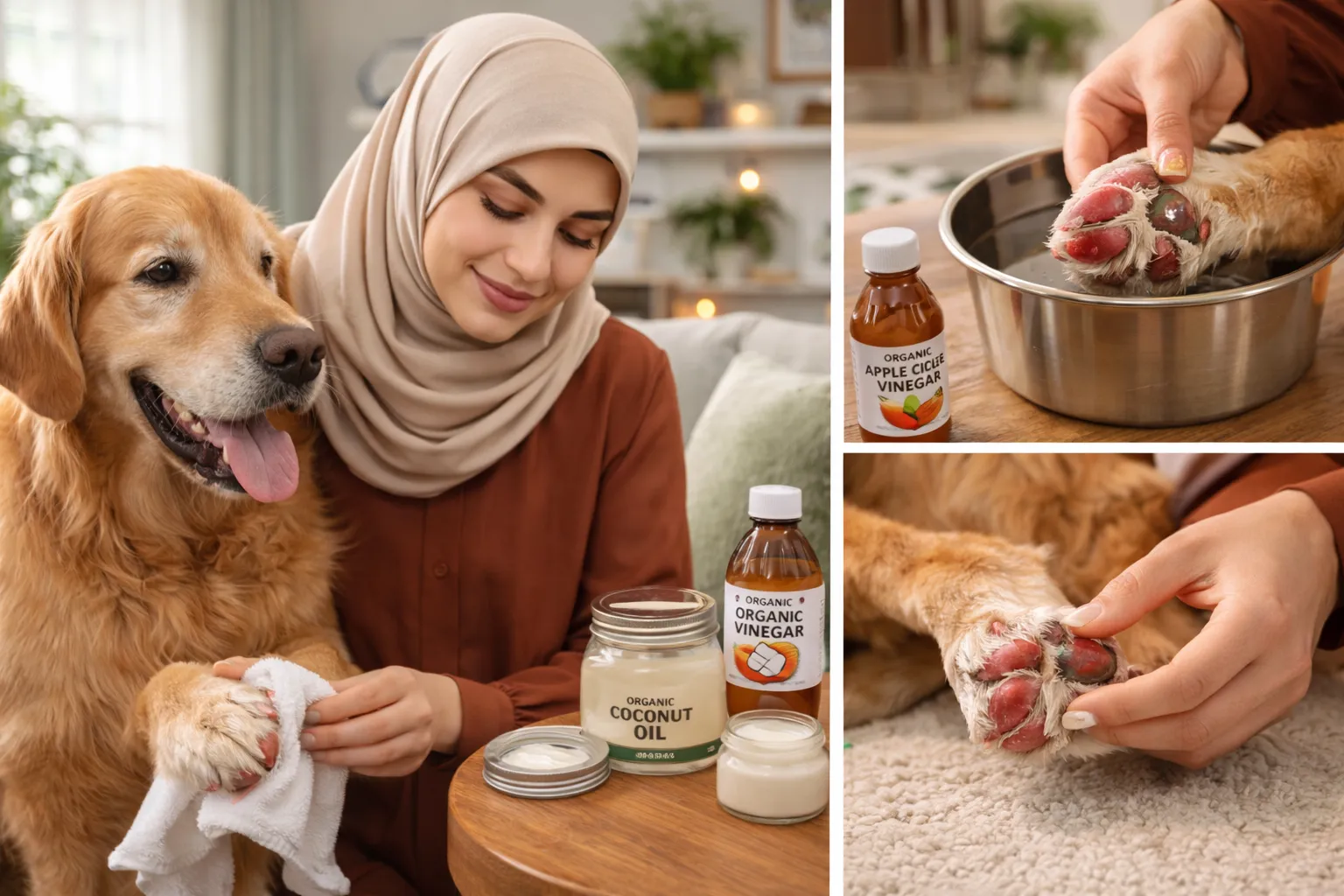
Yeast infections in dogs can be uncomfortable and persistent, but several home remedies offer relief. Start by keeping the affected areas clean and dry, as yeast thrives in moisture. Use a diluted apple cider vinegar solution (one part vinegar to one part water) as a spray or wipe to restore skin pH and inhibit yeast growth. Coconut oil, with its antifungal properties, can be applied topically to soothe and protect the skin. For more severe cases, consider an oatmeal or antifungal shampoo bath to reduce itching and inflammation. It’s also helpful to boost your dog’s immune system with a balanced diet rich in probiotics, which can prevent yeast overgrowth from within. Remember, while these remedies are effective for mild infections, persistent or severe symptoms require veterinary attention to rule out underlying conditions like allergies or hormonal imbalances.
- Diluted apple cider vinegar spray for pH balance
- Coconut oil application for antifungal benefits
- Oatmeal baths to soothe itchy skin
- Probiotic supplements to support gut health
- Regular cleaning of ears and paws to prevent moisture buildup
Swollen Dog Paws Home Remedy Treatments
Swollen paws in dogs can be caused by allergies, infections, or injuries, and home remedies can provide quick relief. Begin by inspecting the paw for foreign objects like thorns or splinters, and remove them carefully if present. Apply a cool compress or soak the paw in Epsom salt water to reduce inflammation and pain. For allergic reactions, an antihistamine like Benadryl (consult your vet for dosage) may help, but always check with a professional first. Keeping the paw clean and dry is crucial to prevent infection, and you can use a mild antiseptic like saline solution for cleaning. If swelling persists or is accompanied by redness, discharge, or fever, seek veterinary care immediately, as it could indicate a more serious issue like an abscess or fracture. For ongoing paw health, consider using protective booties during walks and maintaining a clean home environment to minimize allergens.
Dog Cut Paw Home Remedy Care Steps
Cuts on a dog’s paw are common, especially in active pets, and proper home care can promote healing and prevent complications. First, gently clean the wound with lukewarm water and a mild antiseptic like diluted betadine or saline solution to remove debris. Apply a pet-safe antibiotic ointment and cover with a non-stick bandage to protect from dirt and licking. Change the bandage daily and monitor for signs of infection, such as increased redness, swelling, or pus. To prevent your dog from chewing the bandage, use an Elizabethan collar if necessary. For deeper cuts or those that won’t stop bleeding, visit a vet promptly. In the meantime, keep your dog’s activity level low to avoid aggravating the injury. Regular paw checks after outdoor activities can help catch cuts early, and maintaining trimmed nails reduces the risk of accidental scratches.
- Clean the cut with saline solution or diluted antiseptic
- Apply antibiotic ointment designed for pets
- Bandage the paw with a non-stick wrap
- Monitor for infection signs daily
- Limit activity to allow healing
Dog Itchy Paws Home Remedy Relief
Itchy paws can drive dogs crazy, leading to excessive licking and chewing that worsens the problem. Home remedies focus on soothing irritation and addressing underlying causes. Soak the paws in a solution of Epsom salts and warm water to reduce itching and inflammation. Aloe vera gel, known for its cooling properties, can be applied topically to provide relief. For allergies, identify and remove potential triggers, such as certain foods or environmental allergens like pollen. Adding omega-3 fatty acids to your dog’s diet can improve skin health and reduce itchiness. Regularly wiping your dog’s paws after walks removes irritants like grass or chemicals. If itching persists, consult a vet to rule out conditions like mange or autoimmune disorders. For more tips on managing pet health at home, explore our guide on home remedies for dog scooting, which covers natural solutions for common issues.
Preventive Measures for Healthy Skin and Paws
Prevention is key to avoiding recurrent skin and paw problems in dogs. Maintain a regular grooming routine, including brushing to remove dirt and checking for abnormalities. Keep your dog’s living area clean to reduce exposure to allergens and parasites. Provide a balanced diet with essential nutrients to support skin health, and ensure access to fresh water. Use paw balms or waxes in extreme weather to protect from hot pavement or cold surfaces. Regular vet check-ups can catch issues early, and vaccinations help prevent infections. For a holistic approach, consider integrating dog eye infection treatment home remedy insights, as eye and skin health often interlink. By adopting these habits, you can minimize the risk of yeast infections, swelling, cuts, and itching, keeping your dog comfortable year-round.
| Issue | Home Remedy | When to See a Vet |
|---|---|---|
| Yeast Infection | Apple cider vinegar spray, coconut oil | If redness spreads or odor persists |
| Swollen Paws | Epsom salt soak, cool compress | Swelling lasts over 24 hours or with fever |
| Cut Paw | Saline cleaning, antibiotic ointment | Deep cut, bleeding won’t stop, signs of infection |
| Itchy Paws | Aloe vera, omega-3 supplements | Constant itching leads to sores or hair loss |
FAQs About Canine Skin and Paw Care
What are the signs of a yeast infection in dogs?
Common signs include red, itchy skin, a musty odor, and excessive licking or scratching, often in areas like ears, paws, or skin folds. If you notice these symptoms, try a dog yeast infection home remedy like diluted apple cider vinegar, but consult a vet if they worsen.
How can I treat my dog’s swollen paw at home?
For a swollen dog paws home remedy, use a cool compress or Epsom salt soak to reduce inflammation. Check for foreign objects and keep the paw clean. If swelling doesn’t improve within a day, seek veterinary advice to rule out infections or injuries.
What should I do if my dog cuts their paw?
Clean the cut with saline solution, apply pet-safe antibiotic ointment, and bandage it. Monitor for infection. For deeper cuts or persistent bleeding, visit a vet immediately to prevent complications.
Why are my dog’s paws always itchy?
Itchy paws can result from allergies, dry skin, or irritants. Try a dog itchy paws home remedy like Epsom salt soaks or aloe vera. If itching continues, a vet can help identify underlying causes like food allergies or parasites.
Can diet affect my dog’s skin health?
Yes, a balanced diet rich in omega-3s and probiotics supports skin health and can prevent issues like yeast infections. Avoid foods that trigger allergies, and consider supplements if recommended by your vet.
When should I stop home treatment and see a vet?
Stop home treatment if symptoms worsen, persist for more than a few days, or if your dog shows signs of pain, fever, or lethargy. Early veterinary intervention can prevent serious conditions.
Are there natural ways to prevent paw problems?
Yes, regular grooming, paw checks after walks, and using protective balms can help. For more on maintaining a healthy home environment, check out our guide to avoiding cockroaches, which includes tips on reducing allergens.
How do I know if my dog has an allergy causing paw issues?
Signs include itching, redness, and recurrent infections. Allergy testing by a vet can pinpoint triggers. In the meantime, minimize exposure to potential allergens and consider antihistamines under veterinary guidance.