As a pet owner, noticing your dog scooting across the floor can be both concerning and puzzling. This common behavior often signals underlying health issues like anal gland problems, yeast infections, or digestive discomfort. While veterinary care is essential for serious conditions, many mild cases can be managed with safe, natural home remedies. Understanding these remedies not only helps alleviate your dog’s discomfort but also empowers you to maintain their overall well-being from the comfort of your home. In this guide, we’ll explore practical solutions for dog scooting, along with related issues like yeast infections and bad breath, all while emphasizing a holistic approach to pet health. For more tips on creating a healthy home environment, check out our guide on smart home setup to ensure your space supports your pet’s needs.
Home remedies for dog scooting include adding fiber to their diet, using warm compresses, and ensuring proper hygiene. For yeast infections, try apple cider vinegar rinses or coconut oil, and for bad breath, incorporate dental chews or parsley. Always consult a vet if symptoms persist.
Understanding Dog Scooting and Its Causes
Dog scooting, where your pet drags their rear end along the ground, is often a sign of irritation or discomfort in the anal area. Common causes include impacted anal glands, allergies, parasites, or infections. Before trying home remedies, it’s crucial to identify the root cause. For example, if scooting is due to a yeast infection, treatments will differ from those for dietary issues. A balanced approach involves monitoring your dog’s behavior and consulting a vet for persistent problems. Just as you’d address HVAC issues to maintain a comfortable home, timely intervention can prevent minor pet health issues from escalating.
Effective Home Remedies for Dog Scooting
When dealing with mild scooting, several home remedies can provide relief. Start by assessing your dog’s diet and hygiene routine. Here are some proven methods:
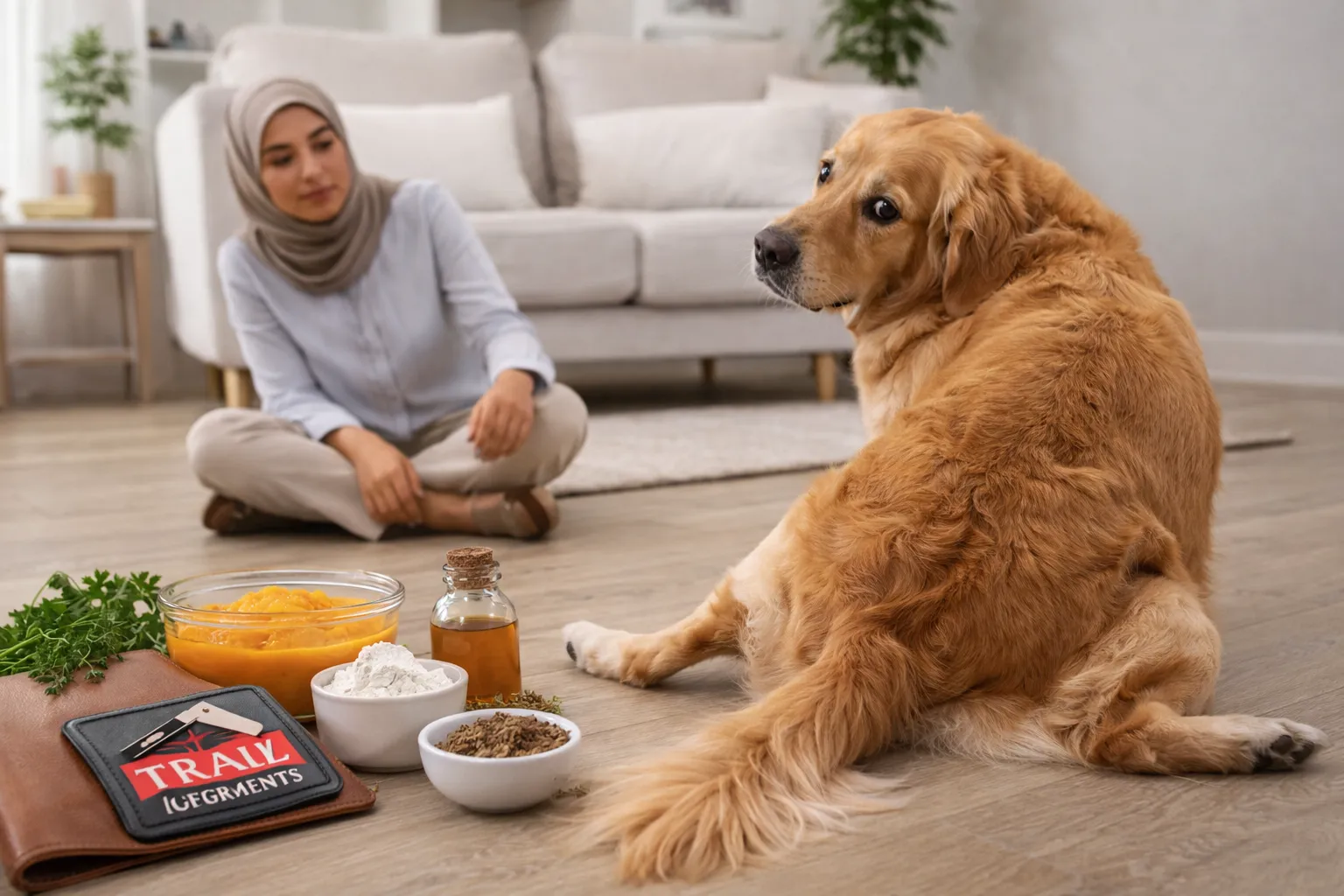
- Increase Fiber Intake: Add pumpkin or psyllium husk to your dog’s food to promote regular bowel movements and naturally express anal glands.
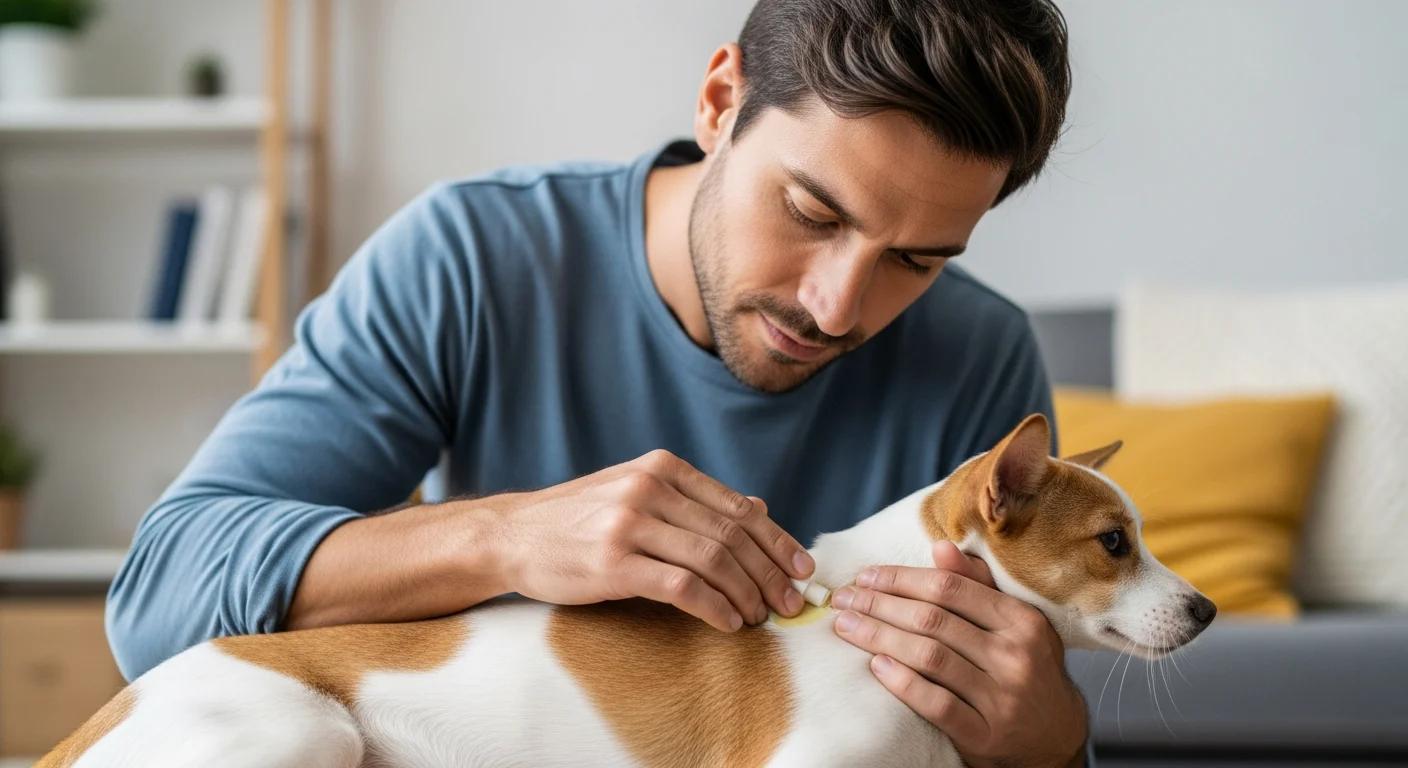
- Warm Compresses: Apply a warm, damp cloth to the anal area for 5-10 minutes to soothe inflammation and encourage gland drainage.
- Proper Hygiene: Gently clean the area with mild, pet-safe wipes to remove irritants and prevent infections.
- Omega-3 Supplements: Incorporate fish oil into their diet to reduce inflammation and support skin health.
If scooting is linked to allergies, consider switching to a hypoallergenic diet. Remember, these remedies are for minor issues; severe cases require veterinary attention. For more on maintaining a healthy home environment, explore our work-from-home strategies that can help you balance pet care with daily routines.
Dog Yeast Infection Home Remedy Options
Yeast infections in dogs, often causing itching, redness, and scooting, can be managed with natural remedies. Common signs include ear infections, skin rashes, or a musty odor. Here’s a comparison of popular home treatments:
| Remedy | How to Use | Benefits |
|---|---|---|
| Apple Cider Vinegar | Dilute with water (1:1 ratio) and apply as a rinse or spray. | Antifungal properties, restores skin pH. |
| Coconut Oil | Apply topically to affected areas or add to food. | Moisturizes skin, fights yeast growth. |
| Probiotics | Give as supplements or through yogurt (if tolerated). | Boosts gut health, reduces yeast overgrowth. |
| Baking Soda Paste | Mix with water to form a paste and apply to skin. | Soothes itching, dries out yeast. |
Always test a small area first to ensure your dog doesn’t have an adverse reaction. For persistent infections, consult a vet to rule out underlying issues like immune disorders. Similar to addressing foundation cracks in your home, treating yeast infections early prevents long-term damage to your pet’s health.
Canine Bad Breath Home Remedies
Bad breath in dogs, often caused by dental disease, diet, or digestive issues, can be improved with simple home remedies. Incorporate these into your pet’s routine:
- Dental Chews: Provide chew toys or treats designed to reduce plaque and tartar buildup.
- Parsley or Mint: Add fresh herbs to their food; these have natural deodorizing properties.
- Coconut Oil Pulling: Rub a small amount on their gums to fight bacteria and freshen breath.
- Regular Brushing: Use a pet-safe toothbrush and toothpaste to maintain oral hygiene.
- Probiotic Supplements: Support gut health to address digestive-related bad breath.
If bad breath persists, it could indicate serious health problems like kidney disease, so seek veterinary advice. For tips on organizing your home to support pet care, refer to our home gym design guide, which includes storage solutions that can keep pet supplies tidy.
Preventive Measures for Overall Pet Health
Preventing issues like scooting, yeast infections, and bad breath involves a holistic approach to pet care. Focus on diet, exercise, and regular check-ups. Here are key strategies:
- Balanced Diet: Feed high-quality food with limited fillers to support digestion and skin health.
- Regular Exercise: Ensure daily activity to maintain a healthy weight and reduce stress-related issues.
- Routine Grooming: Bathe and brush your dog regularly to prevent skin infections and matting.
- Veterinary Visits: Schedule annual check-ups to catch problems early and update vaccinations.
By integrating these habits, you can create a healthier environment for your pet. Just as you’d plan a tiny home layout for efficiency, thoughtful pet care routines optimize well-being in limited spaces.
FAQs About Pet Health at Home
What are the safest home remedies for dog scooting?
The safest home remedies include adding fiber to your dog’s diet, using warm compresses, and maintaining proper hygiene. Always monitor for improvements and consult a vet if scooting continues beyond a few days.
Can I use apple cider vinegar for my dog’s yeast infection?
Yes, diluted apple cider vinegar can be effective as a rinse or spray due to its antifungal properties. However, avoid using it on open wounds or if your dog has sensitive skin.
How often should I brush my dog’s teeth to combat bad breath?
Aim to brush your dog’s teeth at least 2-3 times per week using pet-safe toothpaste. Regular brushing helps prevent plaque buildup and reduces bad breath caused by dental issues.
Are there any risks with using coconut oil on dogs?
Coconut oil is generally safe for topical or dietary use, but start with small amounts to avoid digestive upset. Some dogs may be allergic, so watch for signs like itching or diarrhea.
When should I see a vet instead of using home remedies?
See a vet if symptoms like scooting, yeast infections, or bad breath are severe, persistent, or accompanied by other signs like lethargy, loss of appetite, or bleeding.
Can diet alone fix my dog’s scooting problem?
Diet can help, especially if scooting is due to constipation or allergies, but it may not address underlying issues like impacted anal glands. Combine dietary changes with other remedies and vet advice.
What natural ingredients help with canine bad breath?
Natural ingredients like parsley, mint, coconut oil, and probiotics can freshen breath by targeting bacteria and improving digestion. Incorporate these into your dog’s routine for best results.
How do I prevent yeast infections in my dog?
Prevent yeast infections by keeping your dog’s skin dry, feeding a balanced diet low in sugars, and using regular grooming. Probiotics and antifungal shampoos can also help maintain healthy skin flora.