Creating the ultimate home entertainment space is a dream for many homeowners, blending comfort, technology, and fun into one cohesive area. Whether you’re transforming a basement into a cinematic haven or designing a game room with unique features like a home bowling alley, the possibilities are endless. This guide dives into key concepts, from essential setups like a home theatre power manager to innovative ideas that elevate your space. By integrating smart design and practical solutions, you can craft an environment that rivals commercial venues while fitting seamlessly into your home’s layout and lifestyle.
A home entertainment space combines a theater with a game room, using a home theatre power manager for safety, basement layouts for immersion, and features like a home bowling alley for fun. Focus on soundproofing, lighting, and multi-functional furniture to optimize the experience.
Essential Components for a Home Theater
Building a home theater starts with core elements that ensure an immersive viewing experience. Key components include high-quality audio-visual equipment, comfortable seating, and proper room acoustics. For instance, a home theatre power manager is crucial to protect your investment from electrical surges and manage multiple devices efficiently. This device not only safeguards expensive electronics but also helps organize cables and reduce energy consumption. When planning your setup, consider integrating smart home technology to control lighting and sound with ease, enhancing convenience and ambiance.
- High-definition projector or large-screen TV
- Surround sound system with subwoofers
- Acoustic panels for soundproofing
- Comfortable, reclining seating arrangements
- Blackout curtains or dimmable lighting
Designing a Basement Home Theater
A basement is an ideal location for a home theater due to its natural insulation and separation from main living areas. When designing a basement home theater, focus on moisture control, ventilation, and layout to prevent issues like mold and poor air quality. Start by inspecting the foundation for cracks and ensuring proper sealing, as detailed in our guide on fixing foundation cracks. This step is vital for maintaining a dry and stable environment. Next, plan the seating tiering and screen placement to optimize sightlines, and use dark colors on walls to minimize light reflection. Incorporating a mini-bar or snack area can add to the cinematic feel without disrupting the viewing experience.
- Assess basement condition and address any structural issues
- Install insulation and vapor barriers for temperature control
- Design a tiered seating layout for unobstructed views
- Integrate ambient lighting with smart controls
- Add storage for media and accessories
Game Room Ideas and Features
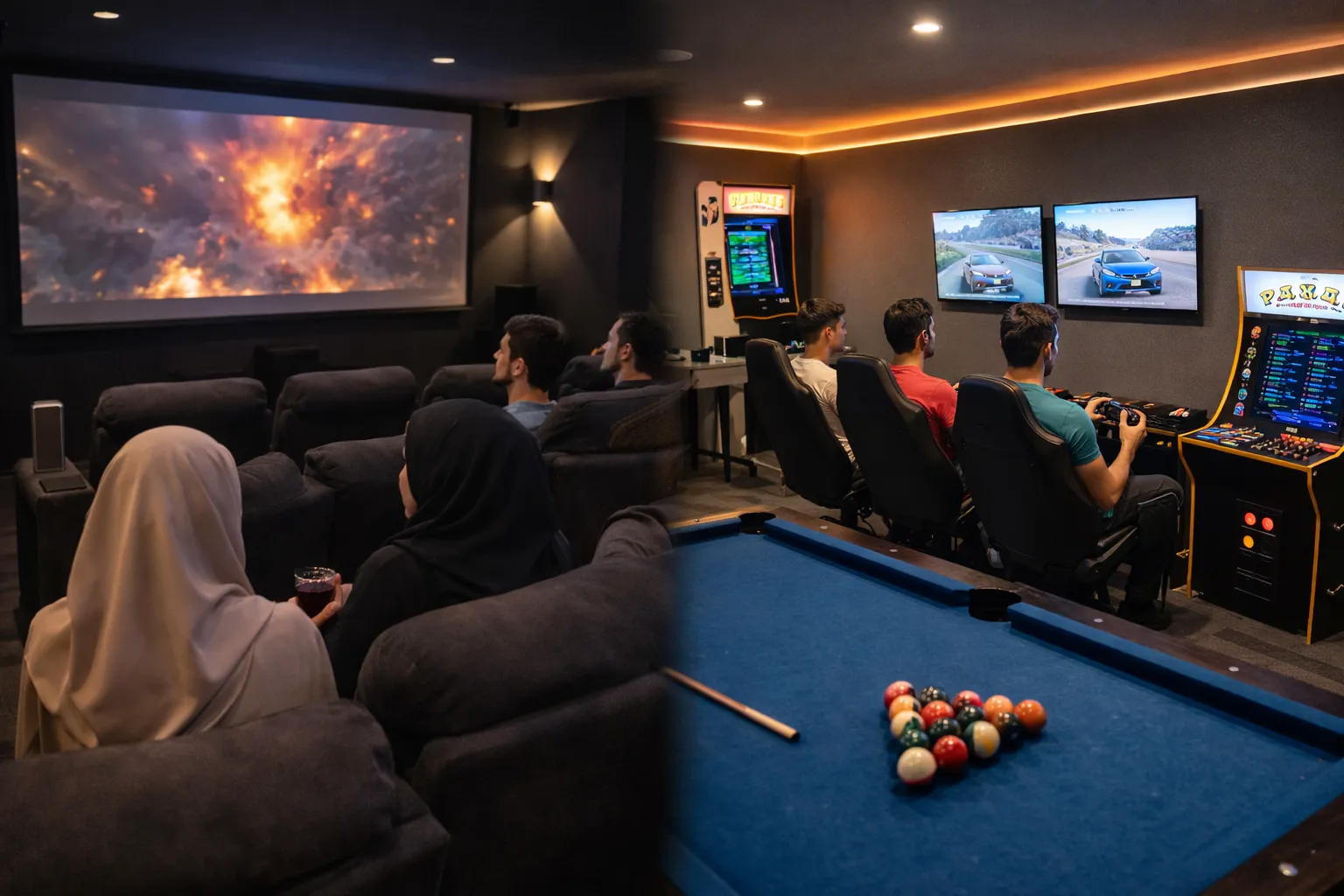
Beyond theaters, game rooms offer a versatile space for entertainment and relaxation. Popular features include arcade machines, pool tables, and even a home bowling alley for a unique twist. When planning a game room, balance active and passive activities to cater to different preferences. For example, set up a gaming console area with comfortable seating, and include board game stations for group fun. To maximize space, consider multi-functional furniture and smart storage solutions, similar to tips in our article on home gym design, which emphasizes efficient layouts. Lighting plays a key role here—use adjustable LEDs to create vibrant atmospheres for games while ensuring safety in high-traffic areas.
| Feature | Benefits | Considerations |
|---|---|---|
| Home Bowling Alley | Unique entertainment, physical activity | Space requirements, maintenance costs |
| Arcade Machines | Retro appeal, interactive fun | Power needs, vintage vs. modern options |
| Pool Table | Social engagement, classic design | Room size, lighting overhead |
| Video Game Zone | High-tech experience, customizable | Equipment updates, seating comfort |
Integrating Smart Home Technology
Modern home entertainment spaces benefit greatly from smart home integration, allowing seamless control over various systems. Use devices like voice assistants, smart bulbs, and automated curtains to enhance convenience. For instance, a home theatre power manager can be synced with smart plugs to turn off all equipment with a single command, saving energy and reducing wear. Explore our smart home setup guide for more insights on connecting devices effectively. Additionally, consider installing security cameras or motion sensors to monitor the space when not in use, adding a layer of safety to your investment.
- Voice-controlled lighting and sound systems
- Automated climate control for comfort
- Smart locks for secure access
- Integration with streaming services
- Remote monitoring via mobile apps
Budgeting and Maintenance Tips
Creating a home entertainment area requires careful budgeting to avoid overspending. Start by prioritizing essential items like the home theatre power manager and audio-visual gear, then allocate funds for decorative elements. Regular maintenance is key to longevity—clean equipment, check wiring, and update software periodically. For cost-effective ideas, look into DIY projects or repurposed furniture, as suggested in resources like 2 bedroom tiny home plans, which emphasize space efficiency. Set aside a contingency fund for unexpected repairs, especially if incorporating complex features like a home bowling alley that may need specialized servicing.
- List must-have vs. nice-to-have items
- Compare prices for equipment and installation
- Schedule routine checks for electrical systems
- Keep software and firmware updated
- Plan for seasonal adjustments (e.g., humidity control)
FAQs About Home Entertainment Concepts
What is a home theatre power manager and why is it important?
A home theatre power manager is a device that regulates electrical supply to your theater equipment, protecting against surges and organizing power distribution. It’s important because it prevents damage to expensive electronics, reduces energy waste, and simplifies setup with centralized control.
How can I soundproof my basement home theater?
Soundproof a basement home theater by installing acoustic panels on walls and ceilings, using heavy curtains, and sealing gaps around doors and windows. Adding insulation and choosing thick flooring materials can also minimize noise leakage.
Is a home bowling alley practical for residential use?
Yes, a home bowling alley can be practical if you have sufficient space (typically at least 100 feet in length) and budget for installation and maintenance. It offers unique entertainment but requires regular upkeep and may not suit smaller homes.
What are some cost-effective game room ideas?
Cost-effective game room ideas include DIY arcade cabinets, second-hand pool tables, and multi-purpose furniture that doubles as storage. Focus on versatile items that encourage social interaction without high upfront costs.
How do I integrate smart home features into my entertainment space?
Integrate smart home features by using compatible devices like smart bulbs, voice assistants, and automated systems. Start with basic controls for lighting and sound, then expand to climate and security based on your needs and budget.
What maintenance tasks are essential for a home theater?
Essential maintenance tasks for a home theater include cleaning lenses on projectors, dusting equipment, checking cable connections, and updating software. Regularly inspect the home theatre power manager for any issues to ensure safety.
Can I combine a theater and game room in one space?
Yes, you can combine a theater and game room by using flexible furniture, movable partitions, and zoning different areas for activities. Ensure proper lighting and sound management to avoid interference between functions.