Water quality and pressure are critical to a comfortable, efficient home, affecting everything from drinking water to appliance longevity. Whether you’re dealing with hard water, low pressure, or contaminants, understanding your water systems can save you money and improve health. This guide covers in line water filters for home, pressure adjustment, water softener loops, and home car wash setups, providing actionable tips for homeowners. For broader home water solutions, explore our home water treatment guide.
In line water filters for home are installed directly into your plumbing to remove contaminants, while adjusting water pressure involves checking regulators and valves. A water softener loop bypasses softeners for outdoor use, and home car wash systems require proper filtration and pressure management for effective cleaning.
What Are In Line Water Filters for Home?
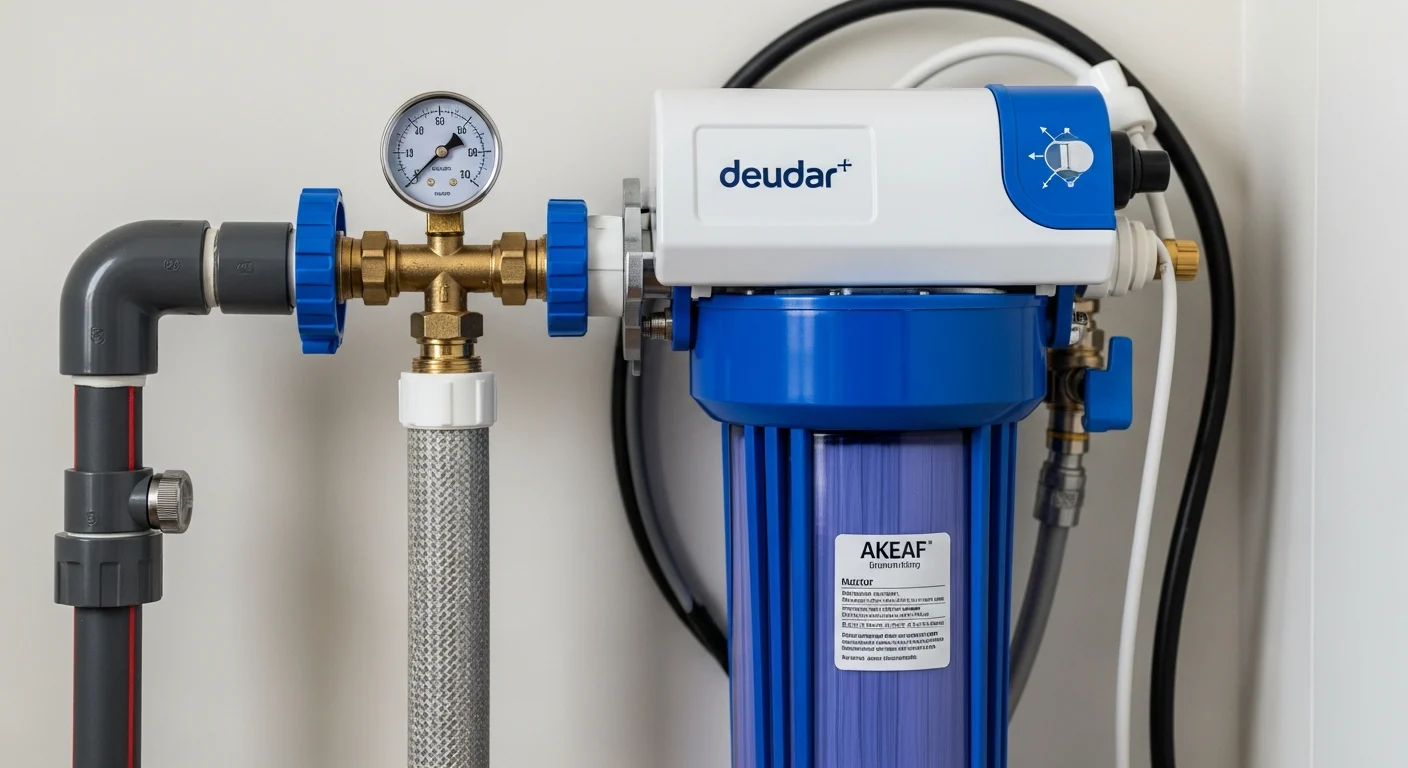
In line water filters are devices installed directly into your home’s plumbing lines to purify water as it flows through. They target contaminants like sediment, chlorine, and heavy metals, improving taste and safety. These filters are versatile, fitting under sinks, at the main water entry point, or for specific appliances. Key benefits include:
- Removal of impurities for cleaner drinking water
- Protection of appliances from scale buildup
- Easy installation with minimal maintenance
- Cost-effective compared to bottled water
For a deeper dive into filtration options, check out our alkaline water filter system guide.
How to Adjust Home Water Pressure
Proper water pressure ensures efficient flow without damaging pipes. Low pressure can cause weak showers, while high pressure may lead to leaks. Follow these steps to adjust it:
- Locate the pressure regulator near your main water line.
- Use a pressure gauge to measure current PSI (ideal is 40-60 PSI).
- Turn the adjustment screw clockwise to increase pressure or counterclockwise to decrease.
- Recheck with the gauge and adjust as needed.
If issues persist, consider consulting a professional, as underlying problems like clogged pipes might require whole home upgrades.
Understanding Water Softener Loops
A water softener loop is a plumbing setup that allows you to bypass softened water for outdoor use, such as irrigation or car washing, saving salt and water. It typically involves a dedicated line that splits before the softener. Benefits include:
- Reduced softener wear and salt usage
- Better plant health with untreated water
- Simplified maintenance for outdoor fixtures
Installation often requires professional help to ensure proper integration with your home’s plumbing system.
Setting Up a Home Car Wash System
A home car wash system combines filtration and pressure management for effective cleaning. Key components include:
- In line water filter to remove sediments that can scratch paint
- Pressure washer or hose with adjustable nozzle
- Water softener loop to avoid soap residue from softened water
- Proper drainage to prevent water accumulation
For optimal results, maintain water pressure around 30-40 PSI and use a filter with a micron rating suitable for your water quality. This ties into broader seasonal home maintenance practices.
Comparing Filtration and Pressure Solutions
| Solution | Purpose | Best For | Estimated Cost |
|---|---|---|---|
| In Line Water Filter | Remove contaminants | Drinking water, appliance protection | $50-$200 |
| Pressure Regulator | Adjust water flow | Preventing pipe damage, improving efficiency | $20-$100 |
| Water Softener Loop | Bypass softener for outdoor use | Gardening, car washing | $100-$300 (installation) |
| Home Car Wash System | Integrated cleaning setup | Vehicle maintenance, DIY enthusiasts | $100-$500+ |
Maintenance Tips for Water Systems
Regular upkeep ensures longevity and performance. Follow these tips:
- Replace filter cartridges every 3-6 months or as recommended
- Check pressure gauges quarterly for fluctuations
- Inspect softener loops for leaks or blockages
- Clean car wash nozzles and filters after each use
For more on maintaining home systems, see our HVAC troubleshooting guide.
Frequently Asked Questions
How do I choose the right in line water filter for my home?
Consider your water quality, flow rate needs, and filter type (e.g., sediment, carbon). Test your water first to identify contaminants, and select a filter with appropriate certifications like NSF.
Can I adjust water pressure without a regulator?
Yes, but it’s riskier. You can partially close valves to reduce pressure, but this may not be precise. Installing a regulator is safer and more effective for long-term control.
What is the benefit of a water softener loop?
It saves salt and water by allowing untreated water for outdoor tasks, reducing softener maintenance costs and preventing over-softening that can harm plants.
Do I need a special filter for a home car wash system?
Yes, a sediment filter is recommended to prevent scratches from particles. Pair it with a pressure washer for best results, and ensure proper water pressure.
How often should I check my water pressure?
Check at least twice a year, especially during seasonal changes. Sudden drops or spikes can indicate plumbing issues that need attention.
Can in line filters work with well water?
Yes, but they may require additional pre-filtration for high sediment levels. Choose filters designed for well water and monitor them closely.
Is a water softener loop necessary for all homes?
No, it’s most useful if you have a softener and do frequent outdoor watering or car washing. Otherwise, a standard setup may suffice.
Frequently Asked Questions
How do I choose the right in line water filter for my home?
Consider your water quality, flow rate needs, and filter type (e.g., sediment, carbon). Test your water first to identify contaminants, and select a filter with appropriate certifications like NSF.
Can I adjust water pressure without a regulator?
Yes, but it’s riskier. You can partially close valves to reduce pressure, but this may not be precise. Installing a regulator is safer and more effective for long-term control.
What is the benefit of a water softener loop?
It saves salt and water by allowing untreated water for outdoor tasks, reducing softener maintenance costs and preventing over-softening that can harm plants.
Do I need a special filter for a home car wash system?
Yes, a sediment filter is recommended to prevent scratches from particles. Pair it with a pressure washer for best results, and ensure proper water pressure.
How often should I check my water pressure?
Check at least twice a year, especially during seasonal changes. Sudden drops or spikes can indicate plumbing issues that need attention.
Can in line filters work with well water?
Yes, but they may require additional pre-filtration for high sediment levels. Choose filters designed for well water and monitor them closely.
Is a water softener loop necessary for all homes?
No, it’s most useful if you have a softener and do frequent outdoor watering or car washing. Otherwise, a standard setup may suffice.