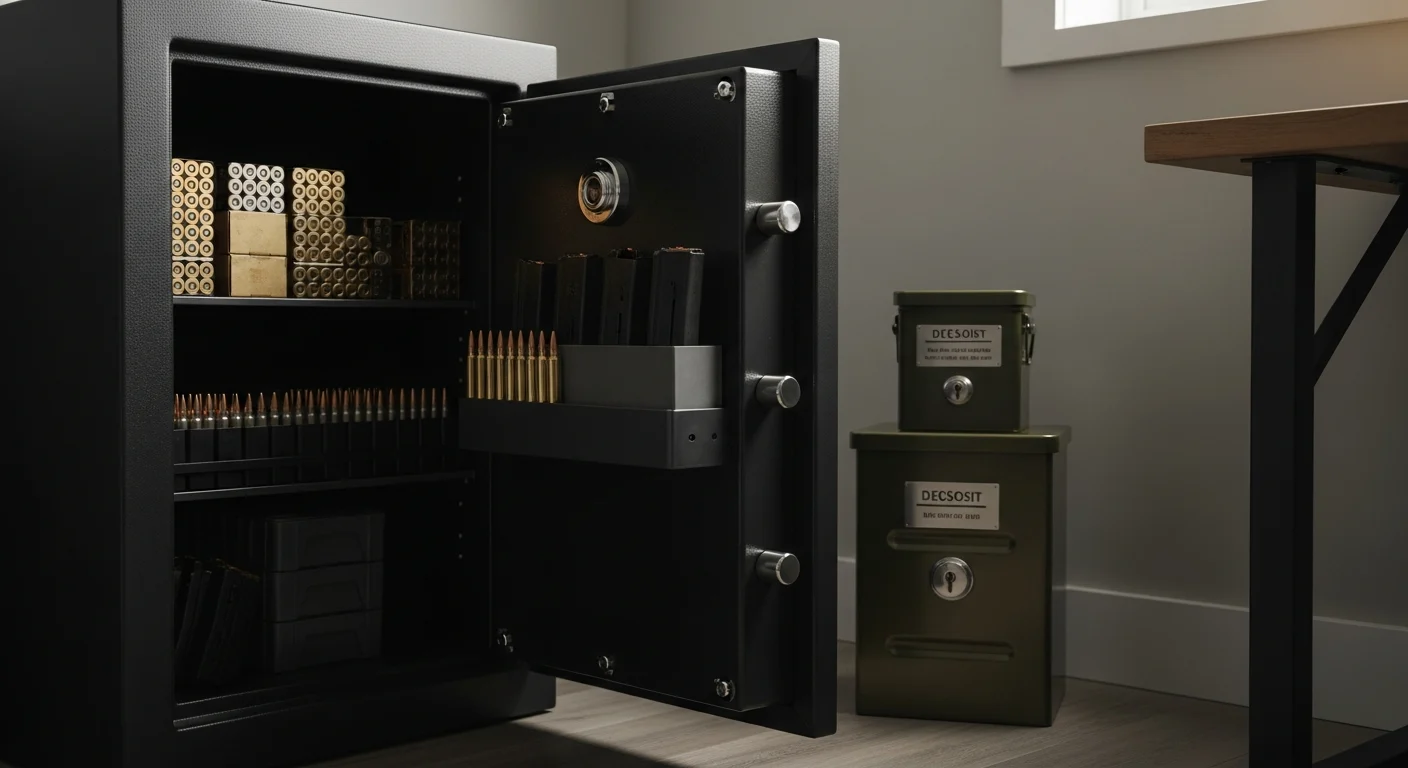
In today’s world, securing valuable items like ammunition, important documents, and heirlooms is more critical than ever. Whether you’re a gun owner, a collector, or simply someone who values privacy and safety, finding the right storage solution can prevent theft, accidents, and damage. This guide explores comprehensive home ammo storage ideas, comparing options like home safes versus safety deposit boxes, and integrating advanced features such as home floor safes and motion sensors. By understanding these choices, you can create a secure environment tailored to your needs, ensuring peace of mind for you and your family. From basic setups to high-tech systems, we’ll cover everything you need to know to protect what matters most.
For secure home ammo storage, use a dedicated gun safe with fireproof and waterproof ratings, store ammo in cool, dry places away from firearms, and consider adding home motion sensors for extra security. Compare home safes (offering immediate access and customization) with safety deposit boxes (ideal for high-value items but with limited access) to choose the best option for your needs.
Why Secure Storage Matters for Ammo and Valuables
Proper storage isn’t just about organization—it’s a safety and legal necessity. Ammunition, if stored improperly, can degrade, become unstable, or pose fire hazards. Similarly, valuables like jewelry, cash, and documents are targets for theft. In the U.S., many states have laws requiring secure storage of firearms and ammo to prevent unauthorized access, especially by children. Beyond compliance, secure storage protects against environmental factors like humidity, which can corrode metal components. For example, a home electrical guide highlights how moisture control is crucial in preventing damage to sensitive items. By investing in quality storage, you reduce risks and ensure your items remain in optimal condition.
Home Ammo Storage Ideas: Practical Solutions
When it comes to storing ammunition at home, there are several effective strategies to consider. First, always keep ammo separate from firearms to enhance safety. Use airtight containers or ammo cans with silica gel packs to control moisture. Store these in a cool, dry place, such as a basement or closet, away from direct sunlight and heat sources. For larger collections, consider dedicated ammo safes with fireproof ratings. Here are some key ideas:
- Use Lockable Ammo Boxes: These are portable, affordable, and can be stored in larger safes.
- Install Shelving Units: Organize ammo by caliber on sturdy shelves in a secure room.
- Integrate with Gun Safes: Many gun safes have compartments designed specifically for ammo storage.
- Consider Climate Control: Use dehumidifiers in storage areas to prevent corrosion.
For those with extensive collections, linking storage to a smart home networking system can provide remote monitoring and alerts. Remember, regular inspections are essential to check for signs of damage or deterioration.
Home Safe vs. Safety Deposit Box: Which Is Better?
Choosing between a home safe and a safety deposit box depends on your specific needs. Home safes offer immediate access and can be customized with features like biometric locks, while safety deposit boxes provide high security but limited availability. Below is a comparison table to help you decide:
| Feature | Home Safe | Safety Deposit Box |
|---|---|---|
| Accessibility | 24/7 access at home | Limited to bank hours |
| Security Level | Good with proper installation | Very high, bank-grade |
| Cost | One-time purchase plus maintenance | Annual rental fees |
| Ideal For | Ammo, firearms, frequent-use items | Irreplaceable documents, jewelry |
| Customization | Can add sensors, fireproofing | Fixed size and features |
For items you need regularly, such as ammunition or important papers, a home safe is more convenient. However, for heirlooms or legal documents, a safety deposit box might be safer. Combining both can offer layered protection—store everyday items in a home safe and ultra-valuables in a deposit box. When installing a home safe, ensure it’s bolted down to prevent theft, similar to securing mobile home anchoring techniques for stability.
Home Floor Safes: Hidden and Secure Options
Home floor safes are an excellent choice for discreet storage, as they’re installed directly into the floor, making them less visible to intruders. These safes are often fireproof and waterproof, providing robust protection for ammo, cash, and sensitive documents. Installation requires cutting into the floor, so it’s best done during renovations or with professional help. Here’s a step-by-step guide to choosing and installing a floor safe:
- Select the Right Size: Measure your items and choose a safe that fits, considering future needs.
- Pick a Location: Install in a hidden spot, like under a rug or furniture, away from moisture.
- Ensure Proper Installation: Bolt the safe into concrete or subflooring for maximum security.
- Add Extra Features: Consider models with digital locks or integration with home security systems.
Floor safes are particularly useful for those living in areas prone to natural disasters, as they offer added protection. For more on securing your home’s structure, check out our home foundation cracks repair guide to ensure overall safety.
Integrating Home Motion Sensors for Enhanced Security
Motion sensors are a game-changer for home storage security, providing real-time alerts and deterring unauthorized access. When used with safes or storage rooms, they can detect movement and trigger alarms, notifications, or even lights. For ammo storage, this adds an extra layer of protection against theft or tampering. Here are key benefits and setup tips:
- Deter Intruders: Visible sensors can scare off potential thieves.
- Instant Alerts: Receive notifications on your phone if motion is detected.
- Integration with Systems: Connect sensors to smart home hubs for automated responses.
- Placement Tips: Install sensors near entry points and storage areas, avoiding pets or high-traffic zones.
For a comprehensive security setup, combine motion sensors with other measures like cameras and sturdy locks. This approach mirrors strategies in our how to upgrade home security guide, which covers full-system integrations. Remember to test sensors regularly to ensure they’re functioning correctly.
Best Practices for Maintaining Secure Storage
To keep your storage solutions effective over time, regular maintenance is crucial. For ammo, inspect containers for rust or moisture every few months. For safes, clean locks and hinges, and update digital codes periodically. Here’s a checklist:
- Inspect Ammo: Look for corrosion or discoloration; replace if damaged.
- Check Safe Seals: Ensure fireproof and waterproof seals are intact.
- Test Security Features: Verify motion sensors and alarms are working.
- Update Documentation: Keep an inventory of stored items for insurance purposes.
By following these practices, you can extend the lifespan of your storage systems and avoid unexpected failures. For more on home maintenance, explore our master home maintenance checklists for detailed monthly guides.
FAQs About Home Ammo Storage and Secure Options
What are the best home ammo storage ideas for small spaces?
For small spaces, use lockable ammo boxes that can fit under beds or in closets. Consider wall-mounted shelves or hidden compartments in furniture. Integrating with a compact gun safe is also effective, as it maximizes vertical space while keeping ammo secure and organized.
Is a home safe or safety deposit box better for storing important documents?
A safety deposit box is generally better for irreplaceable documents like birth certificates or deeds, due to its high security and protection from home disasters. However, for documents you need frequent access to, a fireproof home safe is more convenient and still offers good protection.
How do I install a home floor safe securely?
To install a home floor safe securely, choose a location with solid flooring, cut an opening to fit the safe, bolt it into the subfloor or concrete, and cover it with a rug or furniture. It’s recommended to hire a professional for installation to ensure proper alignment and security.
Can home motion sensors be used with existing safes?
Yes, home motion sensors can be used with existing safes by placing them nearby or integrating them into a smart home system. Many modern safes come with pre-installed sensor compatibility, but standalone sensors can also be added for extra monitoring and alerts.
What should I avoid when storing ammunition at home?
Avoid storing ammunition in damp areas like basements without dehumidifiers, near heat sources, or in direct sunlight. Also, never store ammo loaded in firearms, and keep it out of reach of children or unauthorized users to prevent accidents.
Are home floor safes fireproof and waterproof?
Many home floor safes are designed to be fireproof and waterproof, but it depends on the model. Look for safes with UL ratings for fire resistance (e.g., 1-hour protection) and waterproof seals. Always check specifications before purchase to ensure they meet your needs.
How much does it cost to set up secure home ammo storage?
Costs vary widely: basic ammo boxes start at $20, while gun safes range from $200 to $2000+. Home floor safes can cost $300 to $1000, and motion sensors add $50 to $200. Safety deposit boxes typically have annual fees of $50 to $300. Budget based on your security level and item value.
Do I need a permit for home ammo storage?
Permit requirements depend on local laws. In many areas, no permit is needed for personal ammo storage, but some states or cities have regulations for large quantities. Check with local authorities or legal resources to ensure compliance with safety and storage laws.