Securing your mobile home with proper anchoring and skirting isn’t just about curb appeal—it’s a critical safety measure that protects your investment from wind damage, pests, and weather extremes. Whether you’re a new homeowner or looking to upgrade, understanding the installation processes and costs for these components ensures your home remains stable, energy-efficient, and compliant with local regulations. This guide covers everything from the basics of anchoring a mobile home to choosing materials like black mobile home skirting, helping you make informed decisions for a safer, more durable living space.
Anchoring a mobile home involves installing tie-downs or anchors into the ground to secure it against wind uplift, typically costing $1,000-$3,000. Mobile home skirting installation encloses the underside with materials like vinyl or metal, with replacement costs ranging from $1,500 to $5,000 depending on material and labor. Both are essential for safety, insulation, and compliance with building codes.
Why Anchoring and Skirting Are Essential for Mobile Homes
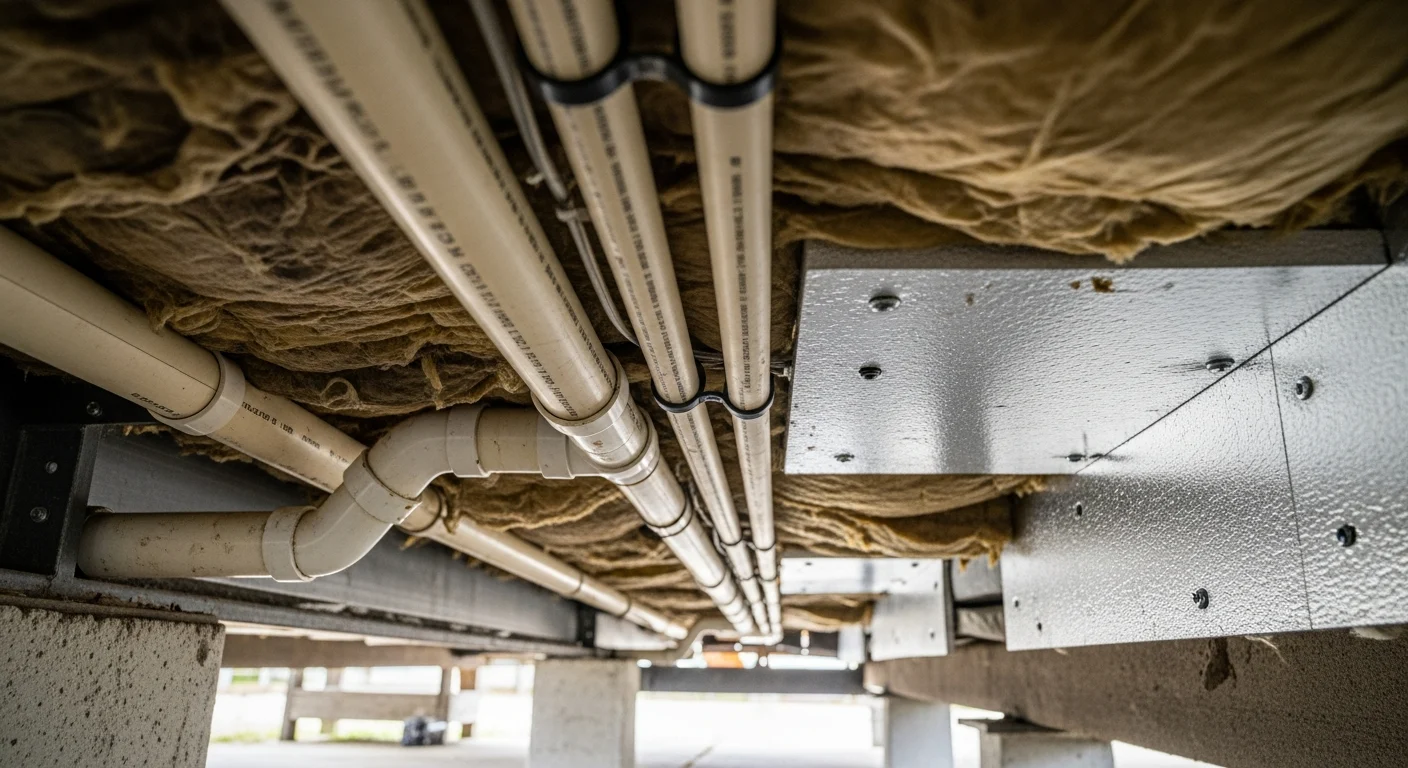
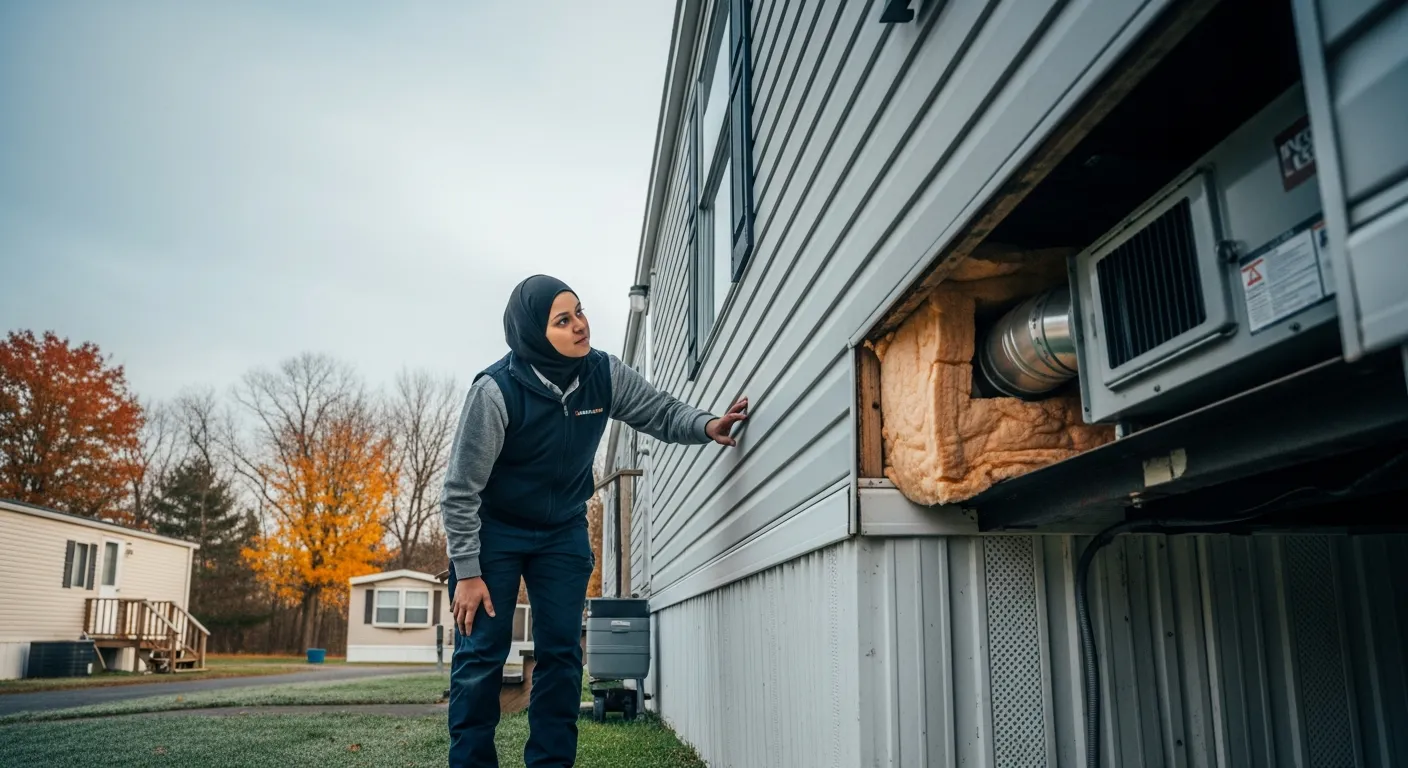
Mobile homes, unlike traditional houses, are more vulnerable to high winds and shifting due to their lightweight construction. Anchoring systems prevent tipping or movement during storms, while skirting acts as a barrier against pests, moisture, and cold air. Together, they enhance structural integrity and energy efficiency. For example, proper skirting can reduce heating costs by insulating the crawl space, similar to how seasonal home maintenance optimizes overall home performance. Neglecting these can lead to costly repairs or safety hazards, making them non-negotiable for responsible homeownership.
How to Anchor a Mobile Home: Step-by-Step Process
Anchoring a mobile home requires careful planning and adherence to local codes. Here’s a breakdown of the installation process:
- Assess the Site: Check soil type and wind zone requirements, as these affect anchor type and placement.
- Choose Anchors: Select from options like auger anchors (for soft soil) or concrete deadmen (for rocky ground).
- Install Tie-Downs: Attach straps or cables from the home’s frame to the anchors, ensuring even tension.
- Inspect and Test: Verify that all components meet HUD standards and can withstand expected wind loads.
Costs typically range from $1,000 to $3,000, depending on home size and soil conditions. For related structural upgrades, consider mobile home structurals like permanent foundations for added stability.
Mobile Home Skirting Installation: Materials and Methods
Skirting installation involves enclosing the perimeter of your mobile home to improve aesthetics and functionality. Key steps include:
- Measure and Prepare: Calculate the linear footage needed and clear debris from the area.
- Select Materials: Options include vinyl (affordable and low-maintenance), metal (durable), or faux stone (decorative).
- Install Framework: Set up a base rail and posts to support the skirting panels.
- Attach Panels: Secure panels from the bottom up, ensuring proper ventilation with access doors.
Black mobile home skirting is a popular choice for its modern look and resistance to fading. Installation usually takes 1-3 days, with DIY projects saving on labor but requiring tools and expertise.
Cost to Replace Skirting on Mobile Home: Breakdown
Replacing skirting involves material and labor expenses. Here’s a cost comparison table for common materials:
| Material | Average Cost per Linear Foot | Pros | Cons |
|---|---|---|---|
| Vinyl | $10-$20 | Low maintenance, easy installation | Can crack in cold weather |
| Metal | $15-$30 | Durable, pest-resistant | Prone to rust if not coated |
| Faux Stone | $25-$40 | Aesthetic appeal, insulates well | Expensive, heavy |
| Black Vinyl | $12-$25 | Modern look, UV-resistant | Higher cost than standard vinyl |
Total replacement costs range from $1,500 to $5,000 for an average-sized home, with labor adding $500-$2,000. For budget-friendly tips, explore DIY home repairs for mobile homes to handle minor fixes yourself.
Maintenance Tips for Anchoring and Skirting
Regular upkeep extends the life of your anchoring and skirting systems. Follow these guidelines:
- Inspect Anchors Annually: Check for rust, loose straps, or soil erosion around tie-downs.
- Clean Skirting: Wash panels with mild soap to prevent mold or discoloration, especially for black skirting.
- Ensure Ventilation: Keep vents clear to avoid moisture buildup, which can lead to rot or pest issues.
- Monitor for Damage: Look for cracks, dents, or gaps after severe weather and repair promptly.
Proper maintenance ties into broader home care, such as installing skirting on mobile homes correctly to avoid future problems.
FAQs About Mobile Home Anchoring and Skirting
What is the purpose of anchoring a mobile home?
Anchoring secures the home to the ground, preventing wind uplift and movement during storms, which is crucial for safety and compliance with building codes.
How much does it cost to install mobile home skirting?
Installation costs vary by material, but typically range from $1,500 to $5,000, including labor. DIY options can reduce expenses if you have the necessary skills.
Can I install black mobile home skirting myself?
Yes, with basic tools and careful measurement, but hiring a professional ensures proper ventilation and durability, especially in harsh climates.
How often should I replace my mobile home skirting?
Skirting lasts 10-20 years depending on material and maintenance. Replace it if you notice cracks, warping, or pest infiltration.
Is anchoring required by law for mobile homes?
In most areas, yes—local codes and HUD standards mandate anchoring in wind zones to ensure safety. Always check regulations before installation.
What are the benefits of skirting beyond aesthetics?
Skirting improves insulation, reduces energy costs, keeps pests out, and protects plumbing from freezing, similar to how home water treatment systems enhance overall home functionality.
Can skirting help with mobile home heating efficiency?
Absolutely—by enclosing the crawl space, skirting minimizes drafts and heat loss, complementing systems like mobile home HVAC maintenance for better temperature control.
What tools are needed for DIY skirting installation?
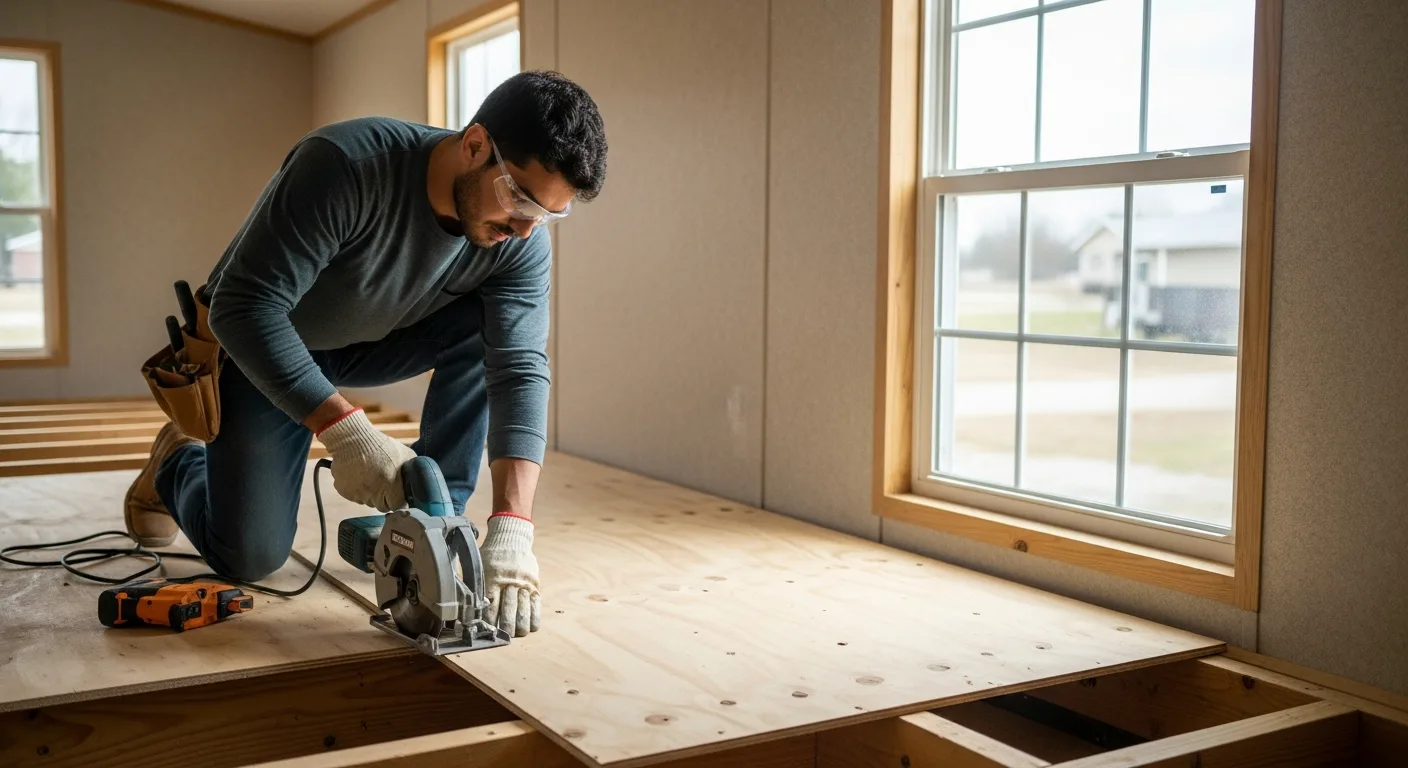
Basic tools include a tape measure, level, drill, saw, and safety gear. For complex projects, consider consulting a guide or professional.