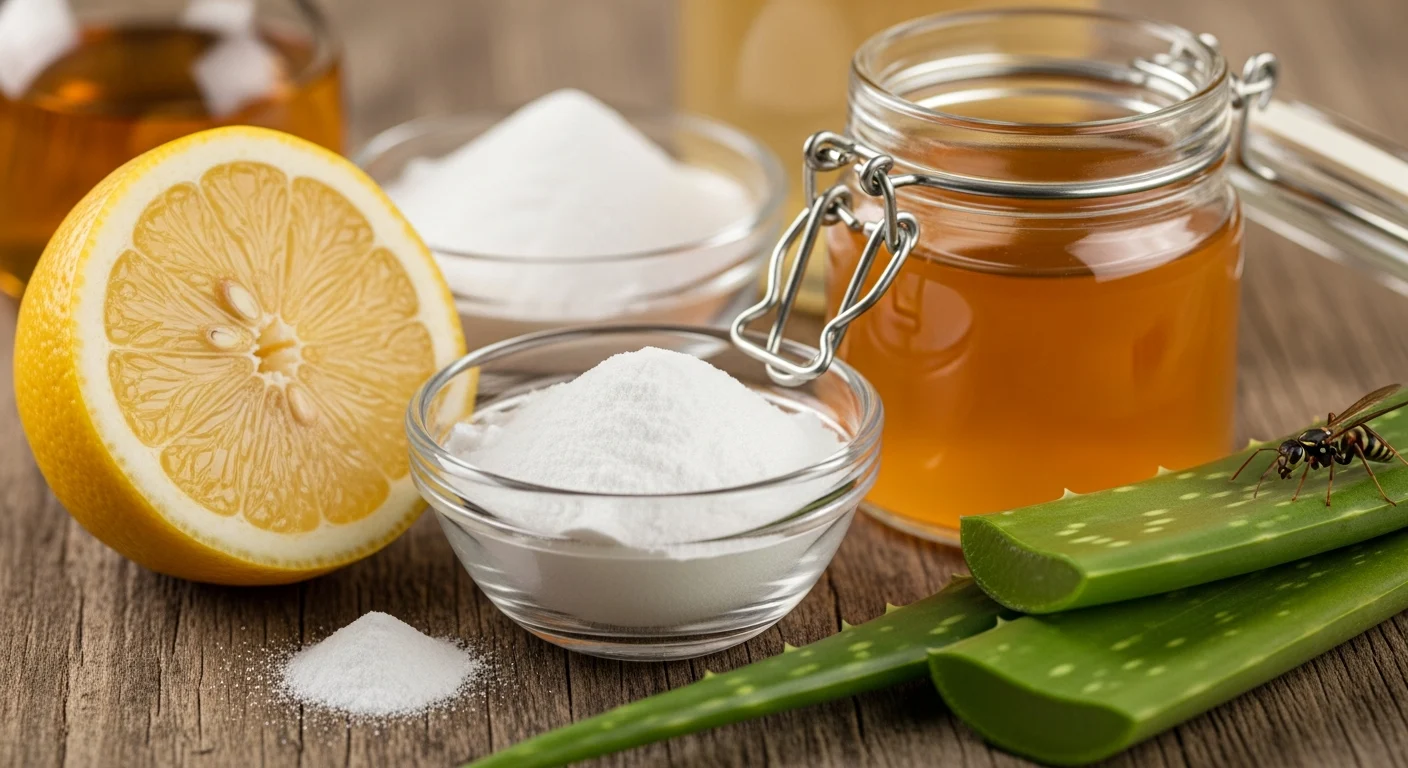
When fire ants or wasps strike, the pain, itching, and swelling can be unbearable, leaving you scrambling for relief. Whether you’re gardening, hiking, or just enjoying your backyard, these common pests can turn a pleasant day into a painful ordeal. While severe reactions require immediate medical attention, many mild to moderate bites and stings can be managed effectively at home with simple, natural remedies. This guide provides a comprehensive look at how to treat fire ant bites and wasp stings using home-based solutions, from immediate first aid to soothing follow-up care. By understanding the differences between these insects and their venom, you can tailor your approach for faster healing and comfort. For more on handling pet-related emergencies, check out our guide to cat breathing difficulties.
For quick relief from fire ant bites or wasp stings at home, immediately wash the area with soap and water, apply a cold compress to reduce swelling, and use natural remedies like baking soda paste or aloe vera gel to soothe itching and pain. Avoid scratching to prevent infection.
Understanding Fire Ant Bites vs. Wasp Stings
Fire ants and wasps deliver painful encounters, but their mechanisms and venom differ, affecting how you should treat them. Fire ants are aggressive insects that bite to latch on and then sting repeatedly, injecting alkaloid venom that causes intense burning, itching, and raised pustules. In contrast, wasps sting once (unless provoked) with a smooth stinger, releasing protein-based venom that leads to sharp pain, redness, and swelling. Knowing these distinctions helps in choosing the right home remedies. For instance, fire ant bites often benefit from alkaline-based treatments to neutralize their acidic venom, while wasp stings may respond better to anti-inflammatory approaches. If you’re dealing with other pest issues, our DIY centipede control guide offers additional tips.
- Fire Ant Bites: Multiple stings per ant, alkaloid venom, causes pustules and intense itching.
- Wasp Stings: Single sting per wasp, protein-based venom, results in immediate pain and swelling.
- Key Difference: Fire ant venom is acidic, while wasp venom is alkaline-neutral.
Immediate First Aid for Insect Bites and Stings
Acting quickly after a bite or sting can minimize discomfort and prevent complications. Start by moving away from the area to avoid further attacks, especially if wasps are nearby. Remove any stingers left behind by scraping them off with a flat object like a credit card—never use tweezers, as squeezing can release more venom. Clean the affected area with mild soap and water to reduce infection risk, then apply a cold compress or ice pack wrapped in a cloth for 10-15 minutes to ease pain and swelling. Elevate the limb if possible, and avoid scratching, which can lead to infections. For more on home safety and maintenance, explore our AC troubleshooting article.
- Move to a safe location away from insects.
- Scrape off stingers with a flat object.
- Wash with soap and water.
- Apply a cold compress for 10-15 minutes.
- Elevate the area to reduce swelling.
Top Home Remedies for Fire Ant Bites
Fire ant bites respond well to home remedies that neutralize their acidic venom and soothe inflammation. A baking soda paste made by mixing baking soda with water can be applied directly to the bites to reduce itching and draw out toxins. Aloe vera gel, known for its cooling properties, helps calm the skin and promote healing. For persistent itching, an oatmeal bath or a paste of crushed aspirin mixed with water can provide relief. Essential oils like tea tree or lavender oil, diluted with a carrier oil, offer anti-inflammatory benefits. Remember to test a small area first for allergies. If you’re interested in natural pet care, our dog mange treatment guide covers similar approaches.
| Remedy | How to Use | Benefits |
|---|---|---|
| Baking Soda Paste | Mix with water, apply to bites for 10-15 minutes | Neutralizes acid, reduces itching |
| Aloe Vera Gel | Apply directly from plant or bottle | Cools skin, soothes inflammation |
| Oatmeal Bath | Add colloidal oatmeal to lukewarm water, soak for 20 minutes | Relieves itching and irritation |
| Essential Oils | Dilute with carrier oil, dab on bites | Anti-inflammatory, antimicrobial |
Effective Home Remedies for Wasp Stings
Wasp stings require remedies that address pain and swelling from their venom. A paste of meat tenderizer containing papain can break down venom proteins when applied for 15-20 minutes. Apple cider vinegar, with its acidic properties, helps neutralize the sting’s effects—soak a cotton ball and hold it on the area. Honey acts as a natural antibacterial and can be spread thinly over the sting to reduce inflammation. For quick relief, a slice of onion or a dab of toothpaste (non-gel) may provide temporary soothing. Always monitor for signs of severe allergic reactions, such as difficulty breathing, and seek medical help if needed. For other home health tips, see our at-home ferritin testing guide.
- Meat Tenderizer Paste: Mix with water, apply to sting to degrade venom.
- Apple Cider Vinegar: Use as a compress to neutralize alkalinity.
- Honey: Apply a thin layer for its anti-inflammatory properties.
- Onion Slice: Place on sting to draw out toxins and reduce pain.
Preventing Infections and Promoting Healing
After initial treatment, focus on preventing infections and supporting skin recovery. Keep the bite or sting clean by washing daily with mild soap and patting dry. Apply over-the-counter hydrocortisone cream or calamine lotion to control itching, and cover with a bandage if needed to avoid scratching. Natural antiseptics like witch hazel or diluted tea tree oil can be used to disinfect the area. Stay hydrated and eat foods rich in vitamin C and zinc to boost your immune system. If redness, warmth, or pus develops, consult a healthcare provider, as these may indicate an infection. For more on home wellness, our dental hygiene article offers additional care strategies.
- Wash the area daily with soap and water.
- Use hydrocortisone cream for itching.
- Apply natural antiseptics like witch hazel.
- Keep the area covered with a bandage if necessary.
- Monitor for signs of infection and seek help if needed.
When to Seek Medical Attention
While home remedies are effective for mild cases, severe reactions require professional care. Seek immediate medical attention if you experience symptoms of anaphylaxis, such as difficulty breathing, swelling of the face or throat, dizziness, or a rapid heartbeat. For fire ant bites or wasp stings that cover a large area, cause intense pain, or show signs of infection (e.g., increasing redness, pus, fever), consult a doctor. Individuals with known allergies to insect venom should carry an epinephrine auto-injector and use it as directed. In such emergencies, home treatment is not a substitute for medical intervention. For insights into other emergency scenarios, refer to our dog ear hematoma guide.
FAQs: Home Remedies for Fire Ant Bites and Wasp Stings
What is the fastest home remedy for fire ant bites?
Applying a baking soda paste mixed with water directly to the bites can provide quick relief by neutralizing the acidic venom and reducing itching within minutes.
How can I treat a wasp sting at home naturally?
Use a meat tenderizer paste or apple cider vinegar compress to break down venom proteins and soothe the sting, along with cold compresses to reduce swelling.
Are there any risks to using home remedies for insect bites?
Yes, if you have allergies to ingredients like essential oils or if the bite shows signs of infection, it’s best to avoid home treatments and consult a doctor.
How long do fire ant bites take to heal with home care?
With proper home remedies, fire ant bites typically heal within 3-7 days, but avoid scratching to prevent delays and infections.
Can I use vinegar for both fire ant bites and wasp stings?
Vinegar is more effective for wasp stings due to its acidic nature, while baking soda works better for fire ant bites to counter their alkaloid venom.
What should I do if a child gets stung by a wasp?
Clean the area, apply a cold compress, and use gentle remedies like honey or aloe vera. Monitor for allergic reactions and seek medical help if symptoms worsen.
How can I prevent fire ant bites in my yard?
Keep your lawn trimmed, remove food sources, and use natural deterrents like diatomaceous earth or citrus peels to reduce ant colonies.