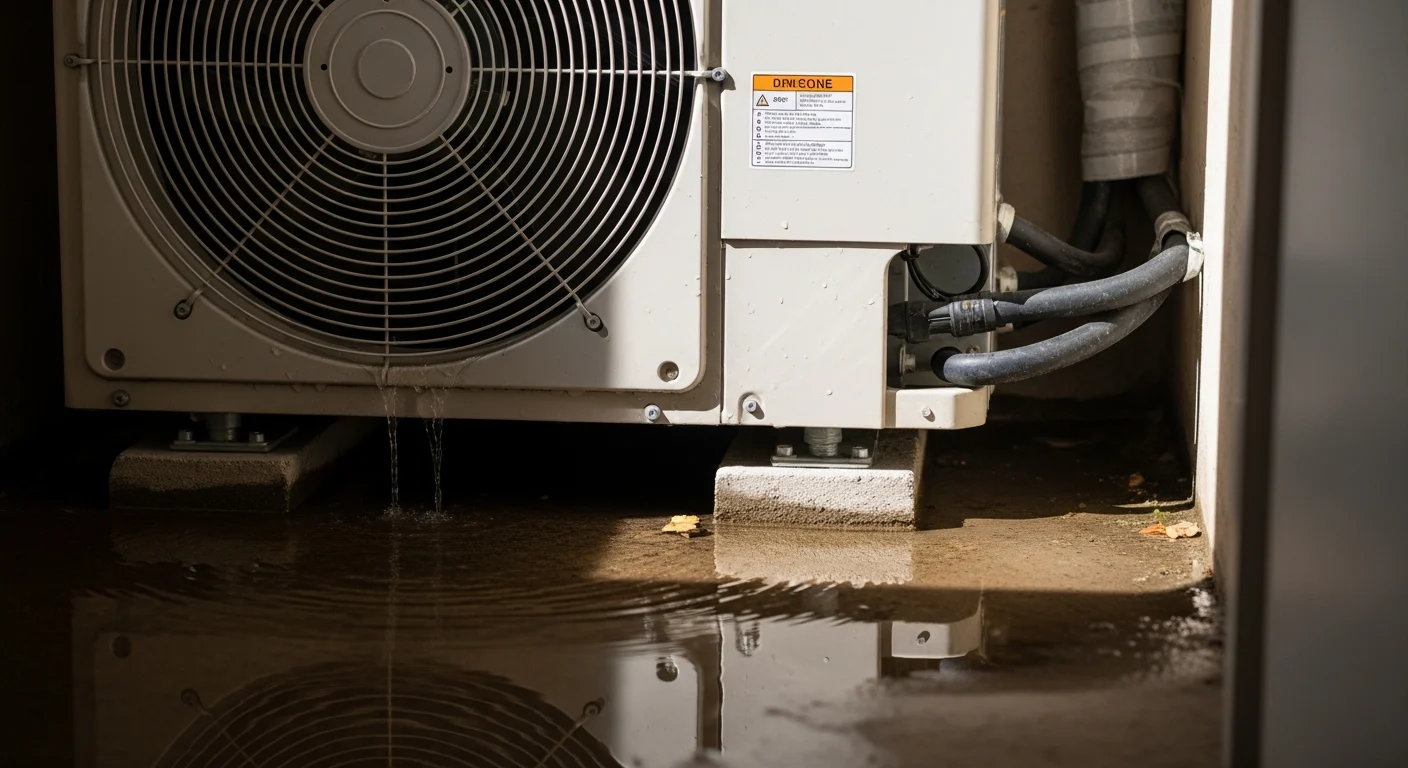
When your home AC starts leaking water, the fan won’t turn, or the unit refuses to power on, it can feel like a household emergency—especially during sweltering summer months. These issues often signal underlying problems with your air conditioner’s components, from clogged drain lines to faulty capacitors. Understanding how to troubleshoot these common AC malfunctions can save you time, money, and discomfort. In this guide, we’ll walk you through practical steps to diagnose and address leaks, fan failures, and startup issues, empowering you to maintain a cool and comfortable home. For broader HVAC insights, check out our home air conditioner troubleshooting guide.
To fix home AC leaking water, first check for a clogged condensate drain line—clear it with a wet/dry vacuum or bleach. If the fan isn’t turning, inspect the capacitor and motor for damage. For a unit that won’t turn on, verify the thermostat settings, circuit breaker, and power supply. Regular maintenance, like cleaning filters and coils, can prevent many issues.
Understanding Home AC Leaking Water
Water leakage from your air conditioner is a common issue, often caused by problems in the condensate drainage system. When warm air passes over the evaporator coils, moisture condenses and should drain away through a line. If this process is disrupted, water can accumulate and leak. Here are the primary causes and solutions:
- Clogged Drain Line: Dirt, algae, or mold can block the line. Use a wet/dry vacuum or a mixture of bleach and water to clear it.
- Dirty Air Filter: A clogged filter restricts airflow, causing coils to freeze and then melt, leading to overflow. Replace filters every 1-3 months.
- Damaged Drain Pan: Cracks or rust in the pan can cause leaks. Inspect and replace if necessary.
- Low Refrigerant Levels: This can cause coils to freeze and drip water. A professional should handle refrigerant issues.
Regular maintenance, such as cleaning the drain line annually, can prevent leaks. For more on home water systems, see our guide to in-line water filters.
Troubleshooting Home AC Fan Not Turning
If your home AC fan isn’t turning, it could be due to electrical or mechanical failures. The fan is crucial for circulating air and dissipating heat. Follow these steps to diagnose the problem:
- Check Power Supply: Ensure the unit is plugged in and the circuit breaker hasn’t tripped. Reset if needed.
- Inspect the Capacitor: This component starts the fan motor. Look for bulging or leaking—replace if faulty.
- Test the Fan Motor: Use a multimeter to check for continuity. If it’s burned out, a replacement is necessary.
- Examine the Thermostat: Faulty settings or wiring can prevent the fan from engaging. Adjust or repair as required.
If the fan still won’t turn, it might be a sign of broader electrical issues. Consider consulting a professional for safety. For related electrical tips, explore our home electrical guide.
Key Home AC Unit Components and Their Functions
Understanding the main components of your home AC unit helps in troubleshooting. Here’s a breakdown of essential parts:
| Component | Function | Common Issues |
|---|---|---|
| Evaporator Coils | Absorb heat from indoor air | Freezing, leaks, dirt buildup |
| Condenser Coils | Release heat outdoors | Clogged with debris, corrosion |
| Compressor | Circulates refrigerant | Overheating, failure to start |
| Blower Fan | Moves air across coils | Motor burnout, capacitor issues |
| Thermostat | Regulates temperature | Inaccurate readings, wiring faults |
Regularly cleaning coils and checking components can extend your AC’s lifespan. For maintenance on other home systems, refer to our mobile home HVAC maintenance guide.
Fixing Home Air Conditioner Will Not Turn On
When your home air conditioner will not turn on, it’s often due to simple issues you can fix yourself. Start with these troubleshooting steps:
- Thermostat Settings: Ensure it’s set to “cool” and the temperature is below room temp. Replace batteries if needed.
- Circuit Breaker: Check the electrical panel for tripped breakers and reset them.
- Power Switch: Verify the unit’s disconnect switch near the outdoor condenser is on.
- Safety Switch: Some ACs have a switch in the drain pan that shuts off if water accumulates—clear any blockages.
- Capacitor or Contactor Issues: These electrical components can fail, preventing startup. Inspect for damage.
If these steps don’t work, the problem might be with the compressor or wiring, requiring professional help. For more on home repairs, see our DIY home repairs guide.
Preventive Maintenance for Home AC Systems
Preventive maintenance reduces the risk of leaks, fan failures, and startup issues. Follow this routine to keep your AC running smoothly:
- Clean or Replace Air Filters: Do this every 1-3 months to maintain airflow.
- Clear Debris Around Condenser: Remove leaves and dirt from the outdoor unit.
- Inspect and Clean Coils: Use a soft brush or coil cleaner annually.
- Check Drain Line: Flush with vinegar or bleach to prevent clogs.
- Schedule Professional Tune-ups: Have a technician inspect refrigerant levels and electrical components yearly.
This proactive approach can save you from costly repairs. For tips on maintaining other home areas, check out our mobile home roofing DIY guide.
Frequently Asked Questions
Why is my home AC leaking water inside?
This is usually due to a clogged condensate drain line, which can be cleared with a vacuum or bleach solution. Other causes include a dirty air filter or damaged drain pan.
What should I do if my AC fan is not spinning?
First, check the capacitor and motor for damage. If they’re faulty, replace them. Also, ensure the thermostat is set correctly and the power supply is intact.
How can I tell if my AC capacitor is bad?
Look for physical signs like bulging or leaking. You can also test it with a multimeter for continuity. A bad capacitor often prevents the fan or compressor from starting.
Why won’t my home air conditioner turn on at all?
Common reasons include tripped circuit breakers, incorrect thermostat settings, or a faulty safety switch. Start by checking these before calling a professional.
Can I fix AC leaks myself?
Yes, for simple issues like clogged drain lines or dirty filters. However, refrigerant-related leaks require a certified technician due to safety and environmental regulations.
How often should I maintain my home AC?
Aim for basic maintenance monthly (e.g., filter checks) and a professional inspection annually to ensure optimal performance and prevent major issues.
What are the signs of a failing AC compressor?
Symptoms include loud noises, reduced cooling, or the unit not turning on. If you suspect compressor failure, contact a professional for diagnosis and repair.
Frequently Asked Questions
Why is my home AC leaking water inside?
This is usually due to a clogged condensate drain line, which can be cleared with a vacuum or bleach solution. Other causes include a dirty air filter or damaged drain pan.
What should I do if my AC fan is not spinning?
First, check the capacitor and motor for damage. If they’re faulty, replace them. Also, ensure the thermostat is set correctly and the power supply is intact.
How can I tell if my AC capacitor is bad?
Look for physical signs like bulging or leaking. You can also test it with a multimeter for continuity. A bad capacitor often prevents the fan or compressor from starting.
Why won't my home air conditioner turn on at all?
Common reasons include tripped circuit breakers, incorrect thermostat settings, or a faulty safety switch. Start by checking these before calling a professional.
Can I fix AC leaks myself?
Yes, for simple issues like clogged drain lines or dirty filters. However, refrigerant-related leaks require a certified technician due to safety and environmental regulations.
How often should I maintain my home AC?
Aim for basic maintenance monthly (e.g., filter checks) and a professional inspection annually to ensure optimal performance and prevent major issues.
What are the signs of a failing AC compressor?
Symptoms include loud noises, reduced cooling, or the unit not turning on. If you suspect compressor failure, contact a professional for diagnosis and repair.