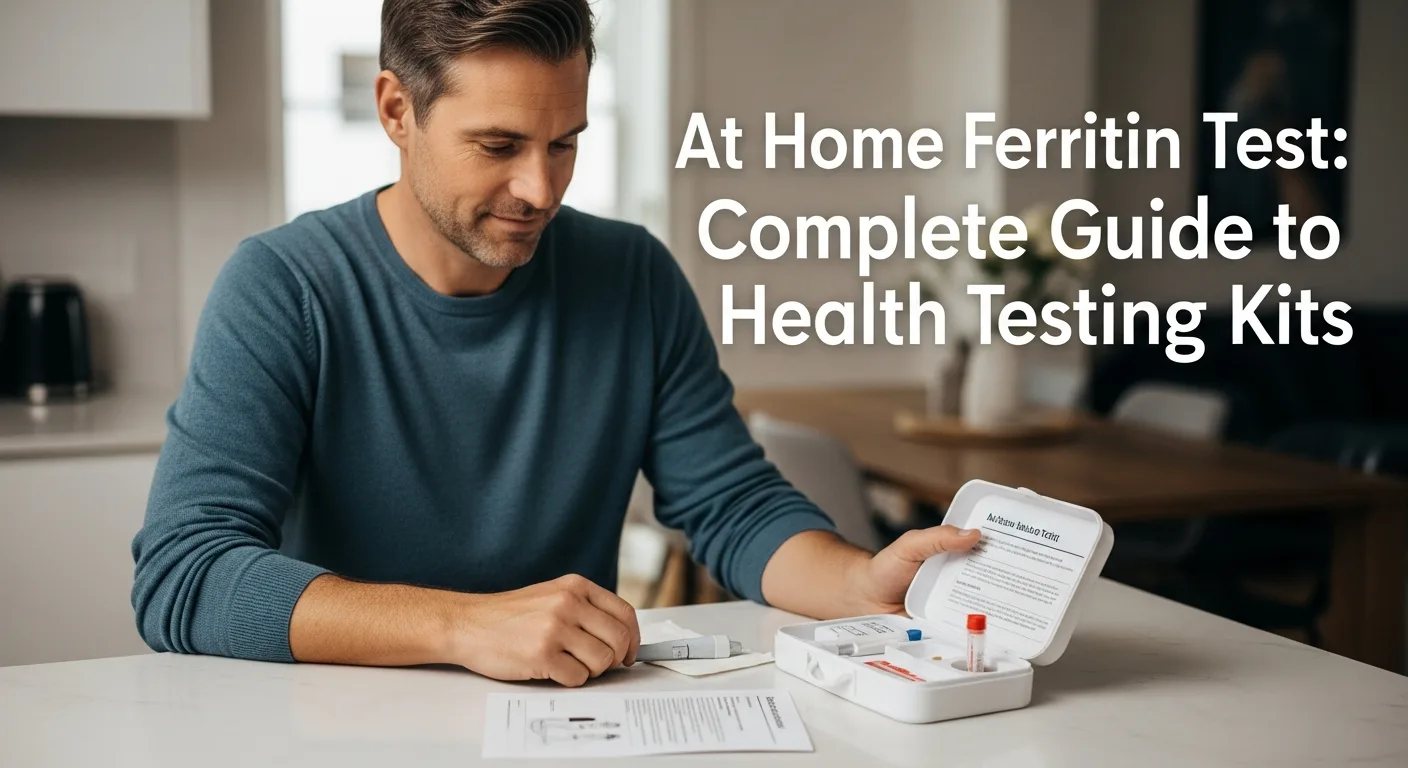
Home health testing has revolutionized how we monitor our wellness, offering privacy and convenience for checking everything from iron levels to hormones. With kits like the at home ferritin test, you can now bypass clinic visits and get insights into your health from your living room. This guide explores the most popular at-home tests, including ferritin, drug, and hormone kits, helping you understand their uses, accuracy, and how to interpret results effectively. Whether you’re managing a chronic condition or just curious about your health metrics, these tools empower you to take control.
An at home ferritin test measures your iron stores via a finger-prick blood sample, with results in days. It’s ideal for checking anemia risk, but for complex issues, consult a doctor. Other popular kits include at home hair drug tests for long-term drug use detection and hormone tests like progesterone, which use saliva or blood samples.
What is an At Home Ferritin Test?
An at home ferritin test is a self-administered kit that measures ferritin levels in your blood, indicating how much iron your body has stored. Low ferritin can signal iron deficiency anemia, causing fatigue and weakness, while high levels might point to inflammation or liver disease. The process typically involves pricking your finger to collect a small blood sample, mailing it to a lab, and receiving digital results within a few days. These tests are convenient for initial screenings, especially if you experience symptoms like constant tiredness or pale skin. However, they’re not a replacement for professional diagnosis—if results are abnormal, follow up with a healthcare provider for further evaluation and treatment. For broader home health monitoring, consider integrating these tests with other tools like air quality assessments to ensure a holistic approach to wellness.
Popular Types of Home Health Testing Kits
Beyond ferritin, home testing kits cover a wide range of health metrics. Here are the most common categories:
- Ferritin and Iron Tests: Check for anemia or iron overload; examples include LetsGetChecked and Everlywell.
- At Home Hair Drug Test: Detects drug use over the past 90 days by analyzing hair follicles, often used for employment or personal monitoring.
- Hormone Tests: Measure levels like progesterone, estrogen, or testosterone; kits like Modern Fertility offer insights into reproductive health.
- POTS Test Kits: Help screen for Postural Orthostatic Tachycardia Syndrome through heart rate monitoring, though these often require medical guidance.
- General Wellness Panels: Combine multiple markers, such as cholesterol or vitamin D, for a comprehensive health snapshot.
These kits vary in accuracy and purpose, so it’s crucial to choose one that matches your needs. For instance, if you’re dealing with pet health concerns, you might also explore home remedies for dog eye infections as part of your household care routine.
How to Use Home Testing Kits Accurately
To get reliable results from home health tests, follow these steps carefully:
- Read Instructions Thoroughly: Each kit has specific guidelines for sample collection and handling.
- Prepare Properly: Some tests require fasting or avoiding certain medications; for example, hormone tests might need timing with your menstrual cycle.
- Collect Samples Correctly: Use sterile tools provided, and ensure samples aren’t contaminated—like avoiding touching hair in drug tests.
- Ship Promptly: Mail samples to the lab as directed to prevent degradation.
- Interpret Results with Caution: Compare results to reference ranges provided, and consult a doctor if values are outside normal limits.
Accuracy can be affected by user error, so if you’re unsure, consider professional testing. For more on maintaining a healthy home environment, check out our guide on home water treatment systems to complement your health testing efforts.
Comparing At Home Test Kits: Ferritin, Drug, and Hormone
Here’s a quick comparison of key home testing kits to help you choose:
| Test Type | Sample Method | Turnaround Time | Best For |
|---|---|---|---|
| At Home Ferritin Test | Finger-prick blood | 2-5 days | Anemia screening |
| At Home Hair Drug Test | Hair clipping | 5-7 days | Long-term drug use detection |
| Progesterone Hormone Test | Saliva or blood | 3-7 days | Fertility tracking |
| POTS Screening Kit | Heart rate monitor | Immediate to days | Cardiovascular symptom check |
This table highlights that ferritin tests are fastest for iron issues, while drug tests offer longer detection windows. Always verify that kits are FDA-cleared or CLIA-certified for better reliability. If you’re also interested in home improvements, learn about electrical upgrades to ensure your home supports all your health and safety needs.
Pros and Cons of Home Health Testing
Home testing kits offer significant benefits but come with limitations. Consider these points:
- Pros: Convenience and privacy, lower cost than clinic visits, quick access to results, and empowerment for proactive health management.
- Cons: Risk of user error affecting accuracy, lack of immediate medical interpretation, potential for false positives/negatives, and not suitable for emergencies.
For best results, use these kits as screening tools rather than definitive diagnostics. If abnormal results arise, seek professional care promptly. In cases where you need urgent health solutions, such as handling dental emergencies at home, always prioritize safety and consult experts when needed.
FAQs About Home Health Testing
How accurate is an at home ferritin test?
At home ferritin tests are generally accurate when used correctly, with many kits boasting over 95% reliability compared to lab tests. However, factors like improper sample collection or handling can skew results, so follow instructions closely and confirm with a doctor if concerned.
Can an at home hair drug test detect recent drug use?
No, at home hair drug tests typically detect drug use from the past 90 days, as drugs incorporate into hair growth over time. For recent use (within days), urine or saliva tests are more appropriate, though these are less common in home kits.
How do I test progesterone levels at home?
To test progesterone levels at home, use a hormone test kit that requires a saliva or blood sample, often collected via finger prick. Time the test with your luteal phase if tracking fertility, and mail the sample to a lab for analysis, with results in a few days.
What is an at home POTS test, and how does it work?
An at home POTS test usually involves a heart rate monitor to check for Postural Orthostatic Tachycardia Syndrome by measuring changes when standing up. While it can screen for symptoms, a formal diagnosis requires a tilt-table test and medical evaluation.
Are home health testing kits covered by insurance?
Most home health testing kits are not covered by insurance, as they’re considered elective or screening tools. Check with your provider for exceptions, especially if prescribed by a doctor for a specific condition.
How often should I use an at home ferritin test?
Use an at home ferritin test every 3-6 months if monitoring a known deficiency or as advised by a healthcare provider. For general wellness, once a year may suffice, but adjust based on symptoms like fatigue or dietary changes.
Can home test kits replace doctor visits?
No, home test kits should not replace doctor visits. They’re useful for initial screenings and monitoring, but professional diagnosis and treatment are essential for accurate health management, especially for complex issues.