Historic architecture offers a window into the past, blending cultural influences with practical design. Among the most cherished styles are Dutch Colonial Revival and French Provincial homes, each with distinct characteristics that have shaped residential landscapes for centuries. Whether you’re a homeowner, history enthusiast, or planning a renovation, understanding these styles can enrich your appreciation and guide your decisions. This guide delves into their origins, key features, and modern relevance, helping you navigate the world of hip roof homes and elegant facades. For those interested in broader historic styles, our article on French Colonial homes and other cultural designs provides additional context.
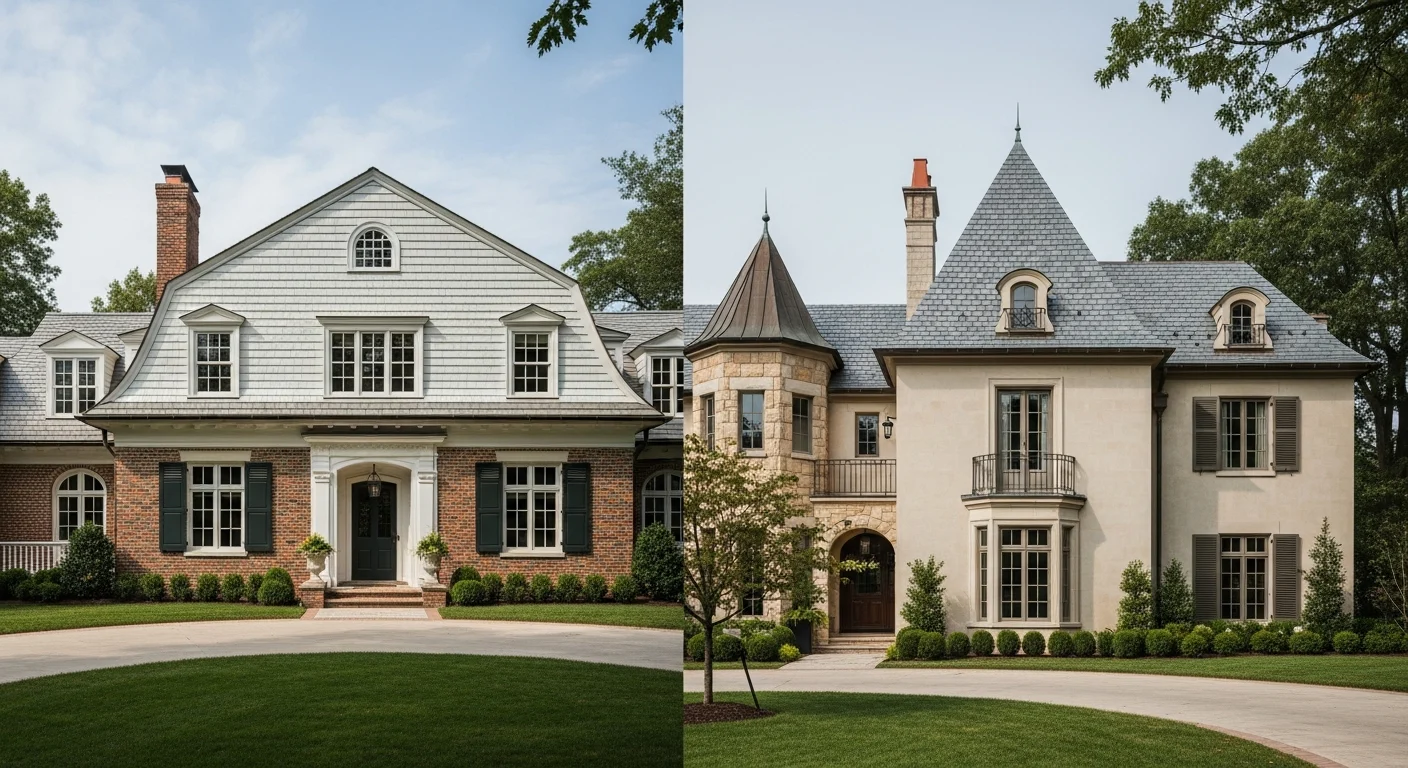
Dutch Colonial Revival homes are characterized by gambrel or hip roofs, often with flared eaves, while French Provincial homes feature symmetrical facades, steep roofs, and brick or stone exteriors. Both styles emphasize historic charm and are popular in suburban and rural settings.
What Are Dutch Colonial Revival Homes?
Dutch Colonial Revival homes emerged in the late 19th and early 20th centuries, inspired by early Dutch settlers in America. They are known for their practical yet charming designs, often featuring:
- Gambrel or hip roofs: These roofs provide extra attic space and a distinctive silhouette.
- Flared eaves: Overhangs that extend outward, adding visual interest and protection from the elements.
- Clapboard or shingle siding: Traditional materials that enhance the rustic appeal.
- Symmetrical facades: Balanced windows and doors for a cohesive look.
These homes were popularized during the Colonial Revival movement, which sought to romanticize America’s past. Today, they remain sought-after for their versatility and historic value. If you’re considering a custom build, our custom home building process guide offers insights into incorporating such styles.
Key Features of French Provincial Homes
French Provincial homes, also known as French Country, draw from rural French architecture of the 1600s. They exude elegance and simplicity, with features like:
- Steep hip roofs: Often made of slate or tile, these roofs shed snow and rain efficiently.
- Brick or stone exteriors: Durable materials that age gracefully.
- Symmetrical design: Balanced windows and a centered front door.
- Tall, narrow windows: Sometimes with shutters, adding to the European charm.
These homes are ideal for those seeking a timeless aesthetic with functional layouts. For more on designing compact spaces, check out our 600 sq ft home design concepts.
Comparing Dutch Colonial and French Provincial Styles
While both styles offer historic appeal, they differ in origins and details. Use this table to compare key aspects:
| Feature | Dutch Colonial Revival | French Provincial |
|---|---|---|
| Roof Type | Gambrel or hip roof | Steep hip roof |
| Exterior Materials | Clapboard, shingle | Brick, stone |
| Origin | American (Dutch settlers) | French rural |
| Common Era | Late 1800s-early 1900s | 1600s onwards |
| Typical Setting | Suburban, rural | Countryside, estates |
Understanding these differences can help you choose a style that fits your lifestyle and location. For those dealing with structural issues in older homes, our home foundation cracks repair guide is a valuable resource.
Historic Home Floor Plans and Layouts
Historic home floor plans often prioritize functionality and family living. Common elements include:
- Central hallways: For easy circulation between rooms.
- Formal living and dining rooms: Reflecting social customs of the time.
- Efficient kitchens: Originally smaller, now often updated for modern use.
- Attic or basement spaces: Used for storage or additional living areas.
In Dutch Colonial Revival homes, the gambrel roof allows for expansive attic spaces, perfect for bedrooms or offices. French Provincial homes may feature grand staircases and high ceilings. If you’re planning a renovation, consider home electrical upgrades to ensure safety and efficiency.
Preservation and Modern Adaptations
Preserving historic homes requires balancing authenticity with modern comforts. Key tips include:
- Research original materials: Use period-appropriate siding, windows, and roofing.
- Update systems carefully: Integrate modern HVAC and plumbing without compromising structure.
- Maintain exterior integrity: Preserve features like hip roofs and symmetrical designs.
- Consult preservation experts: For guidance on regulations and best practices.
Modern adaptations might involve adding energy-efficient windows or open-concept layouts while retaining historic charm. For seasonal upkeep, our seasonal home maintenance guide covers essential tasks.
Why Choose These Styles Today?
Dutch Colonial Revival and French Provincial homes offer enduring appeal due to:
- Timeless aesthetics: Their classic designs never go out of style.
- Durability: Built with quality materials that withstand the test of time.
- Cultural significance: Connecting homeowners to historical narratives.
- Versatility: Adaptable to various settings, from urban lots to rural estates.
Whether you’re buying, building, or renovating, these styles provide a solid foundation for a beautiful home. For more on historic and modern designs, explore our Gothic Revival home plans and other styles.
Frequently Asked Questions
What is the difference between Dutch Colonial and Dutch Colonial Revival?
Dutch Colonial refers to original homes built by Dutch settlers in the 1600s-1700s, while Dutch Colonial Revival is a later architectural movement (late 1800s-early 1900s) that reinterpreted those styles with modern materials and designs.
Are French Provincial homes expensive to maintain?
They can be, due to materials like brick and slate roofs, but proper upkeep and seasonal maintenance can reduce long-term costs. Regular inspections are key.
Can I add modern amenities to a historic home?
Yes, but it’s best to work with professionals to preserve historic integrity. Upgrades like electrical systems should be done carefully to avoid damage.
What are common roof types in these styles?
Dutch Colonial Revival often uses gambrel or hip roofs, while French Provincial typically features steep hip roofs. Both are functional and aesthetic choices.
How do I find historic home floor plans?
Look through architectural archives, books, or online resources. For custom builds, our custom home building guide includes planning tips.
Are these styles energy-efficient?
Original designs may lack modern insulation, but renovations can improve efficiency. Adding storm windows or updating HVAC systems helps, as detailed in our HVAC troubleshooting guide.
What regions are these homes most common in?
Dutch Colonial Revival is prevalent in the Northeastern U.S., while French Provincial is found in areas with French influence, like Louisiana or upscale suburbs nationwide.
Can I build a new home in these styles?
Absolutely! Many builders offer plans inspired by historic architecture. Focus on key features like hip roofs and symmetrical layouts for authenticity.
Frequently Asked Questions
What is the difference between Dutch Colonial and Dutch Colonial Revival?
Dutch Colonial refers to original homes built by Dutch settlers in the 1600s-1700s, while Dutch Colonial Revival is a later architectural movement (late 1800s-early 1900s) that reinterpreted those styles with modern materials and designs.
Are French Provincial homes expensive to maintain?
They can be, due to materials like brick and slate roofs, but proper upkeep and seasonal maintenance can reduce long-term costs. Regular inspections are key.
Can I add modern amenities to a historic home?
Yes, but it’s best to work with professionals to preserve historic integrity. Upgrades like electrical systems should be done carefully to avoid damage.
What are common roof types in these styles?
Dutch Colonial Revival often uses gambrel or hip roofs, while French Provincial typically features steep hip roofs. Both are functional and aesthetic choices.
How do I find historic home floor plans?
Look through architectural archives, books, or online resources. For custom builds, our custom home building guide includes planning tips.
Are these styles energy-efficient?
Original designs may lack modern insulation, but renovations can improve efficiency. Adding storm windows or updating HVAC systems helps.
What regions are these homes most common in?
Dutch Colonial Revival is prevalent in the Northeastern U.S., while French Provincial is found in areas with French influence, like Louisiana or upscale suburbs nationwide.
Can I build a new home in these styles?
Absolutely! Many builders offer plans inspired by historic architecture. Focus on key features like hip roofs and symmetrical layouts for authenticity.