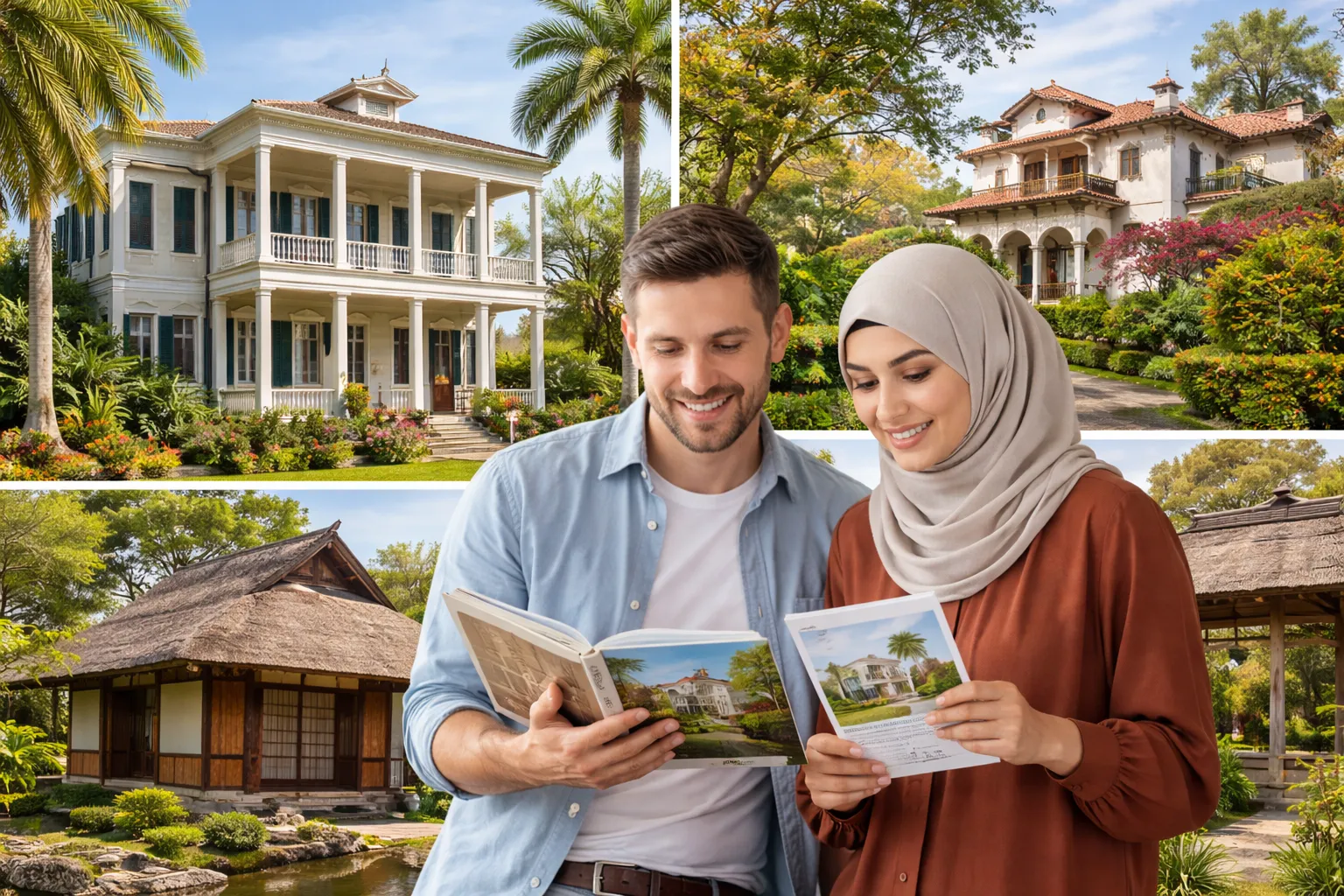
From the elegant verandas of French colonial homes to the intricate designs of Second Empire architecture and the sustainable structures of Native American tribes like the Cherokee and Creek, cultural and historic homes offer a window into the past. These styles reflect the materials, climates, and social values of their eras, blending functionality with artistic expression. Whether you’re a history buff, a homeowner looking to restore a period property, or simply curious about architectural diversity, understanding these homes enriches our appreciation of heritage. In this guide, we’ll dive into key styles and terminology, providing insights into their origins, features, and modern relevance.
French colonial homes feature raised foundations, wide verandas, and steep roofs, adapted to hot climates. Second Empire homes are known for mansard roofs and ornate details, while Cherokee and Creek Native American homes used natural materials like wood and thatch for practical, communal living.
French Colonial Homes: Elegance in Adaptation
French colonial homes emerged in regions like Louisiana and the Caribbean during the 17th to 19th centuries, blending European design with local needs. These homes were built to withstand humid, tropical climates, often featuring raised foundations to prevent flooding and promote airflow. Key characteristics include wide, wrap-around verandas (or galleries) that provided shade and social space, steeply pitched roofs to shed rain, and symmetrical facades with French doors and shutters. Materials like brick, stucco, and wood were common, reflecting available resources. Today, preserving these homes involves maintaining their structural integrity while updating for modern comfort, similar to considerations in mobile home exteriors where materials and climate adaptation are crucial.
- Raised foundations to combat moisture and pests
- Wide verandas for outdoor living and cooling
- Steep roofs with dormer windows for ventilation
- Symmetrical layouts with central hallways
- Use of local materials like cypress wood and brick
Second Empire Homes: Opulence and Innovation
Second Empire homes, popular in the mid-19th century, are named after the French Second Empire period and are characterized by their distinctive mansard roofs, which provide extra living space in attics. These homes often feature ornate details such as bracketed eaves, decorative moldings, and tall windows, reflecting a desire for grandeur and modernity. They were commonly built in urban areas and used materials like brick and stone. Understanding this style ties into broader architectural trends, much like exploring Victorian home interiors and other historical designs that emphasize craftsmanship and detail.
- Identify the mansard roof with dual-pitched slopes
- Look for decorative elements like cornices and quoins
- Note the use of paired windows and elaborate entryways
- Consider the historical context of industrialization
- Assess preservation needs for original materials
Native American Homes: Cherokee and Creek Dwellings
Cherokee and Creek Native American homes showcase sustainable building practices adapted to the Southeastern United States. The Cherokee often built wattle and daub houses—wooden frames covered with a mixture of clay and grass—while the Creek used similar techniques with thatched roofs. These structures were designed for communal living, with large, open spaces for family gatherings and ceremonies. Key terms include “asi” (Cherokee for house) and “chickee” (a Creek-style open shelter). These homes emphasize harmony with nature, using locally sourced materials that minimized environmental impact. For modern homeowners, integrating such eco-friendly principles can be inspired by smart home setups that prioritize efficiency and sustainability.
| Feature | Cherokee Homes | Creek Homes |
|---|---|---|
| Primary Material | Wattle and daub (wood, clay, grass) | Thatch and wood frames |
| Roof Style | Thatched or bark-covered | Thatched with open sides |
| Layout | Rectangular with central fire pits | Circular or rectangular for communal use |
| Climate Adaptation | Insulated for seasonal changes | Ventilated for hot, humid weather |
Key Terminology in Historic Home Styles
Understanding terminology is essential for appreciating and preserving cultural homes. For French colonial styles, terms like “galerie” (veranda) and “porte-cochère” (carriage entrance) are common. In Second Empire architecture, “mansard roof” and “bracketry” refer to specific design elements. For Native American dwellings, words like “wattle” (woven wood) and “daub” (mud plaster) describe construction methods. This knowledge helps in restoration projects and historical research, similar to learning terms in modern housing options where clarity aids in decision-making.
- Galerie: A wide, covered porch in French colonial homes
- Mansard Roof: A roof with two slopes on all sides, used in Second Empire homes
- Wattle and Daub: A building method using woven wood and mud, common in Cherokee homes
- Chickee: An open-sided shelter used by the Creek tribe
- Symmetry: Balanced design often seen in colonial and classical styles
Preservation and Modern Adaptations
Preserving cultural and historic homes involves balancing authenticity with modern needs. Techniques include using period-appropriate materials, maintaining structural integrity, and incorporating energy-efficient updates. For example, French colonial homes might need roof repairs with original shingles, while Second Empire homes could require restoration of ornate trim. Native American home replicas often focus on sustainable practices. Homeowners can draw inspiration from emergency preparedness guides to protect these valuable structures from damage. Additionally, integrating smart technology can enhance livability without compromising historical character.
- Conduct a historical assessment to identify original features
- Use compatible materials for repairs and renovations
- Incorporate modern amenities like insulation and HVAC discreetly
- Follow local preservation guidelines and regulations
- Educate others about the home’s cultural significance
FAQs About Cultural & Historic Homes
What defines a French colonial home?
French colonial homes are defined by features like raised foundations, wide verandas, steep roofs, and symmetrical designs, adapted to hot, humid climates in regions like Louisiana.
How do Second Empire homes differ from other Victorian styles?
Second Empire homes are distinguished by their mansard roofs, which provide extra attic space, and ornate details like bracketed eaves, setting them apart from other Victorian styles that may emphasize gingerbread trim or asymmetrical layouts.
What materials were used in Cherokee and Creek homes?
Cherokee homes typically used wattle and daub (wooden frames with clay and grass), while Creek homes often featured thatched roofs and open-sided structures made from local wood and plant materials.
Why are verandas important in French colonial architecture?
Verandas, or galleries, in French colonial homes provide shade, promote airflow for cooling, and serve as social spaces, reflecting adaptations to tropical environments.
Can historic homes be updated with modern technology?
Yes, historic homes can be updated with modern technology like smart thermostats or security systems, but it’s important to install them discreetly to preserve the home’s aesthetic and historical integrity.
What are common challenges in preserving Native American dwellings?
Common challenges include sourcing authentic materials, maintaining traditional construction techniques, and protecting structures from environmental damage, while also respecting cultural heritage.
How can I identify a Second Empire home?
Look for a mansard roof with dual-pitched slopes, decorative elements like cornices and quoins, and a generally symmetrical facade, often found in urban settings from the mid-19th century.
Are there eco-friendly lessons from Native American home designs?
Yes, Native American home designs emphasize sustainability through the use of local, natural materials and passive cooling techniques, offering lessons for modern eco-friendly building practices.