Historic home styles tell a story of architectural evolution, from the ornate details of Gothic Revival to the raw concrete of Brutalist architecture and the timeless charm of Colonial brick homes. Whether you’re planning a renovation, building a new home, or simply fascinated by design, understanding these styles can inspire your next project. In this guide, we’ll dive into Gothic Revival home plans, explore the bold aesthetics of Brutalist architecture homes, and uncover the enduring appeal of Colonial home brick and wattle and daub construction. By the end, you’ll have a comprehensive view of how these styles shape our living spaces and cultural heritage.
Gothic Revival home plans feature pointed arches, steep gables, and intricate details, popular in the 19th century. Brutalist architecture homes emphasize raw concrete and geometric forms, emerging in the mid-20th century. Colonial home brick styles include symmetrical designs and durable materials, with wattle and daub homes using woven wood and mud for early construction.
Gothic Revival Home Plans: Ornate and Dramatic Designs
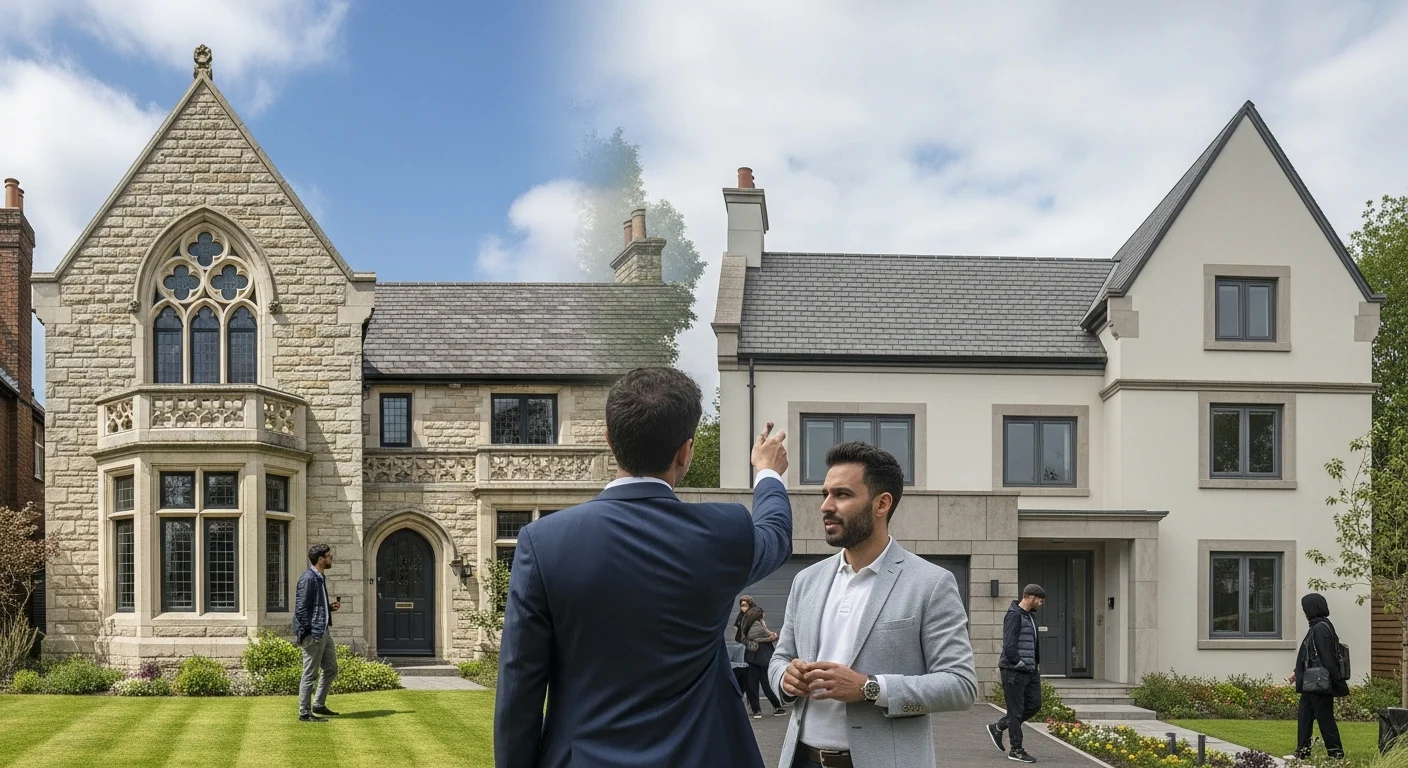
Gothic Revival home plans emerged in the 19th century as a romantic reinterpretation of medieval Gothic architecture. This style is characterized by its dramatic and ornate features, making it a favorite for those seeking a historic yet striking home. Key elements include pointed arches, steeply pitched roofs, and decorative tracery. These homes often incorporate asymmetrical facades and elaborate woodwork, creating a sense of grandeur. If you’re interested in exploring more architectural styles, Gothic Revival offers a unique blend of history and artistry.
- Pointed arches and windows for a vertical emphasis
- Steep gables and cross-gables to enhance height
- Decorative bargeboards and finials for intricate detailing
- Asymmetrical layouts with towers or turrets
- Use of materials like stone, brick, and wood siding
When planning a Gothic Revival home, consider modern adaptations that blend historic charm with contemporary comfort. For example, incorporating energy-efficient windows into pointed arch designs can maintain aesthetics while improving sustainability. Many homeowners also add modern amenities like smart home systems, which you can learn about in our smart home networking guide, to enhance functionality without compromising style.
Brutalist Architecture Homes: Bold and Minimalist Statements
Brutalist architecture homes, popular from the 1950s to the 1970s, are known for their raw, unadorned concrete surfaces and geometric forms. This style emphasizes functionality and honesty in materials, often evoking a sense of strength and permanence. Key features include monolithic structures, exposed structural elements, and a focus on texture. While controversial, Brutalist homes have seen a resurgence in appreciation for their minimalist and sculptural qualities. For those interested in modern housing options, Brutalist designs offer a unique alternative to traditional styles.
- Use of raw concrete (béton brut) for exterior and interior surfaces
- Geometric shapes like cubes and blocks for a modular look
- Large, repetitive windows to create patterns and light play
- Exposed structural components such as beams and ducts
- Integration with natural landscapes for a harmonious effect
Maintaining a Brutalist home requires attention to concrete care, such as sealing to prevent weathering. Additionally, these homes can benefit from upgrades like efficient HVAC systems, similar to those discussed in our mobile home HVAC guide, to ensure comfort in often stark interiors. Whether you’re renovating or building new, Brutalist architecture offers a bold statement that challenges conventional aesthetics.
Colonial Home Brick and Wattle and Daub Construction
Colonial home brick styles represent a broad category of architecture from the 17th to 19th centuries, characterized by symmetry, durability, and practicality. These homes often feature brick exteriors, central chimneys, and multi-pane windows. In contrast, wattle and daub homes are an earlier construction method using woven wood (wattle) covered with a mixture of mud, clay, and straw (daub). This technique was common in medieval and early Colonial periods, offering insulation and affordability. Understanding these styles can inspire custom home building projects that honor historical techniques.
| Feature | Colonial Brick Homes | Wattle and Daub Homes |
|---|---|---|
| Primary Material | Brick or wood siding | Woven wood and mud mixture |
| Construction Period | 17th-19th centuries | Medieval to early Colonial eras |
| Key Characteristics | Symmetry, central entry, gable roofs | Thatched roofs, timber frames, organic textures |
| Modern Adaptations | Energy-efficient bricks, updated layouts | Eco-friendly materials, reinforced structures |
For homeowners today, Colonial brick homes can be updated with modern insulation and roofing techniques to improve energy efficiency. Similarly, wattle and daub methods inspire sustainable building practices, using natural materials for eco-friendly designs. If you’re tackling DIY home repairs, learning about these historic techniques can provide insights into durable and aesthetic solutions.
Comparing Historic Styles: Design and Practicality
When choosing a historic home style, it’s essential to balance design aesthetics with practical considerations. Gothic Revival home plans offer ornate beauty but may require more maintenance due to intricate details. Brutalist architecture homes provide a minimalist, durable option but can be challenging to modify. Colonial home brick styles are versatile and timeless, while wattle and daub homes emphasize sustainability and traditional craftsmanship. Each style has unique benefits, from the dramatic flair of Gothic to the raw honesty of Brutalist designs.
- Gothic Revival: Ideal for those seeking historic charm and vertical emphasis
- Brutalist: Best for minimalist lovers and fans of concrete aesthetics
- Colonial Brick: Suitable for symmetrical, durable, and adaptable homes
- Wattle and Daub: Perfect for eco-conscious builders and rustic appeal
Incorporating these styles into modern homes often involves blending historic elements with contemporary features. For instance, adding smart home technology to a Colonial brick home can enhance convenience without altering its classic look. Explore more about home emergency preparedness to ensure your historic home is safe and functional. By understanding these styles, you can make informed decisions that reflect your personal taste and lifestyle needs.
FAQs About Historic Home Styles
What are the key features of Gothic Revival home plans?
Gothic Revival home plans typically include pointed arches, steep gables, decorative tracery, and asymmetrical layouts. These elements create a dramatic and historic appearance, often using materials like stone or brick.
How do Brutalist architecture homes differ from other styles?
Brutalist architecture homes emphasize raw concrete, geometric forms, and exposed structural elements. They focus on functionality and material honesty, contrasting with more ornate styles like Gothic Revival.
Why is Colonial home brick so popular?
Colonial home brick is popular due to its durability, symmetry, and timeless appeal. Brick exteriors offer low maintenance and good insulation, making them practical for various climates.
What is wattle and daub construction used for?
Wattle and daub construction uses woven wood covered with a mud mixture for walls. It was common in early homes for its insulation properties and affordability, and it inspires modern eco-friendly building.
Can I mix historic styles in a modern home?
Yes, mixing historic styles can create unique designs. For example, combining Colonial symmetry with Brutalist concrete accents can blend tradition with modernity, but it requires careful planning to maintain cohesion.
Are historic home styles energy-efficient?
Many historic styles can be updated for energy efficiency. Adding insulation, modern windows, and efficient HVAC systems, as discussed in whole home upgrades, can improve performance while preserving aesthetics.
How do I maintain a Gothic Revival home?
Maintain a Gothic Revival home by regularly inspecting woodwork, sealing materials, and updating roofing. Focus on preserving intricate details while incorporating modern repairs for longevity.
What are the costs associated with Brutalist homes?
Brutalist homes can have high construction costs due to concrete work, but they offer durability and low maintenance. Renovations may involve specialized techniques, so budget for potential upgrades.