Choosing Compassion: The Rise of In-Home End-of-Life Care
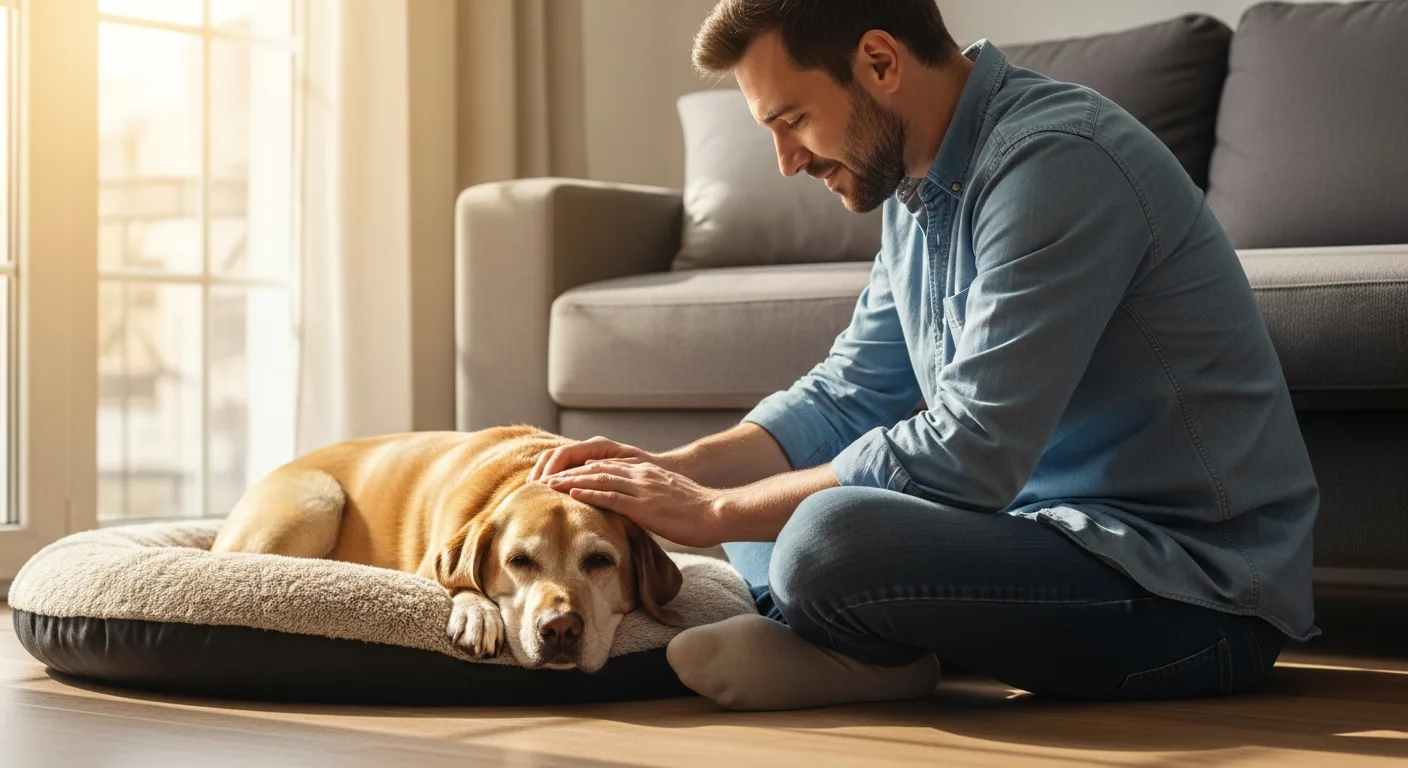
As a devoted pet owner, a man often finds himself facing the most difficult decision of his life when his loyal companion reaches the end of his journey. In recent years, the shift toward at home euthanasia has become a preferred choice for those seeking a more intimate and less stressful environment. Instead of a cold, clinical setting, the pet remains in the comfort of his favorite spot, surrounded by the scents and sounds he knows best.
This approach allows a man to provide a dignified farewell, ensuring that the animal’s final moments are filled with peace rather than the anxiety often associated with a trip to a veterinary clinic. By opting for a house call, the owner can manage his grief in private, without the pressure of a public waiting room.
The Primary Benefits of Saying Goodbye at Home
The advantages of choosing in-home services extend beyond mere convenience. For many pets, especially those with mobility issues or chronic pain, the act of being loaded into a vehicle can be agonizing. By bringing the professional to the home, you eliminate this physical distress.
- Reduced Stress: Pets are highly sensitive to their environment. Staying at home keeps their heart rate lower and their anxiety at bay.
- Personalized Atmosphere: A man can choose to play soft music, light candles, or have the ceremony in the backyard under the pet’s favorite tree.
- Privacy for Grief: It allows the owner to express his emotions freely in a safe space.
- Family Involvement: It provides a controlled environment where everyone can say their final goodbyes at their own pace.
If you are currently managing a pet with a chronic condition, it is helpful to understand how to handle pet emergencies before they reach a crisis point, as this knowledge helps a man stay calm and focused on his pet’s needs.
Understanding the Procedure: What to Expect
When the veterinarian arrives, he will typically spend a few moments getting to know the pet and the owner. The process is designed to be as gentle as possible. Usually, a two-step injection method is used. First, the doctor administers a sedative that allows the pet to fall into a deep, comfortable sleep. This ensures the animal feels no pain or fear.
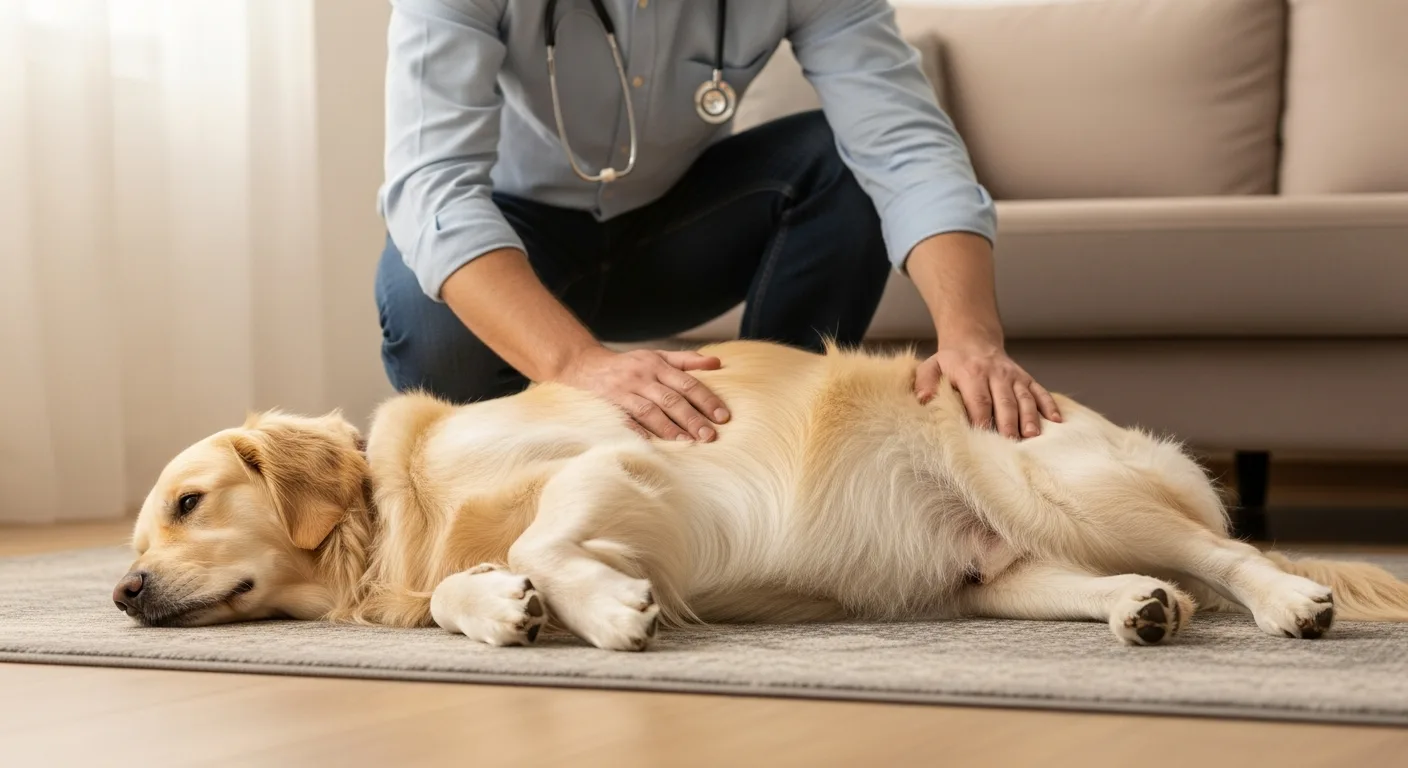
Once the pet is fully relaxed and the owner is ready, the final medication is administered. It is essentially an overdose of anesthesia that quietly stops the heart. The veterinarian will then confirm that the pet has passed. Throughout this time, the doctor remains a supportive figure, explaining each step to the man so he feels informed and supported in his decision.
How to Prepare Your Home and Yourself
Preparation is key to ensuring the day goes as smoothly as possible. A man should decide where he wants the procedure to take place. Whether it is on the living room sofa or a soft bed on the floor, the area should be prepared with absorbent pads and the pet’s favorite blankets. It is also wise to consider the logistics of what happens afterward.
Many mobile veterinary services offer to handle the remains, providing options for private or communal cremation. Understanding the proper protocol for a death at home can help a man navigate the immediate hours following the loss, ensuring that every detail is handled with respect and legality.
Making the Decision: The Quality of Life Scale
Determining the right time is often the hardest part of the process. Veterinarians frequently suggest using a “Quality of Life” scale. A man should observe if his pet still enjoys his food, if he can still move without significant pain, and if he still seeks out social interaction. When the bad days consistently outnumber the good, it may be the most selfless act of love to choose a peaceful passing through at home euthanasia.
Frequently Asked Questions
Is at home euthanasia more expensive than a clinic visit?
Generally, there is a higher cost associated with house calls due to the veterinarian’s travel time and the personalized nature of the service. However, many find the emotional benefits far outweigh the financial difference.
How long does the entire process take?
The appointment usually lasts between 45 to 90 minutes. The veterinarian ensures that nothing is rushed, giving the owner as much time as he needs to say goodbye before and after the procedure.
Can other household pets be present?
Yes, it is often encouraged. Allowing other dogs or cats to see and sniff their companion after he has passed can help them understand the loss and prevent them from searching the house for their friend later.
Will the pet feel any pain?
No. The use of a heavy sedative first ensures the pet is in a state of deep sleep. The final injection is painless and works very quickly, appearing much like falling into a deeper slumber.