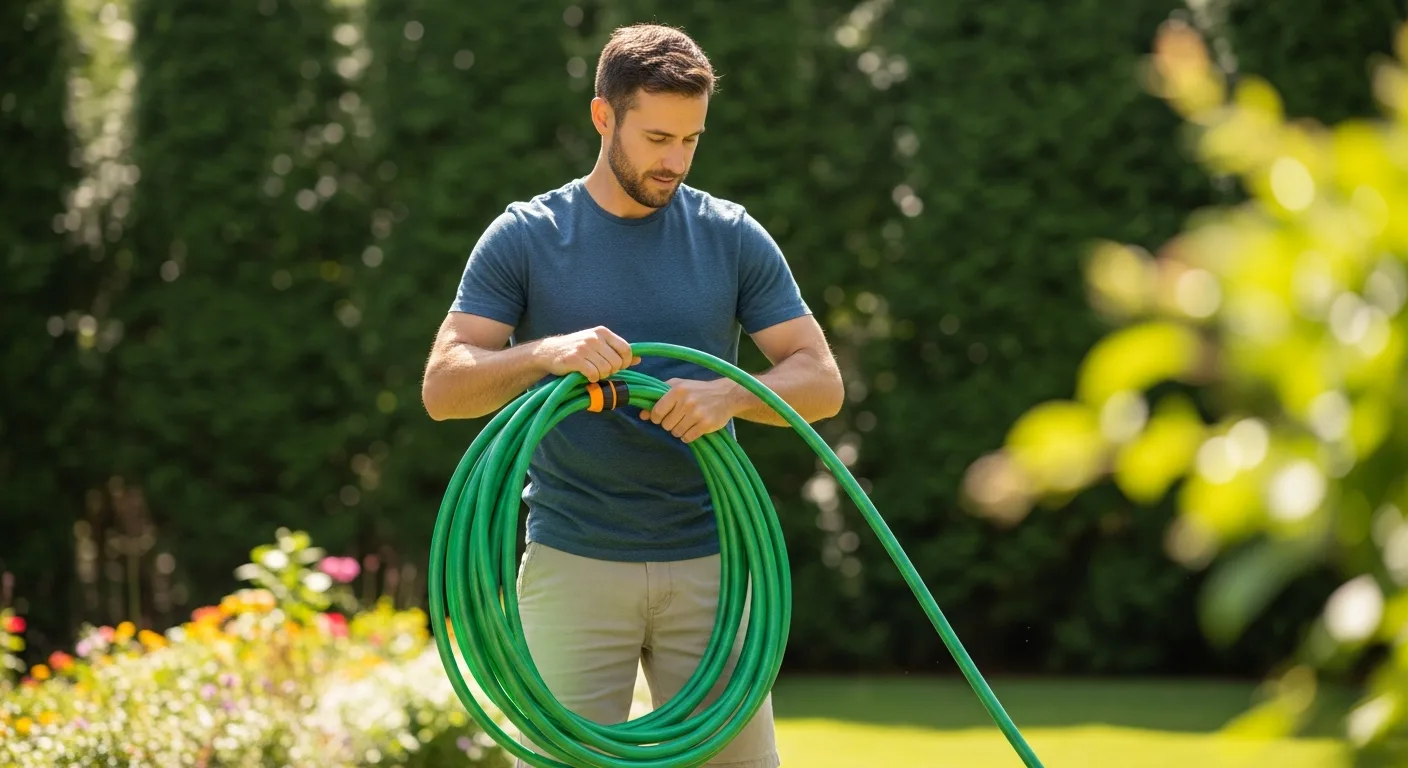
Maintaining a sprawling backyard requires more than just a green thumb; it requires the right equipment to reach every thirsty plant. A 100 ft garden hose is the gold standard for homeowners with medium to large properties. Whether you are watering distant flower beds, washing the car in the driveway, or filling up a backyard pool, that extra length provides the freedom to move without the frustration of being tethered to a short reach.
Why Choose a 100 Ft Garden Hose?
The primary advantage of a 100 ft garden hose is coverage. Most standard hoses come in 25 or 50-foot lengths, which often fall short in suburban lots. With 100 feet, you can typically navigate around corners, through gates, and across large lawns from a single spigot. This eliminates the need for multiple outdoor faucets or the leak-prone practice of daisy-chaining shorter hoses together.
The Importance of Water Pressure
One factor to consider with a longer hose is the drop in pressure. The further water has to travel through a tube, the more friction it encounters, which can result in a weaker stream at the nozzle. If you find that your flow is lackluster, you might want to investigate How to Increase Water Pressure at Home to ensure your long hose performs at its peak capacity.
Materials: Rubber, Vinyl, or Expandable?
When shopping for a 100 ft hose, the material is your most important decision. Each has its own set of pros and cons depending on your climate and usage frequency.
Heavy-Duty Rubber Hoses
Rubber is the traditional choice for professionals and serious gardeners. It is incredibly durable, resistant to kinking, and can handle hot water better than other materials. However, a 100 ft rubber hose can be quite heavy, making a sturdy hose reel a necessity rather than an option.
Lightweight Vinyl Hoses
Vinyl hoses are more affordable and much lighter than rubber. They are easy to maneuver, which is helpful when you are dragging 100 feet of material. The downside is that they are more prone to kinking and may crack if left out in the sun or freezing temperatures for too long.
The Rise of Expandable Hoses
Expandable hoses have become popular because they shrink to a third of their size when the water is turned off. A 100 ft expandable hose is incredibly easy to store. Just be sure to choose one with a multi-layered latex core and high-quality fabric outer shell to prevent snags and bursts.
Essential Features to Look For
Not all 100 ft hoses are created equal. To get the most bang for your buck, look for these specific features:
- Solid Brass Fittings: Avoid plastic connectors. Brass or high-grade aluminum fittings are crush-resistant and less likely to leak over time.
- Kink Resistance: Look for hoses labeled as “kink-free” or those with a high ply count (number of layers).
- UV Protection: If your hose will live on a sunny patio or near Decking for Mobile Homes, UV resistance is vital to prevent the material from becoming brittle.
Maintenance Tips for Your 100 Ft Hose
To ensure your hose lasts for years, never leave it pressurized when not in use. Turn the water off at the spigot and drain the remaining water from the line. During the winter, store your hose indoors to prevent ice from expanding and damaging the inner lining. Using a circular hose reel will also prevent tight coils that lead to permanent kinks.
Frequently Asked Questions
Is a 100 ft hose too long for most yards?
For a standard 1/4 acre lot, a 100 ft hose is usually the perfect size. It allows you to reach all four corners of the property and maneuver around obstacles like sheds or playsets without needing to switch spigots.
Do I need a special reel for a 100 ft hose?
Yes, because of the weight and bulk of a 100 ft hose (especially rubber), a heavy-duty reel is recommended. Look for a wall-mounted or cart-style reel that is specifically rated for at least 100 to 125 feet of hose.
How do I fix a leak in a 100 ft hose?
Most leaks occur at the fittings or due to a small puncture. You can buy hose mender kits at any hardware store. Simply cut out the damaged section and use the mender to join the two clean ends back together.