Maintaining a home wheelchair lift is crucial for ensuring safety, reliability, and compliance with accessibility standards. Whether you’re a homeowner, caregiver, or property manager, understanding the ins and outs of home wheelchair lift maintenance can prevent costly repairs and extend the lifespan of your equipment. This guide covers everything from routine inspections to service contracts, helping you keep your lift in top condition for years to come. For broader accessibility solutions, explore our guide on home elevator kits.
Home wheelchair lift maintenance involves regular inspections, cleaning, and professional servicing to ensure safety and functionality. Key tasks include checking mechanical components, testing safety features, and adhering to manufacturer guidelines. Service contracts provide scheduled maintenance, emergency repairs, and compliance support, offering peace of mind and cost savings over time.
Why Home Wheelchair Lift Maintenance Matters
Proper maintenance of home lifts for disabled individuals is not just about convenience—it’s a safety imperative. Neglecting maintenance can lead to malfunctions, accidents, and costly breakdowns. Regular upkeep ensures that your lift operates smoothly, reduces wear and tear, and complies with legal standards like the Americans with Disabilities Act (ADA). Additionally, well-maintained lifts enhance the user’s independence and quality of life. For related home safety tips, consider reading about home camera without WiFi for offline security.
- Prevents accidents and injuries
- Extends equipment lifespan
- Ensures compliance with regulations
- Reduces long-term repair costs
- Improves user confidence and independence
Essential Home Wheelchair Lift Inspection Checklist
Conducting regular home wheelchair lift inspections is key to identifying issues early. Here’s a step-by-step checklist to follow monthly or as recommended by the manufacturer.
- Visual Inspection: Check for visible damage, rust, or loose parts on the lift structure, platform, and rails.
- Mechanical Components: Inspect gears, belts, and motors for wear and proper lubrication.
- Electrical Systems: Test wiring, switches, and controls for functionality and safety.
- Safety Features: Verify that emergency stops, sensors, and alarms are working correctly.
- Platform and Rails: Ensure the platform moves smoothly and rails are clean and aligned.
- Battery and Power Supply: Check battery charge and power connections for reliability.
For more on maintaining other home systems, see our master home maintenance checklists.
Comparing Home Wheelchair Lift Service Contracts
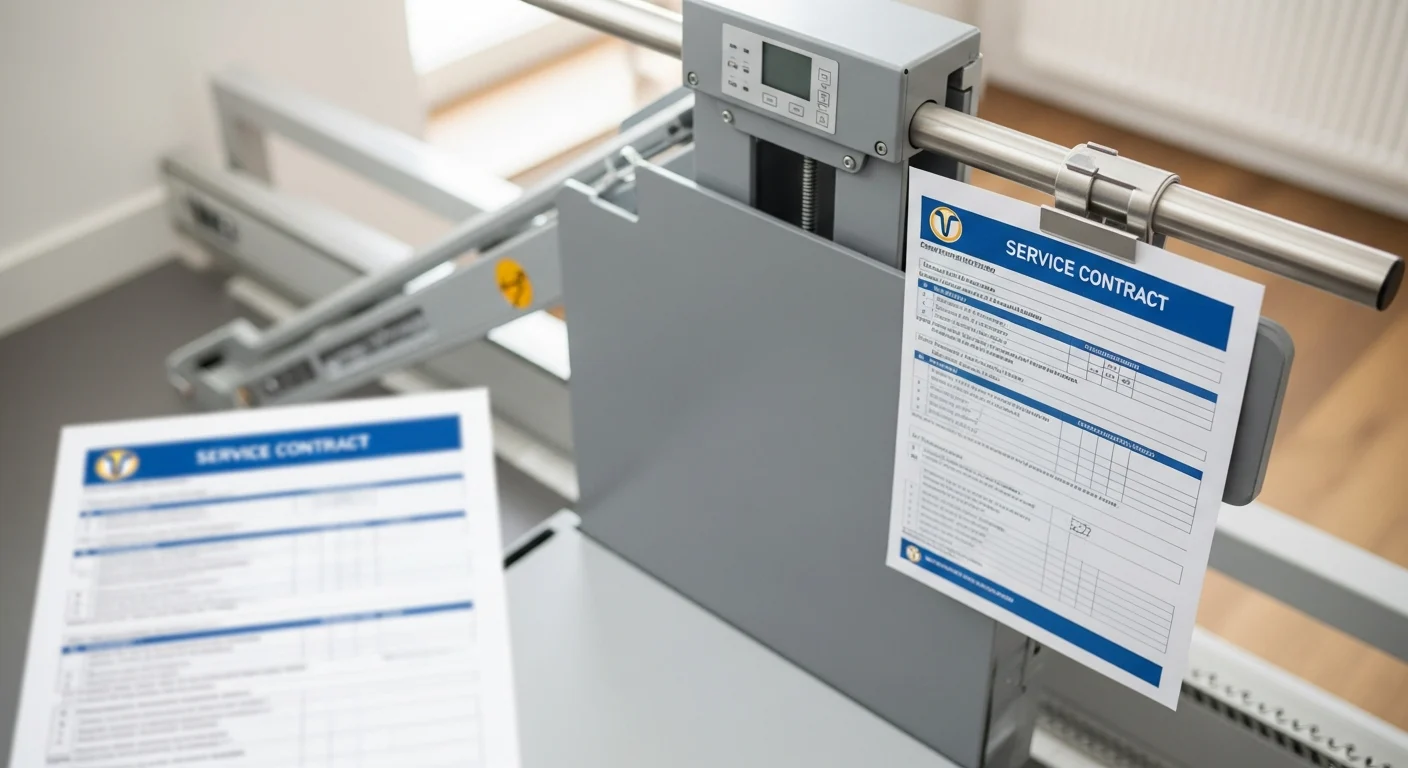
Service contracts for home wheelchair lifts offer structured maintenance plans. Below is a comparison of common contract types to help you choose the best option.
| Contract Type | Coverage | Cost Range | Best For |
|---|---|---|---|
| Basic Maintenance | Scheduled inspections and minor repairs | $200-$500/year | Low-use lifts in good condition |
| Comprehensive Plan | Full inspections, repairs, and parts replacement | $500-$1,200/year | High-use or older lifts |
| Emergency-Only | Repairs for breakdowns only | Pay-per-service | Budget-conscious owners |
| Manufacturer Warranty | Defects and initial issues (time-limited) | Included with purchase | New lift installations |
DIY vs. Professional Maintenance for Home Lifts
While some maintenance tasks can be done DIY, others require professional expertise. Here’s a breakdown to help you decide.
- DIY Tasks: Cleaning, visual inspections, and basic lubrication—always follow manufacturer guidelines.
- Professional Tasks: Electrical repairs, mechanical adjustments, and safety system testing—hire certified technicians.
- Risks of DIY: Voiding warranties, safety hazards, and incorrect repairs leading to bigger issues.
- Benefits of Professionals: Expertise, compliance assurance, and access to specialized tools and parts.
For DIY enthusiasts, our guide on DIY home repairs offers additional tips.
Costs of Home Wheelchair Lift Maintenance
Understanding the costs involved in home wheelchair lift maintenance helps with budgeting. Here are typical expenses.
- Routine Inspections: $100-$300 per visit, depending on lift type and location.
- Repair Services: $200-$1,000+ for parts and labor, e.g., motor replacements or sensor fixes.
- Service Contracts: $200-$1,200 annually, as shown in the table above.
- Emergency Calls: $150-$500 per incident, plus parts costs.
- Replacement Parts: Varies widely; e.g., batteries ($50-$200) or control panels ($100-$500).
FAQs on Home Wheelchair Lift Maintenance
How often should I inspect my home wheelchair lift?
Inspect your home wheelchair lift monthly for basic checks and schedule professional inspections annually or as recommended by the manufacturer. More frequent inspections may be needed for high-use lifts.
What are the signs my home wheelchair lift needs servicing?
Common signs include unusual noises, slow operation, jerky movements, error messages on controls, or safety features not working. Address these issues promptly to prevent accidents.
Are service contracts worth it for home lifts for disabled users?
Yes, service contracts are often worth it as they provide scheduled maintenance, reduce emergency repair costs, and ensure compliance with safety standards, offering peace of mind for users and caregivers.
Can I perform home wheelchair lift maintenance myself?
You can perform basic tasks like cleaning and visual inspections, but avoid complex repairs. Always consult the manual and consider hiring professionals for electrical or mechanical work to ensure safety.
What does a home wheelchair lift service contract typically include?
A typical contract includes regular inspections, lubrication, safety testing, minor repairs, and sometimes emergency support. Coverage varies, so review terms carefully before signing.
How do I choose a reliable service provider for my home lift?
Look for providers with certifications (e.g., from NAEC or ADA), positive reviews, experience with your lift brand, and clear contract terms. Ask for references and compare quotes.
What are the legal requirements for home wheelchair lift maintenance?
Requirements vary by region but often include adherence to ADA standards, regular safety inspections, and compliance with local building codes. Check with authorities or a professional for specifics.
How can I extend the lifespan of my home wheelchair lift?
Extend lifespan by following maintenance schedules, keeping the lift clean, avoiding overloading, using it properly, and addressing issues quickly. For more on home upkeep, see our maintenance checklists.