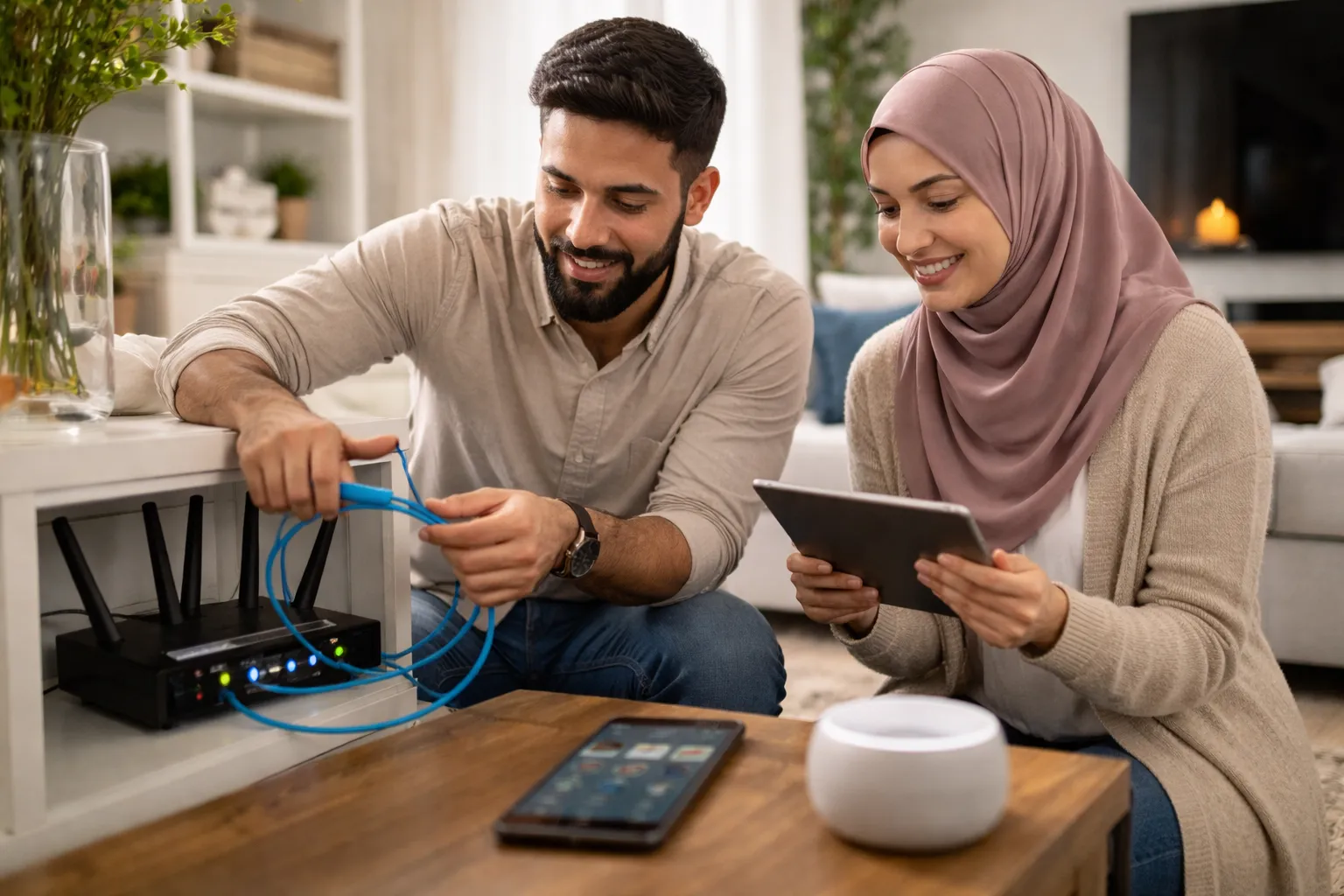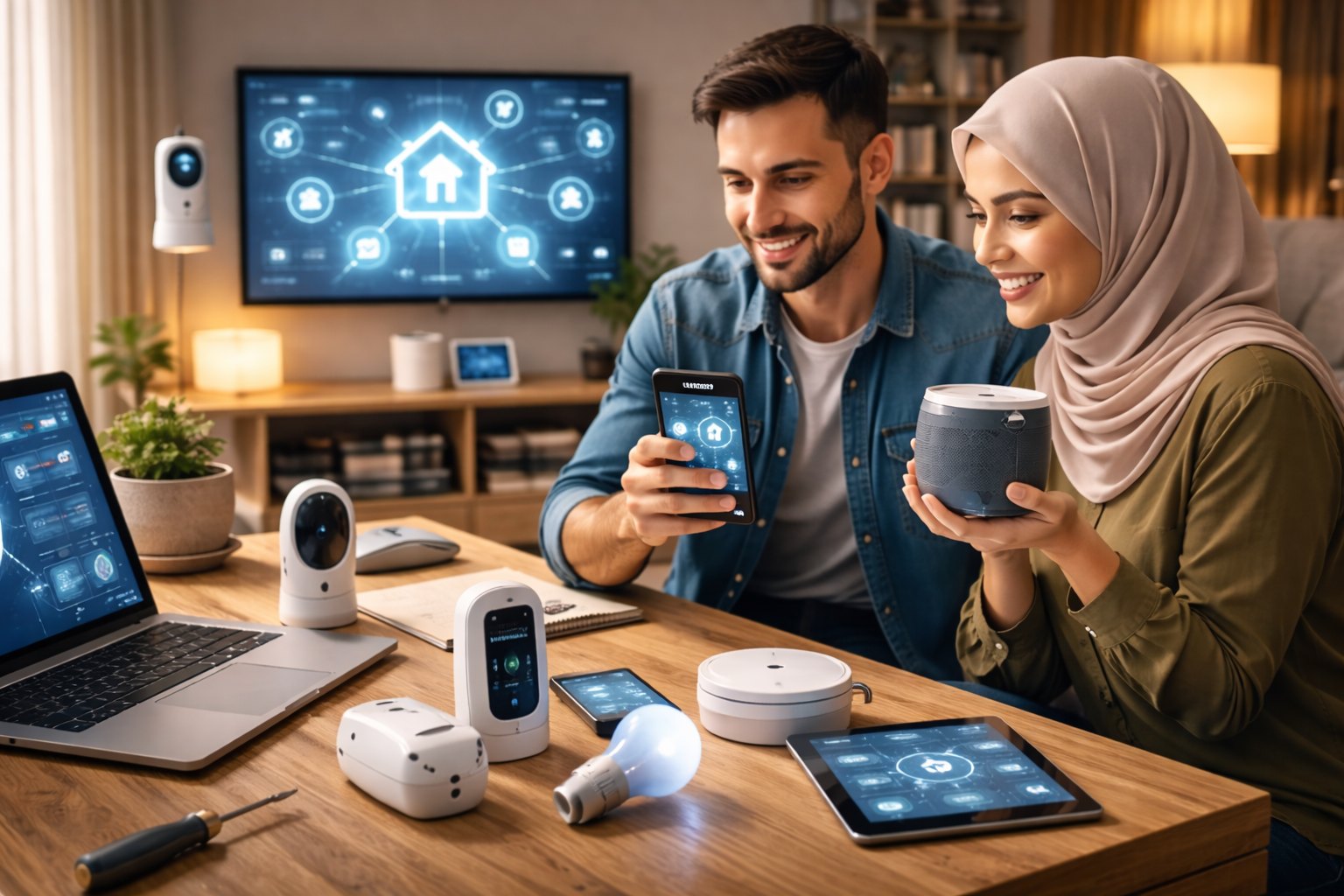
In an era where digital threats loom large, relying solely on WiFi-connected devices for home security can leave you vulnerable to hackers, outages, or even electromagnetic pulses (EMPs). Offline security systems, including cameras without WiFi, offer a resilient alternative that ensures continuous monitoring regardless of internet availability. This guide delves into the essentials of setting up a robust home defense system, covering everything from EMP protection to legal considerations for surveillance. Whether you’re preparing for emergencies or seeking enhanced privacy, understanding these offline solutions is key to safeguarding your property and loved ones. For more on securing your home, explore our guide to upgrading home security with cameras and alarms.
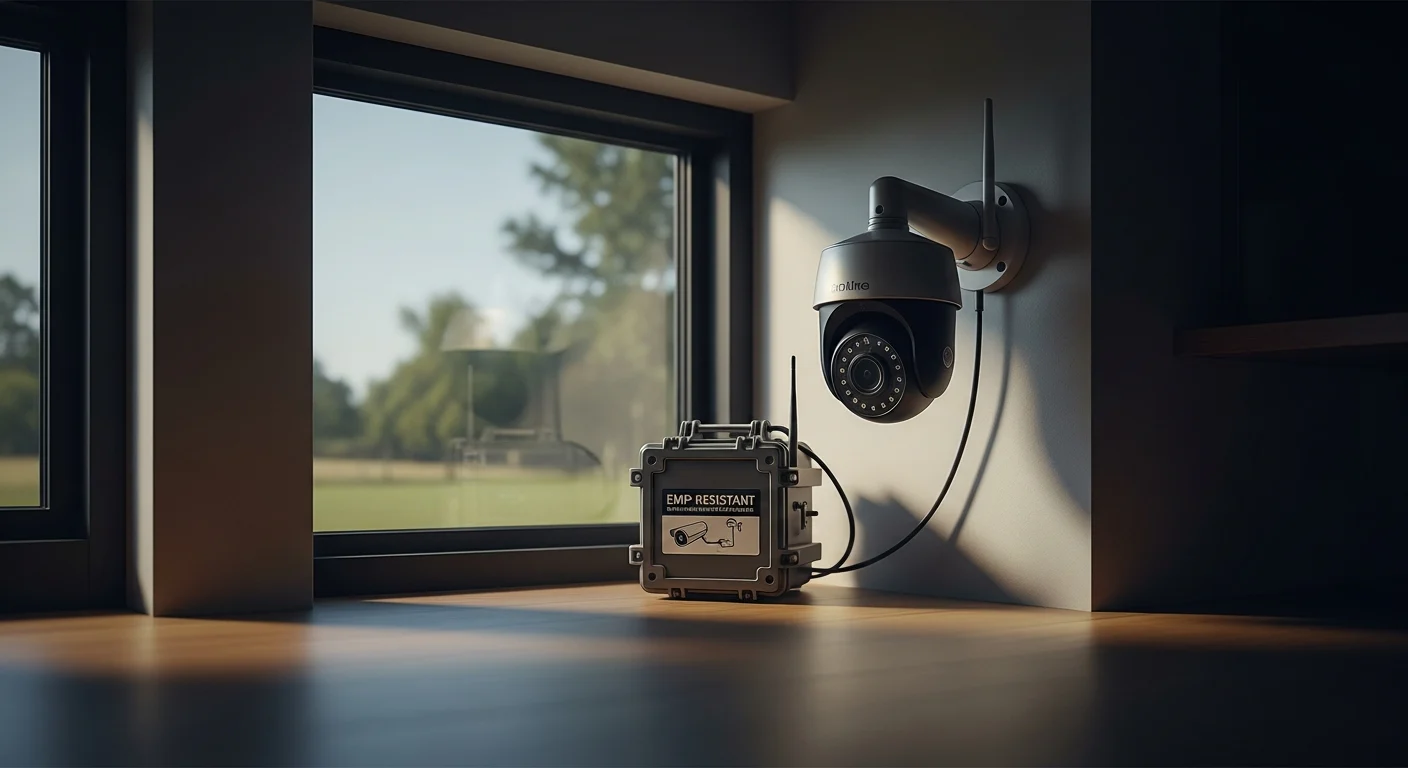
A home camera without WiFi operates offline using local storage like SD cards or DVRs, providing security without internet reliance. Pair it with EMP protection, such as Faraday cages, to shield against electromagnetic threats, ensuring your system remains functional during power outages or cyberattacks.
Why Choose a Home Camera Without WiFi?
WiFi-dependent cameras are convenient but come with risks like hacking, signal interference, and dependency on internet service. Offline cameras eliminate these vulnerabilities by operating independently. They are ideal for remote areas, backup systems, or anyone prioritizing privacy. Key benefits include:
- Enhanced Privacy: No data transmission over the internet reduces hacking risks.
- Reliability: Functions during internet outages or power failures with battery backups.
- Cost-Effective: No monthly subscription fees for cloud storage.
- Legal Compliance: Easier to adhere to local surveillance laws by controlling data locally.
For those interested in broader home safety, our air quality testing guide covers fire safety essentials that complement security measures.
Types of Offline Security Cameras
Selecting the right camera depends on your needs. Here are common types:
- Wired CCTV Cameras: Connect to a DVR via cables for stable, high-quality footage.
- Battery-Powered Cameras: Use SD cards for storage, ideal for temporary setups.
- Solar-Powered Cameras: Combine renewable energy with offline operation for eco-friendly security.
- Trail Cameras: Motion-activated, used for wildlife monitoring or perimeter defense.
Consider factors like resolution, night vision, and weather resistance. For DIY enthusiasts, our DIY home repairs guide includes tips for installing skirting and walls in mobile homes, which can aid in camera placement.
EMP Protection for Home Security Systems
An electromagnetic pulse (EMP) can disable electronic devices, including security cameras. Protecting your system involves:
- Faraday Cages: Enclosures that block electromagnetic fields; store backup cameras or components inside.
- Surge Protectors: Use EMP-rated models to shield against power surges.
- Redundancy: Keep spare cameras and batteries in shielded containers.
- Grounding: Proper electrical grounding reduces EMP impact.
Integrate EMP protection with your overall home electrical guide for rewiring costs and essential upgrades to ensure system resilience.
Home Defense 22: Firearms and Security Integration
“Home defense 22” refers to using .22 caliber firearms for protection, often paired with surveillance. Key considerations:
| Aspect | Details |
|---|---|
| Legal Compliance | Check local laws on firearm storage and use with surveillance. |
| Integration | Use cameras to monitor entry points, alerting you to threats. |
| Safety | Store firearms securely, separate from camera systems to prevent tampering. |
| Training | Combine security monitoring with regular defense drills. |
For secure storage solutions, see our home ammo storage ideas for safes and deposit boxes.
Home Surveillance Laws: What You Need to Know
Installing cameras involves legal responsibilities to avoid privacy violations. Common regulations include:
- Consent Requirements: In many areas, you must notify individuals if recording audio.
- Public vs. Private Areas: It’s generally legal to film your property but illegal to point cameras at neighbors’ private spaces.
- Data Storage: Laws may dictate how long footage can be kept and who can access it.
- Penalties: Violations can result in fines or legal action.
Always consult local authorities or legal experts. For more on home planning, our home addition estimator includes timelines and guides that can help with camera installation layouts.
Setting Up Your Offline Security System
Follow these steps for a comprehensive setup:
- Assess Your Needs: Identify vulnerable areas like doors, windows, and perimeters.
- Choose Cameras: Select offline models with features like motion detection and night vision.
- Install Storage: Use DVRs or SD cards with ample capacity for continuous recording.
- Add EMP Protection: Implement Faraday cages or surge protectors for critical components.
- Test Regularly: Ensure cameras and backups function correctly through routine checks.
For maintenance tips, refer to our master home maintenance checklists for monthly and renovation guides.
Frequently Asked Questions
Can offline cameras work without any internet connection?
Yes, offline cameras operate independently using local storage like SD cards or DVRs, requiring no internet for basic recording and playback functions.
What is EMP protection, and why is it important for home security?
EMP protection involves shielding electronic devices from electromagnetic pulses that can disable them. It’s crucial for ensuring your security system remains operational during emergencies like solar flares or attacks.
Are there legal restrictions on using home surveillance cameras?
Yes, laws vary by location but often require consent for audio recording and prohibit filming private areas of others’ properties. Always check local regulations to avoid legal issues.
How do I integrate firearms like a .22 into my home defense plan?
Combine firearms with surveillance by using cameras to monitor threats, storing guns securely, and training regularly. Ensure compliance with local laws on firearm use and storage.
What are the best storage options for offline camera footage?
Use high-capacity SD cards, DVRs with hard drives, or network-attached storage (NAS) devices kept offline. Regularly back up data to prevent loss.
Can I use solar power for offline security cameras?
Yes, solar-powered cameras are an excellent option for offline operation, providing renewable energy and reducing dependency on electrical grids, especially in remote areas.
How often should I test my offline security system?
Test your system monthly to ensure cameras, storage, and EMP protections are functioning. Include battery checks and footage reviews in your routine.
Frequently Asked Questions
Can offline cameras work without any internet connection?
Yes, offline cameras operate independently using local storage like SD cards or DVRs, requiring no internet for basic recording and playback functions.
What is EMP protection, and why is it important for home security?
EMP protection involves shielding electronic devices from electromagnetic pulses that can disable them. It’s crucial for ensuring your security system remains operational during emergencies like solar flares or attacks.
Are there legal restrictions on using home surveillance cameras?
Yes, laws vary by location but often require consent for audio recording and prohibit filming private areas of others’ properties. Always check local regulations to avoid legal issues.
How do I integrate firearms like a .22 into my home defense plan?
Combine firearms with surveillance by using cameras to monitor threats, storing guns securely, and training regularly. Ensure compliance with local laws on firearm use and storage.
What are the best storage options for offline camera footage?
Use high-capacity SD cards, DVRs with hard drives, or network-attached storage (NAS) devices kept offline. Regularly back up data to prevent loss.
Can I use solar power for offline security cameras?
Yes, solar-powered cameras are an excellent option for offline operation, providing renewable energy and reducing dependency on electrical grids, especially in remote areas.
How often should I test my offline security system?
Test your system monthly to ensure cameras, storage, and EMP protections are functioning. Include battery checks and footage reviews in your routine.