Mobile homes offer affordable living, but their plumbing and insulation systems require special attention due to unique layouts and vulnerabilities. Unlike traditional houses, mobile homes have compact, often exposed underbellies that house critical pipes and insulation, making them prone to freezing, leaks, and energy loss. Understanding the plumbing layout, proper insulation techniques, and regular underbelly care can prevent costly repairs and improve comfort. Whether you’re a homeowner tackling DIY projects or planning a renovation, this guide covers everything from basic plumbing in mobile homes to advanced repiping strategies. For broader home maintenance tips, check out our DIY home repairs guide.
Mobile home plumbing typically features a centralized layout with supply lines running along the underbelly, while insulation underneath uses materials like fiberglass or foam board to prevent freezing and energy loss. Regular underbelly care involves inspecting for leaks, sealing gaps, and adding extra insulation in cold climates to protect pipes and improve efficiency.
Understanding Mobile Home Plumbing Layout
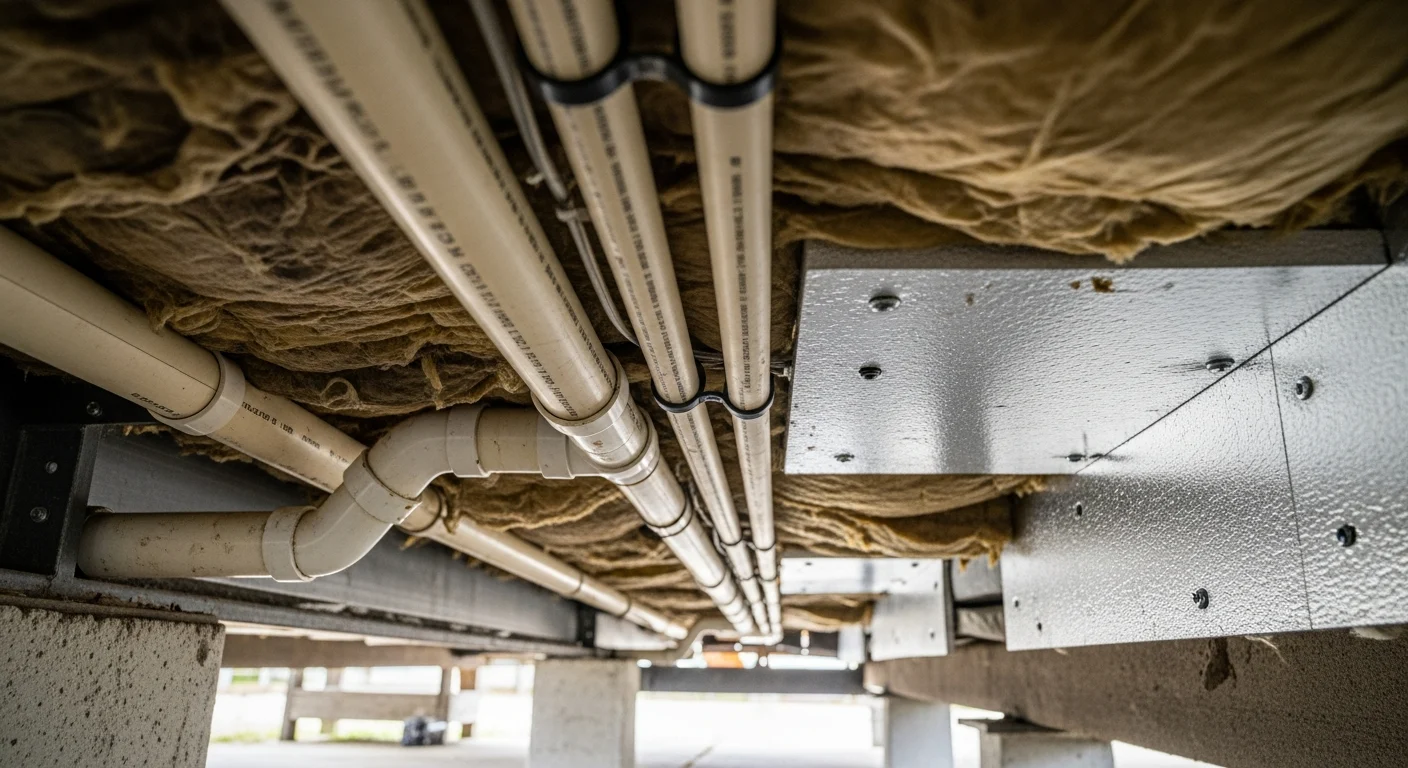
The plumbing layout in mobile homes is designed for efficiency and space-saving, but it differs significantly from site-built homes. Most mobile homes use a centralized system where main supply lines run through the underbelly, branching off to fixtures like sinks, toilets, and showers. Key components include:
- Main Water Line: Enters the home through a skirting access point, often near the utility area.
- Supply Pipes: Typically made of PEX, CPVC, or copper, running along the floor joists in the underbelly.
- Drainage System: Uses PVC pipes that slope downward to a main sewer line, often with fewer vents than traditional homes.
- Water Heater: Usually located in a closet or utility space, connected to hot water lines that parallel cold lines.
Common issues include frozen pipes in winter due to poor insulation and leaks from aging materials. To avoid these problems, consider installing in-line water filters to protect your plumbing system from sediment buildup.
Plumbing in Mobile Homes: Installation and Maintenance
Proper installation and maintenance are crucial for mobile home plumbing longevity. When installing or repairing pipes, follow these steps:
- Plan the Layout: Map out pipe routes to minimize bends and ensure proper slope for drainage.
- Choose Materials: Use PEX for flexibility and freeze resistance, or CPVC for durability.
- Secure Pipes: Attach pipes to floor joists with straps to prevent sagging and damage.
- Test for Leaks: Pressure-test the system before closing up the underbelly.
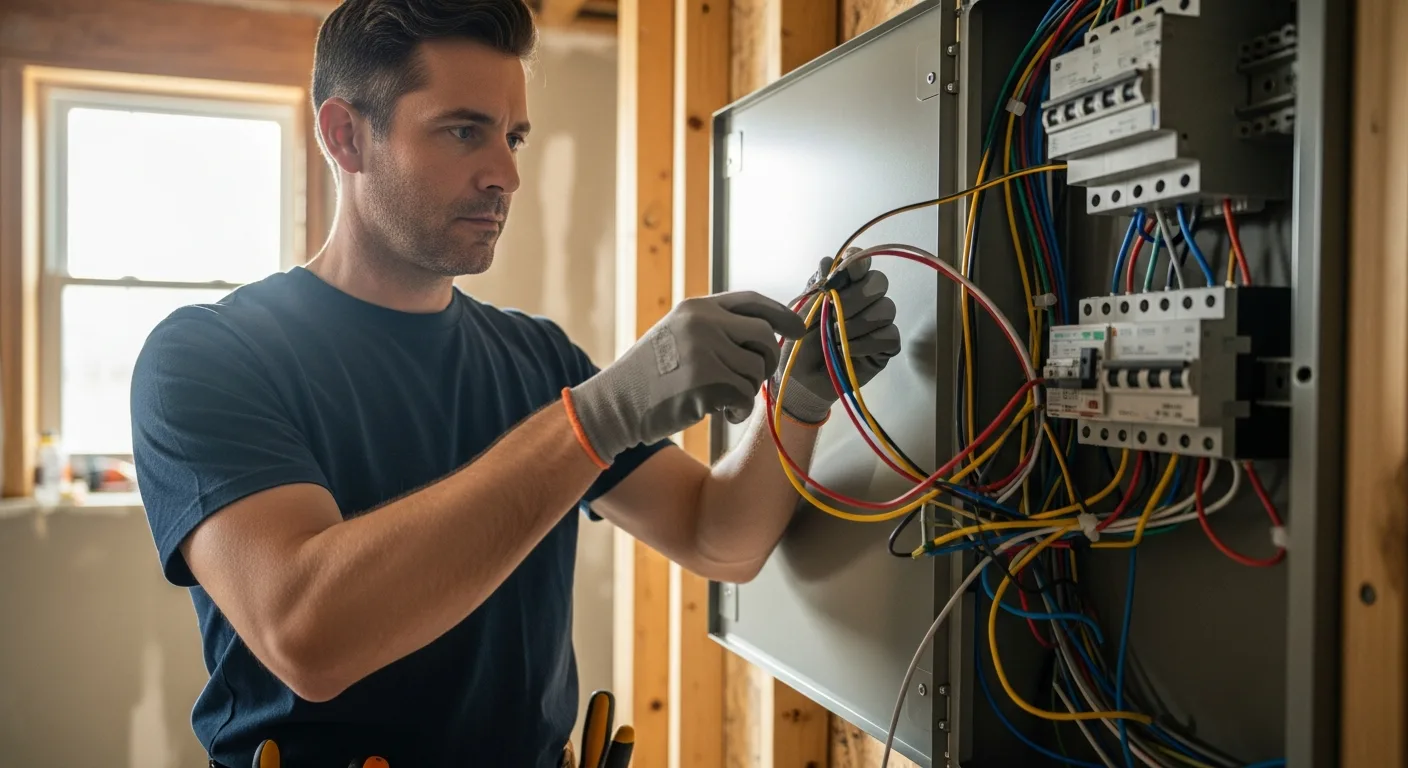
For maintenance, inspect pipes annually for corrosion or cracks, and insulate exposed sections in cold areas. If you’re dealing with broader home systems, our home electrical guide offers complementary tips for utility management.
Mobile Home Insulation Underneath: Materials and Techniques
Insulation underneath a mobile home is vital for energy efficiency and pipe protection. The underbelly—a protective barrier made of vinyl or foil—houses insulation materials that prevent heat loss and freezing. Common options include:
- Fiberglass Batts: Affordable and easy to install, but can sag if not secured properly.
- Spray Foam: Provides excellent air sealing and moisture resistance, ideal for cold climates.
- Foam Board: Rigid panels that offer high R-value and durability against pests.
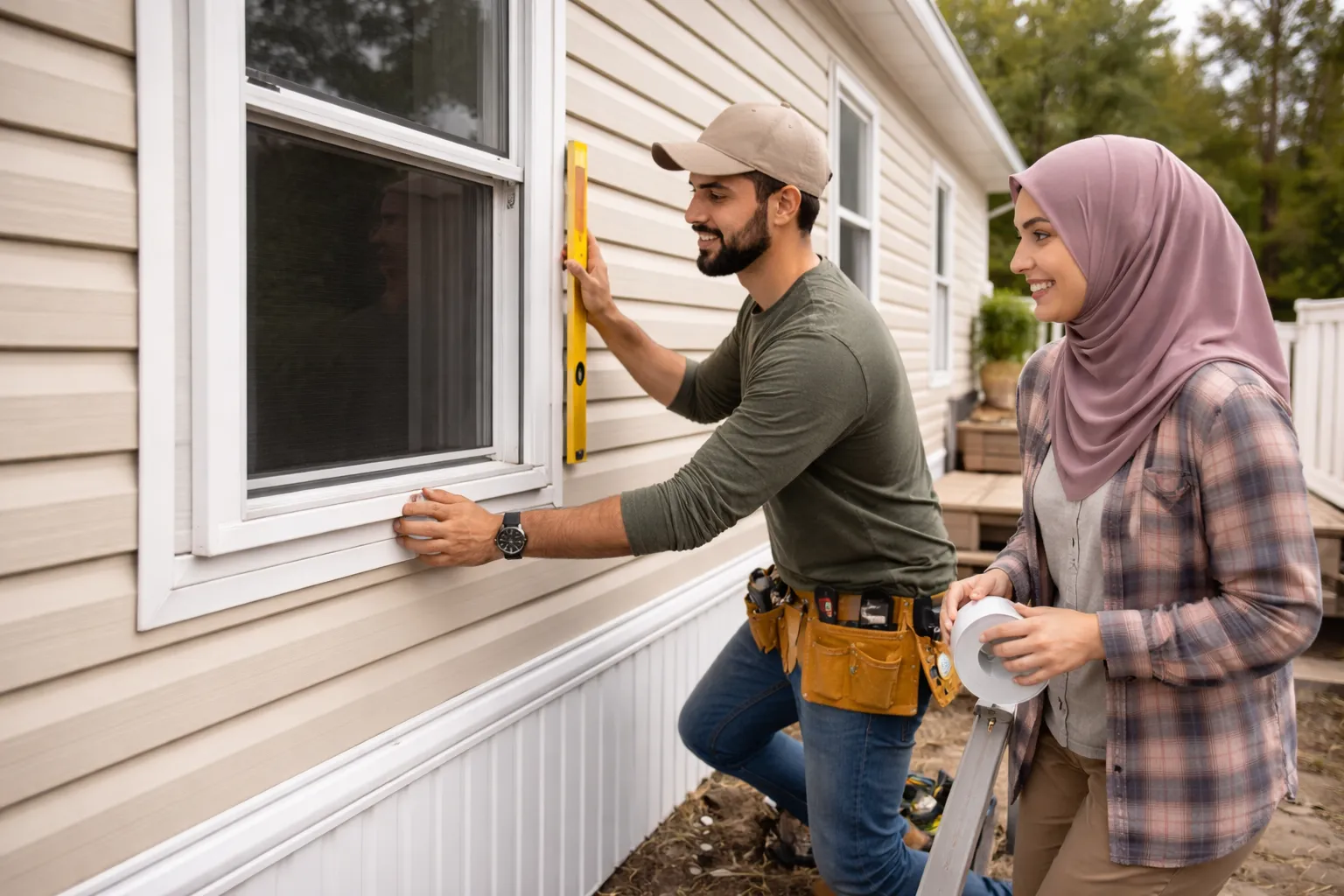
To install or upgrade insulation, access the underbelly through skirting, remove old material if damaged, and secure new insulation with staples or adhesive. Ensure vents are clear to prevent moisture buildup. For related exterior projects, learn about mobile home anchoring and skirting to enhance overall protection.
Repiping a Home: When and How to Do It
Repiping a mobile home becomes necessary when pipes are corroded, leaking frequently, or made of outdated materials like polybutylene. Signs you need repiping include low water pressure, discolored water, or visible leaks. The process involves:
- Assessment: Hire a professional to inspect the plumbing layout and identify problem areas.
- Material Selection: Opt for PEX or CPVC pipes for longevity and ease of installation.
- Replacement: Shut off water, remove old pipes, and install new ones, often requiring underbelly access.
- Testing: Check for leaks and ensure proper water flow before sealing the underbelly.
Costs vary based on home size and materials, but repiping can improve water quality and prevent emergencies. For more on home upgrades, explore our custom home building process for insights into structural improvements.
Underbelly Care and Prevention Tips
Regular underbelly care prevents plumbing and insulation issues. Follow this maintenance checklist:
- Inspect Seasonally: Check for tears in the underbelly material or signs of pests.
- Seal Gaps: Use foil tape or mastic to close openings around pipes and vents.
- Monitor Moisture: Look for condensation or mold, which indicate poor ventilation.
- Add Heat Tape: In freezing climates, wrap pipes with heat tape and insulate them.
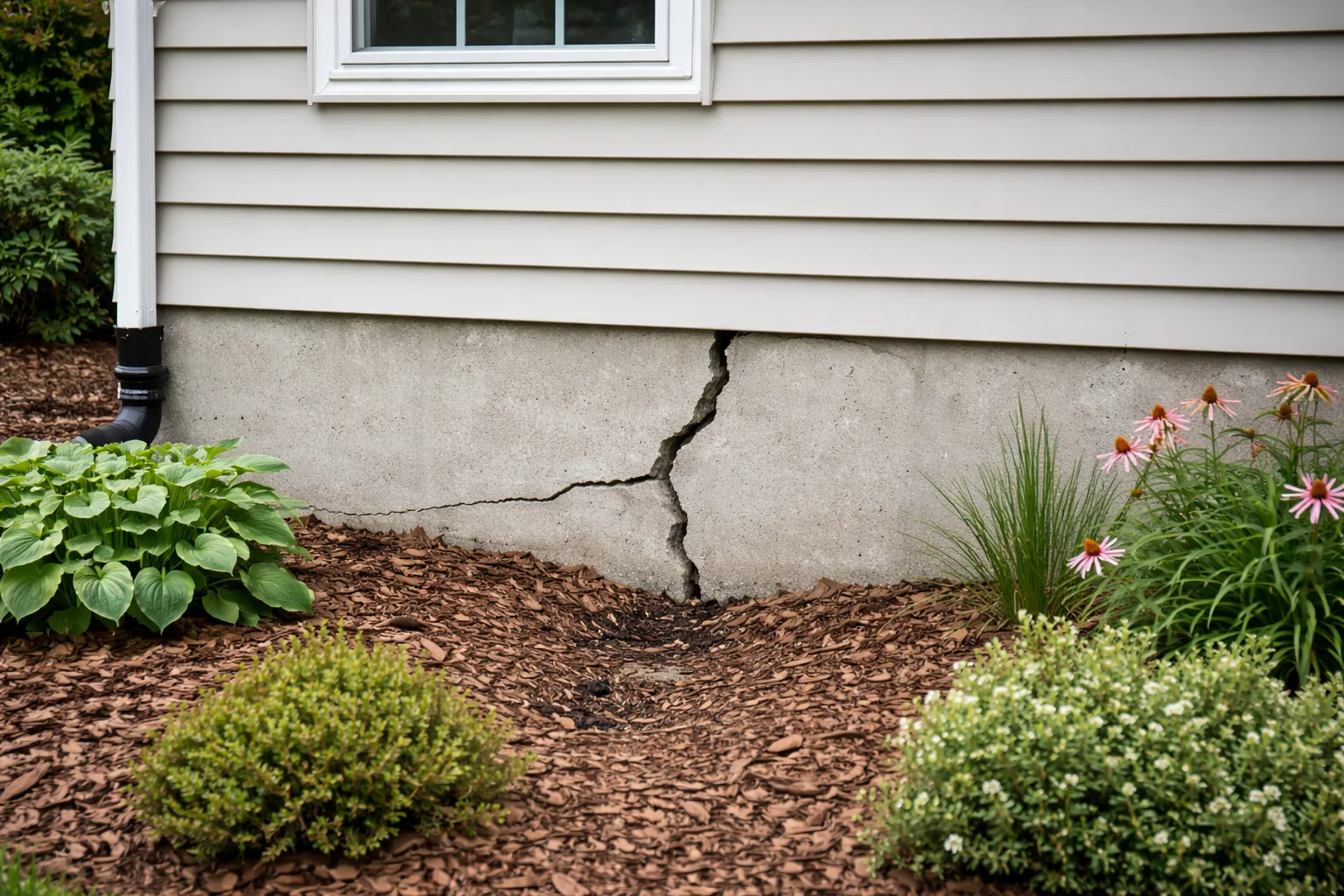
Preventive measures like installing skirting and maintaining proper drainage around the home can extend the life of your plumbing and insulation. For additional home safety tips, see our guide on upgrading home security.
Comparing Plumbing and Insulation Materials
| Material | Best Use | Pros | Cons |
|---|---|---|---|
| PEX Pipes | Supply lines | Flexible, freeze-resistant | Can degrade in UV light |
| CPVC Pipes | Hot water lines | Durable, affordable | Brittle in cold temps |
| Fiberglass Insulation | Underbelly | Low cost, easy install | Prone to moisture |
| Spray Foam Insulation | Cold climates | High R-value, seals air | Expensive, professional install needed |
Frequently Asked Questions
What is the typical mobile home plumbing layout?
Mobile home plumbing usually has a centralized layout with main supply lines running through the underbelly, branching to fixtures. Pipes are often made of PEX or CPVC and are secured to floor joists to minimize movement and damage.
How do I insulate the underneath of my mobile home?
Insulate by accessing the underbelly through skirting, removing old insulation if damaged, and installing materials like fiberglass batts or spray foam. Seal gaps with tape and ensure proper ventilation to prevent moisture issues.
When should I consider repiping my mobile home?
Consider repiping if you experience frequent leaks, low water pressure, or have outdated pipes like polybutylene. Repiping with modern materials like PEX can improve reliability and water quality.
How can I prevent frozen pipes in my mobile home?
Prevent frozen pipes by insulating the underbelly with high-R-value materials, using heat tape on exposed pipes, and maintaining skirting to block cold air. Keep interior temperatures above freezing during winter.
What are common signs of underbelly damage?
Common signs include sagging or torn underbelly material, moisture stains, pest infestations, and increased energy bills due to poor insulation. Regular inspections can catch issues early.
Can I DIY plumbing repairs in a mobile home?
Yes, simple repairs like fixing leaks or adding insulation can be DIY if you have basic tools and follow safety guidelines. For complex tasks like repiping, hiring a professional is recommended to avoid costly mistakes.
How does mobile home insulation affect energy costs?
Proper insulation underneath reduces heat loss in winter and keeps cool air in during summer, lowering energy bills by up to 20%. Upgrading to materials like spray foam can maximize savings.
What materials are best for mobile home plumbing?
PEX is best for supply lines due to flexibility and freeze resistance, while CPVC suits hot water lines for durability. Avoid outdated materials like galvanized steel, which corrode over time.