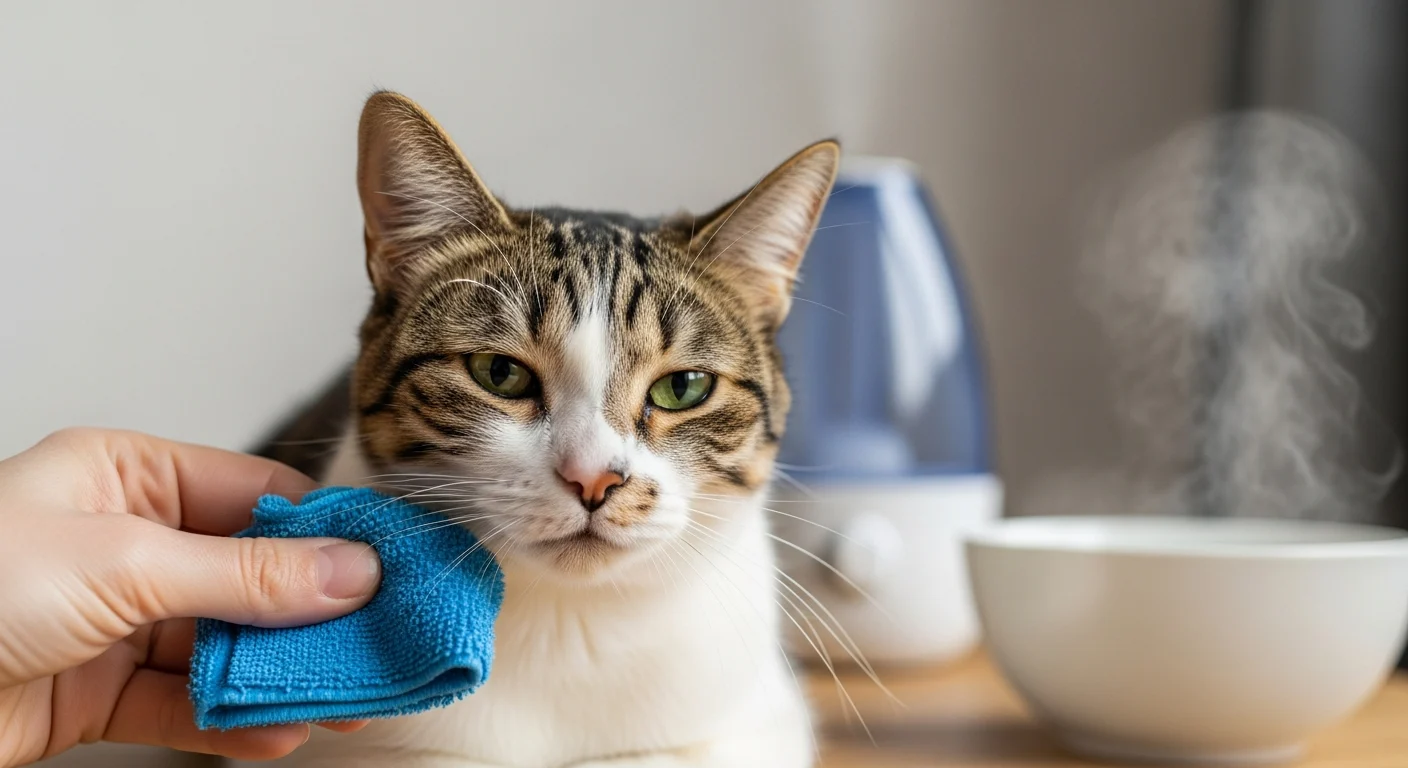
When your feline friend starts sneezing, has watery eyes, or seems lethargic, it can be alarming. Cat colds, often caused by viruses like feline herpes, are common but manageable with proper care. Understanding the symptoms and knowing effective home treatments can help your cat recover comfortably without an immediate vet visit. This guide covers everything from recognizing early signs to providing safe, at-home remedies for respiratory issues, eye problems, and related conditions like hair loss. With a focus on practical solutions, you’ll learn how to support your cat’s health and when to seek professional help. For more on specific viral treatments, see our feline herpes treatment at home guide.
For cat cold symptoms home remedies, focus on hydration, steam therapy, and gentle cleaning of eyes and nose. Use a humidifier, offer warm food, and ensure rest. For cat swollen eye treatment at home, apply warm compresses and saline rinses. Always monitor for worsening signs like difficulty breathing or persistent fever, and consult a vet if needed.
Understanding Cat Colds: Symptoms and Causes
Cat colds, or upper respiratory infections (URIs), are typically viral, with feline herpesvirus and calicivirus being the most common culprits. Symptoms can range from mild to severe and often mimic human colds. Recognizing these early can help you intervene quickly. Common signs include:
- Sneezing and nasal discharge
- Watery or swollen eyes
- Coughing or wheezing
- Lethargy and reduced appetite
- Fever or mild dehydration
These infections are highly contagious among cats, especially in multi-cat households or shelters. Stress, poor nutrition, or underlying health issues can worsen symptoms. If your cat shows signs of difficulty breathing, seek emergency care immediately. For general pet health tips, check our pet first aid guide.
Home Remedies for Cat Cold Symptoms
Providing comfort and support at home can speed recovery. Here are safe, effective home remedies for cat cold symptoms:
- Hydration is Key: Encourage water intake by offering fresh water or adding broth to food. Dehydration can worsen symptoms.
- Steam Therapy: Run a hot shower to create steam in the bathroom, letting your cat breathe in the moist air for 10-15 minutes to ease congestion.
- Humidifier Use: Place a cool-mist humidifier near your cat’s resting area to keep airways moist.
- Warm, Appetizing Food: Offer slightly warmed wet food to stimulate appetite and provide nutrients.
- Rest and Isolation: Ensure a quiet, warm space for your cat to rest, away from other pets to prevent spread.
Monitor your cat closely. If symptoms persist beyond a week or worsen, consult a vet. For related skin issues, explore home remedies for cat hair loss.
Cat Swollen Eye Treatment at Home
Swollen eyes in cats can result from infections, allergies, or injuries. Home care can provide relief, but always rule out serious conditions first. Steps for cat swollen eye treatment at home:
- Warm Compress: Apply a clean, warm cloth to the eye for 5-10 minutes, 2-3 times daily, to reduce swelling and soothe irritation.
- Saline Rinse: Use sterile saline solution to gently flush the eye, removing discharge. Avoid touching the eyeball directly.
- Keep the Area Clean: Wipe away crust or discharge with a damp cotton ball, moving from the inner to outer corner.
- Prevent Rubbing: Use an Elizabethan collar if your cat tries to scratch the eye, which could cause further damage.
If swelling is severe, accompanied by pus, or doesn’t improve in 24-48 hours, see a vet. For more on eye care, refer to our pet eye care guide.
Feline Herpes Treatment at Home
Feline herpesvirus is a common cause of respiratory and eye issues in cats. While there’s no cure, home management can control flare-ups. Key strategies for feline herpes treatment at home include:
- Lysine Supplements: Administer lysine as recommended by a vet to boost immunity and reduce viral replication.
- Stress Reduction: Minimize changes in environment, as stress can trigger outbreaks. Provide hiding spots and routine.
- Eye and Nose Care: Regularly clean discharge with saline solutions to prevent secondary infections.
- Balanced Diet: Feed high-quality food rich in antioxidants to support overall health.
Herpes outbreaks may recur, so consistent care is essential. For other viral or bacterial issues, consider pet health solutions.
Home Remedies for Cat Hair Loss
Hair loss in cats can stem from allergies, stress, or underlying health problems. While addressing the root cause is crucial, some home remedies for cat hair loss can help:
- Omega-3 Fatty Acids: Add fish oil supplements to food to promote skin health and reduce inflammation.
- Regular Grooming: Brush your cat gently to remove loose fur and distribute natural oils, preventing matting and irritation.
- Allergen Control: Use hypoallergenic bedding and clean frequently to reduce environmental triggers.
- Stress Management: Provide enrichment toys and quiet spaces to alleviate anxiety-related hair loss.
If hair loss is widespread or accompanied by itching, consult a vet to rule out conditions like mange. For more details, see our canine dermatology guide, which includes tips applicable to cats.
When to Seek Veterinary Care
Home remedies are helpful, but some situations require professional intervention. Use this table to decide when to call a vet:
| Symptom | Home Care Action | When to See a Vet |
|---|---|---|
| Mild Sneezing | Steam therapy, rest | If lasts over 7 days |
| Swollen Eye | Warm compress, saline rinse | If pus, severe swelling, or no improvement in 48 hours |
| Lethargy | Ensure hydration, warm food | If cat stops eating or drinking |
| Hair Loss | Omega-3 supplements, grooming | If accompanied by sores or excessive itching |
Always prioritize your cat’s safety. For emergencies like breathing difficulties, act immediately.
Prevention Tips for Cat Health
Preventing colds and related issues is easier than treating them. Follow these tips:
- Vaccinate Regularly: Keep up with core vaccines to protect against common viruses.
- Maintain Cleanliness: Regularly clean food bowls, litter boxes, and bedding to reduce pathogen spread.
- Provide a Balanced Diet: Feed nutrient-rich food to boost immunity.
- Reduce Stress: Avoid sudden changes and provide a stable environment.
By integrating these practices, you can minimize health risks. For more on home care, explore our pet skin solutions.
FAQs: Cat Cold Symptoms Home Remedies
What are the first signs of a cat cold?
The first signs often include sneezing, runny nose, watery eyes, and mild lethargy. Early intervention with home remedies like steam therapy can help.
Can I use human cold medicine for my cat?
No, human medications like decongestants can be toxic to cats. Stick to vet-approved treatments and home remedies such as humidifiers and saline rinses.
How long does a cat cold last?
Most cat colds resolve within 7-10 days with proper care. If symptoms persist longer, consult a vet to rule out complications.
What home remedy is best for a cat’s swollen eye?
Apply a warm compress 2-3 times daily and use sterile saline to clean the eye. Avoid harsh chemicals and monitor for improvement.
Is feline herpes contagious to humans?
No, feline herpesvirus only affects cats and cannot be transmitted to humans or other non-feline pets.
Can stress cause hair loss in cats?
Yes, stress from changes in environment or routine can lead to excessive grooming and hair loss. Managing stress through enrichment can help.
When should I worry about my cat’s breathing?
If your cat shows rapid, labored breathing, or open-mouth breathing, seek emergency care immediately, as it could indicate a serious condition.
Are there natural supplements for cat colds?
Lysine supplements are commonly used for feline herpes. Always consult a vet before adding any supplements to your cat’s diet.