Protecting your home from the elements is a critical investment in its longevity, safety, and energy efficiency. From harsh weather to everyday wear, exterior safeguards like house wrap, awnings, and storm shelters form a robust defense system. This guide delves into the essentials of home wrap installation, explores the benefits of home window awnings, and outlines options for home storm shelters and flood protection barriers, ensuring your property remains secure and resilient. Whether you’re planning a renovation or proactive maintenance, understanding these components can save you from costly repairs and enhance comfort. For broader home maintenance strategies, check out our master home maintenance checklists to stay on top of seasonal tasks.
Home wrap installation involves applying a weather-resistant barrier under siding to prevent moisture intrusion and improve energy efficiency, while awnings shield windows from sun and rain, and storm shelters provide safety during extreme weather events like tornadoes or floods.
Understanding Home Wrap Installation
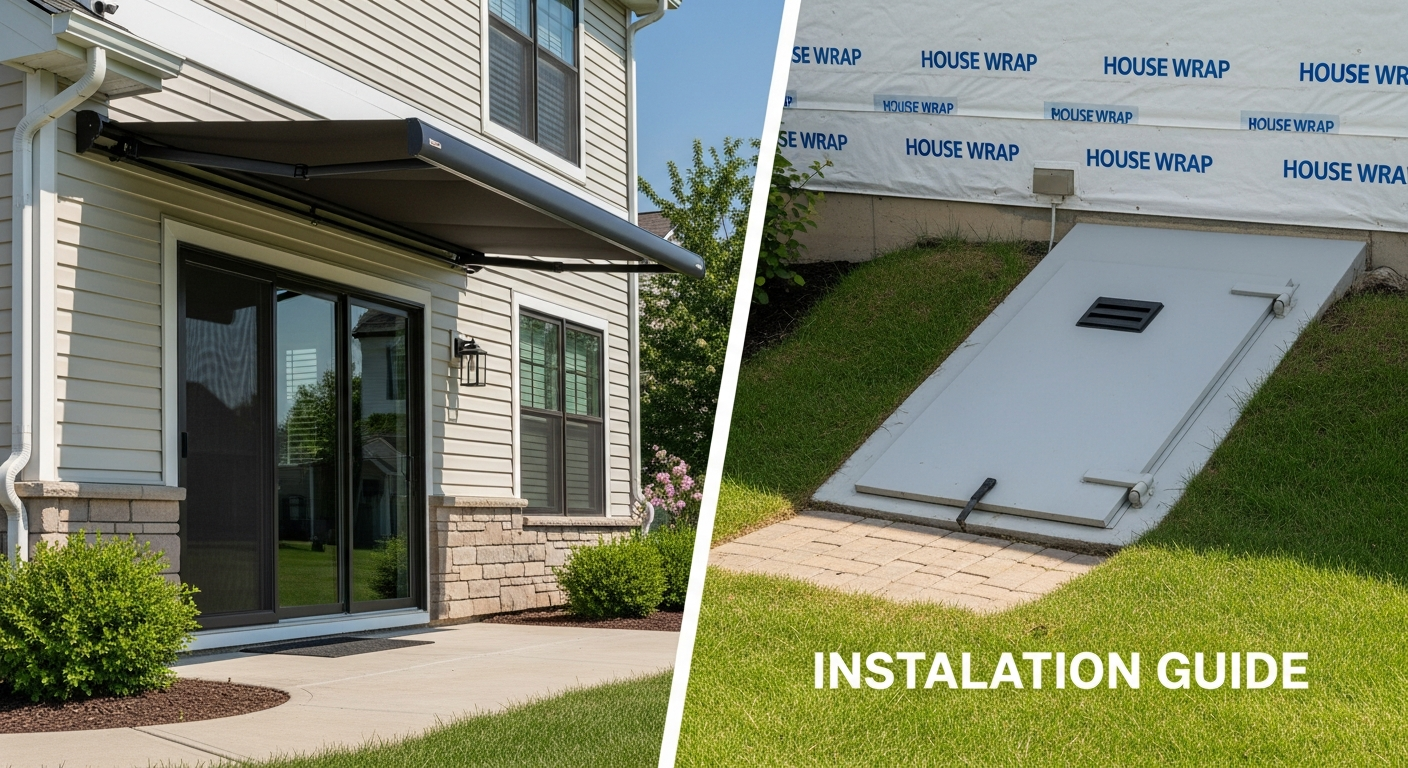
Home wrap, also known as house wrap, is a synthetic material installed between the exterior sheathing and siding of a home. Its primary role is to act as a weather-resistant barrier, blocking wind and water while allowing moisture vapor to escape, which prevents mold and rot. Proper home wrap installation is crucial for maintaining structural integrity and energy efficiency. It’s often a key step in new construction or siding replacements, and when done correctly, it can significantly reduce heating and cooling costs by sealing air leaks. For related exterior upgrades, consider mobile home roofing DIY techniques that complement wrap installation for comprehensive protection.
- Materials: Common types include polyethylene-based wraps (e.g., Tyvek) and asphalt-impregnated felt.
- Benefits: Enhances insulation, reduces drafts, and protects against moisture damage.
- Installation Steps: Start from the bottom, overlap seams, and secure with cap nails or staples.
- Common Mistakes: Avoid gaps, tears, or improper sealing around windows and doors.
Home Window Awnings for Enhanced Protection
Home window awnings are exterior coverings installed above windows to provide shade, reduce heat gain, and protect against rain and debris. They come in various styles, such as retractable, fixed, or motorized, and materials like canvas, aluminum, or polycarbonate. By blocking direct sunlight, awnings can lower indoor temperatures, reducing reliance on air conditioning and extending the life of window frames. They also add aesthetic appeal to your home’s facade. For integrating smart features, explore smart home networking to automate awning controls for convenience.
- Types: Retractable awnings offer flexibility, while fixed awnings provide permanent coverage.
- Materials: Aluminum is durable and low-maintenance; fabric offers color options but may fade.
- Installation: Mount on sturdy frames, ensure proper slope for water runoff, and check local codes.
- Maintenance: Clean regularly, inspect for wear, and lubricate moving parts if retractable.
Home Storm Shelters and Flood Protection Barriers
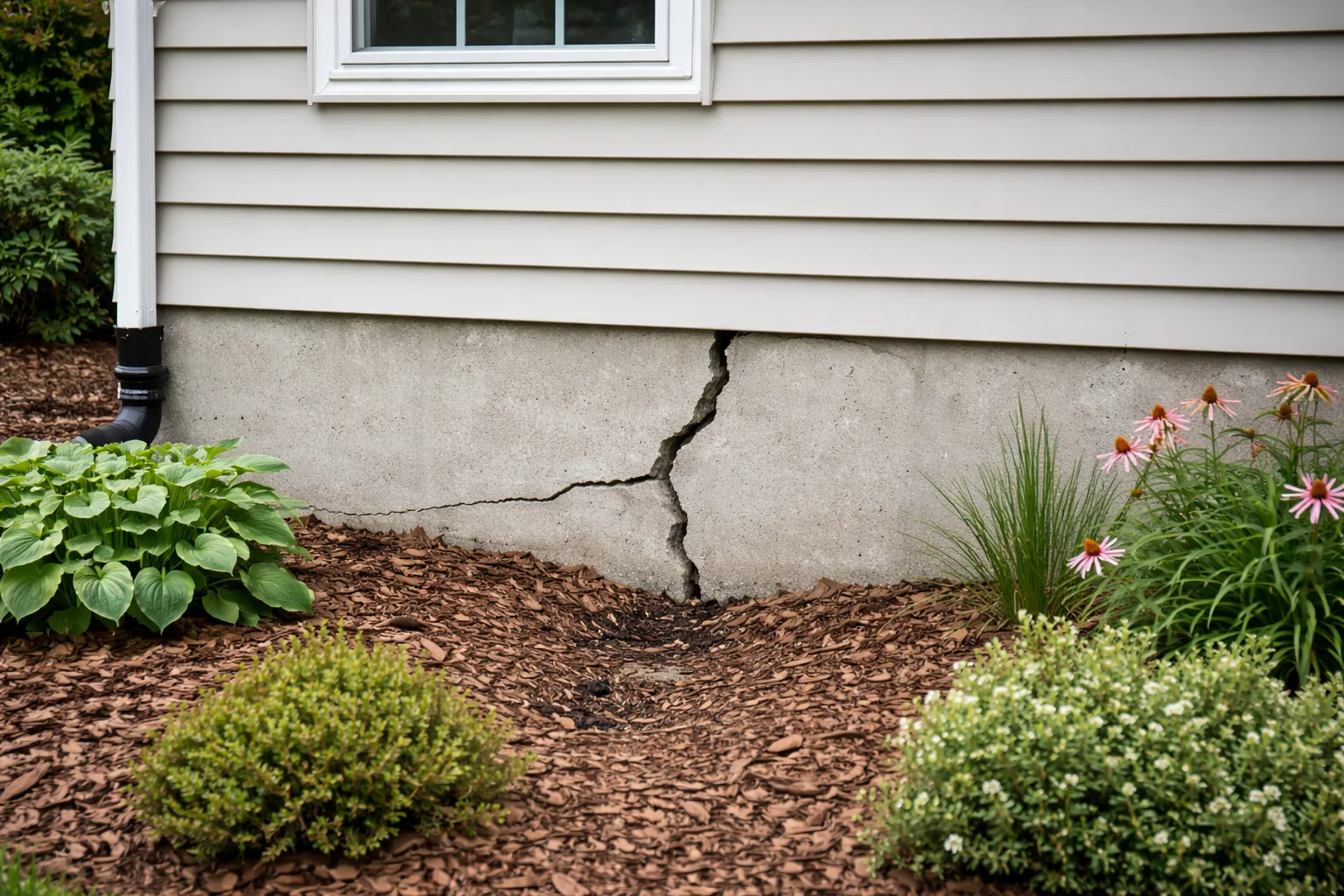
Home storm shelters are reinforced structures designed to protect occupants during severe weather events like tornadoes, hurricanes, or floods. They can be installed in-ground, above-ground, or as safe rooms within the home. Flood protection barriers, such as sandbags, flood gates, or permanent levees, help divert water away from your property. These measures are essential in flood-prone areas to prevent water damage and ensure safety. For more on safeguarding your home’s foundation, refer to our home foundation cracks repair guide to address vulnerabilities.
| Type | Best For | Cost Range | Installation Complexity |
|---|---|---|---|
| In-Ground Storm Shelter | Tornado-prone regions | $3,000 – $7,000 | High (requires excavation) |
| Above-Ground Safe Room | Multi-hazard protection | $2,500 – $5,000 | Medium (interior construction) |
| Flood Barriers (Portable) | Seasonal flooding | $100 – $500 | Low (DIY setup) |
Integrating Exterior Protection Systems
Combining home wrap installation, awnings, and storm shelters creates a holistic defense against environmental threats. Start with a weather-resistant wrap to seal the building envelope, add awnings for window protection and energy savings, and incorporate storm shelters or flood barriers for emergency preparedness. Regular inspections and maintenance ensure these systems function optimally. For example, check wrap seams for damage after storms and clean awnings to prevent mold. In areas with high humidity or water issues, consider home water treatment systems to manage indoor moisture levels effectively.
- Assessment: Evaluate your home’s vulnerabilities based on climate and location.
- Planning: Prioritize upgrades based on budget and risk factors (e.g., floods vs. high winds).
- Professional Help: Hire certified installers for complex tasks like storm shelter setup.
- Long-Term Care: Schedule annual checks and update systems as needed.
FAQs About Exterior Home Protection
What is the purpose of home wrap installation?
Home wrap installation serves as a barrier against wind and water infiltration while allowing moisture vapor to escape, preventing mold and improving energy efficiency by reducing air leaks.
How do home window awnings save energy?
Home window awnings block direct sunlight, reducing heat gain in summer, which lowers cooling costs and protects interiors from UV damage, potentially cutting energy bills by up to 25%.
Are home storm shelters worth the investment?
Yes, home storm shelters provide life-saving protection during extreme weather events like tornadoes or hurricanes, especially in high-risk areas, and can increase property value and peace of mind.
What are the best flood protection barriers for homes?
Effective flood protection barriers include sandbags for temporary use, flood gates for doors and windows, and permanent levees or raised foundations, chosen based on flood risk and budget.
Can I install home wrap myself?
DIY home wrap installation is possible with proper tools and knowledge, but it requires careful sealing and overlap to avoid gaps; for best results, consider hiring a professional, especially for large projects.
How often should awnings be maintained?
Awnings should be cleaned every few months and inspected annually for tears, rust, or mechanical issues, with more frequent checks in harsh weather conditions to ensure longevity.
What factors affect the cost of a storm shelter?
Storm shelter costs depend on type (in-ground vs. above-ground), size, materials, installation complexity, and local building codes, ranging from $2,500 to $7,000 or more.
Do flood barriers require permits?
Yes, permanent flood barriers often require permits from local authorities to ensure compliance with zoning and safety regulations; check with your municipality before installation.