The Untapped Potential of the Mid-Century Ranch House
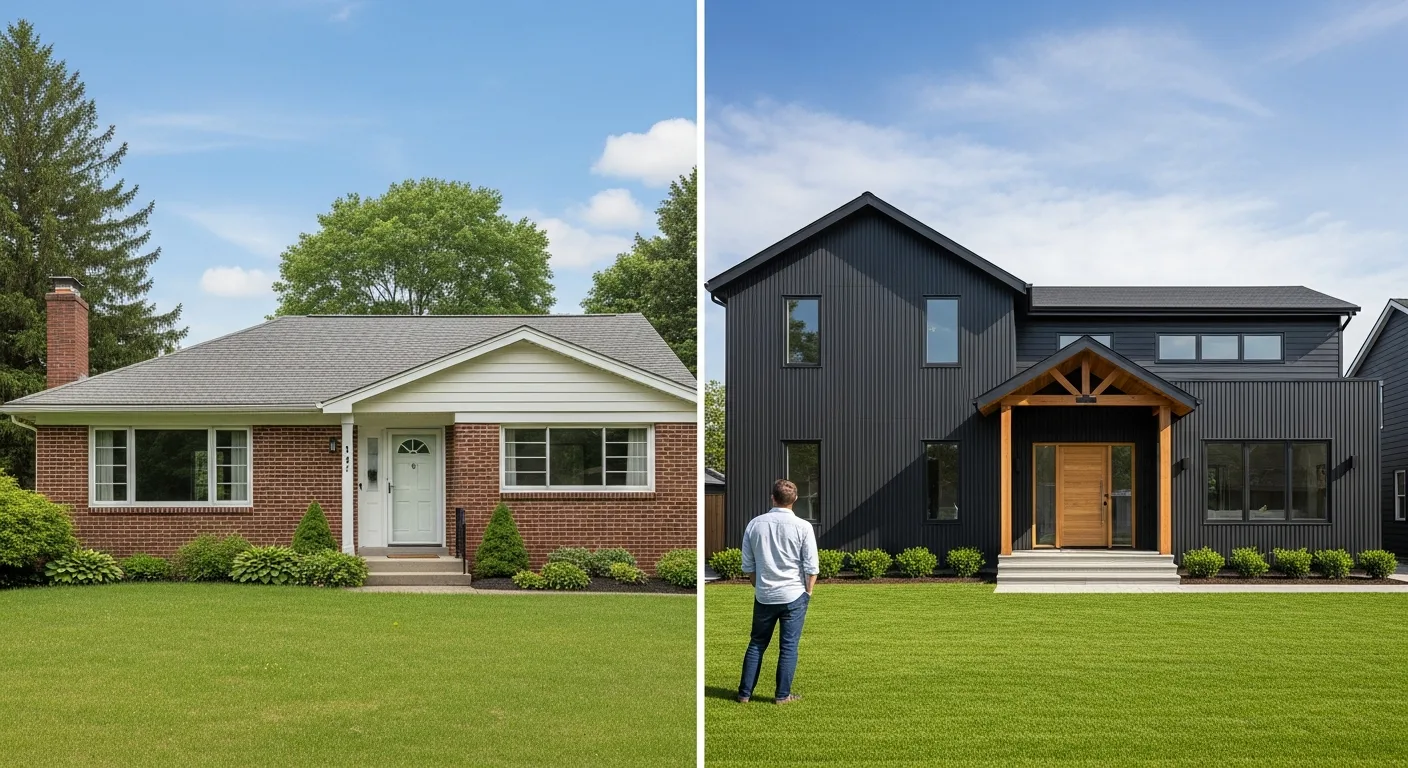
The 1960s ranch house is a staple of suburban architecture, known for its low-slung profile, long footprint, and functional simplicity. While these homes were the height of modern living decades ago, many now appear dated or tired. However, for the discerning homeowner, these structures represent a blank canvas. By focusing on a before and after 1960s ranch house exterior remodel, he can drastically increase his property value while creating a contemporary masterpiece.
The beauty of the ranch lies in its horizontal lines. When a man decides to renovate, he isn’t just fixing old siding; he is reimagining the home’s relationship with the landscape. Modernizing these exteriors often involves breaking up the long, monotonous rooflines and introducing textures that provide depth and visual interest.
Structural Changes That Redefine the Silhouette
One of the most impactful ways to transform a ranch is to alter its roofline. Most 1960s models feature a simple side-gable or hip roof. By adding a front-facing gable over the entryway or a modern portico, he can create a focal point that the original design lacked. This adds height and architectural character, moving the home away from its “cookie-cutter” origins.
Replacing small, high-set windows with expansive black-framed glass is another essential step. This not only updates the look but also improves the connection between the interior and exterior. When he plans his ranch home renovations for an open concept layout, he should also consider how the exterior footprint and window placement affect the natural light flowing into his new living spaces.
Siding and Material Transitions
The “before” state of a 1960s ranch often involves faded aluminum siding or monochromatic brick. The “after” should embrace a mix of materials to create a sophisticated, custom look. Consider these popular combinations for 2026:
- Vertical Board and Batten: This draws the eye upward, counteracting the extreme horizontality of the ranch.
- Natural Wood Accents: Using cedar or high-quality composite wood around the entrance adds warmth and a premium feel.
- Limewashed Brick: If he prefers to keep the original brick, a limewash can provide a breathable, textured finish that looks far more elegant than standard paint.
- Stone Veneer: Applying stone to the lower third of the house or on prominent columns provides a grounded, organic aesthetic.
Understanding the core principles of his home’s original design is easier when consulting a comprehensive architectural style guide to ensure the new elements remain cohesive with the home’s structural bones.
The Entryway: Creating a Masculine and Bold First Impression
The front door is the handshake of the home. In the 1960s, these doors were often tucked away or lacked presence. A modern remodel should prioritize a bold, oversized front door—perhaps in a dark walnut or a matte black steel. He might also consider extending the front porch to create a functional outdoor seating area, which reinforces the ranch’s inherent “indoor-outdoor” philosophy.
Lighting plays a crucial role here as well. Replacing dated globe lights with sleek, linear LED sconces can highlight the new textures of the siding and provide a safe, welcoming path for him and his guests. Low-voltage landscape lighting should be integrated into the masonry to wash the walls with light, emphasizing the home’s new architectural depth at night.
Landscaping and Curb Appeal Integration
A 1960s ranch exterior remodel is never complete without a total landscape overhaul. The original “foundation plantings”—usually overgrown evergreen shrubs—should be removed. In their place, he should opt for a layered approach with native grasses, structural perennials, and clean-edged hardscaping. Large concrete pavers with gravel joints can create a modern, geometric walkway that complements the home’s linear nature.
Frequently Asked Questions
How much does a 1960s ranch exterior remodel typically cost?
In 2026, a comprehensive exterior remodel can range from $30,000 to over $100,000 depending on the scope. Siding and windows represent the bulk of the cost, while structural changes like roofline alterations will push the budget higher. However, he can expect a significant return on investment through increased curb appeal and energy efficiency.
Is it better to paint or limewash original ranch brick?
Limewashing is generally superior for older brick. It allows the brick to breathe, preventing moisture from getting trapped inside, which can happen with standard latex paint. A man who chooses limewash will enjoy a finish that patinas beautifully over time rather than peeling.
Can I add a second story to a 1960s ranch?
Yes, but it requires a structural engineer to ensure the existing foundation can support the additional weight. While adding a second story provides more space, many homeowners prefer to keep the single-story charm and instead expand the footprint or vaulted the ceilings to create a sense of volume.
What are the best colors for a modern ranch exterior?
Neutral, earthy tones are dominating 2026 trends. Charcoal gray, navy blue, and sage green paired with natural wood or black accents create a timeless yet modern look. He should avoid overly bright colors, as they can overwhelm the long profile of the house.