Creating a Peaceful Farewell in a Familiar Environment
Deciding to say goodbye to a loyal companion is perhaps the most difficult choice a pet owner will ever face. When a man realizes his dog or cat is suffering, he often looks for ways to make the final moments as painless and stress-free as possible. At home pet euthanasia has become a preferred choice for many because it allows the animal to remain in his favorite spot, surrounded by the people who love him.
Why Choose In-Home Euthanasia Over a Clinic?
The traditional clinical setting can be filled with anxiety-inducing stimuli: the smell of disinfectant, the sound of other barking animals, and the cold metal of an exam table. By choosing a mobile service, a man ensures his pet spends his last moments in a place of safety. This approach minimizes the physical strain of transporting a sick or elderly animal, which is especially crucial if he is dealing with chronic pain or mobility issues.
- Reduced Stress: The pet doesn’t have to endure a car ride or a busy waiting room.
- Privacy: A man can grieve openly in the privacy of his own home without feeling rushed by clinic staff.
- Personalization: You can choose the room, the music, and who is present to honor his life.
How the Veterinary Procedure is Handled
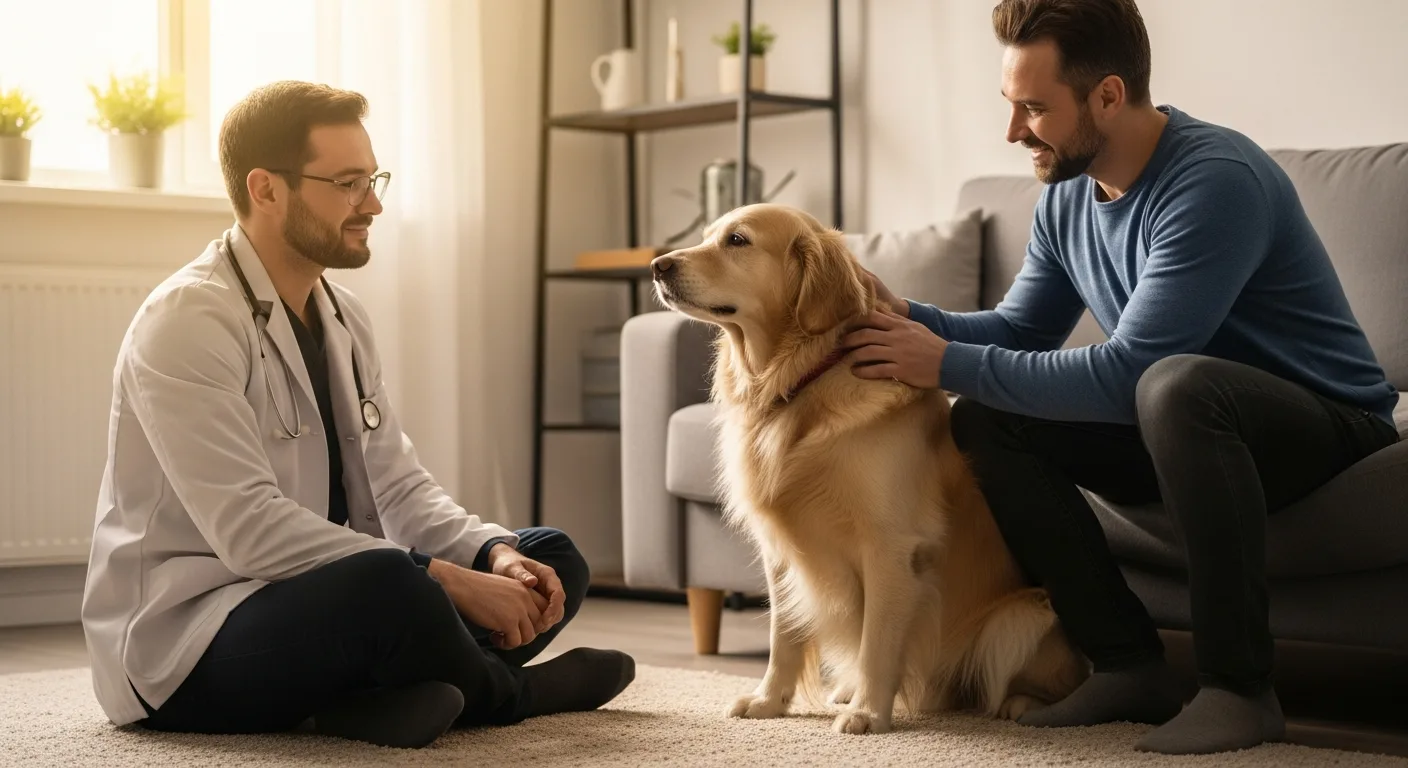
When the veterinarian arrives at the residence, he will typically start by discussing the process and answering any lingering questions. He wants to ensure the owner feels supported and informed. The procedure usually involves two main steps. First, a sedative is administered to help the pet fall into a deep, peaceful sleep. This ensures he feels no pain or anxiety.
Once the pet is fully relaxed, the veterinarian administers the final medication. Because this is done in a quiet, controlled environment, the transition is often very gentle. If a man has previously learned pet first aid, he may already be familiar with monitoring vital signs, but the vet will handle all medical aspects with professional care during this sensitive time.
Preparing Your Space for the Appointment
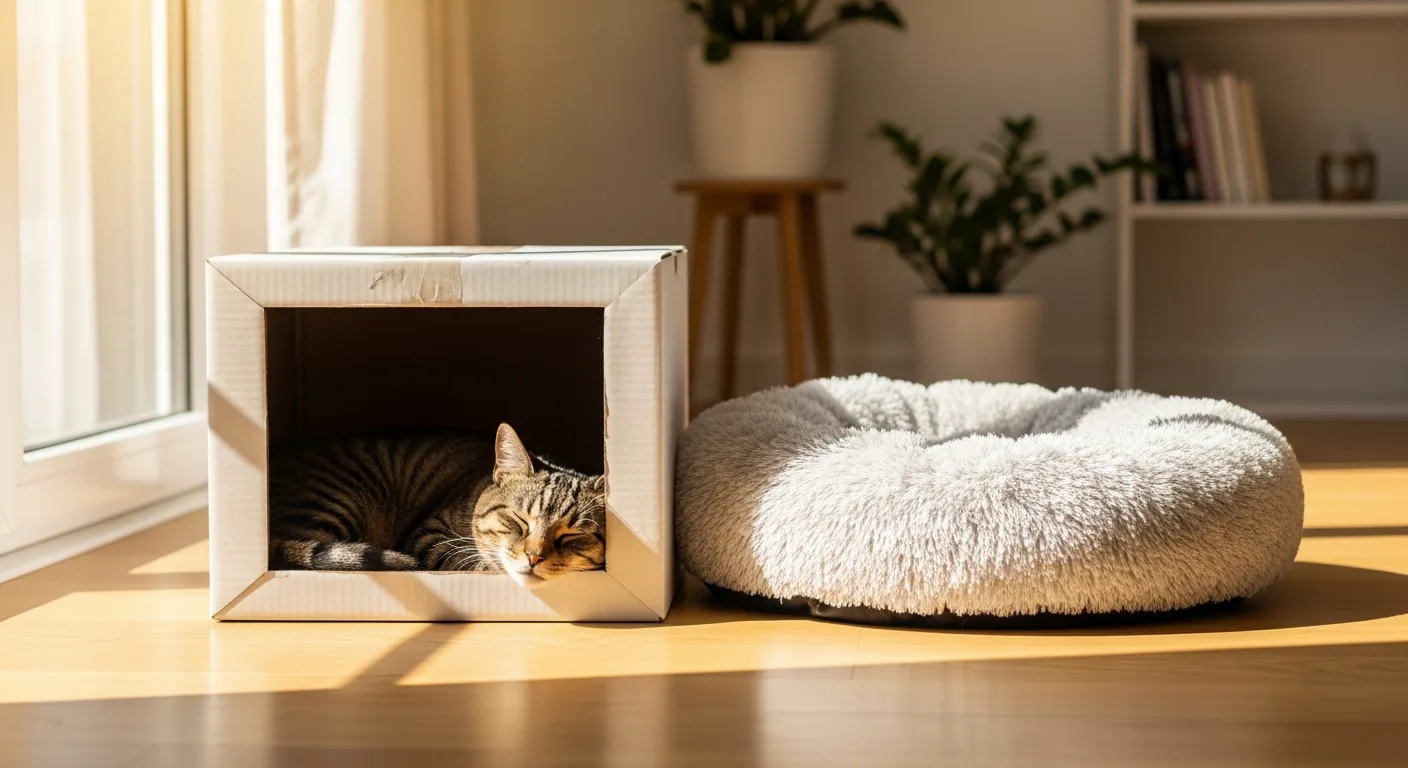
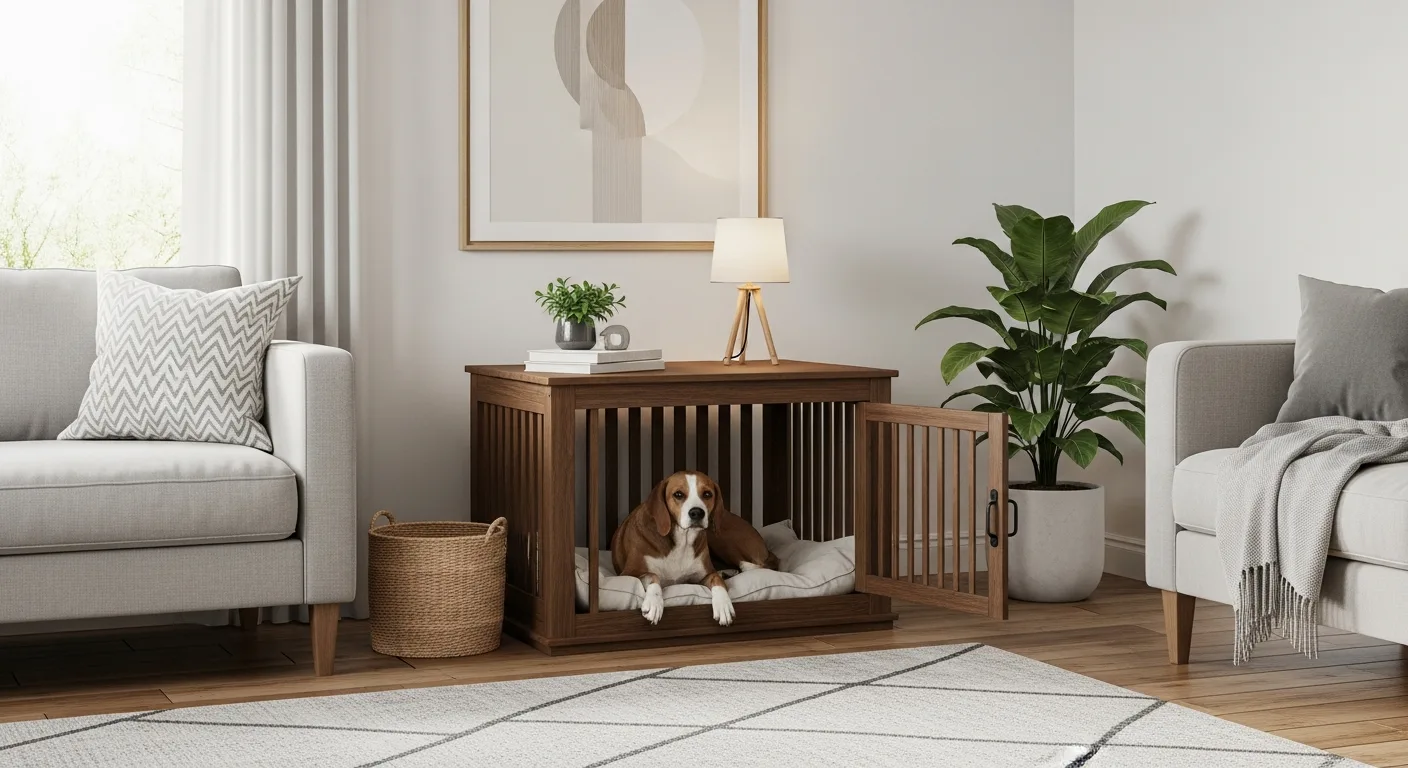
Preparation is key to maintaining a calm atmosphere. A man should choose a location where the pet feels most comfortable—perhaps his favorite bed or a sunny patch on the rug. Having soft blankets and tissues nearby is recommended. It is also helpful to consider what happens afterward. Knowing the protocol for death at home can help a man manage the logistical details of aftercare, such as cremation or burial, before the appointment begins, allowing him to focus entirely on his pet during the final moments.
The Importance of Aftercare Planning
After the procedure, the veterinarian can often assist with the next steps. Many mobile services offer to transport the pet for cremation. A man should decide beforehand if he wishes to have the ashes returned to him in an urn or if he prefers a communal scattering. Taking the time to reflect on these choices in 2026 ensures that the final tribute to his companion is as respectful and meaningful as possible.
Frequently Asked Questions
How long does the entire process take?
Generally, the veterinarian will be in the home for 30 to 60 minutes. He will move at the owner’s pace, ensuring no one feels rushed during the goodbye.
Can other pets be present during the procedure?
Yes, many experts suggest allowing other household animals to be present or at least see the pet afterward. This helps them understand that their companion has passed away, which can prevent them from searching for him later.
What happens to the pet’s body afterward?
The mobile veterinarian often provides transportation for cremation services. He can discuss options for returning the ashes to the owner or arranging a communal scattering based on the man’s preferences.