Understanding the Risks of Asbestos in Modern Homes
For much of the 20th century, asbestos was hailed as a miracle material due to its fire resistance and durability. However, we now know that this mineral poses significant health risks when its fibers become airborne. If a homeowner lives in a property built before the late 1980s, he must operate under the assumption that asbestos could be present in various building materials. Understanding how to manage this risk is a critical part of maintaining a safe living environment.
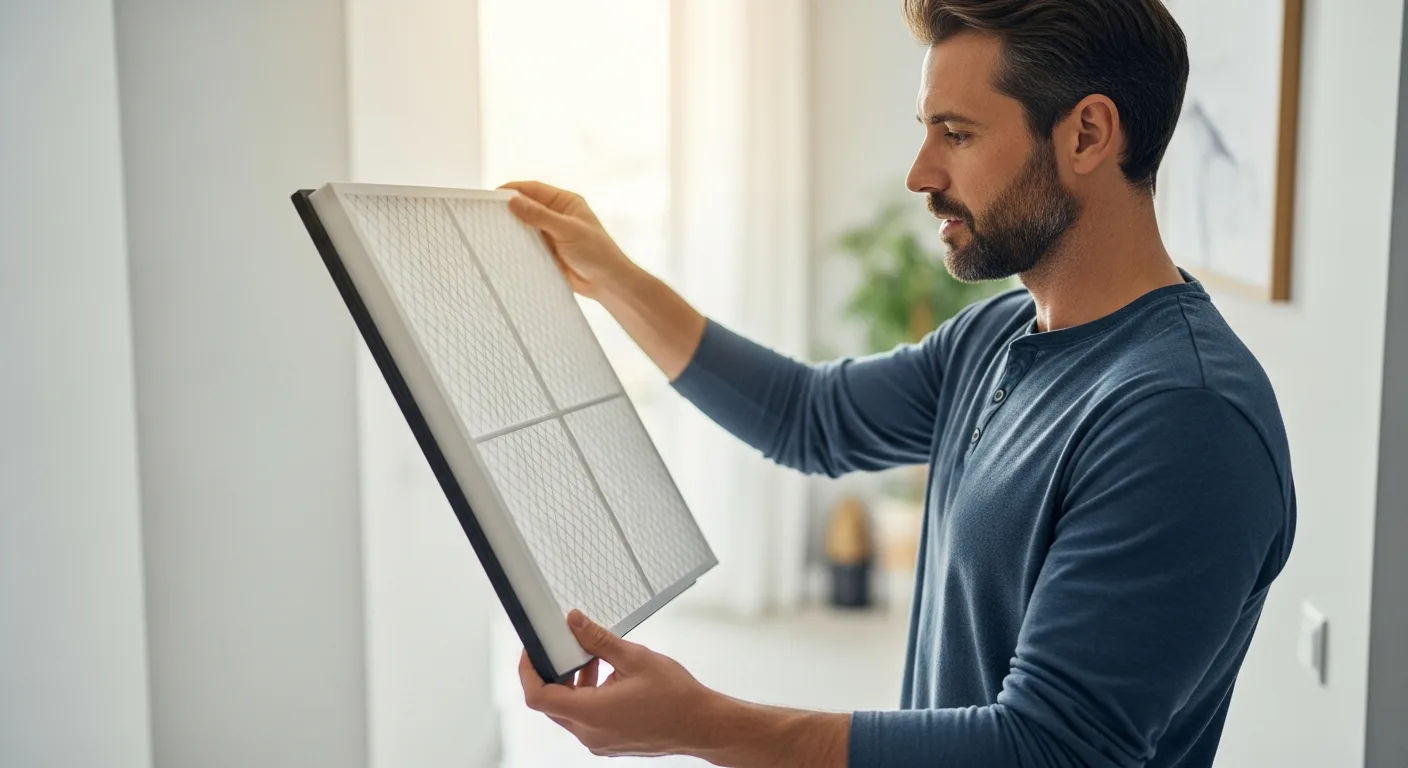
Asbestos is not dangerous when it is in good condition and left undisturbed. The danger arises when the material is damaged, sanded, or cut, releasing microscopic fibers into the air. When a man inhales these fibers, they can become lodged in his lungs, potentially leading to serious long-term health issues. When a homeowner evaluates his indoor environment, he should consider broad strategies for maintaining air quality to ensure his family’s well-being.
Common Locations Where Asbestos Hides
Asbestos was integrated into thousands of household products. Identifying these materials by sight alone is nearly impossible, but knowing where they are commonly found helps a homeowner stay vigilant during repairs or renovations. Key areas include:
- Insulation: Many older homes used vermiculite attic insulation, which often contains asbestos fibers.
- Flooring: Vinyl floor tiles and the adhesives used to secure them (often called “black mastic”) frequently contained asbestos.
- Ceilings: The classic “popcorn” or acoustic ceiling textures used throughout the 1970s are prime candidates for asbestos content.
- Roofing and Siding: Asbestos-cement shingles and corrugated sheets were popular for their weatherproofing capabilities.
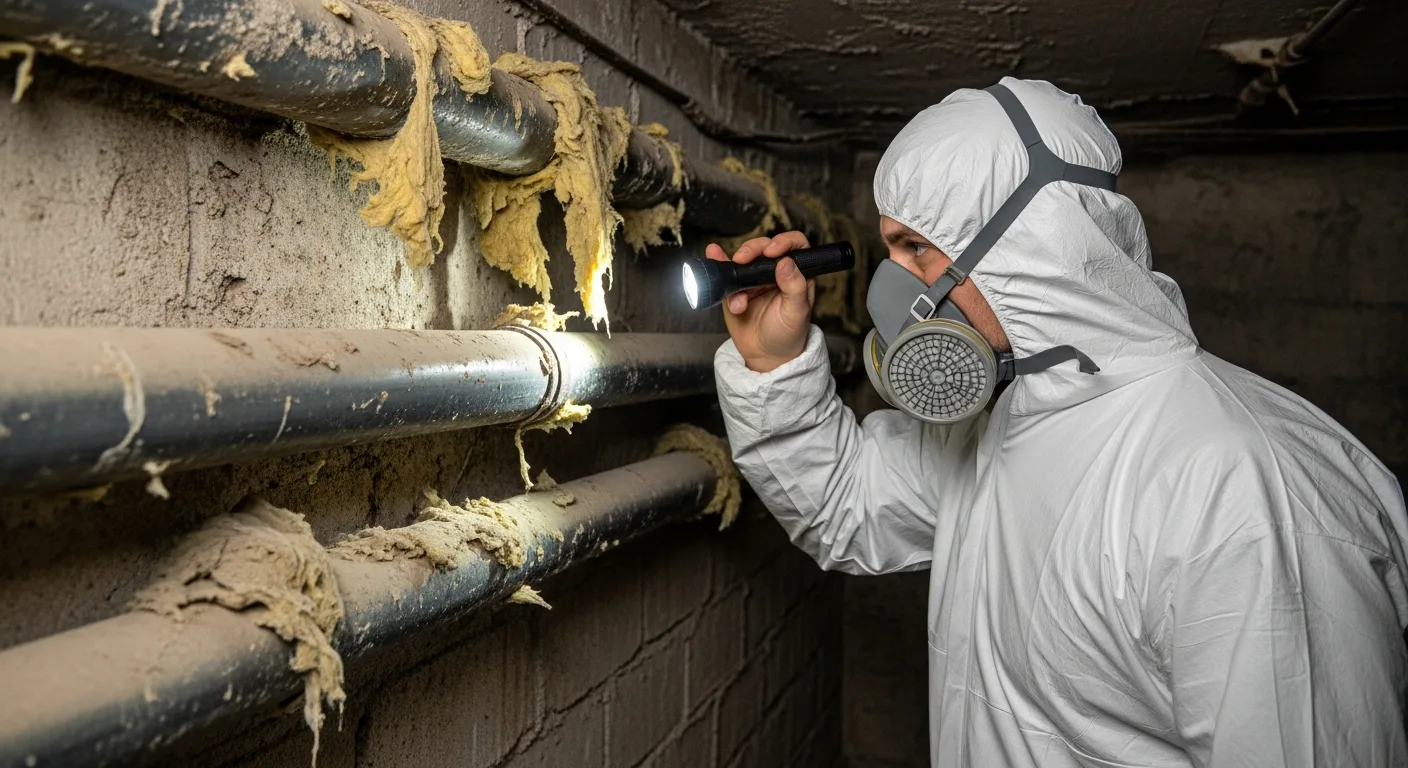
- HVAC Systems: Duct insulation and paper tape on furnace pipes often utilized asbestos for its heat-shielding properties.
The Homeowner’s Action Plan: What to Do if You Suspect Asbestos
If a man discovers material he suspects contains asbestos, his first instinct might be to remove it. However, the safest course of action is almost always to leave it alone. As long as the material is “friable” (easily crumbled) or showing signs of wear, it should be monitored. If it is in good condition, it poses very little risk.
If a homeowner is planning a structural change or a major renovation, he must have the material tested by a certified professional. Similar to how a professional would conduct a radon and air quality inspection, asbestos testing requires specialized equipment to detect microscopic fibers that are invisible to the naked eye. He should never attempt to take samples himself, as the act of cutting into the material can release the very fibers he is trying to avoid.
Professional Abatement vs. Encapsulation
When asbestos is found and deemed a risk, there are generally two paths a homeowner can take: abatement or encapsulation. Abatement involves the total removal of the material by a licensed contractor who uses specialized vacuums and sealing techniques to prevent contamination. This is often the most expensive route but provides the most permanent solution.
Encapsulation, on the other hand, involves sealing the asbestos material with a specialized coating that prevents fibers from escaping. This is often a preferred method for pipe insulation or flooring that is still in relatively good structural shape. A homeowner must weigh the costs and the long-term plans for his property when deciding which method he prefers.
Frequently Asked Questions
How can I tell if my house has asbestos?
You cannot identify asbestos simply by looking at it. The only definitive way for a homeowner to know is to hire a certified asbestos inspector to take samples and have them analyzed in a laboratory.
Is it illegal to have asbestos in my home?
No, it is not illegal to have asbestos-containing materials in a private residence. However, there are strict regulations regarding how it is handled, removed, and disposed of to prevent public health hazards.
Can I remove asbestos-containing floor tiles myself?
While some jurisdictions allow homeowners to perform their own removal, it is highly discouraged. A man risks contaminating his entire home and exposing himself to dangerous fibers without the proper protective gear and HEPA-filtered equipment.
What does asbestos look like?
In its raw form, it looks like fibrous rock. In building materials, it is often mixed with cement, plastic, or fabric, making it look like any other standard construction material. This is why professional testing is the only reliable identification method.