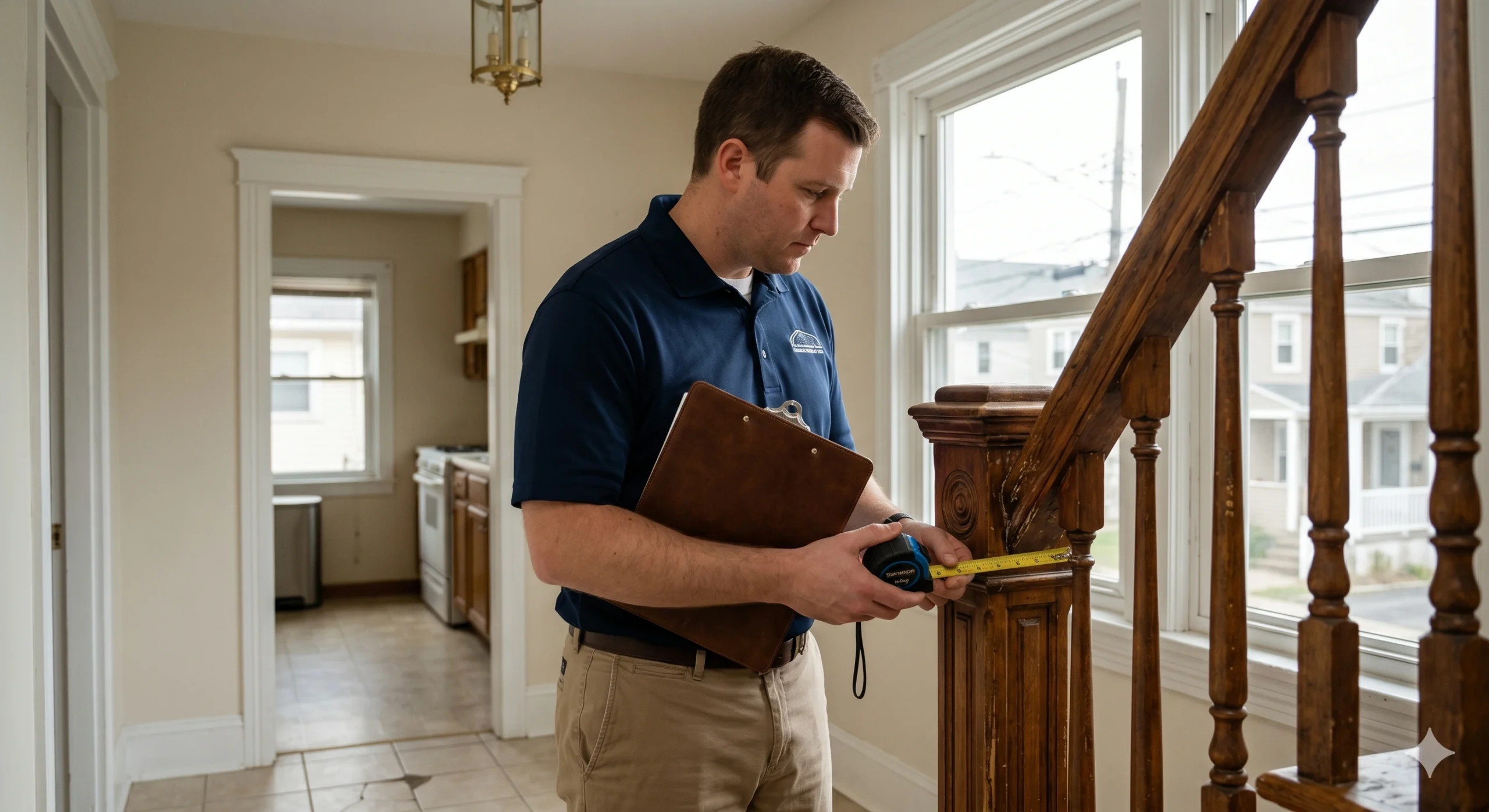
For most homeowners, the appraisal is the most nerve-wracking part of selling or refinancing. You’ve spent years maintaining the property, perhaps even thousands on upgrades, only to receive a report that doesn’t quite hit the mark. While most people understand that square footage and location matter, the nuances of how do appraisers determine value often remain a mystery to the average seller.
An appraisal is an unbiased professional opinion of a home’s value, but it is not just a random guess. It is a technical process governed by strict guidelines. If you are looking to maximize your return, understanding the fundamentals of property valuation is the first step toward a successful closing. Here are four surprising factors that can significantly influence your home’s appraised value in 2026.
1. The “Invisible” Impact of Neighborhood Comps
When asking what is house appraisal based on, the first answer is always “comparables,” or comps. However, what surprises many men in the middle of a sale is how specific these comps must be. An appraiser isn’t just looking at houses in your city; they are looking for homes within a one-mile radius that have sold within the last six months.
If your neighbor sold his house at a steep discount due to a divorce or a quick relocation, that “distressed sale” could lower your own valuation. Even if your home is in superior condition, the appraiser must justify your price against these local benchmarks. Understanding the local market climate is essential for any homeowner trying to gauge their equity accurately.
2. Unpermitted DIY Improvements
We all love a good weekend project. Whether it’s finishing a basement or adding a workshop in the backyard, these additions seem like great ways to build equity. However, unpermitted work is one of the primary things that can hurt a house appraisal. If an appraiser discovers that a bedroom or a deck was added without the proper municipal permits, they may be forced to exclude that square footage from the total valuation.
In some cases, unpermitted work can even be a liability. If the work doesn’t meet current 2026 safety codes, it could lead to a “subject to repair” valuation, meaning the loan won’t go through until the issues are rectified or permitted. Always keep your paperwork in order to prove that what goes into a house appraisal is both high-quality and legal.
3. Functional Obsolescence and Layout
You might have the most expensive granite countertops in the state, but if your home’s layout is inefficient, the value will suffer. This is known as functional obsolescence. For example, if a person has to walk through one bedroom to get to another, or if the only bathroom is located on the opposite side of the house from the primary suite, the appraiser will likely deduct value.
As you look into strategies for increasing home value, remember that flow and utility often trump aesthetic finishes. Modern buyers in 2026 prioritize open concepts and logical floor plans. If your home feels like a labyrinth, no amount of crown molding will fully offset the appraisal deduction for a poor layout.
4. The Health of Major Systems (HVAC and Electrical)
Many sellers assume that if the air conditioner turns on, it’s a checkmark in the “plus” column. But how is an appraisal done regarding mechanicals? The appraiser looks at the remaining economic life of your home’s major systems. An HVAC system that is 20 years old—even if it’s currently blowing cold air—is viewed as a looming expense for the next owner.
During the walkthrough, the appraiser will check the water heater, the electrical panel, and the roof. If these systems are nearing the end of their lifespan, it can lead to a lower valuation compared to a similar home with updated infrastructure. It’s often better to service these systems and have receipts ready to show the appraiser that you have been proactive with maintenance.
Summary of the Appraisal Process
To ensure you aren’t caught off guard, keep a checklist of these items before the appraiser arrives:
- Documentation: Have a list of all upgrades and the year they were completed.
- Permits: Ensure all structural or electrical work has a paper trail.
- Cleanliness: While a messy house shouldn’t technically affect the value, a clean, well-maintained home suggests a homeowner who cares for the property.
- Access: Make sure the appraiser can easily reach the attic, crawlspace, and all mechanical rooms.
By focusing on these often-overlooked details, you can enter the appraisal process with confidence, knowing you’ve addressed the hidden factors that truly drive property value.
Frequently Asked Questions
How long does a home appraisal usually take?
The physical inspection of the home typically takes between 30 and 60 minutes. However, the full report, which includes market research and comp analysis, can take anywhere from 3 to 7 days to complete.
Can I talk to the appraiser during the inspection?
Yes, you can certainly speak with the appraiser. It is helpful to provide them with a list of recent upgrades and any information about the neighborhood that might not be immediately obvious, such as a new school or park nearby.
What is the difference between a home inspection and an appraisal?
A home inspection is for the buyer’s benefit to find defects, while an appraisal is primarily for the lender to ensure the home is worth the loan amount. The appraiser focuses on value, whereas the inspector focuses on condition and safety.