The dream of the open road has undergone a significant transformation. No longer is RVing just about cramped quarters and minimalist living; today, it is about bringing the comforts of a residential home onto the highway. For families, digital nomads, and those who enjoy hosting guests, the 2 bedroom RV has emerged as the gold standard for long-term comfort and privacy.
The State of Multi-Room RVs in 2026
As we move through 2026, the RV industry has pivoted sharply toward ‘residential-style’ living. The rise of remote work and the ‘roadschooling’ movement have made separate living spaces a necessity rather than a luxury. Modern manufacturers are now prioritizing acoustic insulation and dedicated zones, often drawing inspiration from innovative tiny home floor plan concepts to maximize every square inch of available space.
Why Choose a 2 Bedroom Layout?
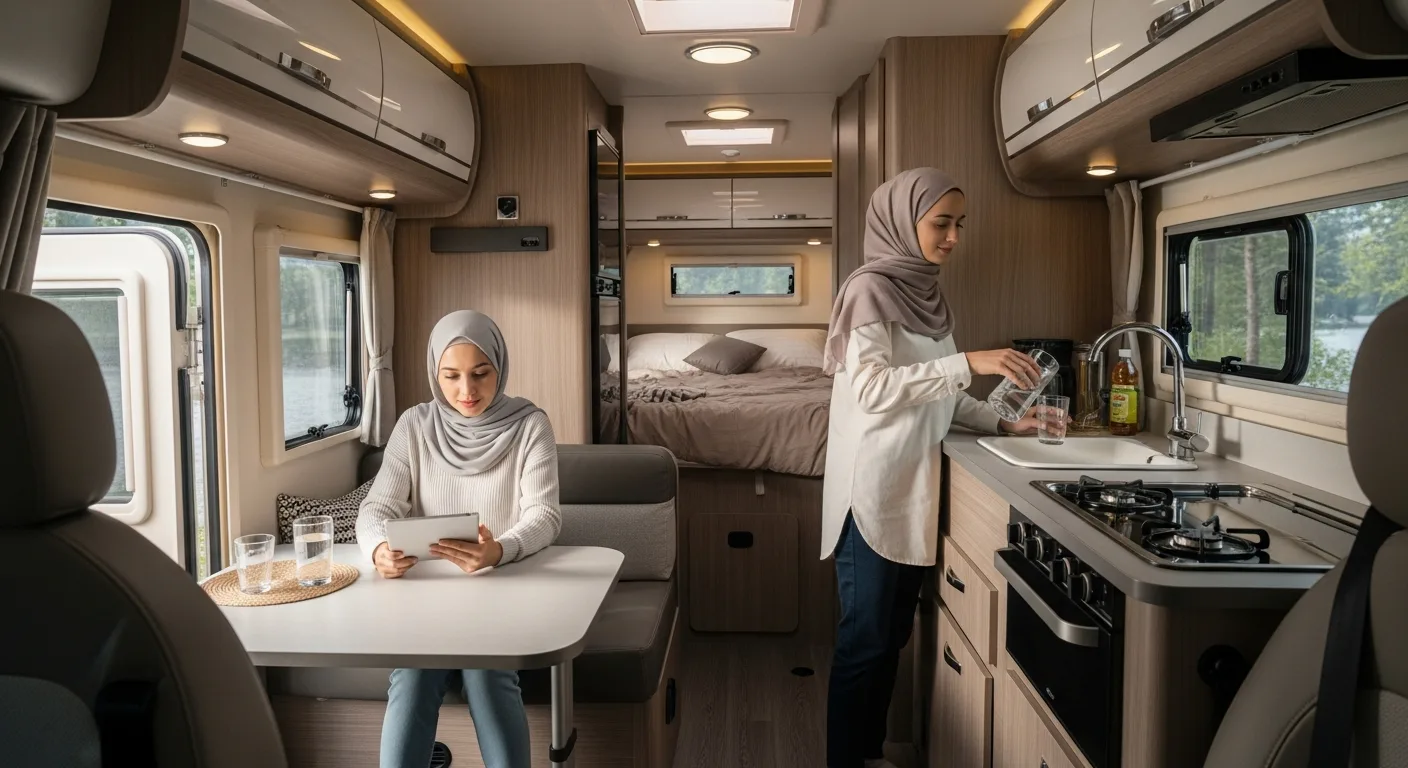
The most obvious benefit of a 2 bedroom RV is privacy. In a standard one-bedroom or studio-style layout, the living area often doubles as a sleeping space, requiring constant reconfiguration of furniture. A second bedroom provides a permanent sanctuary. This is particularly valuable for:
- Families with Children: Kids get their own space for toys, books, and sleep, while parents maintain their own suite.
- Remote Professionals: The second bedroom can easily be converted into a quiet, dedicated office.
- Couples Hosting Guests: Provide your friends or family with a private room rather than a fold-out sofa in the kitchen.
Popular 2 Bedroom RV Floor Plans
When shopping for a 2 bedroom RV, you will typically encounter three main configurations, each serving a different lifestyle need.
1. The Bunkhouse Fifth Wheel
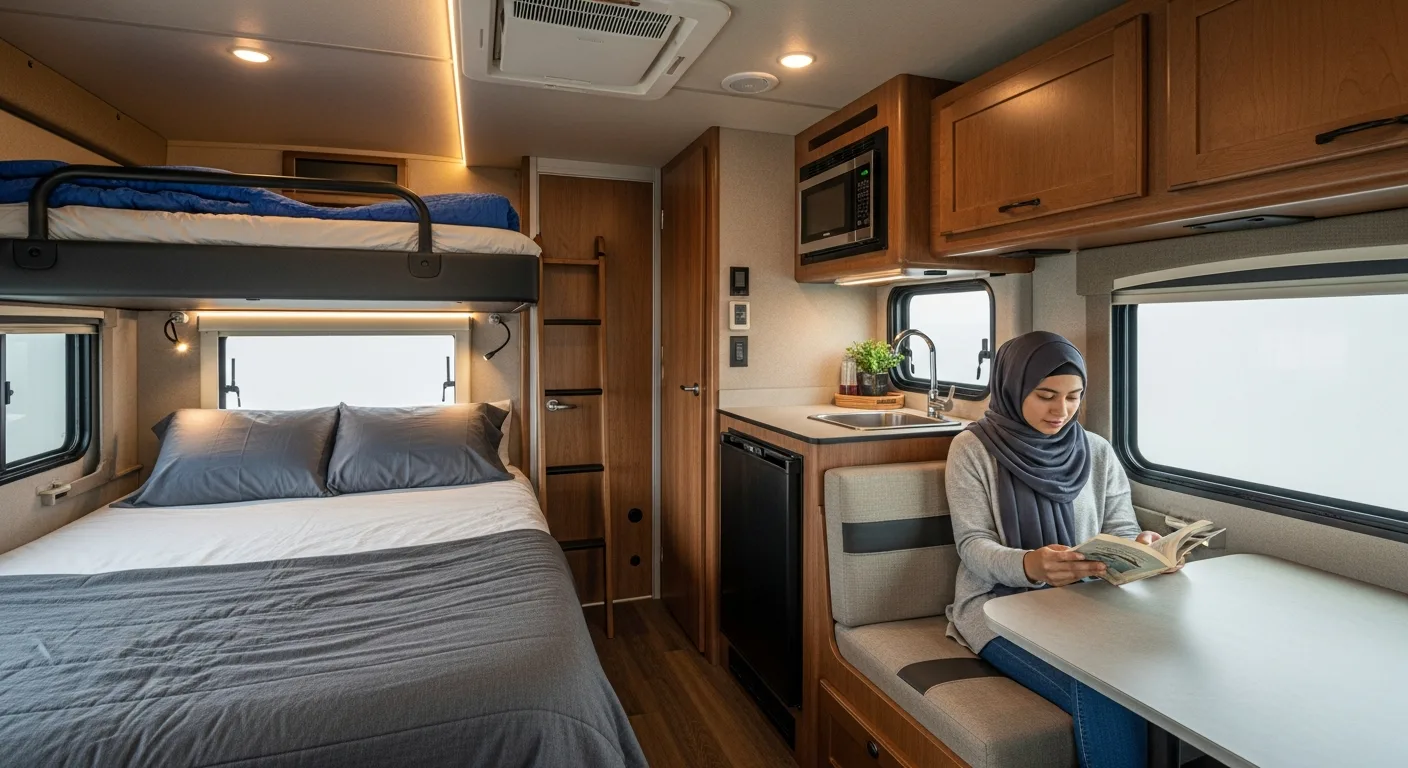
This is the quintessential family layout. Usually located at the rear of the RV, the bunkhouse features stacked beds and often a second ‘half-bath.’ This keeps the children’s gear contained in one area, preventing the main living room from becoming cluttered.
2. The Front and Rear Master Suite
Common in larger Class A motorhomes and luxury fifth wheels, this layout features a bedroom at each end of the coach. This offers the maximum possible distance between sleeping quarters, making it ideal for two couples traveling together. For those who want the same level of separation in a stationary setting, these layouts often rival quality 2-bedroom modular homes in terms of floor plan efficiency.
3. The Mid-Bunk or Loft Model
A mid-bunk layout places a small room in the center of the RV, often situated under a loft area. This is the most versatile option, as the mid-bunk can serve as a den, a nursery, or a workspace, while the loft provides extra storage or a sleeping nook for older children.
Key Considerations Before Buying
While the extra room is enticing, there are several factors to consider before making the leap:
- Weight and Towing: A second bedroom adds significant length and weight. Ensure your tow vehicle is rated for the increased Gross Vehicle Weight Rating (GVWR).
- Heating and Cooling: Multi-room RVs often require dual AC units to keep the airflow consistent throughout the entire coach.
- Slide-outs: Most 2 bedroom models rely on multiple slide-outs to create enough floor space. Be mindful of the maintenance required for these mechanical systems.
Frequently Asked Questions
Can you actually get an RV with two separate bedrooms?
Yes, many modern fifth wheels, destination trailers, and some Class A motorhomes feature two distinct sleeping areas, often referred to as a master suite and a bunkhouse or a second suite.
What is the best 2 bedroom RV for families?
Bunkhouse models are generally considered the best for families, as they provide a dedicated room for children with multiple beds and often a second bathroom.
Are 2 bedroom RVs harder to tow?
Typically, yes. Because of the extra length and weight required for a second bedroom, these units are often heavier and require a more powerful tow vehicle, such as a one-ton dually truck.