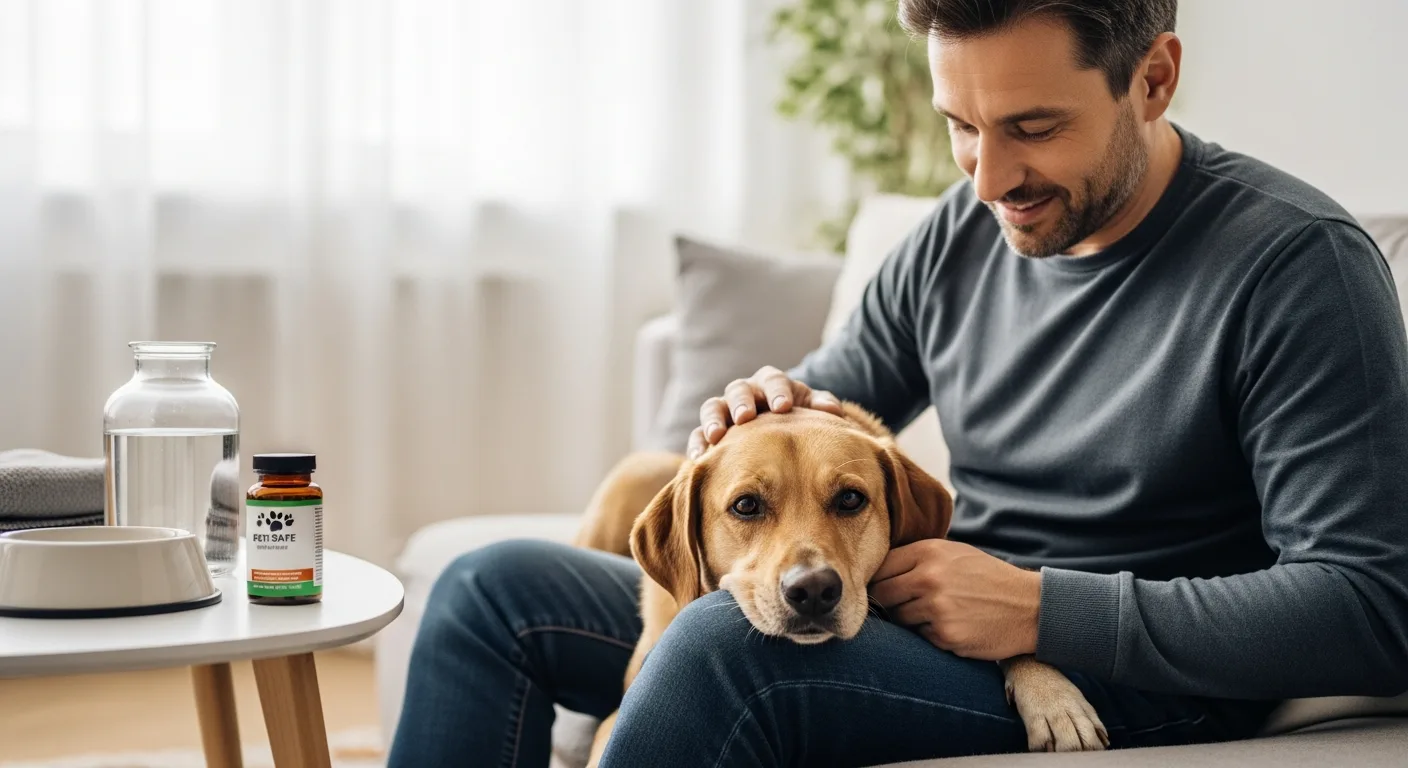
As a pet owner, noticing your dog struggling with a urinary tract infection (UTI) or pink eye can be distressing. These common ailments often prompt urgent questions about home care and veterinary intervention. While some mild cases may respond to natural treatments, understanding the limits of home remedies is crucial for your dog’s health. This guide provides safe, evidence-based approaches for managing dog UTIs and eye infections at home, along with clear signs that indicate it’s time to seek professional help. By combining practical home strategies with awareness of red flags, you can support your pet’s recovery and prevent complications.
To treat a UTI in a dog at home, increase water intake with broths or wet food, offer cranberry supplements (unsweetened), and maintain hygiene. For pink eye, use saline solution to flush the eye and apply warm compresses. Always consult a vet if symptoms persist beyond 24-48 hours, as infections may require antibiotics.
Understanding Dog UTIs: Causes and Symptoms
Urinary tract infections in dogs occur when bacteria, often E. coli, enter the urinary system, leading to inflammation and discomfort. Common causes include poor hygiene, underlying health conditions like diabetes, or anatomical factors. Recognizing the symptoms early can help you intervene promptly. Key signs include:
- Frequent urination with small amounts
- Straining or crying while urinating
- Blood in the urine (hematuria)
- Accidents in the house despite training
- Licking the genital area excessively
- Lethargy or loss of appetite
If left untreated, UTIs can spread to the kidneys, causing more serious issues. For related pet health concerns, such as skin conditions, our guide on pet skin solutions offers insights into managing other common ailments naturally.
Home Remedies for Dog UTIs: Natural Treatment Options
For mild UTIs, home remedies can support recovery by boosting hydration and urinary health. Always monitor your dog closely and discontinue if symptoms worsen. Here are effective natural treatments:
- Increase Water Intake: Encourage drinking by adding low-sodium chicken or beef broth to water, or switch to wet food to increase moisture.
- Cranberry Supplements: Use unsweetened cranberry juice or capsules, which contain compounds that may prevent bacteria from adhering to the bladder wall.
- Probiotics: Introduce probiotic supplements or plain yogurt to promote healthy gut and urinary flora, reducing infection risk.
- Apple Cider Vinegar: Add a teaspoon to water (diluted) to create a more acidic urinary environment, but use cautiously and consult a vet first.
- Herbal Remedies: Consider herbs like marshmallow root or uva ursi, but only under veterinary guidance to avoid toxicity.
Maintaining cleanliness is also vital; regularly clean your dog’s bedding and ensure proper grooming. For more on natural pet care, explore our article on alopecia in dogs home remedies, which covers holistic approaches to skin and coat health.
Pink Eye in Dogs: Home Treatment Strategies
Pink eye, or conjunctivitis, in dogs involves inflammation of the eye’s lining, often due to allergies, bacteria, or irritants. Home treatment can soothe mild cases, but severe infections require vet care. Symptoms include redness, discharge, squinting, and pawing at the eye. Follow these steps for safe home management:
- Saline Solution Flush: Use sterile saline to gently rinse the eye, removing debris and discharge. Avoid tap water to prevent irritation.
- Warm Compresses: Apply a clean, warm cloth to the eye for 5-10 minutes several times a day to reduce swelling and discomfort.
- Herbal Eye Washes: Chamomile or calendula teas (cooled) can be used as mild antiseptic rinses, but test for allergies first.
- Prevent Irritation: Keep your dog from rubbing their eye with a cone or by trimming hair around the area.
- Boost Immunity:
- Provide a balanced diet rich in vitamins A and C.
- Ensure adequate rest and reduce stress.
If symptoms include thick discharge or vision changes, seek veterinary advice promptly. For other eye-related issues, our dog eye infection treatment home remedy guide offers additional tips.
When to Visit a Vet: Red Flags and Emergency Signs
While home remedies can help, certain symptoms indicate a need for professional veterinary care. Delaying treatment can lead to complications like kidney damage or vision loss. Use this table to compare home care vs. vet visits:
| Symptom | Home Care Appropriate? | Vet Visit Needed? |
|---|---|---|
| Mild straining during urination | Yes, with monitoring | No, unless it persists |
| Blood in urine | No | Yes, immediately |
| Eye redness with clear discharge | Yes, for 24-48 hours | No, unless it worsens |
| Thick, yellow/green eye discharge | No | Yes, as it may indicate infection |
| Lethargy or fever | No | Yes, for diagnosis |
| Loss of appetite or vomiting | No | Yes, urgently |
General guidelines: Visit a vet if symptoms don’t improve within 24-48 hours, if there’s severe pain, or if your dog has underlying health issues. For emergencies like breathing difficulties, refer to our cat difficulty breathing home remedy guide, which includes first-aid tips applicable to dogs.
Preventive Measures for UTIs and Eye Infections
Prevention is key to reducing the risk of UTIs and pink eye in dogs. Implement these strategies to support long-term health:
- Hydration and Diet:
- Provide fresh water daily and consider moisture-rich foods.
- Avoid foods high in sugars or additives that can irritate the urinary tract.
- Hygiene Practices:
- Regularly clean your dog’s living areas and grooming tools.
- Wipe genital areas after outdoor activities to prevent bacterial buildup.
- Regular Vet Check-ups: Schedule annual exams to catch issues early, especially for senior dogs or breeds prone to infections.
- Environmental Controls: Reduce exposure to allergens or irritants that can trigger eye problems, such as dust or chemicals.
- Stress Management: Minimize stress through exercise and routine, as anxiety can weaken the immune system.
For more on maintaining a healthy home environment, check out our article on types of mites in homes, which includes tips for pest control that can impact pet health.
FAQs: People Also Ask About Dog UTIs and Pink Eye
Can I use human antibiotics for my dog’s UTI at home?
No, never give human antibiotics to your dog without veterinary prescription. Dosages and types differ, and misuse can cause toxicity or antibiotic resistance. Always consult a vet for proper medication.
How long does it take for home remedies to work on a dog UTI?
Mild symptoms may improve within 24-48 hours with increased hydration and cranberry supplements. If no improvement occurs, seek veterinary care to prevent escalation.
Is pink eye in dogs contagious to humans or other pets?
It can be, depending on the cause. Bacterial or viral conjunctivitis may spread between dogs or, rarely, to humans. Practice good hygiene, like washing hands, and isolate affected pets if possible.
What are the best natural supplements for preventing dog UTIs?
Cranberry supplements, probiotics, and omega-3 fatty acids are effective. Ensure they are dog-safe and consult a vet for appropriate dosages based on your pet’s size and health.
When should I worry about my dog’s eye discharge?
Worry if discharge is thick, yellow, green, or accompanied by squinting, redness, or behavioral changes. These signs often indicate infection requiring veterinary treatment.
Can diet alone cure a dog UTI?
Diet can support recovery but usually won’t cure an active infection. Combine dietary changes with other remedies and vet care for best results.
Are there any risks to using apple cider vinegar for dog UTIs?
Yes, overuse can upset stomach or cause acidosis. Always dilute it and use in moderation, and stop if your dog shows adverse reactions like vomiting.
How can I tell if my dog’s UTI is getting worse?
Signs of worsening include increased frequency of urination, visible pain, lethargy, fever, or blood in urine. Seek immediate vet attention if these occur.