Leveling a mobile home is a critical maintenance task that ensures structural integrity, prevents damage to floors and walls, and improves overall comfort. Over time, settling soil, shifting foundations, and weather conditions can cause your home to become uneven, leading to issues like sticking doors, cracked drywall, and plumbing problems. While professional leveling services are available, many homeowners opt for a DIY approach to save money and gain hands-on control. This comprehensive guide will walk you through how to level a mobile home yourself, covering everything from concrete footers for mobile home stability to mobile home piers and pads, along with detailed cost breakdowns and safety considerations. Whether you’re dealing with minor adjustments or a full re-leveling project, understanding the process can help you tackle it confidently and efficiently.
To level a mobile home yourself, start by assessing unevenness with a level, then use concrete pads and piers to stabilize and adjust the foundation. Key steps include preparing the site, installing footers, adjusting piers, and securing the home, with costs ranging from $500 to $3,000 depending on materials and complexity.
Why Leveling Your Mobile Home Is Essential
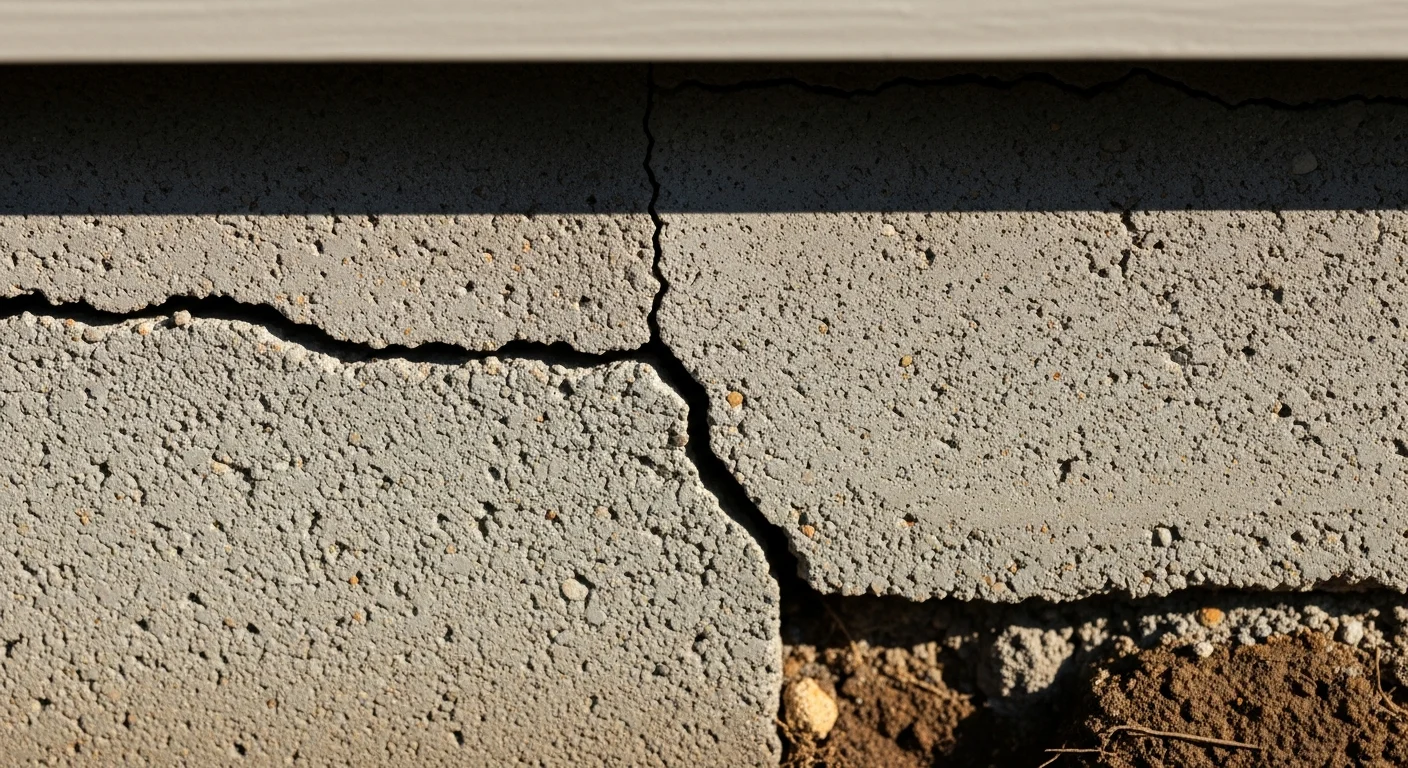
An unlevel mobile home can lead to serious structural and functional issues. When the foundation is uneven, stress is placed on the frame, walls, and floors, causing cracks, warping, and even failure of key components. For example, plumbing lines may leak or back up, doors and windows might not close properly, and HVAC systems can become inefficient. Regular leveling helps maintain the home’s value and safety. It’s often recommended to check leveling annually, especially after heavy rains or seasonal changes. If you notice signs like sloping floors or gaps in trim, it’s time to take action. For more on maintaining your mobile home’s structure, see our guide on mobile home structural repair.
Tools and Materials Needed for DIY Leveling
Before starting, gather the right tools and materials to ensure a smooth process. Here’s a list of essentials:
- Concrete pads or footers (pre-cast or poured on-site)
- Steel or concrete piers (adjustable or fixed)
- Hydraulic jacks (rated for the home’s weight)
- Level (laser or bubble type for accuracy)
- Shims and blocking materials
- Safety gear (gloves, goggles, sturdy boots)
- Measuring tape and markers
Choosing quality materials is crucial for long-term stability. Concrete footers for mobile home foundations should be at least 12 inches thick to distribute weight evenly. For a detailed look at installation processes, check out our mobile home installation guide.
Step-by-Step Guide to Leveling a Mobile Home
Follow these steps to level your mobile home safely and effectively:
- Assess the Current Level: Use a level to measure unevenness along the frame. Mark low and high spots with chalk.
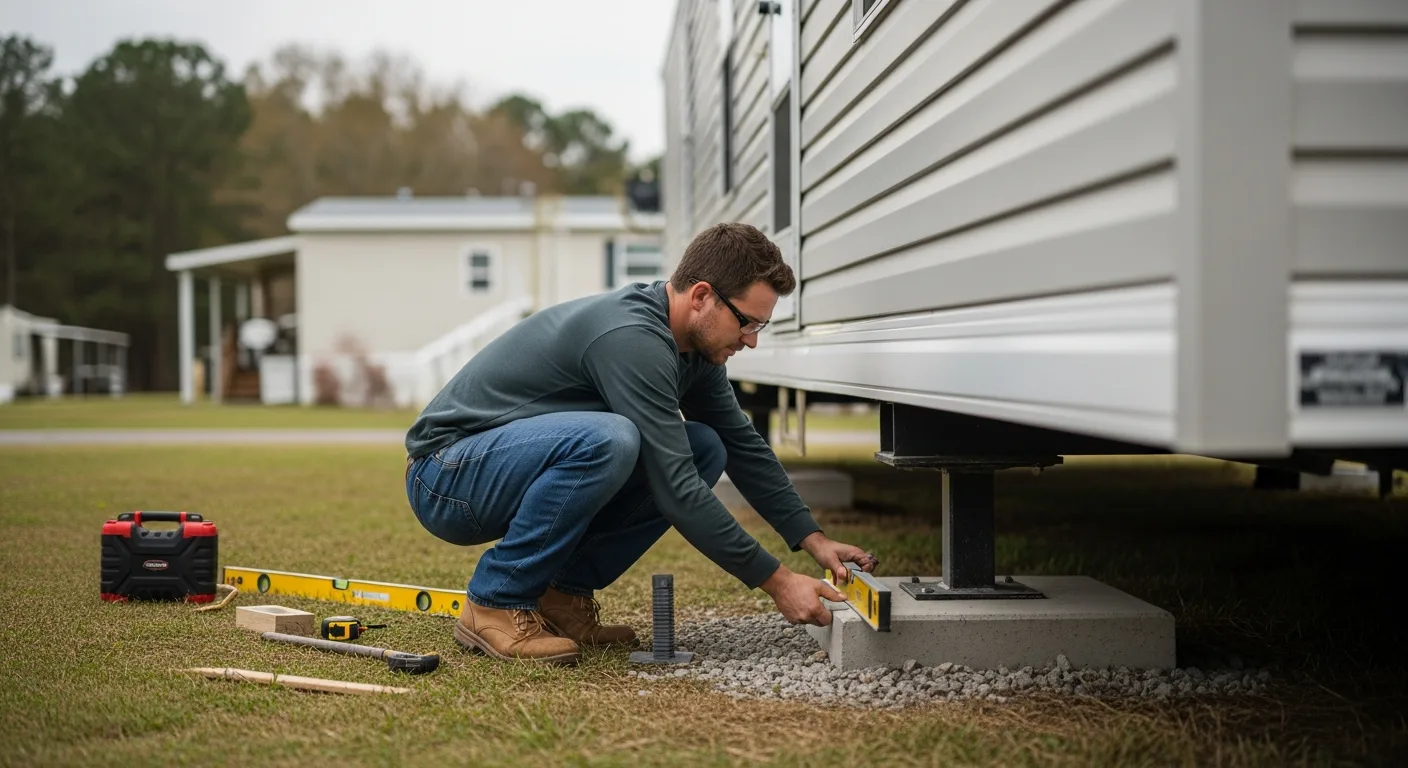
- Prepare the Site: Clear debris and ensure the ground is compacted. Install concrete pads at designated points, typically every 6-8 feet along the frame.
- Install Piers: Place adjustable piers on the pads. Use hydraulic jacks to lift the home slightly, then secure piers in place.
- Adjust for Level: Gradually adjust piers until the home is level in all directions. Recheck with the level multiple times.
- Secure and Finish: Add shims if needed, then tighten all connections. Ensure the home is anchored properly to prevent shifting.
This process requires patience and precision. If you’re unsure, consult a professional or refer to resources like our mobile home anchoring guide for additional tips.
Cost Breakdown for Mobile Home Leveling
Understanding mobile home leveling cost helps budget your project. Costs vary based on materials, home size, and whether you DIY or hire a pro. Here’s a comparison:
| Item | DIY Cost Range | Professional Cost Range |
|---|---|---|
| Concrete Pads | $50 – $150 | $100 – $300 |
| Piers (per unit) | $20 – $50 | $40 – $100 |
| Labor | $0 (self) | $500 – $2,000 |
| Total (avg. home) | $500 – $1,500 | $1,500 – $3,000 |
DIY can save up to 50%, but factor in tool rentals and potential mistakes. For more on cost-effective home improvements, explore our mobile home remodeling ideas.
Types of Concrete Pads and Piers
Selecting the right foundation components is key. Here are common options:
- Pre-cast Concrete Pads: Ready-made, easy to install, ideal for DIY. Ensure they’re rated for your home’s weight.
- Poured Concrete Footers: Customizable and durable, but require more time and skill. Suitable for permanent setups.
- Adjustable Steel Piers: Allow for fine-tuning during leveling. Corrosion-resistant options are best for humid areas.
- Concrete Block Piers: Cost-effective but less adjustable. Often used with pads for added stability.
Consider your local climate and soil type when choosing. For instance, in wet regions, proper drainage around pads is essential to prevent sinking. Learn more about foundation options in our modular home foundations guide.
Safety Tips and Common Mistakes to Avoid
DIY leveling involves risks, so prioritize safety:
- Never work alone—have a helper for lifting and adjustments.
- Use jacks with adequate capacity and place them on stable surfaces.
- Avoid over-lifting, which can damage the frame or cause instability.
- Check for utilities (e.g., plumbing, electrical) before digging or installing pads.
Common mistakes include using inadequate materials, skipping regular checks, and not securing the home after leveling. For ongoing maintenance, refer to our master maintenance checklist.
When to Call a Professional
While DIY is feasible for minor leveling, some situations require expert help:
- Severe settling or structural damage (e.g., cracked beams)
- Complex terrain or poor soil conditions
- Lack of experience with heavy lifting or construction
- Time constraints or safety concerns
Professionals can ensure compliance with local codes and provide warranties. If you’re dealing with related issues like roof or plumbing problems, our mobile home plumbing guide offers insights.
Frequently Asked Questions (FAQs)
How often should I level my mobile home?
Check leveling annually, especially after extreme weather. Mobile homes may need re-leveling every 5-10 years due to natural settling.
Can I use wood blocks instead of concrete pads?
Wood blocks are not recommended for long-term use as they can rot or compress. Concrete pads provide better durability and weight distribution.
What’s the difference between piers and pads?
Pads are flat bases that distribute weight on the ground, while piers are vertical supports that rest on pads and adjust the home’s height.
How do I know if my mobile home is unlevel?
Look for signs like sloping floors, doors that won’t close, cracks in walls, or windows that stick. Use a level to confirm measurements.
Is DIY leveling safe for beginners?
Yes, with proper research, tools, and caution. Start with small adjustments and consider consulting guides or professionals for complex cases.
What affects mobile home leveling cost the most?
Labor costs and material quality are the biggest factors. DIY reduces labor, but high-quality concrete and piers can increase material expenses.
Can leveling fix plumbing issues in my mobile home?
Yes, leveling can resolve leaks or backups caused by misaligned pipes. However, severe plumbing damage may require separate repairs.