Choosing the right heating and cooling system for your mobile home is a critical decision that impacts comfort, energy bills, and long-term value. With options ranging from traditional furnaces to modern heat pumps, homeowners often find themselves weighing efficiency against reliability in climates that can swing from freezing winters to sweltering summers. This guide dives deep into the pros and cons of heat pumps versus furnaces, specifically tailored for mobile homes, to help you make an informed choice that suits your budget and lifestyle.
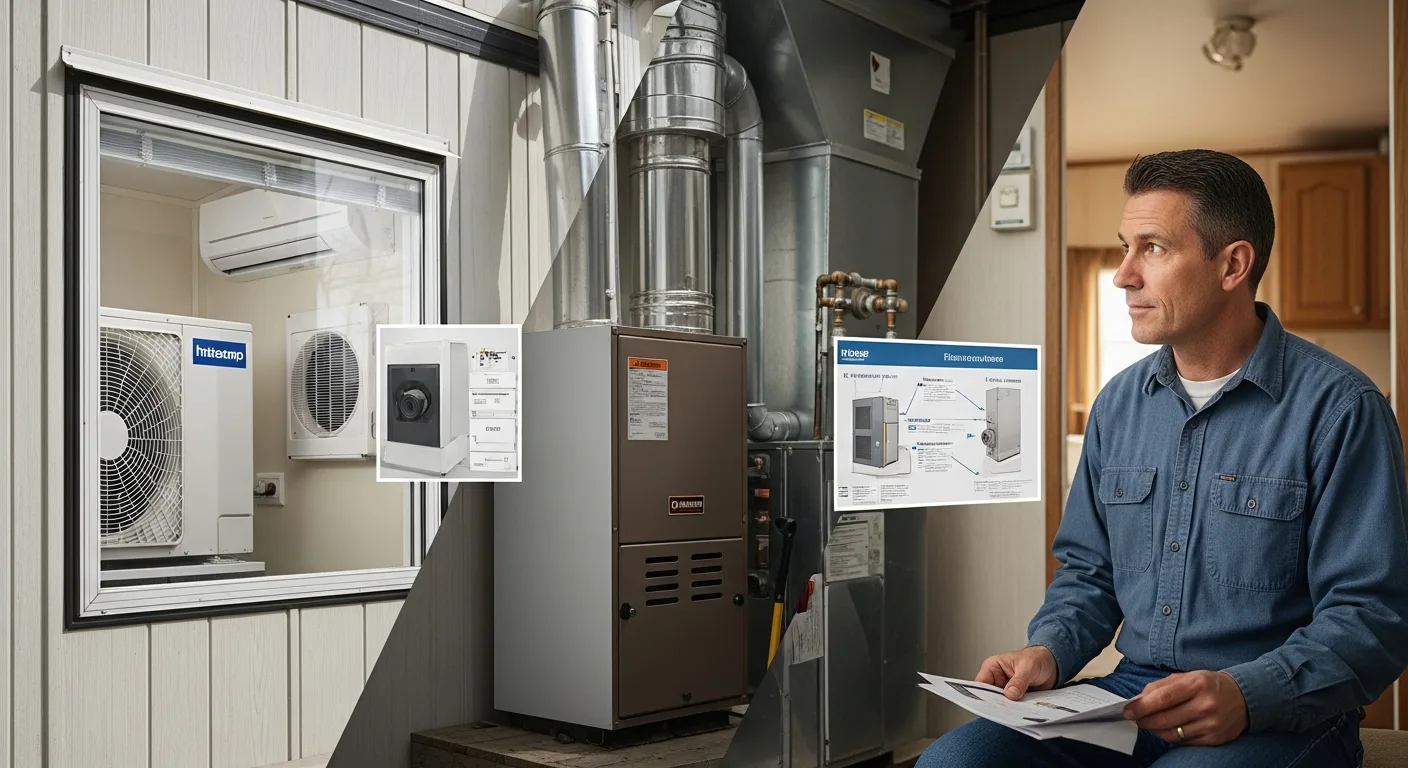
For most mobile homes, a heat pump is more efficient and cost-effective in mild to moderate climates, providing both heating and cooling in one unit. However, in very cold regions, a furnace (especially electric or gas) may be more reliable for consistent warmth. Consider your local climate, energy costs, and upfront budget when deciding between a heat pump for mobile home or a traditional furnace and air conditioner setup.
Understanding Heat Pumps for Mobile Homes
A heat pump is an all-in-one HVAC system that transfers heat rather than generating it, making it highly efficient for both heating and cooling. In a mobile home, where space and insulation can be challenges, heat pumps offer a compact solution that can reduce energy consumption by up to 50% compared to electric furnaces. They work by extracting heat from the outside air (even in cold weather) and moving it indoors, reversing the process in summer to cool your home. This dual functionality makes them ideal for regions with temperate winters, though their efficiency can drop in extreme cold, often requiring a backup heat source.
Pros and Cons of Heat Pumps
Heat pumps are celebrated for their energy efficiency and versatility, but they come with trade-offs. On the plus side, they lower utility bills, provide year-round comfort, and have a longer lifespan with proper maintenance. However, they can struggle in sub-freezing temperatures, leading to higher operating costs or the need for supplemental heating. Installation may also be more complex, especially in older mobile homes with existing ductwork that might need upgrades. For a deeper look at HVAC setups, check out our guide on mobile home HVAC systems.
- Pros: High efficiency, dual heating/cooling, lower long-term costs, eco-friendly.
- Cons: Less effective in extreme cold, higher upfront cost, may need backup heat.
Understanding Furnaces for Mobile Homes
Furnaces, whether electric, gas, or oil, generate heat by burning fuel or using electrical resistance, making them powerful and reliable in cold climates. An electric furnace mobile home setup is common due to its simplicity and lower installation cost, but it can be expensive to run because it converts electricity directly to heat. Gas furnaces are more efficient but require a gas line, which may not be available in all mobile home parks. Furnaces typically pair with a separate air conditioner for cooling, adding to the overall system complexity and cost.
Pros and Cons of Furnaces
Furnaces excel in providing consistent, powerful heat regardless of outdoor temperatures, making them a go-to for harsh winters. They are generally cheaper to install than heat pumps and have a straightforward design that’s easier to repair. On the downside, they are less energy-efficient, leading to higher monthly bills, and they only handle heating, requiring a separate unit for cooling. This can take up more space and increase maintenance needs. For tips on maintaining your system, see our article on mobile home heating and insulation.
- Pros: Reliable in cold weather, lower initial cost, simple operation.
- Cons: Higher energy bills, separate cooling needed, less eco-friendly.
Efficiency Comparison: Heat Pump vs. Furnace
When comparing efficiency, heat pumps often come out ahead due to their heat transfer technology. They can achieve a Heating Seasonal Performance Factor (HSPF) of 8-10, meaning they produce 8-10 units of heat per unit of electricity, while electric furnaces have an efficiency of nearly 100% but use more energy overall. In mild climates, heat pumps can save 30-40% on heating costs compared to electric furnaces. However, in areas with prolonged freezing temps, furnaces might be more efficient because heat pumps lose effectiveness and may rely on less efficient backup heat strips.
| Feature | Heat Pump | Furnace |
|---|---|---|
| Efficiency (HSPF/AFUE) | High (8-10 HSPF) | Moderate (80-98% AFUE) |
| Best For Climate | Mild to moderate | Cold to extreme cold |
| Upfront Cost | $$$ | $$ |
| Long-Term Savings | High | Low to moderate |
| Heating & Cooling | Yes (all-in-one) | Heating only |
Cost Analysis: Installation and Operation
The cost of a heat pump for mobile home typically ranges from $3,000 to $7,000 installed, depending on size and complexity, while an electric furnace mobile home setup might cost $2,000 to $5,000, plus an additional $1,500 to $3,000 for a separate air conditioner. Operationally, heat pumps can save $300 to $500 annually on energy bills in suitable climates, but in cold areas, their efficiency drops, potentially narrowing the savings gap. Consider your local electricity or gas rates—if electricity is cheap, an electric furnace might be more affordable to run, but if gas is available, a gas furnace could offer better value.
- Upfront Costs: Heat pumps are pricier but include cooling; furnaces are cheaper but need AC add-ons.
- Operating Costs: Heat pumps save money in mild climates; furnaces may cost more long-term.
- Maintenance: Both require regular checks, but heat pumps have more components to service.
Installation Considerations for Mobile Homes
Installing a mobile home HVAC system requires careful planning due to space constraints and structural differences from site-built homes. Heat pumps need an outdoor unit and compatible ductwork, which may need upgrades in older models. Furnaces, especially electric ones, are easier to fit into compact utility areas but still require proper venting and electrical connections. Always hire a professional familiar with mobile homes to ensure safety and efficiency. For more on installation basics, refer to our mobile home installation guide.
Climate Suitability and Regional Recommendations
Your local climate is the biggest factor in choosing between a heat pump and furnace. In the South or coastal areas with mild winters, a heat pump is ideal for its year-round efficiency. In the North or mountainous regions with harsh cold, a furnace (gas or electric) paired with an air conditioner may be better for reliable heat. Hybrid systems that combine a heat pump with a furnace backup offer a compromise, using the heat pump most of the year and switching to the furnace in extreme cold.
- Heat Pump Zones: Southeast, Southwest, Pacific Coast—where temps rarely drop below freezing.
- Furnace Zones: Northeast, Midwest, Rockies—for consistent heat in snowy conditions.
- Hybrid Option: Consider in transitional climates like the Mid-Atlantic.
Maintenance and Longevity
Both systems require regular maintenance to last. Heat pumps should be serviced twice a year (spring and fall) to clean coils and check refrigerant levels, with a lifespan of 10-15 years. Furnaces need annual inspections, especially for filters and burners, and can last 15-20 years. Neglecting maintenance can lead to breakdowns and higher costs, so factor in ongoing care when budgeting. For structural tips that affect HVAC performance, explore our mobile home structural repair guide.
Frequently Asked Questions
Can a heat pump work in a mobile home?
Yes, heat pumps are suitable for mobile homes, especially in mild climates. They require proper sizing and installation to match the home’s insulation and ductwork. In colder areas, a backup heat source may be needed for optimal performance.
Is an electric furnace cheaper than a heat pump?
Initially, an electric furnace is often cheaper to install, but a heat pump can save more on energy bills over time in moderate climates. In cold regions, the furnace might be cheaper to operate due to the heat pump’s reduced efficiency.
How do I choose between a furnace and air conditioner for mobile home vs. a heat pump?
Consider your climate, budget, and energy costs. If you live in a cold area and prioritize reliable heat, a furnace with a separate AC unit may be best. For milder climates and lower long-term costs, a heat pump offers all-in-one convenience.
What size heat pump do I need for my mobile home?
Size depends on square footage, insulation, and climate. A typical single-wide mobile home (800-1,200 sq ft) may need a 1.5-2.5 ton unit. Consult an HVAC professional for an accurate assessment based on your specific home.
Can I install a heat pump myself in a mobile home?
It’s not recommended due to the complexity of electrical and refrigerant work. Improper installation can void warranties and reduce efficiency. Hire a licensed technician experienced with mobile home HVAC systems for safety and best results.
Do heat pumps work in freezing weather?
Modern heat pumps can operate in temperatures as low as -15°F, but efficiency declines below freezing. In very cold climates, they often use backup electric heat strips, which can increase energy use.
How much does it cost to replace a furnace with a heat pump in a mobile home?
Replacement costs range from $4,000 to $8,000, including removal of the old system, new ductwork if needed, and installation. Savings on energy bills can offset this over 5-10 years in suitable climates.
Frequently Asked Questions
Can a heat pump work in a mobile home?
Yes, heat pumps are suitable for mobile homes, especially in mild climates. They require proper sizing and installation to match the home’s insulation and ductwork. In colder areas, a backup heat source may be needed for optimal performance.
Is an electric furnace cheaper than a heat pump?
Initially, an electric furnace is often cheaper to install, but a heat pump can save more on energy bills over time in moderate climates. In cold regions, the furnace might be cheaper to operate due to the heat pump’s reduced efficiency.
How do I choose between a furnace and air conditioner for mobile home vs. a heat pump?
Consider your climate, budget, and energy costs. If you live in a cold area and prioritize reliable heat, a furnace with a separate AC unit may be best. For milder climates and lower long-term costs, a heat pump offers all-in-one convenience.
What size heat pump do I need for my mobile home?
Size depends on square footage, insulation, and climate. A typical single-wide mobile home (800-1,200 sq ft) may need a 1.5-2.5 ton unit. Consult an HVAC professional for an accurate assessment based on your specific home.
Can I install a heat pump myself in a mobile home?
It’s not recommended due to the complexity of electrical and refrigerant work. Improper installation can void warranties and reduce efficiency. Hire a licensed technician experienced with mobile home HVAC systems for safety and best results.
Do heat pumps work in freezing weather?
Modern heat pumps can operate in temperatures as low as -15°F, but efficiency declines below freezing. In very cold climates, they often use backup electric heat strips, which can increase energy use.
How much does it cost to replace a furnace with a heat pump in a mobile home?
Replacement costs range from $4,000 to $8,000, including removal of the old system, new ductwork if needed, and installation. Savings on energy bills can offset this over 5-10 years in suitable climates.