Creating a productive home office isn’t just about having a desk and a chair—it’s about designing a space that minimizes distractions and maximizes focus. With remote work becoming the norm, many struggle with noise from household activities, street sounds, or even echoes in empty rooms. Poor acoustics can lead to decreased productivity, increased stress, and difficulty concentrating during meetings. By combining soundproofing techniques with thoughtful layouts, you can transform your workspace into a haven of calm and efficiency. This guide explores practical strategies for home office acoustics, integrating elements like acoustic panels and Feng Shui principles to create an environment that supports both your work and well-being.
To optimize home office acoustics, start by identifying noise sources and using soundproofing methods like sealing gaps, adding rugs, and installing acoustic panels. Arrange your layout based on Feng Shui principles—place your desk in a command position, use natural light, and incorporate plants for better energy flow. Combine these with ergonomic furniture and strategic decor to reduce echoes and distractions, enhancing focus and productivity.
Understanding Home Office Acoustics
Acoustics in a home office refer to how sound behaves in the space, including noise transmission, echoes, and overall sound quality. Poor acoustics can make it hard to hear during video calls or concentrate on tasks. Key factors include:
- Noise Sources: External sounds (traffic, neighbors), internal sounds (appliances, family members), and structural noise (echoes in empty rooms).
- Sound Absorption: Materials that soak up sound waves, like carpets or acoustic panels, to reduce reverberation.
- Sound Blocking: Techniques to prevent noise from entering or leaving the room, such as sealing doors or using heavy curtains.
By addressing these elements, you can create a quieter, more focused environment. For example, adding soft furnishings can dampen echoes, while proper insulation can block outside noise. Integrating these strategies with a well-planned layout ensures your office is both functional and peaceful. If you’re setting up a new workspace, consider checking out our guide on Feng Shui home office setup for tips on lighting and art placement that complement acoustic improvements.
Soundproofing Techniques for Your Home Office
Soundproofing is essential for minimizing distractions and creating a professional atmosphere. Start by assessing your room’s vulnerabilities, such as gaps under doors or thin walls. Here are effective methods:
- Seal Gaps and Cracks: Use weatherstripping or acoustic sealant around doors, windows, and electrical outlets to block noise leaks.
- Add Mass to Walls: Install drywall or soundproofing mats to reduce sound transmission between rooms.
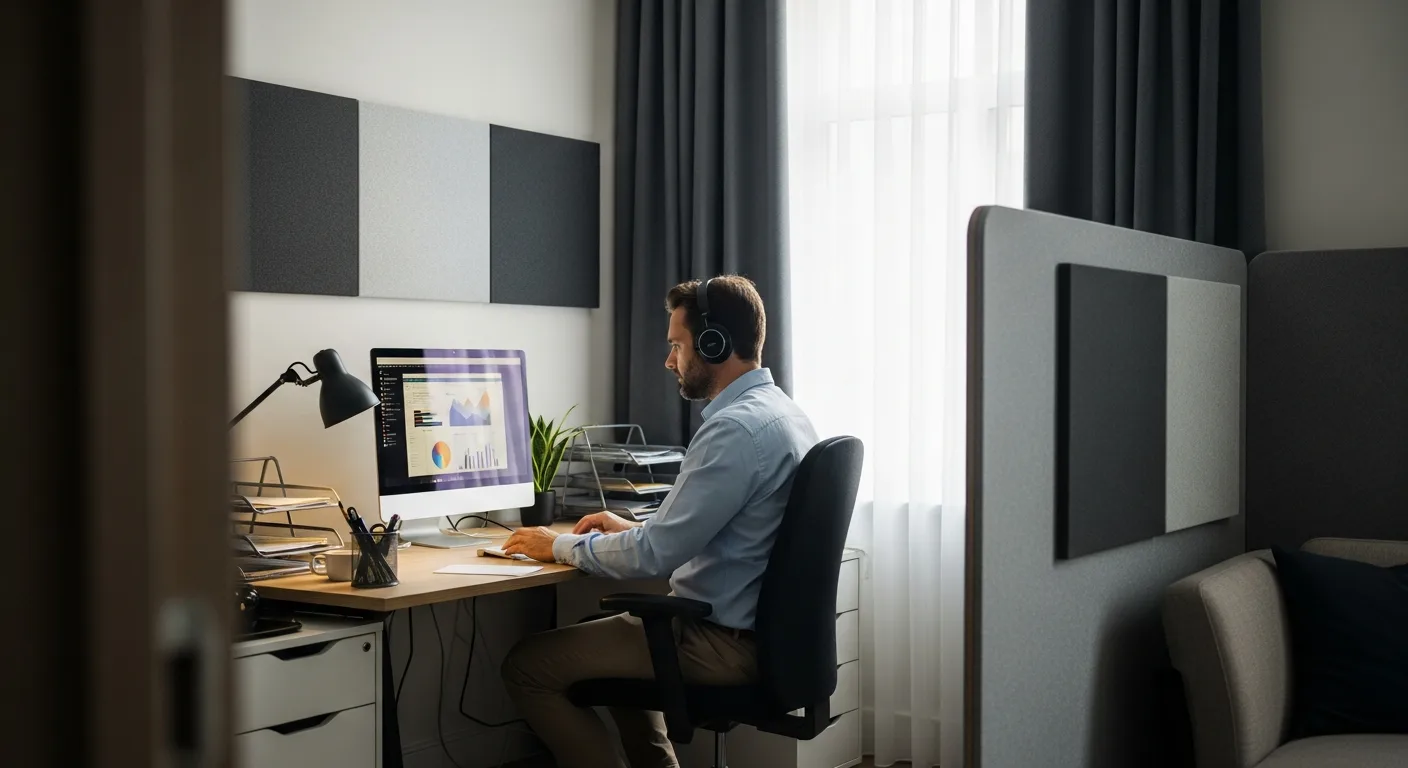
- Use Acoustic Panels: Place acoustic panels for home office walls or ceilings to absorb mid-to-high-frequency sounds, reducing echoes.
- Incorporate Soft Furnishings: Rugs, curtains, and upholstered furniture help dampen sound waves and improve acoustics.
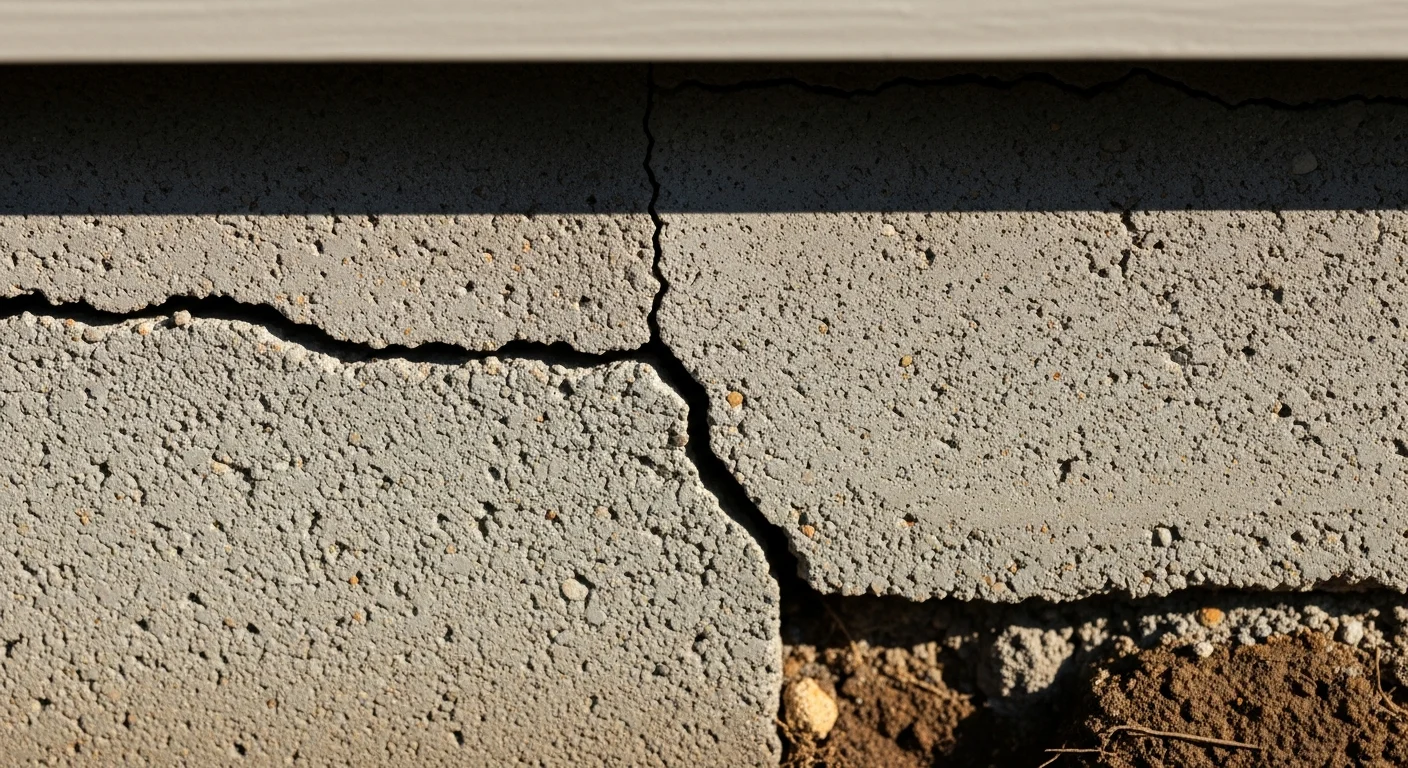
For a comprehensive approach, combine these techniques based on your budget and noise level. Acoustic panels, for instance, come in various styles and can double as decor. If you’re dealing with structural issues in older homes, our article on home foundation repair might offer insights into sealing gaps that affect soundproofing.
Home Office Layout Ideas for Better Acoustics
A strategic layout can enhance acoustics by positioning furniture and decor to control sound flow. Consider these home office layout ideas:
- Desk Placement: Position your desk away from noise sources like windows or doors, and toward a solid wall to reduce sound reflection.
- Zoning the Space: Create distinct zones for different activities (e.g., a quiet corner for focused work and a separate area for calls) using bookshelves or room dividers.
- Incorporate Plants: Large plants can act as natural sound absorbers and improve air quality, aligning with Feng Shui principles.
- Use Multi-Functional Furniture: Storage units with fabric surfaces can help absorb sound while keeping the space organized.
For smaller spaces, like in a mobile home, optimizing layout is crucial. Check out our mobile home remodeling guide for tips on maximizing space efficiency while managing acoustics. Additionally, integrating elements from game room design can inspire creative layouts that balance fun and functionality, such as using acoustic panels in entertainment areas to reduce noise spillover.
Integrating Feng Shui for Acoustic Harmony
Feng Shui, the ancient Chinese art of placement, can enhance home office acoustics by promoting positive energy flow and reducing stress. Key principles include:
- Command Position: Place your desk so you face the door but are not in direct line with it, allowing you to see incoming opportunities while feeling secure.
- Balance Elements: Incorporate wood (plants), water (a small fountain), and earth (stone decor) to create a harmonious environment that naturally dampens harsh sounds.
- Declutter Regularly: A tidy space reduces visual and auditory distractions, making it easier to focus.
- Use Mirrors Wisely: Position mirrors to reflect natural light and expand the space, but avoid placing them where they might amplify noise.
By blending Feng Shui with acoustic strategies, you can create a workspace that supports both productivity and well-being. For more on this, explore our detailed Feng Shui home office setup guide. If you’re also dealing with pest issues that disrupt your peace, our DIY pest control tips can help maintain a serene environment.
Comparing Acoustic Solutions
Choosing the right acoustic solution depends on your needs and budget. Here’s a comparison table:
| Solution | Cost | Effectiveness | Best For |
|---|---|---|---|
| Acoustic Panels | $$ | High (absorbs echoes) | Mid-to-high frequency noise |
| Weatherstripping | $ | Medium (blocks gaps) | External noise leaks |
| Heavy Curtains | $$ | Medium (dampens sound) | Windows and doors |
| Rugs and Carpets | $ | Low to Medium (absorbs floor noise) | Echo reduction |
This table helps you prioritize investments based on your specific acoustic challenges. For instance, if echoes are your main issue, acoustic panels are a top choice. If you’re on a tight budget, start with sealing gaps and adding rugs. Remember, a layered approach often yields the best results. For related home improvements, our home theater acoustics guide offers insights into soundproofing that can be adapted for offices.
FAQs About Home Office Acoustics
What are the best acoustic panels for a home office?
Acoustic panels made from foam or fabric-wrapped fiberglass are highly effective for absorbing mid-to-high-frequency sounds. Look for panels with a Noise Reduction Coefficient (NRC) rating of 0.8 or higher for optimal performance. They come in various sizes and colors, allowing you to blend them with your decor while improving acoustics.
How can I soundproof a home office on a budget?
Start with low-cost solutions like sealing gaps under doors with weatherstripping, adding thick rugs or carpets, and hanging heavy curtains over windows. DIY options, such as homemade acoustic panels using recycled materials, can also be effective. For more tips, check our DIY home repairs guide.
Does Feng Shui really improve home office acoustics?
Yes, Feng Shui can enhance acoustics indirectly by promoting a clutter-free, balanced environment that reduces stress and distractions. Principles like the command position and incorporating natural elements help create a serene space where sound flows more smoothly, making it easier to focus.
What layout is best for reducing noise in a small home office?
In a small office, place your desk against a solid wall, use bookshelves or room dividers to create sound barriers, and incorporate multi-functional furniture with soft surfaces. Avoid placing desks near noise sources like HVAC vents or shared walls. For small space ideas, see our small home floor plans guide.
Can plants help with home office acoustics?
Yes, large leafy plants like fiddle-leaf figs or peace lilies can act as natural sound absorbers by breaking up sound waves. They also improve air quality and add a calming element to your workspace, aligning with Feng Shui principles for a harmonious environment.
How do I deal with echo in my home office?
To reduce echo, add soft materials like acoustic panels, rugs, curtains, and upholstered furniture. Avoid bare walls and floors, and consider placing decor items like tapestries or bookshelves to break up sound reflections. For more on managing echoes, refer to our home theater acoustics article.
What’s the difference between soundproofing and acoustic treatment?
Soundproofing focuses on blocking noise from entering or leaving a room (e.g., sealing gaps), while acoustic treatment aims to improve sound quality within the room (e.g., reducing echoes with absorptive materials). Both are important for a home office: soundproofing minimizes external distractions, and acoustic treatment enhances clarity for calls and focus.
How often should I update my home office acoustics?
Reassess your acoustics every 6-12 months or whenever you notice increased noise or changes in your workspace (e.g., new furniture or room usage). Regular updates, like adding more panels or rearranging layout, can maintain optimal sound quality. For ongoing maintenance, our master maintenance checklists offer helpful tips.