Choosing the right type of home construction can feel overwhelming with terms like “stick built,” “tract,” and “casita” floating around. Whether you’re planning to build, buy, or simply understand your options, knowing the differences between these construction types is crucial for making informed decisions. This guide breaks down what a site built home is, explores tract homes and casitas, and compares their pros and cons to help you navigate the housing landscape with confidence.
A site built home, also known as a stick built home, is constructed entirely on-site using traditional wood framing methods. Tract homes are mass-produced houses in planned developments, while casitas are small, detached accessory dwelling units often used as guest houses or rentals.
What Is a Site Built (Stick Built) Home?
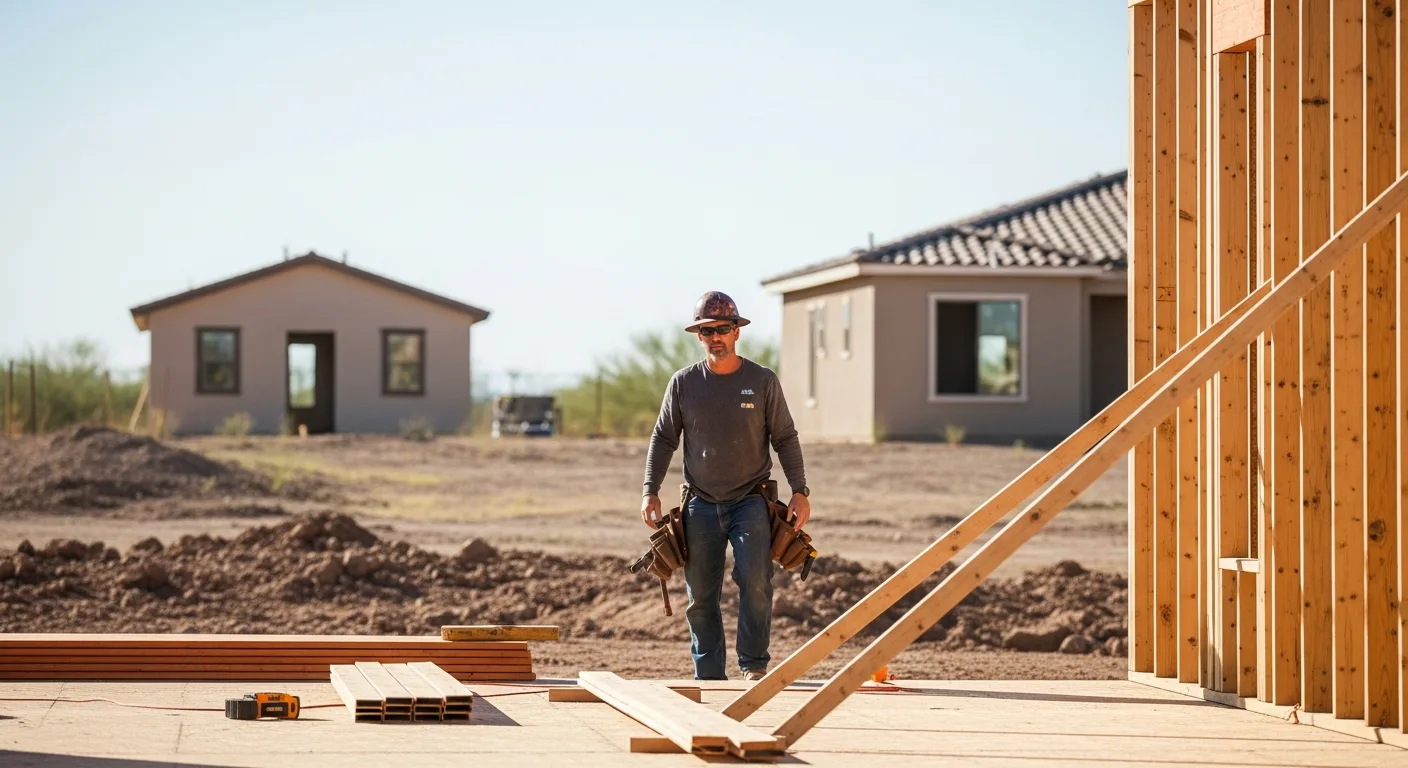
A site built home, commonly referred to as a stick built home, is constructed piece by piece directly on the building site. This traditional method involves framing the structure with wooden studs, joists, and rafters, which are cut and assembled on location. Unlike prefabricated or modular homes, every aspect of a stick built home is customized and built from scratch, allowing for maximum flexibility in design and layout. This approach is often favored for its durability and ability to accommodate unique architectural features, making it a popular choice for custom home building projects where personalization is key.
- Constructed entirely on-site with traditional wood framing.
- Offers high customization in design, materials, and layout.
- Typically involves longer construction timelines due to on-site labor.
- Can be more expensive than tract or modular homes due to labor costs.
- Often requires a solid foundation, similar to options discussed in our mobile home foundations guide.
Understanding Tract Homes
Tract homes are built in large quantities within planned communities or subdivisions, often by a single developer. These homes follow standardized designs and floor plans, which streamline construction and reduce costs. While they may lack the uniqueness of stick built homes, tract homes offer affordability and consistency, making them accessible to first-time buyers or those seeking a move-in-ready option. They are a common feature in suburban areas and are part of the broader category of modern housing options that include modular and prefab designs.
- Mass-produced in planned developments with similar designs.
- Lower cost due to economies of scale and standardized materials.
- Faster construction timelines compared to stick built homes.
- Limited customization options, but may include some upgrade choices.
- Often come with community amenities like parks or pools.
What Is a Casita Home?
A casita, Spanish for “little house,” is a small, detached accessory dwelling unit (ADU) typically located on the same property as a primary residence. These structures serve various purposes, such as guest houses, home offices, rental units, or spaces for extended family. Casitas are gaining popularity for their versatility and ability to maximize property use, especially in urban areas where space is limited. They can be built using stick built methods or prefabricated designs, offering flexibility in construction. For those interested in compact living, casitas share similarities with tiny home styles in terms of size and functionality.
- Detached accessory dwelling unit, usually under 1,000 square feet.
- Used for guests, rentals, home offices, or multi-generational living.
- Can be stick built or prefabricated, depending on budget and needs.
- May require zoning approvals, similar to considerations in tiny home logistics.
- Adds value to properties by increasing usable space.
Comparing Home Construction Types
When deciding between stick built, tract, and casita homes, it’s essential to weigh factors like cost, customization, and construction time. The table below provides a quick comparison to help you understand the key differences.
| Feature | Stick Built Home | Tract Home | Casita Home |
|---|---|---|---|
| Construction Method | Built on-site with custom framing | Mass-produced in developments | Small detached unit, often stick built or prefab |
| Customization | High flexibility in design | Limited to preset options | Moderate, depends on construction type |
| Cost | Higher due to labor and materials | Lower, economies of scale | Varies, generally affordable |
| Construction Time | Longer, several months to a year | Shorter, weeks to months | Quick if prefab, longer if stick built |
| Best For | Custom builds, unique designs | First-time buyers, budget-conscious | Additional space, rentals, guests |
Pros and Cons of Each Construction Type
Each home construction type has its advantages and drawbacks. Stick built homes offer unparalleled customization but come with higher costs and longer timelines. Tract homes provide affordability and speed but lack individuality. Casitas add versatility to properties but may involve regulatory hurdles. For example, if you’re considering a stick built home, you might need to plan for home maintenance over time, while tract homes often come with warranties that simplify upkeep.
- Stick Built Pros: Fully customizable, durable, high resale value.
- Stick Built Cons: Expensive, time-consuming, weather-dependent construction.
- Tract Home Pros: Affordable, quick move-in, community amenities.
- Tract Home Cons: Limited design options, less unique, potential for lower quality.
- Casita Pros: Versatile use, increases property value, can generate rental income.
- Casita Cons: Zoning restrictions, additional utility costs, may require permits.
FAQs About Home Construction Types
What is the main difference between a stick built and a modular home?
Stick built homes are constructed entirely on-site, while modular homes are built in sections in a factory and assembled on-site. Modular homes often have faster construction times and lower costs but may offer less customization than stick built options.
Are tract homes a good investment?
Yes, tract homes can be a good investment due to their affordability and demand in suburban markets. They often appreciate in value over time, especially in growing communities, making them suitable for first-time buyers or investors.
Can I build a casita on any property?
No, building a casita depends on local zoning laws and property regulations. Some areas have restrictions on accessory dwelling units, so it’s essential to check with your local planning department before starting construction.
How long does it take to build a stick built home?
Building a stick built home typically takes 6 to 12 months, depending on the size, complexity, and weather conditions. Delays can occur due to material shortages or custom design elements.
What are the cost differences between these home types?
Stick built homes are usually the most expensive, averaging $150-$200 per square foot. Tract homes cost less, around $100-$150 per square foot, while casitas vary widely but often range from $50,000 to $150,000 depending on size and features.
Do casitas require separate utilities?
Casitas can share utilities with the main house or have separate connections, depending on local codes and intended use. Separate utilities may increase costs but provide independence for rental purposes.
Which construction type is best for energy efficiency?
Stick built homes often allow for better energy-efficient designs due to custom insulation and materials. However, modern tract and modular homes can also include energy-efficient features, so it depends on the builder and specifications.
Can I customize a tract home after purchase?
Yes, you can customize a tract home with renovations like kitchen upgrades or room additions, but structural changes may be limited. It’s similar to ranch home renovations where you can update interiors over time.