Mobile home exteriors play a crucial role in protecting your investment from the elements, enhancing energy efficiency, and boosting curb appeal. Whether you’re dealing with a leaky roof, poor ventilation, or unsightly skirting, understanding how to maintain and upgrade these components can save you money and extend the lifespan of your home. In this comprehensive guide, we’ll dive deep into roof coating for mobile homes, venting a mobile home roof, and skirt for mobile home solutions, including stone skirting for mobile homes. From DIY tips to professional insights, you’ll learn everything needed to keep your mobile home safe, comfortable, and looking great.
Roof coating for mobile homes involves applying a protective layer to seal leaks and reflect heat, while venting a mobile home roof uses systems like ridge or soffit vents to prevent moisture buildup. For skirting, options like stone skirting for mobile homes provide durability and insulation, with installation requiring proper materials and techniques to ensure stability and protection against pests and weather.
Why Roof Coating is Essential for Mobile Homes
Roof coating for mobile homes is a cost-effective solution to extend the life of your roof, prevent leaks, and improve energy efficiency. Unlike traditional roofs, mobile home roofs are often made of metal or rubber, which can degrade over time due to UV exposure, temperature fluctuations, and moisture. Applying a high-quality coating can seal cracks, reflect sunlight to reduce cooling costs, and add years of protection. For example, elastomeric coatings are popular because they expand and contract with the roof, preventing future damage. Regular maintenance, such as inspecting for wear and tear, is key to maximizing benefits. If you’re tackling this as a DIY project, check out our mobile home roofing DIY guide for step-by-step instructions on coatings and repairs.
Types of Roof Coatings for Mobile Homes
Choosing the right roof coating depends on your roof material, climate, and budget. Here are the most common options:
- Elastomeric Coatings: Flexible and durable, ideal for metal roofs as they resist cracking.
- Acrylic Coatings: Water-based and easy to apply, great for reflective properties in sunny areas.
- Silicone Coatings: Excellent for waterproofing, but can be more expensive and require professional application.
- Asphalt-Based Coatings: Affordable and effective for flat or low-slope roofs, but may need frequent reapplication.
When selecting a coating, consider factors like local weather conditions and the roof’s current condition. For instance, in humid climates, a coating with mold resistance is beneficial. Always clean the roof thoroughly before application to ensure proper adhesion. If you’re unsure about the best choice, consulting a professional can help avoid costly mistakes. Additionally, understanding your mobile home’s structural needs can guide you in pairing coatings with other exterior upgrades.
How to Vent a Mobile Home Roof Properly
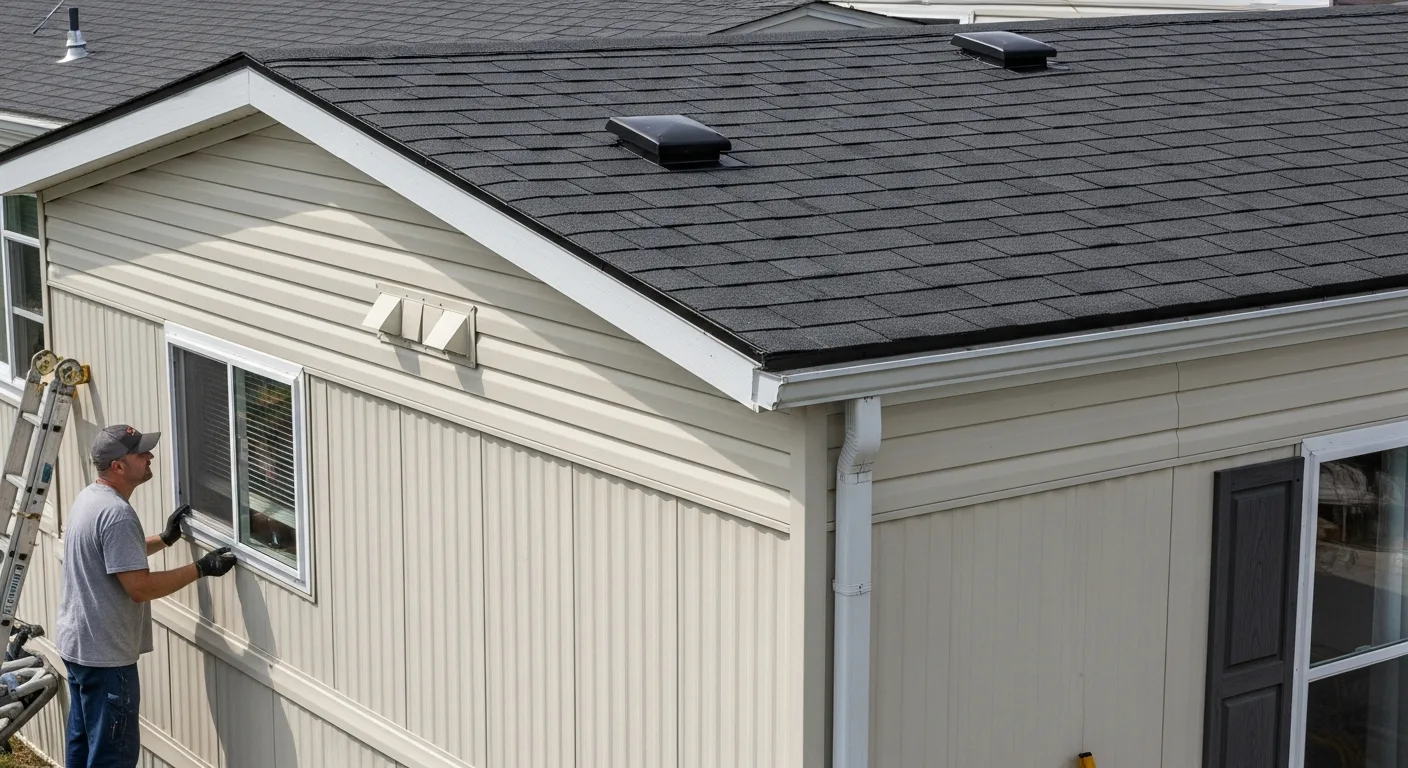
Venting a mobile home roof is critical to prevent moisture buildup, reduce heat accumulation, and improve indoor air quality. Poor ventilation can lead to mold growth, roof damage, and higher energy bills. Here’s a step-by-step guide to effective venting:
- Assess Current Ventilation: Check for existing vents like soffit or ridge vents and identify any blockages.
- Choose Vent Types: Options include ridge vents for continuous airflow, soffit vents for intake, and gable vents for cross-ventilation.
- Install Vents: Ensure proper placement to create a balanced system—intake vents low and exhaust vents high.
- Seal Gaps: Use caulk or foam to prevent air leaks around vents, which can compromise efficiency.
- Test the System: After installation, monitor humidity levels and airflow to ensure optimal performance.
Proper venting works hand-in-hand with roof coatings to protect your home. For example, a well-vented roof can help coatings last longer by reducing heat stress. If you’re planning a larger exterior project, our guide on mobile home exteriors covers roofs, skirting, and siding in detail.
Comparing Skirting Options for Mobile Homes
Skirting not only enhances the appearance of your mobile home but also provides insulation, pest control, and protection from weather. Stone skirting for mobile homes is a popular choice due to its durability and aesthetic appeal. Below is a comparison of common skirting types:
| Type | Pros | Cons | Best For |
|---|---|---|---|
| Stone Skirting | Durable, fire-resistant, low maintenance | Expensive, heavy installation | Long-term stability, high curb appeal |
| Vinyl Skirting | Affordable, easy to install, variety of colors | Can crack in cold weather, less insulation | Budget-friendly, DIY projects |
| Metal Skirting | Strong, pest-resistant, good ventilation | Prone to rust, noisy in wind | Areas with high pest activity |
| Wood Skirting | Natural look, customizable | Requires regular maintenance, can rot | Rustic aesthetics, temporary setups |
When choosing skirting, consider factors like climate, budget, and installation effort. Stone skirting, for instance, offers excellent insulation but may require professional help due to its weight. For more insights on skirting and other exterior elements, explore our mobile home windows and exteriors guide.
DIY Tips for Installing Skirting
Installing skirting yourself can save money, but it requires careful planning. Here are key tips for a successful project:
- Measure Accurately: Take precise measurements of your home’s perimeter to avoid gaps or excess material.
- Prepare the Ground: Level the area and remove debris to ensure a stable base for skirting panels.
- Use Proper Fasteners: Select screws or clips designed for your skirting material to prevent loosening over time.
- Include Access Panels: Install removable sections for easy access to utilities like plumbing or electrical lines.
- Seal Edges: Apply weatherproof sealant around seams and corners to keep out pests and moisture.
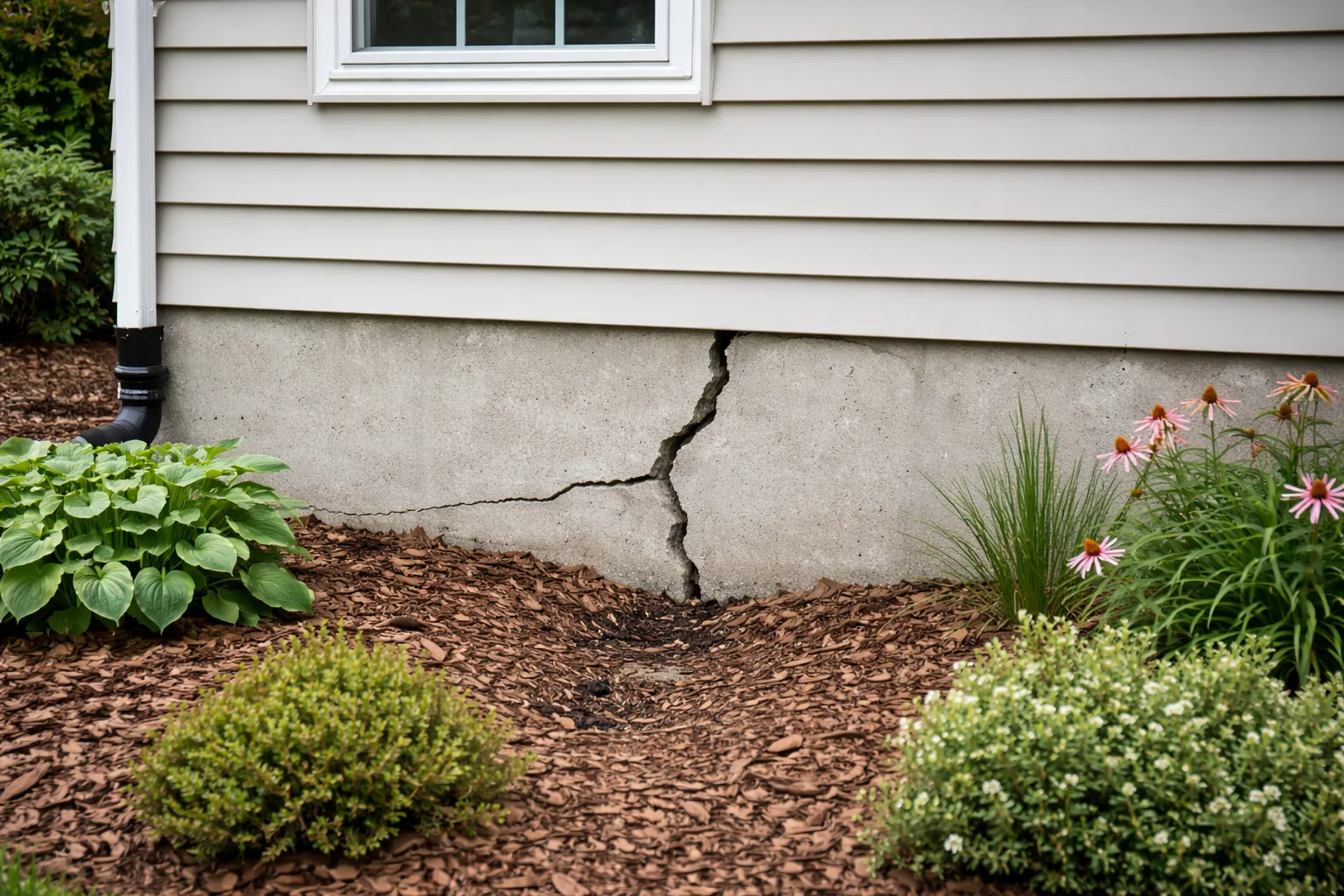
If you encounter structural issues during installation, such as uneven ground or foundation problems, refer to our mobile home structural repair guide for solutions. Proper skirting installation complements roof and venting efforts, creating a cohesive exterior defense system.
Maintenance Checklist for Mobile Home Exteriors
Regular maintenance ensures your roof coating, venting, and skirting remain effective. Follow this checklist seasonally:
- Inspect Roof Coating: Look for cracks, peeling, or discoloration, and reapply as needed every 3-5 years.
- Clean Vents: Remove debris from vent openings to maintain airflow and prevent blockages.
- Check Skirting: Examine for damage, loose panels, or pest entry points, and repair promptly.
- Test Insulation: Ensure skirting and roof provide adequate insulation to reduce energy costs.
- Monitor Moisture: Use a hygrometer to check humidity levels inside, adjusting ventilation if necessary.
By staying proactive, you can avoid costly repairs and extend the lifespan of your mobile home. For a broader perspective on home upkeep, our master maintenance checklist offers monthly and renovation guides.
Frequently Asked Questions
What is the best roof coating for a metal mobile home roof?
Elastomeric coatings are often the best choice for metal mobile home roofs because they are flexible, durable, and resist cracking from temperature changes. They also provide excellent waterproofing and UV protection, helping to extend the roof’s life and improve energy efficiency.
How often should I vent my mobile home roof?
Venting should be a continuous process, not a one-time task. Ensure your ventilation system is always operational by cleaning vents regularly and checking for blockages. If you notice moisture issues or high indoor temperatures, consider upgrading or adding more vents to improve airflow.
Can I install stone skirting for mobile homes myself?
Yes, but it requires careful planning due to the weight and complexity of stone materials. You’ll need to level the ground, use proper fasteners, and possibly enlist help for heavy lifting. For best results, consult a professional or follow detailed guides to avoid installation errors.
Does skirting improve energy efficiency in mobile homes?
Absolutely. Skirting acts as a barrier against cold air and wind, reducing heat loss in winter and keeping cool air in during summer. Options like stone skirting offer superior insulation, which can lower heating and cooling costs significantly.
What are the signs that my mobile home roof needs recoating?
Look for visible cracks, peeling coating, water stains on ceilings, or increased energy bills. If your roof is over 5 years old or shows signs of wear, it’s likely time for recoating to prevent leaks and further damage.
How do I choose between different types of skirting?
Consider factors like budget, climate, maintenance willingness, and aesthetic preferences. For example, vinyl is affordable and easy to install, while stone offers durability and curb appeal. Assess your needs and consult comparison tables to make an informed decision.
Is venting necessary if I have a roof coating?
Yes, venting and roof coating serve complementary roles. While coating protects the roof surface, venting manages moisture and heat buildup underneath. Together, they provide comprehensive protection, so it’s best to implement both for optimal results.
Can poor skirting lead to structural damage?
Yes, inadequate skirting can allow moisture, pests, and cold air to reach the underbelly of your mobile home, potentially causing rot, mold, or foundation issues. Proper installation and maintenance are crucial to prevent structural problems over time.
Frequently Asked Questions
What is the best roof coating for a metal mobile home roof?
Elastomeric coatings are often the best choice for metal mobile home roofs because they are flexible, durable, and resist cracking from temperature changes. They also provide excellent waterproofing and UV protection, helping to extend the roof’s life and improve energy efficiency.
How often should I vent my mobile home roof?
Venting should be a continuous process, not a one-time task. Ensure your ventilation system is always operational by cleaning vents regularly and checking for blockages. If you notice moisture issues or high indoor temperatures, consider upgrading or adding more vents to improve airflow.
Can I install stone skirting for mobile homes myself?
Yes, but it requires careful planning due to the weight and complexity of stone materials. You’ll need to level the ground, use proper fasteners, and possibly enlist help for heavy lifting. For best results, consult a professional or follow detailed guides to avoid installation errors.
Does skirting improve energy efficiency in mobile homes?
Absolutely. Skirting acts as a barrier against cold air and wind, reducing heat loss in winter and keeping cool air in during summer. Options like stone skirting offer superior insulation, which can lower heating and cooling costs significantly.
What are the signs that my mobile home roof needs recoating?
Look for visible cracks, peeling coating, water stains on ceilings, or increased energy bills. If your roof is over 5 years old or shows signs of wear, it’s likely time for recoating to prevent leaks and further damage.
How do I choose between different types of skirting?
Consider factors like budget, climate, maintenance willingness, and aesthetic preferences. For example, vinyl is affordable and easy to install, while stone offers durability and curb appeal. Assess your needs and consult comparison tables to make an informed decision.
Is venting necessary if I have a roof coating?
Yes, venting and roof coating serve complementary roles. While coating protects the roof surface, venting manages moisture and heat buildup underneath. Together, they provide comprehensive protection, so it’s best to implement both for optimal results.
Can poor skirting lead to structural damage?
Yes, inadequate skirting can allow moisture, pests, and cold air to reach the underbelly of your mobile home, potentially causing rot, mold, or foundation issues. Proper installation and maintenance are crucial to prevent structural problems over time.