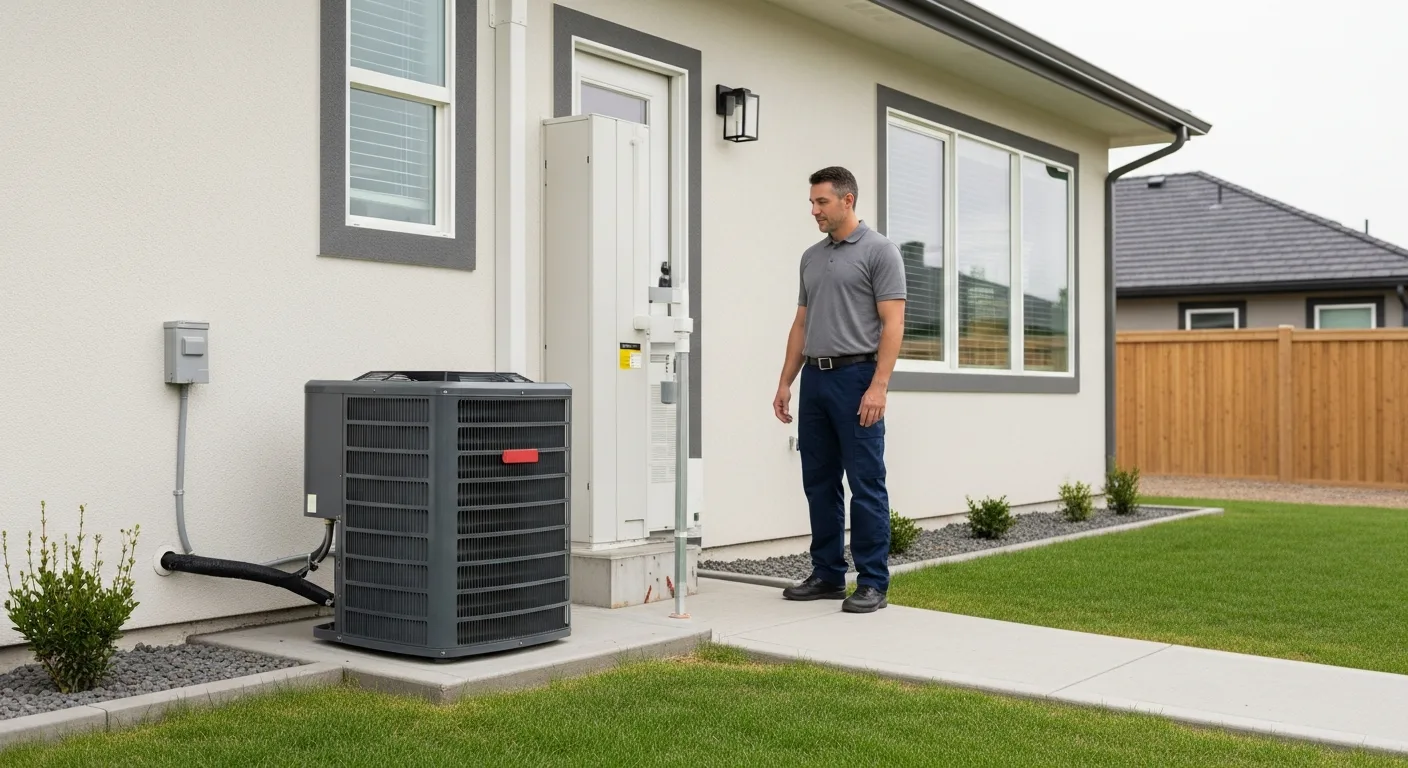
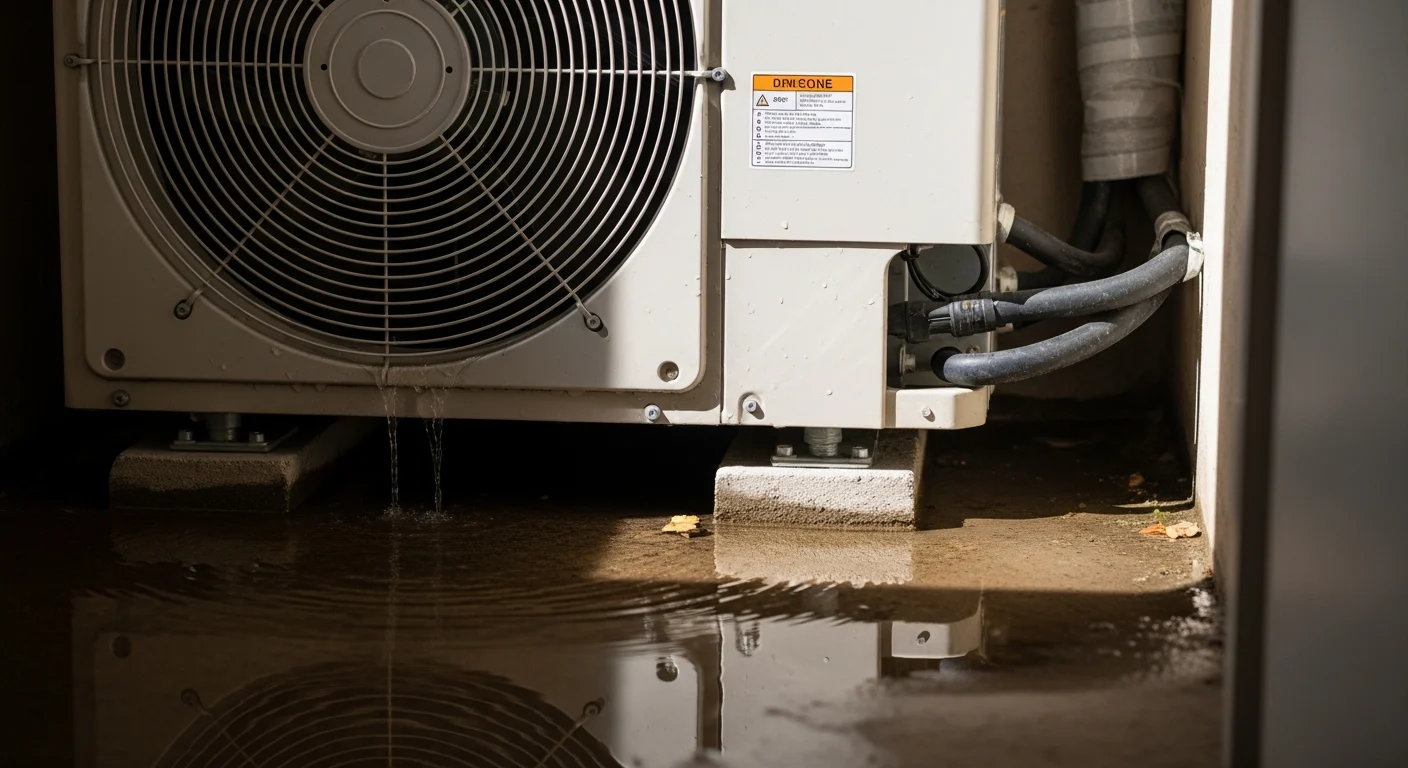
When it comes to creating a comfortable and healthy living environment, whole home systems like humidifiers, carbon filters, and ventilation play a crucial role. These systems work together to regulate humidity, purify air, and ensure proper airflow, impacting everything from your health to your home’s structural integrity. Whether you’re dealing with dry winter air, allergens, or stale indoor environments, understanding these systems can help you make informed decisions. In this guide, we’ll dive into the costs, benefits, and integration of whole home humidifiers, carbon filters, and ventilation, including insights into water cooling systems for enhanced comfort.
Whole home humidifier installation costs typically range from $400 to $1,200, depending on the type and complexity. This includes labor and materials, with additional expenses for carbon filters or ventilation upgrades. Proper installation ensures optimal performance and energy efficiency.
Understanding Whole Home Humidifier Installation Costs
Installing a whole home humidifier involves several factors that influence the overall cost. These systems are integrated into your HVAC system to distribute moisture evenly throughout your house, unlike portable units that only treat single rooms. Key cost drivers include the type of humidifier, labor charges, and any necessary modifications to your existing setup. On average, homeowners can expect to pay between $400 and $1,200 for installation, with high-end models or complex installations pushing costs higher. It’s essential to get multiple quotes from licensed professionals to ensure a fair price and proper setup.
- Bypass Humidifiers: $400-$700 for installation, ideal for moderate climates.
- Fan-Powered Humidifiers: $600-$900, offering better performance in dry areas.
- Steam Humidifiers: $800-$1,200, most effective but higher energy use.
- Additional Costs: Ductwork modifications, water line connections, or smart controls.
To maximize your investment, consider pairing your humidifier with other whole home upgrades like rewiring or repiping, which can improve overall system efficiency and home value. Regular maintenance, such as changing filters and cleaning components, also helps reduce long-term costs and ensures consistent performance.
Benefits of Whole Home Carbon Filters
Whole home carbon filters are essential for removing odors, chemicals, and volatile organic compounds (VOCs) from your indoor air. These filters use activated carbon to trap pollutants, providing a cleaner and healthier environment compared to standard fiberglass filters. They are particularly beneficial for households with allergies, pets, or smokers, as they reduce allergens and improve air quality. Installation typically involves integrating the filter into your HVAC system, with costs ranging from $50 to $200 for the filter itself, plus labor if professional help is needed.
- Improved Air Quality: Removes smoke, cooking odors, and chemical fumes.
- Health Benefits: Reduces allergy and asthma triggers by capturing particles.
- Energy Efficiency: Clean filters help your HVAC system run more efficiently, lowering utility bills.
- Longevity: Lasts 3-6 months, depending on usage and air quality.
For comprehensive air quality management, combine carbon filters with a radon home inspection to detect and mitigate harmful gases. This holistic approach ensures your home is safe from both particulate and gaseous pollutants, enhancing overall well-being.
Whole Home Ventilation System Overview
A whole home ventilation system is designed to exchange stale indoor air with fresh outdoor air, maintaining proper airflow and reducing moisture buildup. This is crucial for preventing mold, mildew, and indoor pollutants from accumulating. Types of ventilation systems include exhaust-only, supply-only, balanced, and energy recovery ventilators (ERVs), each with different costs and benefits. Installation costs vary widely, from $1,000 to $4,000, depending on the system type and home size.
| Ventilation Type | Average Cost | Best For |
|---|---|---|
| Exhaust-Only | $1,000-$1,500 | Small homes, mild climates |
| Supply-Only | $1,200-$2,000 | Homes with tight seals |
| Balanced | $1,500-$3,000 | All climates, energy efficiency |
| Energy Recovery (ERV) | $2,000-$4,000 | Extreme temperatures, humidity control |
Proper ventilation complements other home systems, such as home HVAC components, by ensuring balanced airflow and reducing strain on heating and cooling units. It’s also a key element in master home maintenance checklists, helping prevent costly repairs and improve indoor comfort year-round.
Water Cooling System for Home Integration
Water cooling systems, often used in conjunction with whole home humidifiers and ventilation, provide an efficient way to cool your home using water evaporation or chilled water loops. These systems can reduce energy consumption compared to traditional air conditioning, especially in dry climates. Options include evaporative coolers (swamp coolers) and hydronic cooling systems, with installation costs ranging from $2,000 to $6,000. They work by adding moisture to the air or circulating cool water through radiators, enhancing comfort while managing humidity levels.
- Evaporative Coolers: $2,000-$4,000, ideal for arid regions with low humidity.
- Hydronic Cooling: $4,000-$6,000, integrates with existing boilers or radiant floor systems.
- Benefits: Lower energy bills, reduced environmental impact, and improved air quality.
- Considerations: Regular maintenance to prevent mineral buildup and ensure efficiency.
When planning a water cooling system, it’s wise to consult with professionals who understand tiny home logistics or larger residential projects, as proper installation is key to performance. Additionally, these systems can be part of a broader strategy for luxury home renovation ideas, adding modern comfort features that boost property value.
FAQs About Whole Home Systems
What is the average whole home humidifier installation cost?
The average cost ranges from $400 to $1,200, depending on the humidifier type and installation complexity. Factors like ductwork modifications or smart controls can increase the price.
How often should I replace a whole home carbon filter?
Replace whole home carbon filters every 3 to 6 months, or as recommended by the manufacturer. More frequent changes may be needed in homes with high pollution or pet dander.
Can I install a whole home ventilation system myself?
While DIY installation is possible for simple systems, it’s generally recommended to hire a professional to ensure proper integration with your HVAC and avoid issues like improper airflow or energy loss.
What are the benefits of a water cooling system for home use?
Water cooling systems offer energy efficiency, lower operating costs, and improved humidity control, making them a sustainable alternative to traditional air conditioning in suitable climates.
How do whole home systems impact indoor air quality?
These systems work together to regulate humidity, remove pollutants, and ensure fresh airflow, significantly improving indoor air quality and reducing health risks like allergies or respiratory issues.
Are whole home systems worth the investment?
Yes, they enhance comfort, protect your home from moisture damage, and can increase property value. Over time, energy savings and health benefits often justify the initial costs.
What maintenance is required for these systems?
Regular maintenance includes cleaning humidifier pads, replacing carbon filters, checking ventilation ducts, and servicing water cooling components to ensure optimal performance and longevity.