Radon is a silent, invisible threat that can seep into your home from the ground, posing serious health risks like lung cancer. Understanding radon home inspection, testing protocols, and mitigation techniques is crucial for homeowners and buyers alike. This comprehensive guide covers everything from why radon testing is essential during home purchases to practical steps for improving indoor air quality, including humidity control and monitoring. By addressing radon and overall air quality, you can create a safer, healthier living environment for your family.
A radon home inspection involves testing for radon gas levels using short-term or long-term detectors, with mitigation systems like sub-slab depressurization recommended if levels exceed 4 pCi/L. Radon testing is often required or strongly advised during home buying to ensure safety, and improving humidity with dehumidifiers or ventilation can enhance overall air quality alongside monitoring devices.
What Is Radon and Why Is It Dangerous?
Radon is a radioactive gas that forms naturally from the decay of uranium in soil, rock, and water. It can enter homes through cracks in foundations, gaps around pipes, and other openings, accumulating to dangerous levels indoors. Exposure to high radon concentrations is the second leading cause of lung cancer after smoking, according to the EPA. Unlike other pollutants, radon has no smell, color, or taste, making it undetectable without proper testing. This underscores the importance of regular radon home inspection to identify and address risks before they impact health.
Is a Radon Test Required When Buying a Home?
While radon testing is not federally mandated, it is often required or strongly recommended during home purchases due to its health implications. Many states have specific regulations, and lenders or real estate agents may insist on testing as part of the due diligence process. Here’s what you need to know:
- State Laws: Some states, like Illinois and New Jersey, have laws requiring radon disclosure or testing in real estate transactions.
- Lender Requirements: Certain mortgage programs, such as FHA loans, may require radon testing if the home is in a high-risk area.
- Buyer’s Advantage: Testing allows buyers to negotiate repairs or price reductions if high radon levels are found, similar to issues uncovered in a standard home inspection.
- Peace of Mind: Even if not required, testing ensures the home is safe for occupancy, protecting your family’s long-term health.
It’s advisable to include a radon contingency in your purchase agreement, giving you the option to back out or request mitigation if levels are elevated.
How to Conduct a Radon Home Inspection
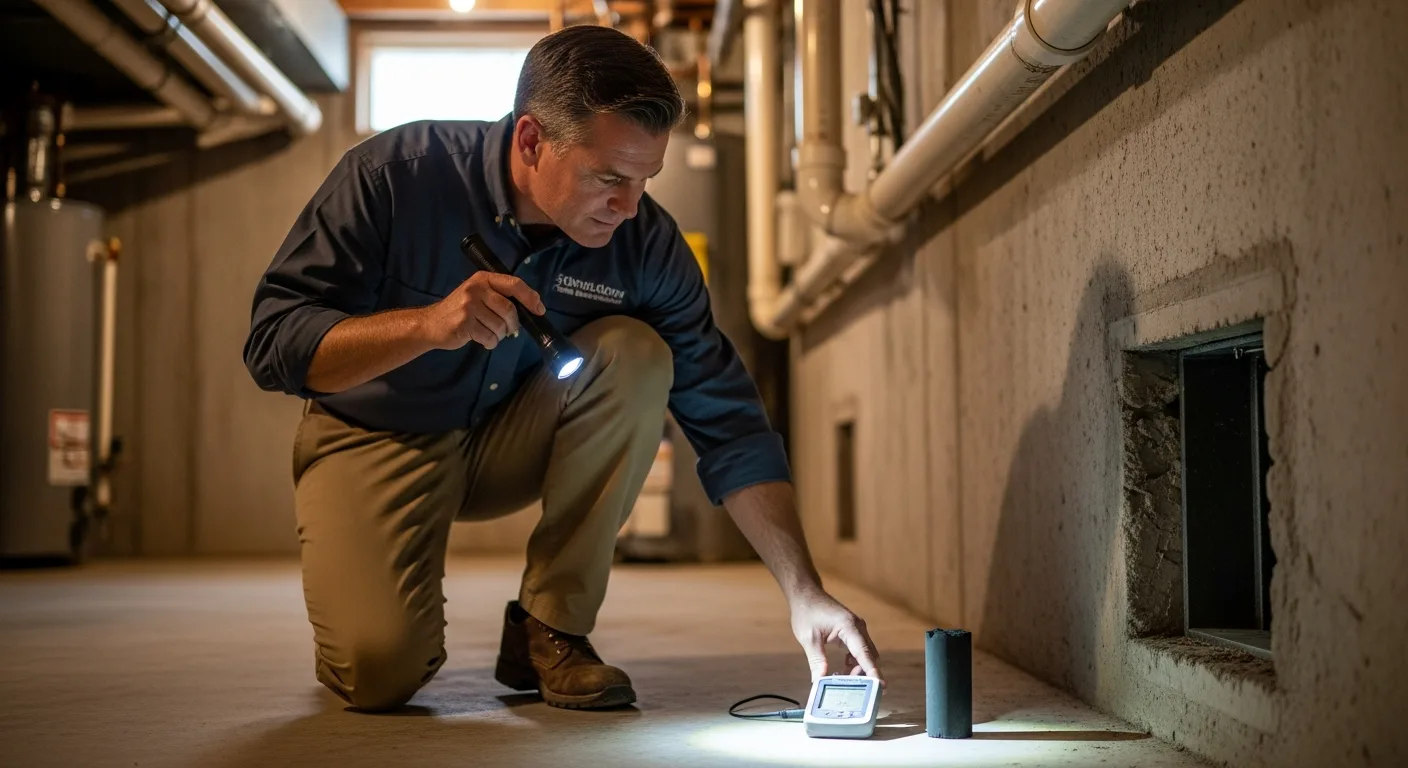
A radon home inspection involves testing for radon gas levels using specialized devices. The process can be done by homeowners with DIY kits or by certified professionals for more accurate results. Follow these steps for effective testing:
- Choose a Testing Method: Options include short-term tests (2-7 days) for quick results or long-term tests (90+ days) for a more accurate average level.
- Place Detectors Correctly: Position test kits in the lowest lived-in level of the home, away from drafts, humidity, and exterior walls.
- Follow Instructions: Close windows and doors 12 hours before and during the test to ensure accurate readings.
- Send for Analysis: After the testing period, mail the kit to a lab for analysis, or use continuous monitors for real-time data.
If radon levels exceed the EPA action level of 4 picocuries per liter (pCi/L), mitigation is recommended. Professional inspectors can provide detailed reports and suggest solutions, much like those outlined in our home maintenance checklists for ongoing safety.
Radon Mitigation Strategies
If high radon levels are detected, mitigation systems can reduce concentrations to safe levels. The most common method is sub-slab depressurization, which involves installing pipes and fans to vent radon gas from beneath the home to the outside. Here’s a comparison of mitigation techniques:
| Method | How It Works | Best For | Estimated Cost |
|---|---|---|---|
| Sub-Slab Depressurization | Uses a fan to draw radon from under the foundation and vent it outside | Homes with basements or slab-on-grade foundations | $800-$2,500 |
| Drain Tile Suction | Utilizes existing drain tiles to collect and vent radon | Homes with perimeter drain systems | $1,000-$3,000 |
| Block Wall Suction | Vents radon from hollow concrete block walls | Homes with block foundation walls | $1,200-$3,500 |
| Sealing Cracks | Closes openings in floors and walls to reduce radon entry | As a supplement to other methods | $200-$800 |
Regular maintenance of these systems is essential, similar to caring for home accessibility equipment, to ensure ongoing effectiveness.
How to Improve Humidity in Home for Better Air Quality
Humidity control is a key aspect of indoor air quality, as high humidity can promote mold growth and exacerbate respiratory issues, while low humidity can cause dryness and discomfort. Balancing humidity levels (ideally 30-50%) complements radon mitigation by creating a healthier environment. Here are practical tips:
- Use Dehumidifiers: Place dehumidifiers in damp areas like basements to reduce moisture levels.
- Ventilate Properly: Use exhaust fans in kitchens and bathrooms, and open windows when weather permits to allow fresh air circulation.
- Fix Leaks: Repair any plumbing leaks or roof issues promptly to prevent water accumulation.
- Monitor Levels: Use hygrometers to track humidity and adjust as needed, integrating with smart home systems for automation.
For more on managing home systems, check out our guide on water filtration and pressure, which includes tips on maintaining optimal humidity.
Using a Home Air Quality Monitor
Home air quality monitors are devices that track various pollutants, including radon, VOCs, particulate matter, and humidity. They provide real-time data to help you manage indoor air quality proactively. When selecting a monitor, consider these features:
- Radon Detection: Some monitors include radon sensors, offering continuous monitoring without separate tests.
- Multi-Pollutant Tracking: Look for devices that measure CO2, VOCs, PM2.5, and humidity for a comprehensive view.
- Connectivity: Wi-Fi or Bluetooth-enabled monitors can send alerts to your smartphone and integrate with smart home systems.
- Accuracy: Choose models certified by organizations like the EPA or with high user ratings for reliable readings.
Regular use of an air quality monitor can alert you to issues early, similar to how pet health monitoring helps catch problems before they escalate.
FAQs About Radon and Air Quality
How often should I test my home for radon?
Test your home for radon at least every two years, or after any major renovations, changes in foundation, or if you notice new cracks. Regular testing ensures levels remain safe, especially in high-risk areas.
Can radon affect water quality?
Yes, radon can dissolve into groundwater and be released into the air when water is used for showering or washing. If you have a private well, test both air and water for radon, and consider aeration or carbon filtration systems for mitigation.
What are the symptoms of radon exposure?
Radon exposure has no immediate symptoms; it causes long-term health risks like lung cancer. This is why testing is crucial, as you won’t know if radon is present without proper detection.
How can I reduce radon levels naturally?
Increase ventilation by opening windows, use fans to circulate air, and seal cracks in floors and walls. However, these methods are often insufficient for high levels, so professional mitigation is recommended.
Are air purifiers effective against radon?
Most air purifiers do not remove radon gas effectively. Radon mitigation requires specialized systems like sub-slab depressurization to vent the gas outside, rather than filtering it from the air.
Does humidity affect radon levels?
Humidity itself doesn’t directly change radon concentrations, but high humidity can make indoor air feel stuffier and may exacerbate other air quality issues. Controlling humidity is part of a holistic approach to healthy air.
Is radon testing covered by home warranties?
Typically, home warranties do not cover radon testing or mitigation. Check your policy details, and consider state-specific options like those in our warranty guide for additional coverage insights.
Can I test for radon myself?
Yes, DIY radon test kits are available at hardware stores or online. For more accurate results, especially in real estate transactions, hiring a certified professional is advisable.