From the ornate details of Victorian homes to the sleek lines of modern farmhouses, architectural styles tell stories of history, culture, and personal taste. Whether you’re renovating a historic property or planning a new build, understanding these styles can transform your living space. This guide dives into key features, from Victorian home interior design to contemporary trends like farmhouse modular homes, helping you make informed decisions for your home.
Victorian home interiors feature ornate details like high ceilings and decorative moldings, while mid-century homes emphasize open spaces with floor-to-ceiling windows, and modern farmhouse styles blend rustic charm with modular efficiency for customizable living.
Victorian Home Interior: Elegance and Ornamentation
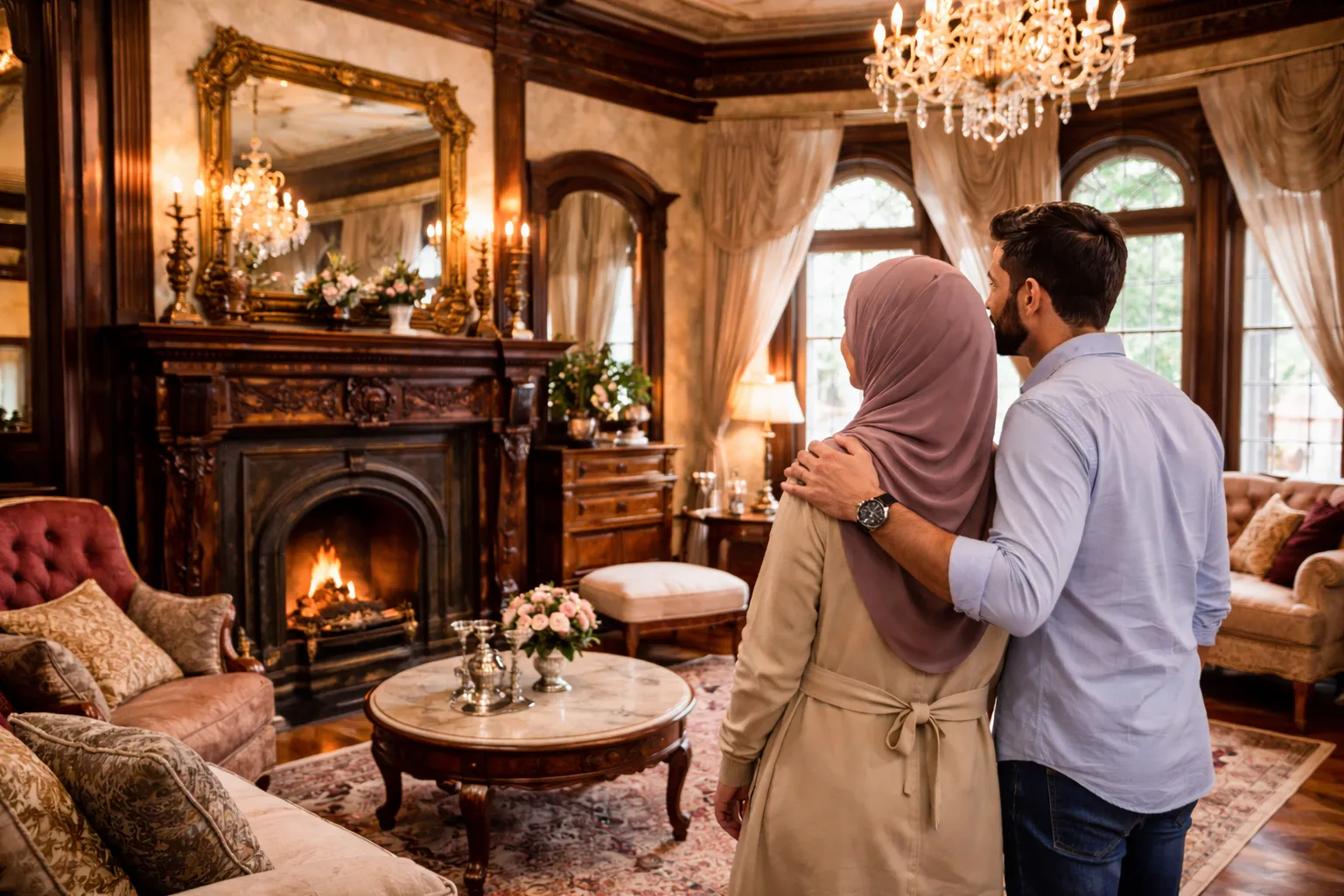
Victorian architecture, popular from the 1830s to early 1900s, is known for its elaborate designs and rich history. A Victorian home interior often includes intricate woodwork, stained glass, and bold color palettes, reflecting the era’s opulence. Key elements to consider:
- High ceilings with decorative crown moldings and ceiling roses.
- Ornate fireplaces as focal points in living rooms.
- Stained glass windows adding color and light.
- Rich, dark wood floors and built-in cabinetry.
When updating a Victorian interior, balance preservation with modern comforts. For example, integrate smart home technology discreetly to maintain historical charm while adding convenience. Learn more about smart home setup to enhance these spaces without compromising style.
Mid-Century Modern: Open Spaces and Natural Light
Mid-century modern homes, emerging in the mid-20th century, prioritize functionality and connection to nature. A hallmark of this style is mid-century homes with floor-to-ceiling windows, which flood interiors with light and blur indoor-outdoor boundaries. Characteristics include:
- Clean, geometric lines and minimal ornamentation.
- Open floor plans promoting fluid movement between rooms.
- Use of natural materials like wood, stone, and glass.
- Integration of outdoor spaces through large windows and sliding doors.
These homes often feature efficient layouts that maximize space, similar to concepts in efficient home plans. When renovating, consider adding energy-efficient windows to reduce costs while maintaining the iconic aesthetic.
Modern Farmhouse: Rustic Meets Contemporary
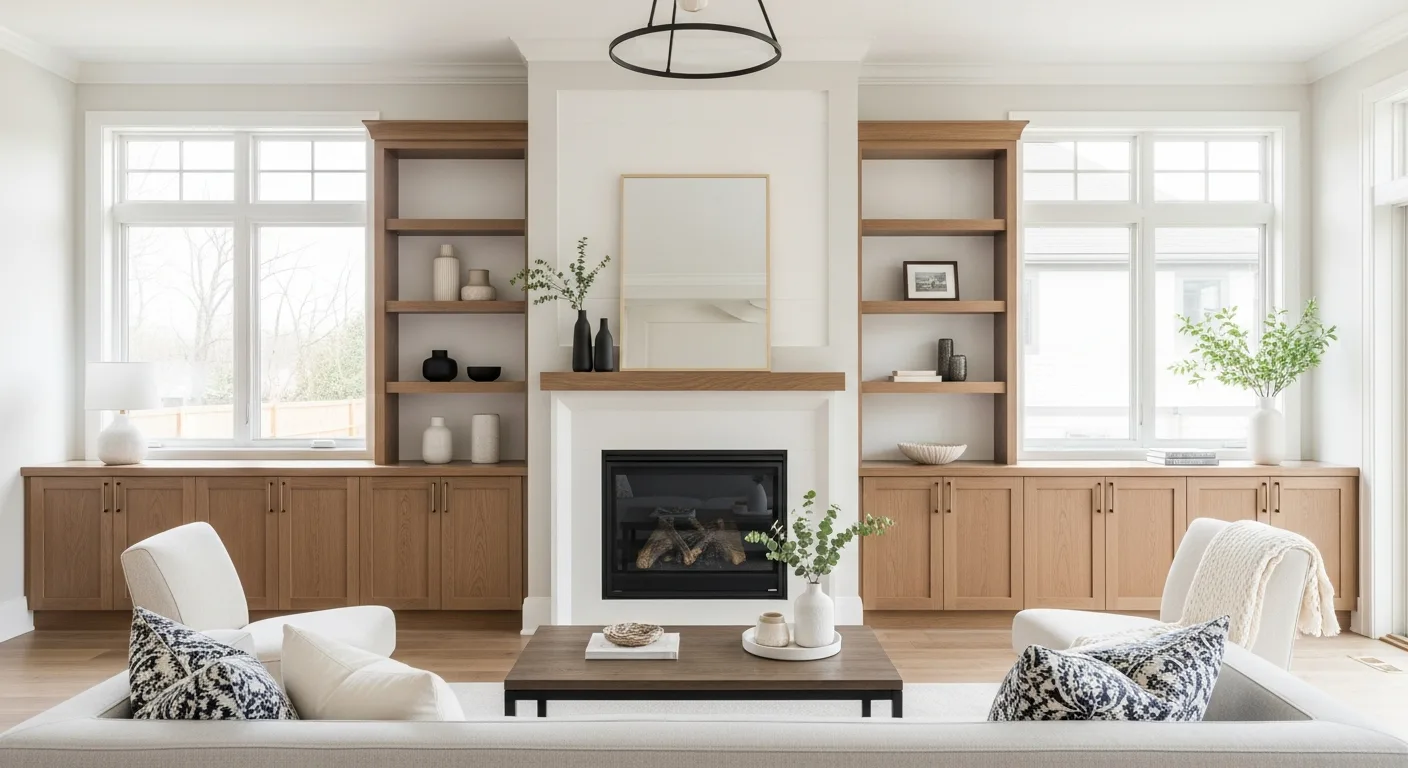
The modern farmhouse style blends traditional rustic elements with sleek, contemporary design. Farmhouse modular homes have gained popularity for their customizable and sustainable options, offering flexibility in layout and materials. Key features:
- Shiplap walls and exposed beams for a cozy, rustic feel.
- Neutral color palettes with accents of black or wood tones.
- Large, functional kitchens with farmhouse sinks and open shelving.
- Use of reclaimed materials for an eco-friendly touch.
Modular construction allows for quick builds and tailored designs, making it ideal for those seeking a personalized home. For insights into compact living, explore tiny home floor plans that share similar space-saving principles.
Comparing Architectural Styles
To help you choose the right style, here’s a comparison of key aspects:
| Style | Key Features | Best For | Maintenance Level |
|---|---|---|---|
| Victorian | Ornate details, high ceilings, stained glass | History enthusiasts, restoration projects | High (due to intricate elements) |
| Mid-Century Modern | Floor-to-ceiling windows, open plans, natural materials | Minimalists, nature lovers | Moderate (focus on upkeep of large windows) |
| Modern Farmhouse | Rustic charm, modular options, neutral colors | Families, DIY enthusiasts | Low to moderate (durable materials) |
Each style impacts home value differently; for example, Victorian homes can increase value through historical appeal, while modern farmhouses offer energy efficiency. Discover how renovations affect home value to make smart investments.
Integrating Styles in Your Home
Mixing architectural elements can create a unique, personalized space. Here are tips for blending styles effectively:
- Start with a neutral base, like modern farmhouse walls, and add Victorian accents such as vintage light fixtures.
- Use mid-century furniture with clean lines to complement open layouts in any style.
- Incorporate natural light through large windows, a key feature of mid-century design, even in Victorian updates.
- Opt for modular components in farmhouse styles to allow for future changes or expansions.
Planning such integrations requires attention to structural integrity, especially in older homes. Refer to a guide on foundation repairs to ensure safety during renovations.
FAQs: People Also Ask
What defines a Victorian home interior?
Victorian home interiors are characterized by ornate details like high ceilings, decorative moldings, stained glass windows, and rich color schemes, reflecting the opulence of the 19th century.
How do mid-century homes with floor-to-ceiling windows improve energy efficiency?
Modern upgrades, such as double-paned or low-E glass, can enhance insulation in these windows, reducing heating and cooling costs while maintaining the iconic aesthetic.
Are farmhouse modular homes customizable?
Yes, farmhouse modular homes offer high customization in layouts, materials, and finishes, allowing homeowners to tailor designs to their needs and preferences.
Can I mix Victorian and modern farmhouse styles?
Absolutely! Blend Victorian ornate elements, like crown moldings, with farmhouse rustic features, such as shiplap walls, for a unique, eclectic look that balances history and comfort.
What maintenance is required for mid-century homes?
Focus on maintaining large windows and open structures; regular cleaning and inspections help preserve natural light and structural integrity, similar to upkeep in efficient home designs.
Do architectural styles affect home resale value?
Yes, styles like Victorian can attract history buffs, while modern farmhouses appeal to those seeking energy efficiency, impacting marketability and value based on current trends.
How can I add smart features to a Victorian home?
Integrate discreet smart devices, such as hidden speakers or automated lighting, to modernize without disrupting the historical charm, enhancing both convenience and appeal.