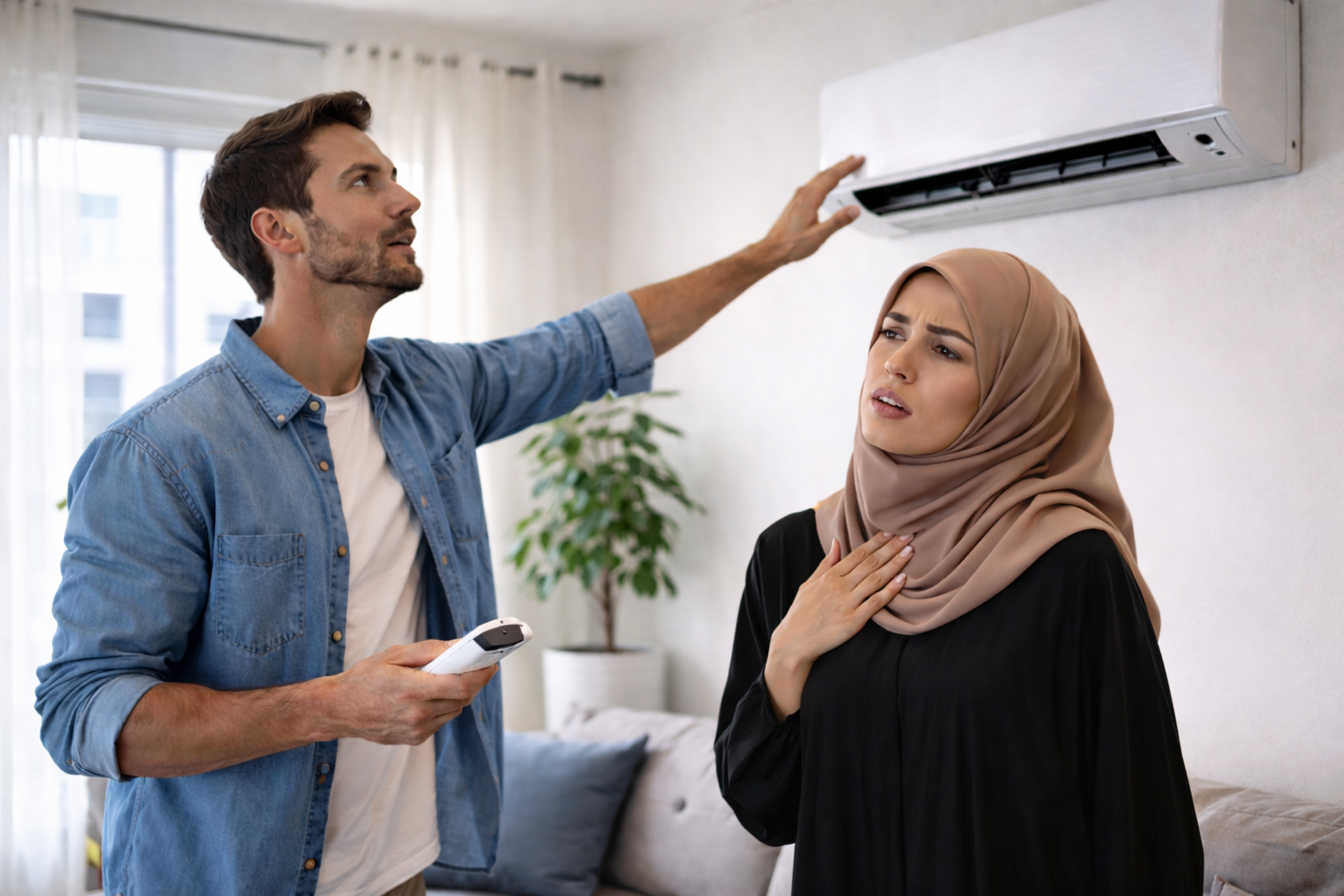
When your home AC stops blowing cold air on a sweltering day, it’s more than an inconvenience—it’s a comfort crisis that can lead to costly repairs if ignored. Understanding why your AC isn’t cooling properly is the first step toward restoring comfort and efficiency in your living space. This guide will walk you through common causes, from simple fixes like dirty filters to complex issues like refrigerant leaks, helping you diagnose and address problems before they escalate. Whether you’re dealing with a sudden breakdown or gradual cooling loss, these HVAC troubleshooting tips will empower you to take action and keep your home comfortable year-round.
Your home AC may not be blowing cold air due to dirty air filters, low refrigerant levels, thermostat issues, or a frozen evaporator coil. Start by checking and replacing filters, ensuring thermostat settings are correct, and inspecting for ice buildup on indoor components. If simple fixes don’t work, professional HVAC service is recommended for refrigerant leaks or compressor problems.
Common Causes of AC Not Blowing Cold Air
Several factors can cause your home AC unit to stop blowing cold air, ranging from minor maintenance oversights to major system failures. Identifying the root cause early can save you time and money. Here are the most frequent culprits:
- Dirty or Clogged Air Filters: Restricted airflow reduces cooling efficiency and can lead to frozen coils.
- Low Refrigerant Levels: Leaks in the system prevent proper heat absorption, causing warm air output.
- Thermostat Malfunctions: Incorrect settings or faulty sensors disrupt temperature control.
- Frozen Evaporator Coil: Ice buildup blocks airflow, often due to dirty filters or low refrigerant.
- Dirty Condenser Coil: Outdoor unit debris impedes heat dissipation, reducing cooling capacity.
- Faulty Compressor: The heart of the AC system fails, preventing refrigerant circulation.
- Blocked Vents or Ducts: Obstructions in airflow pathways reduce cold air delivery to rooms.
Regular maintenance, such as cleaning filters and coils, can prevent many of these issues. For example, a dirty filter not only affects cooling but can also strain other components, similar to how neglecting mobile home exteriors can lead to broader structural problems over time.
Step-by-Step HVAC Troubleshooting Guide
Follow this systematic approach to diagnose why your home AC isn’t blowing cold air. Start with simple checks before moving to complex issues.
- Check the Thermostat: Ensure it’s set to “cool” mode and the temperature is below room level. Replace batteries if needed.
- Inspect Air Filters: Remove and examine filters for dirt. Replace if dirty, as this is a common fix for reduced airflow.
- Look for Ice on Coils: Turn off the AC and check the indoor evaporator coil for ice. If present, thaw it and address underlying causes like low refrigerant.
- Examine Outdoor Unit: Clear debris around the condenser coil and ensure it’s not obstructed by plants or dirt.
- Listen for Unusual Noises: Grinding or buzzing sounds may indicate compressor or fan issues requiring professional help.
- Test Airflow: Feel vents for weak airflow, which could signal duct blockages or fan problems.
If troubleshooting doesn’t resolve the issue, consider integrating smart home devices for better system monitoring and efficiency, which can help prevent future AC failures.
When to Call a Professional vs. DIY Fixes
Not all AC problems are suitable for DIY repairs. Knowing when to call an HVAC technician can prevent safety risks and further damage. Use this table to guide your decision:
| Issue | DIY Fix | Professional Needed |
|---|---|---|
| Dirty Air Filter | Replace filter yourself | No |
| Thermostat Settings | Adjust settings or replace batteries | No |
| Frozen Evaporator Coil | Thaw coil and clean filter | If it recurs, yes for leak check |
| Low Refrigerant | Never DIY—requires licensed handling | Yes, for leak detection and recharge |
| Faulty Compressor | Not recommended | Yes, for repair or replacement |
| Electrical Issues | Check circuit breaker only | Yes, for wiring repairs |
For complex issues like refrigerant leaks, always hire a certified technician to ensure compliance with environmental regulations and safety standards.
Preventive Maintenance Tips to Avoid Cooling Issues
Regular upkeep can extend your AC’s lifespan and prevent it from blowing warm air. Implement these maintenance practices seasonally:
- Clean or Replace Filters Monthly: During peak usage, check filters every 30 days to maintain airflow.
- Schedule Annual Professional Tune-ups: Have an HVAC technician inspect refrigerant levels, coils, and electrical components.
- Keep Outdoor Unit Clear: Remove leaves, grass, and debris from around the condenser to ensure proper heat exchange.
- Seal Ducts and Vents: Inspect for leaks or blockages that reduce cooling efficiency.
- Monitor Thermostat Performance: Upgrade to a programmable or smart thermostat for better control and energy savings.
Consistent maintenance not only keeps your AC running smoothly but also enhances overall home efficiency, much like proper care for home exteriors protects against weather damage.
Frequently Asked Questions (FAQs)
Why is my home AC blowing warm air suddenly?
Sudden warm air often indicates a refrigerant leak, frozen evaporator coil, or thermostat failure. Check for ice on indoor coils and ensure thermostat settings are correct. If the issue persists, contact a professional to inspect for leaks.
Can a dirty air filter cause AC not to cool?
Yes, a dirty air filter restricts airflow, causing the evaporator coil to freeze and reducing cooling capacity. Replace filters regularly to prevent this common issue.
How do I know if my AC refrigerant is low?
Signs of low refrigerant include warm air output, hissing noises from the unit, ice on coils, and higher energy bills. Only a licensed technician can accurately diagnose and recharge refrigerant.
What should I do if my AC compressor is not working?
If the compressor fails, your AC won’t cool at all. Listen for clicking sounds or no operation. This requires professional repair or replacement, as it’s a complex component.
Is it safe to thaw a frozen AC coil myself?
Yes, turn off the AC and let the coil thaw naturally. Use a fan to speed up the process. Address the root cause, such as cleaning filters or checking refrigerant, to prevent recurrence.
How often should I service my home AC unit?
Schedule professional maintenance at least once a year, ideally before summer. Regular DIY checks, like cleaning filters monthly, can complement this.
Can smart thermostats help prevent AC cooling issues?
Yes, smart thermostats optimize settings and provide alerts for system problems. Integrating smart home technology can enhance efficiency and early detection of issues.
Why does my AC cool some rooms but not others?
Uneven cooling often results from blocked vents, duct leaks, or an undersized unit. Inspect vents for obstructions and consider a professional duct evaluation.