Foundation cracks are more than just unsightly blemishes on your home’s exterior; they can signal serious structural issues that threaten the safety and value of your property. Whether you live in a concrete block home or a traditional wood-frame structure, understanding how to address these cracks is crucial for maintaining a stable and secure living environment. In regions prone to severe weather, such as hurricanes or tornadoes, a solid foundation is your first line of defense against natural disasters. This guide will walk you through everything you need to know about identifying, assessing, and repairing foundation cracks, ensuring your home remains a safe haven for years to come.
To fix foundation cracks, first identify the type and cause, then use appropriate methods like epoxy injection for structural cracks or sealants for non-structural ones, and consult a professional for severe issues to ensure long-term structural integrity.
Types of Foundation Cracks and What They Mean
Not all foundation cracks are created equal. Some are minor and cosmetic, while others indicate serious structural problems. Understanding the differences can help you prioritize repairs and avoid unnecessary panic. Here are the main types of cracks you might encounter:
- Hairline Cracks: These are thin, shallow cracks often caused by normal settling or minor shrinkage in the concrete. They typically don’t affect structural integrity but should be monitored for expansion.
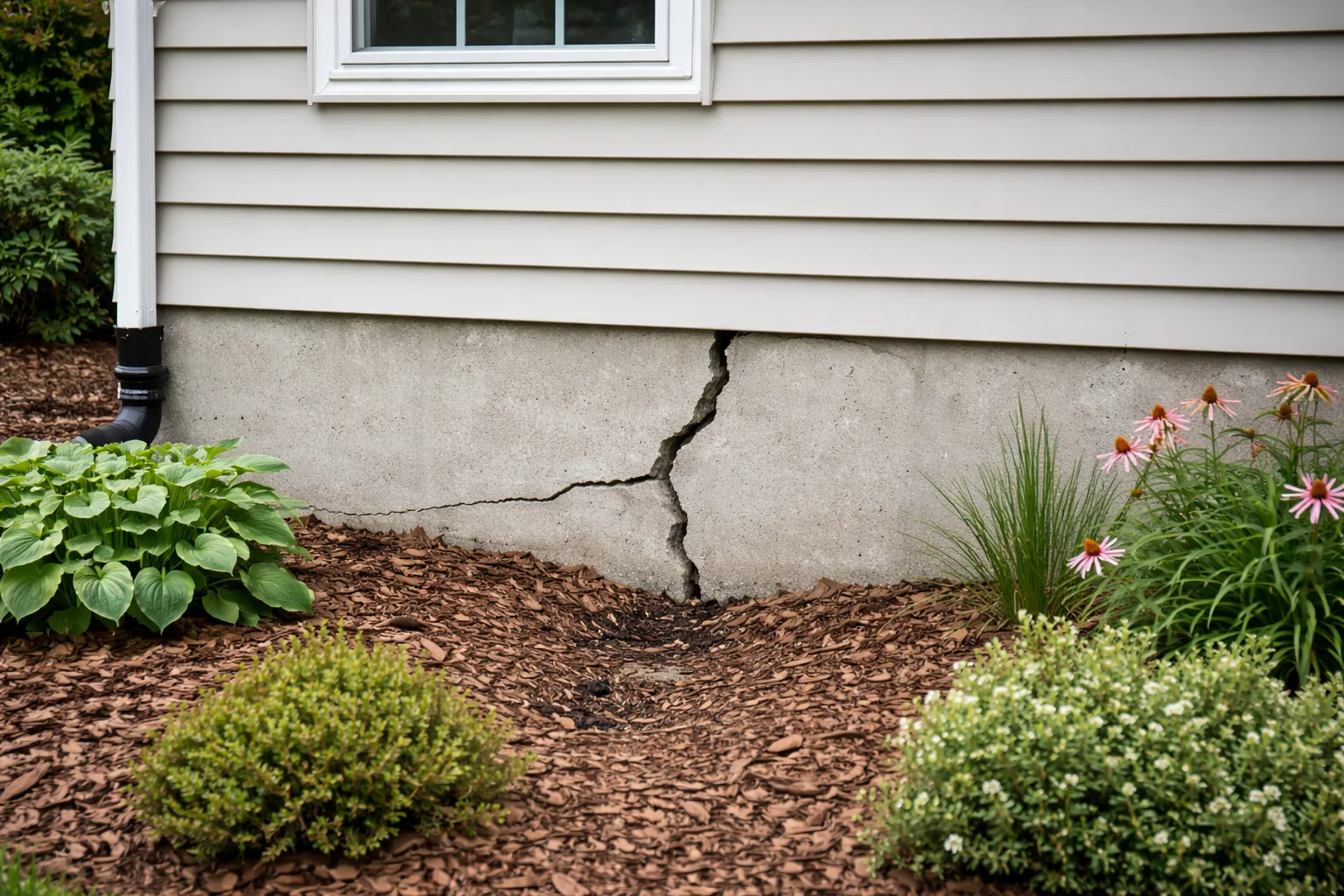
- Vertical Cracks: Running straight up and down, these are common in poured concrete foundations and usually result from settling. They’re often non-structural but can allow water infiltration if left unsealed.
- Horizontal Cracks: These run parallel to the ground and are a red flag for structural issues, often caused by soil pressure or hydrostatic pressure. Immediate professional assessment is recommended.
- Diagonal Cracks: Angled cracks can indicate differential settling, where one part of the foundation sinks more than another. They may require underpinning or other stabilization methods.
- Stair-Step Cracks: Common in concrete block homes, these follow the mortar joints and can signal foundation movement or soil issues.
For homeowners in areas with extreme weather, such as those building hurricane proof homes, addressing these cracks early is essential to maintain the home’s resilience against high winds and flooding.
Causes of Foundation Cracks
Foundation cracks don’t appear out of nowhere; they’re usually the result of underlying issues that need to be addressed to prevent recurrence. Identifying the root cause is key to effective repair. Common causes include:
- Soil Movement: Expansive soils that swell with moisture and shrink during droughts can exert pressure on foundations, leading to cracks. Proper drainage and soil stabilization are critical.
- Poor Construction: Inadequate concrete mix, insufficient reinforcement, or improper curing during construction can weaken the foundation over time.
- Water Damage: Poor drainage, leaking pipes, or high water tables can erode soil or cause hydrostatic pressure, cracking the foundation. Ensuring good exterior drainage is a must.
- Tree Roots: Large trees planted too close to the home can absorb moisture from the soil or physically push against the foundation, causing cracks.
- Natural Settling: All homes settle over time, but excessive or uneven settling can lead to significant cracking, especially in older structures.
In tornado-prone regions, where tornado resistant homes rely on robust foundations, addressing these causes proactively can enhance safety during storms.
Step-by-Step Guide to Fixing Foundation Cracks
Repairing foundation cracks involves a systematic approach to ensure durability and prevent future issues. Follow these steps for a successful repair:
- Assess the Crack: Determine if the crack is structural or non-structural. Use a crack monitor to track any movement over time. If the crack is wider than 1/4 inch or shows signs of active movement, consult a structural engineer.
- Clean the Area: Remove any loose debris, dirt, or old sealant from the crack using a wire brush, chisel, or pressure washer. This ensures proper adhesion of repair materials.
- Choose the Right Repair Method: Select a method based on the crack type. For non-structural cracks, use hydraulic cement or polyurethane sealants. For structural cracks, epoxy injection or carbon fiber straps may be necessary.
- Apply the Repair: Follow manufacturer instructions carefully. For sealants, use a caulking gun to fill the crack, then smooth it with a putty knife. For epoxy, inject it into the crack using specialized equipment.
- Monitor and Maintain: After repair, keep an eye on the area for any new cracks or signs of movement. Implement preventive measures like improving drainage or installing gutters.
For homes with unique exteriors, such as those detailed in our guide on mobile home exteriors, foundation repair may involve additional considerations like skirting or specialized materials.
Preventive Measures to Avoid Future Cracks
Prevention is always better than cure when it comes to foundation health. By taking proactive steps, you can minimize the risk of cracks and extend the life of your foundation. Key preventive measures include:
- Maintain Proper Drainage: Ensure downspouts direct water away from the foundation, and grade the soil to slope away from the home. Consider installing French drains or sump pumps in wet areas.
- Control Soil Moisture: Use soaker hoses during dry periods to keep soil consistently moist and prevent excessive shrinking. Avoid overwatering, which can cause swelling.
- Inspect Regularly: Conduct seasonal inspections of your foundation, looking for new cracks or signs of water damage. Early detection can save costly repairs later.
- Avoid Planting Trees Too Close: Keep large trees and shrubs at least 10-20 feet away from the foundation to prevent root intrusion and moisture competition.
- Address Plumbing Leaks Promptly: Fix any leaking pipes immediately to prevent water from undermining the foundation soil.
When to Call a Professional
While some foundation cracks can be DIY projects, others require expert intervention to ensure safety and compliance with building codes. Knowing when to call a professional can prevent minor issues from becoming major disasters. Consider hiring a pro if:
- The crack is wider than 1/4 inch or shows signs of active movement.
- You notice doors or windows sticking, floors sloping, or gaps between walls and ceilings.
- The crack is horizontal or stair-step, indicating potential structural failure.
- Water is seeping through the crack, suggesting drainage or waterproofing issues.
- You’re unsure about the cause or repair method, especially in complex cases like those involving concrete block homes.
A structural engineer or licensed contractor can provide a thorough assessment and recommend solutions like underpinning, piering, or wall anchors.
Comparing Repair Methods for Foundation Cracks
Choosing the right repair method depends on the crack type, severity, and budget. Here’s a comparison of common techniques to help you decide:
| Method | Best For | Cost | Durability |
|---|---|---|---|
| Epoxy Injection | Structural cracks | $$$ | High |
| Polyurethane Sealant | Non-structural cracks, water leaks | $$ | Medium |
| Carbon Fiber Straps | Horizontal cracks, wall bowing | $$$$ | Very High |
| Hydraulic Cement | Active leaks, quick fixes | $ | Low to Medium |
| Underpinning | Severe settling, major repairs | $$$$$ | Permanent |
For homes in disaster-prone areas, investing in durable methods like carbon fiber straps can align with goals for hurricane proof homes by reinforcing the structure against extreme forces.
Frequently Asked Questions (FAQs)
What are the most dangerous types of foundation cracks?
Horizontal cracks and stair-step cracks in concrete block foundations are often the most dangerous, as they can indicate significant structural pressure or movement that may lead to wall failure if not addressed promptly.
Can I fix foundation cracks myself, or should I hire a professional?
You can fix minor, non-structural cracks yourself using sealants, but for cracks wider than 1/4 inch, showing movement, or causing structural symptoms like sloping floors, it’s best to hire a professional to ensure safety and proper repair.
How much does it cost to repair foundation cracks?
Costs vary widely: DIY sealants may cost $20-$100, while professional repairs like epoxy injection range from $500-$1,500, and major fixes like underpinning can exceed $10,000, depending on severity and location.
How can I prevent foundation cracks in my home?
Prevent cracks by maintaining proper drainage, controlling soil moisture, inspecting regularly, avoiding planting trees too close, and fixing plumbing leaks quickly to protect your foundation from common stressors.
Are foundation cracks covered by homeowners insurance?
Typically, homeowners insurance does not cover foundation cracks caused by normal settling, wear and tear, or soil movement. It may cover sudden, accidental damage like from a burst pipe, but check your policy for specifics.
How do I know if a foundation crack is getting worse?
Use a crack monitor to track width changes over time. Signs of worsening include increasing width, new cracks forming nearby, doors/windows sticking, or visible shifts in walls or floors.
What should I do if water is leaking through a foundation crack?
First, address the drainage issue causing the leak, then clean and seal the crack with a waterproof sealant like polyurethane. For persistent leaks, consult a professional to assess waterproofing needs.
Can foundation cracks affect the resale value of my home?
Yes, unrepaired or severe foundation cracks can lower resale value by raising concerns about structural integrity. Proper repair and documentation can help mitigate this impact during sales.