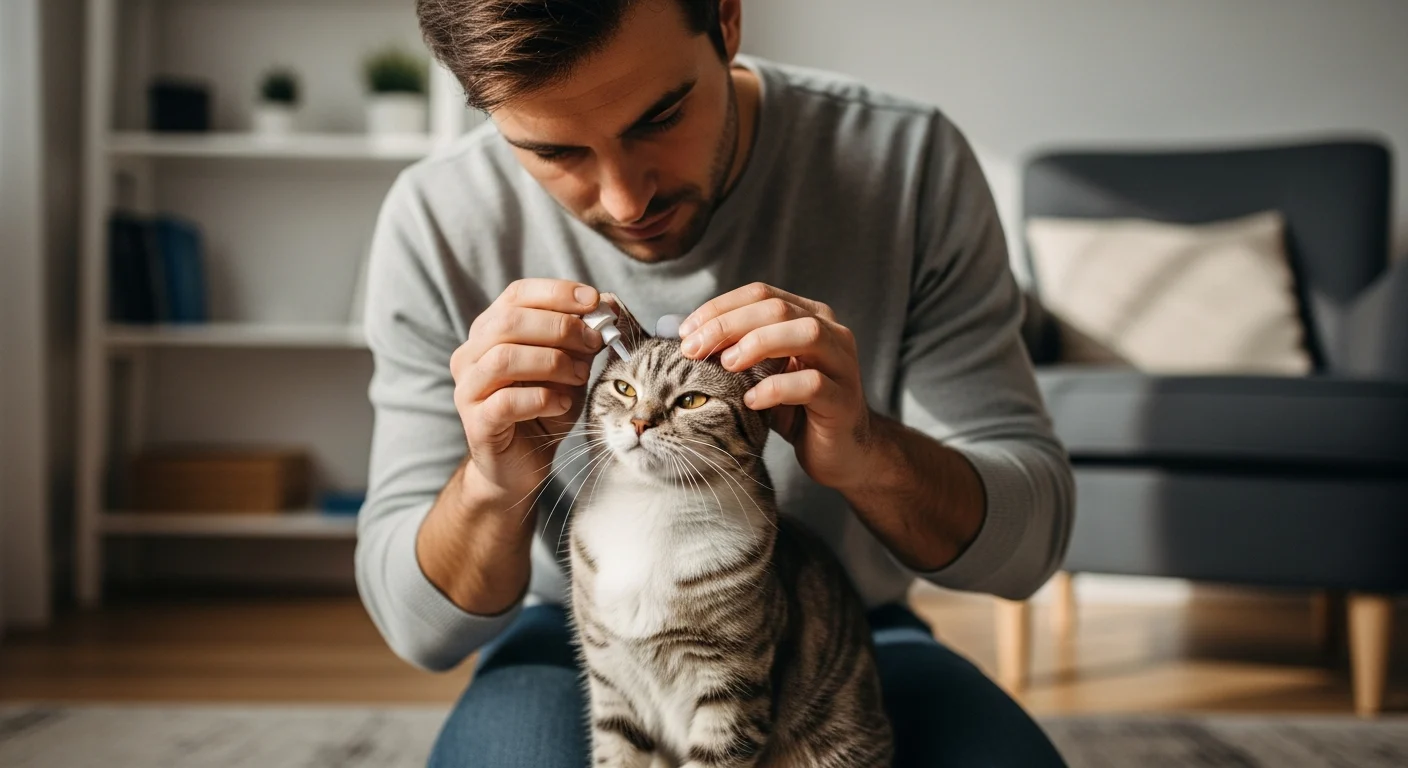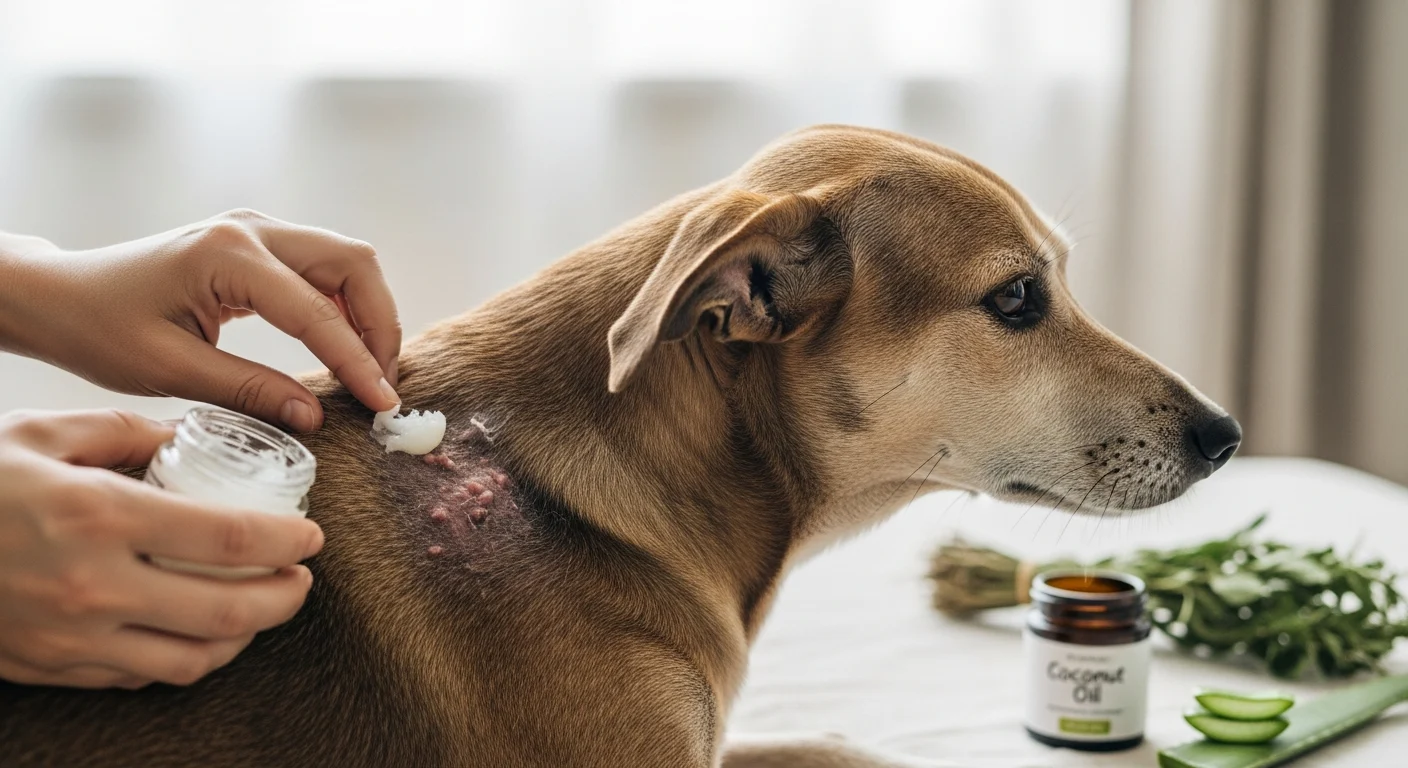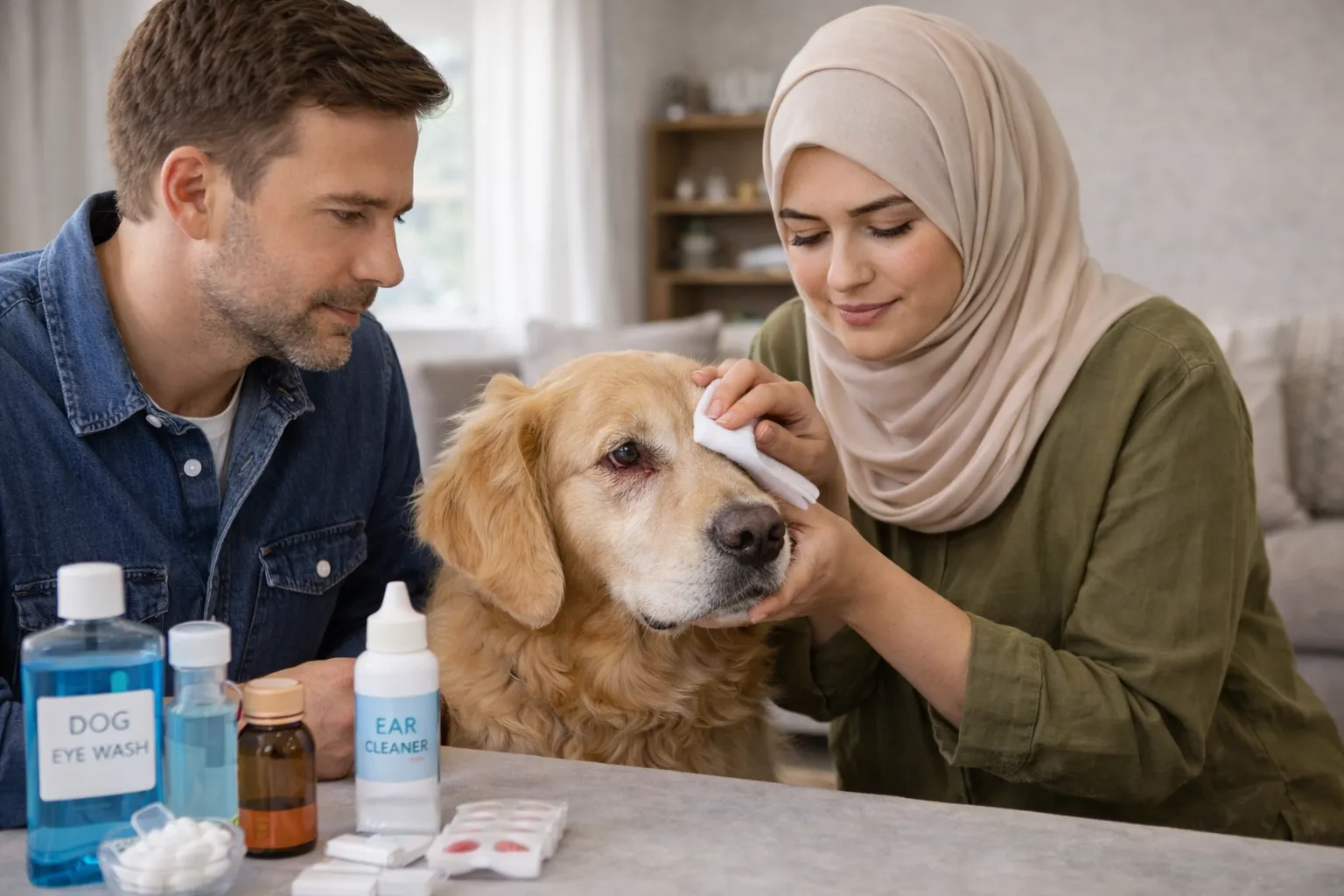
As a pet owner, noticing your furry friend in distress can be heart-wrenching. Whether it’s a cat showing signs of anemia, a dog struggling with glaucoma, or a pet battling kennel cough, knowing how to respond at home is crucial for their well-being. Pet health monitoring involves recognizing symptoms early and providing immediate care while seeking veterinary guidance. This comprehensive guide covers managing common conditions like anemia, glaucoma, and kennel cough with practical, at-home strategies. From dietary adjustments to symptom relief, we’ll explore safe and effective methods to support your pet’s health. Remember, while home care is valuable, it should complement professional veterinary advice, not replace it. For more on pet health emergencies, check out our guide on cat difficulty breathing home remedy.
To treat cat anemia at home, focus on iron-rich diets, supplements, and rest, but consult a vet for underlying causes. For dog glaucoma, use prescribed eye drops and manage pain with vet guidance. For kennel cough in cats, provide humidifiers, hydration, and isolation, but see a vet for antibiotics if needed. Always prioritize veterinary care for accurate diagnosis and treatment.
Understanding Cat Anemia and Home Treatment
Cat anemia occurs when there’s a deficiency of red blood cells, leading to symptoms like lethargy, pale gums, and weakness. While severe cases require veterinary intervention, mild anemia can be managed at home with proper care. Start by identifying potential causes, such as nutritional deficiencies, parasites, or underlying illnesses. At-home treatment focuses on boosting iron levels and supporting overall health. Incorporate iron-rich foods like cooked liver or commercial cat foods fortified with iron, but avoid raw meats due to bacterial risks. Supplements like vitamin B12 and iron, under vet supervision, can help. Ensure your cat stays hydrated and gets plenty of rest. Monitor for improvements, but if symptoms worsen, seek immediate veterinary help. For related pet care tips, explore our article on home remedies for cat eye infection.
- Provide iron-rich foods: cooked liver, fortified cat food
- Use vet-approved supplements: iron, vitamin B12
- Ensure adequate hydration and rest
- Avoid raw meats to prevent infections
- Monitor symptoms and consult a vet if no improvement
Managing Dog Glaucoma at Home
Dog glaucoma is a serious eye condition characterized by increased pressure, leading to pain and potential vision loss. While veterinary treatment is essential, home care can help manage symptoms and improve comfort. Use prescribed eye drops as directed by your vet to reduce pressure. Create a calm environment to minimize stress, which can exacerbate symptoms. Apply cool compresses to the affected eye for temporary relief, but avoid direct pressure. Ensure your dog avoids activities that strain the eyes, like excessive running or bright lights. Dietary adjustments, such as adding antioxidants from fruits and vegetables, may support eye health. However, never delay veterinary visits, as glaucoma can progress quickly. For more on pet health emergencies, see our guide on cat difficulty breathing home remedy.
- Administer vet-prescribed eye drops regularly
- Reduce stress with a quiet, comfortable space
- Apply cool compresses gently to the eye
- Limit physical activity to prevent eye strain
- Incorporate antioxidant-rich foods into the diet
Treating Kennel Cough in Cats at Home
Kennel cough, though more common in dogs, can affect cats, causing symptoms like coughing, sneezing, and nasal discharge. Home treatment focuses on supportive care to ease symptoms and prevent spread. Use a humidifier or steam from a shower to soothe respiratory passages. Ensure your cat stays hydrated with fresh water or broth. Isolate the sick cat from other pets to prevent contagion. Provide a warm, comfortable resting area to boost recovery. Over-the-counter remedies should be avoided unless recommended by a vet, as some can be harmful. If symptoms persist or worsen, seek veterinary care for possible antibiotics or other treatments. For additional pet health insights, check out our article on home remedies for dog mange.
- Use humidifiers or steam to relieve coughing
- Encourage hydration with water or broth
- Isolate the cat to prevent spreading the infection
- Provide a warm, quiet space for rest
- Avoid OTC medications without vet approval
How to Treat a Cat Sprained Leg at Home
A cat sprained leg can result from jumps or falls, causing limping and discomfort. Home care involves rest, pain management, and monitoring. Limit your cat’s activity by confining them to a small, safe area. Apply ice packs wrapped in a towel to the affected leg for 10-15 minutes several times a day to reduce swelling. Ensure your cat has easy access to food, water, and a litter box to avoid strain. Over-the-counter pain relievers are not safe for cats; consult a vet for appropriate medications. Monitor for signs of improvement, but if limping persists beyond a few days, seek veterinary evaluation to rule out fractures. For more on pet injury care, refer to our guide on home remedies for cat eye infection.
- Restrict movement with confinement
- Apply ice packs to reduce swelling
- Provide easy access to essentials
- Avoid human pain medications
- Consult a vet if symptoms don’t improve
Comparing Home Treatments for Common Pet Conditions
| Condition | Primary Home Treatment | When to See a Vet |
|---|---|---|
| Cat Anemia | Iron-rich diet, supplements, rest | If lethargy worsens or gums remain pale |
| Dog Glaucoma | Eye drops, cool compresses, low stress | Immediately for pain or vision changes |
| Kennel Cough in Cats | Humidifiers, hydration, isolation | If coughing persists or breathing difficulties arise |
| Cat Sprained Leg | Rest, ice, confinement | If limping continues beyond 2-3 days |
Preventive Measures for Pet Health
Prevention is key to avoiding common pet health issues. Regular veterinary check-ups can catch problems early. Maintain a balanced diet tailored to your pet’s needs to prevent deficiencies like anemia. Keep vaccinations up-to-date to reduce risks of infections like kennel cough. Provide a safe environment to minimize injuries, such as sprains. Monitor your pet’s behavior and physical condition daily for early signs of illness. For more on home safety and health, explore our article on home camera without WiFi.
- Schedule annual vet visits for check-ups
- Feed a nutritionally complete diet
- Ensure vaccinations are current
- Pet-proof your home to prevent accidents
- Observe your pet daily for changes
FAQs: Pet Health Monitoring
Can I treat cat anemia at home without a vet?
Mild anemia may be managed at home with diet and supplements, but it’s crucial to consult a vet to identify the underlying cause, as anemia can signal serious conditions like kidney disease or parasites.
What are the signs of dog glaucoma I can monitor at home?
Watch for symptoms like redness in the eyes, excessive tearing, squinting, or visible discomfort. If you notice these, seek veterinary care immediately, as glaucoma can lead to permanent vision loss.
How long does kennel cough last in cats with home treatment?
With supportive home care, kennel cough in cats typically improves within 1-2 weeks. If symptoms persist longer or worsen, consult a vet for possible bacterial infections.
Is it safe to give my cat pain medication for a sprained leg?
No, human pain medications like ibuprofen or acetaminophen are toxic to cats. Always use vet-prescribed medications to ensure safety and effectiveness.
Can diet help prevent pet anemia?
Yes, a balanced diet rich in iron, vitamin B12, and protein can help prevent nutritional anemia. Consult your vet for specific dietary recommendations based on your pet’s health.
What should I do if my pet’s condition doesn’t improve with home care?
If there’s no improvement within a few days or symptoms worsen, stop home treatment and seek veterinary assistance promptly to avoid complications.
Are there home tests for pet health issues like anemia?
While there are at-home test kits available, they are not a substitute for veterinary diagnosis. For reliable health testing, consider options like an at home ferritin test for humans, but always rely on vet exams for pets.