Installing a mobile home is a complex process that requires careful planning, from selecting the right site to ensuring proper insulation and dimensions for long-term durability and comfort. Whether you’re a first-time buyer or upgrading your current setup, understanding the key steps can save you time, money, and headaches. This guide covers everything from foundation setup to winterization, helping you create a safe and efficient living space. For more on related topics, check out our mobile home anchoring and skirting guide to secure your home against the elements.
Installing a mobile home involves site preparation, foundation setup, anchoring, skirting installation, and insulation to ensure stability, energy efficiency, and compliance with local codes. Key dimensions typically range from 14 to 16 feet in width for single-wides and up to 32 feet for double-wides, with proper insulation and winterization essential for cold climates.
Site Preparation and Foundation Setup
Before installing a mobile home, thorough site preparation is crucial. Start by clearing the land of debris, leveling the ground, and ensuring proper drainage to prevent water accumulation. Next, choose a foundation type based on your needs and local regulations. Common options include:
- Permanent Foundations: These provide long-term stability and can increase property value. Options include concrete slabs, piers, or crawl spaces. For detailed insights, see our guide to mobile home foundations.
- Temporary Setups: Often used for rental properties or short-term placements, these include blocks or pads but may require more maintenance.
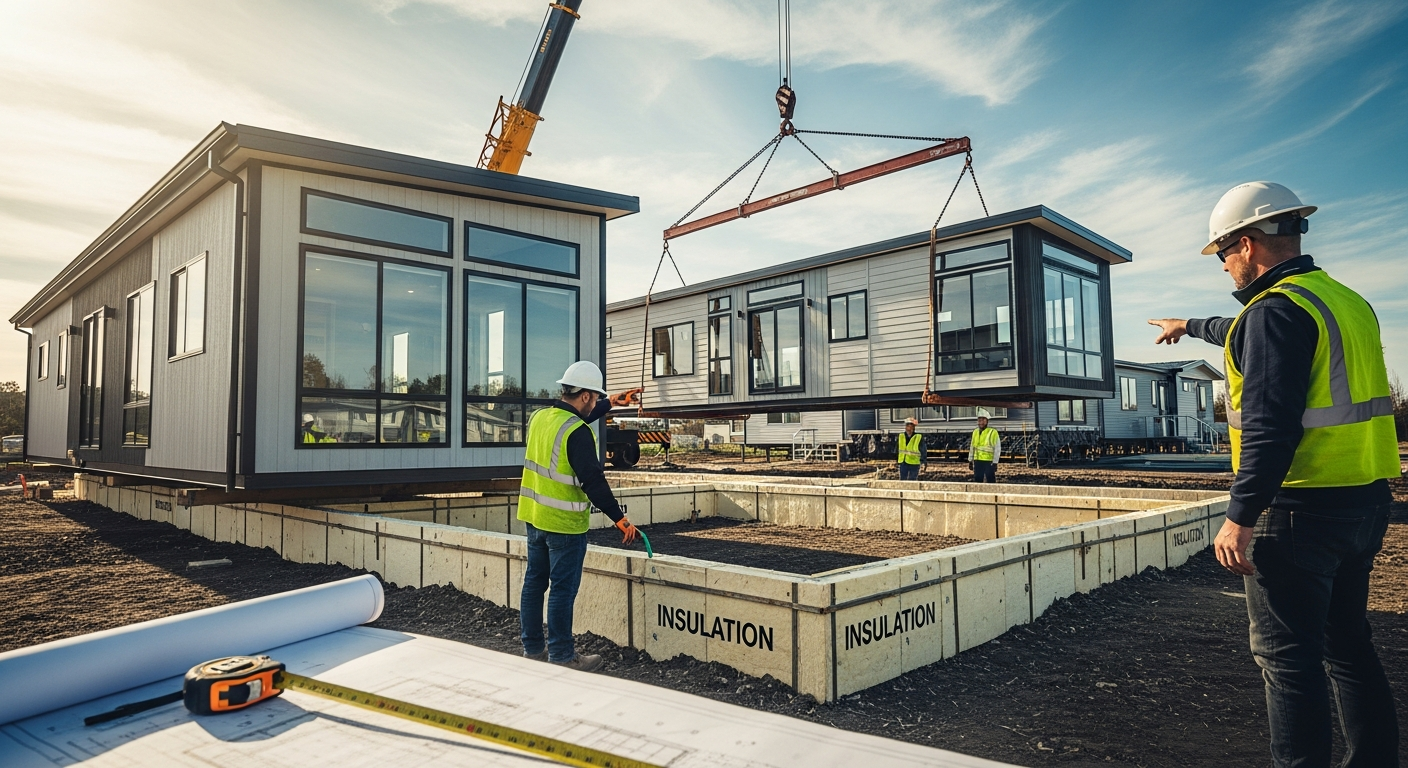
Once the foundation is in place, position the mobile home using cranes or specialized equipment, ensuring it’s level and aligned. Proper anchoring is essential to secure the home against wind and weather; this involves attaching steel straps or cables to ground anchors. Neglecting this step can lead to structural damage, so refer to local codes for specific requirements.
Insulation for Under Mobile Home: Key Techniques
Insulation is vital for energy efficiency and comfort, especially in areas with extreme temperatures. For under-mobile home insulation, focus on the underbelly and skirting areas to prevent heat loss and moisture buildup. Here’s a step-by-step approach:
- Assess Existing Insulation: Check for gaps, tears, or water damage in the underbelly material, which is often a vapor barrier with fiberglass or foam insulation.
- Install Skirting: Skirting not only enhances aesthetics but also provides an additional insulation layer. Options include vinyl, metal, or concrete. For installation tips, explore our skirting on mobile home guide.
- Add Insulation Materials: Use materials like spray foam, batt insulation, or rigid boards. Ensure they’re rated for moisture resistance to prevent mold growth.
- Seal Gaps: Use caulk or foam sealant around pipes, vents, and seams to block air leaks.
Proper insulation can reduce heating costs by up to 30% and improve indoor air quality. In colder regions, consider combining under-home insulation with wall and roof upgrades for maximum efficiency. For more on heating systems, our mobile home heating guide offers valuable insights.
How Wide Is a Mobile Home? Understanding Dimensions
Mobile home dimensions vary based on the type and model, affecting installation and interior layout. Standard widths include:
- Single-Wide Homes: Typically 14 to 16 feet wide and 60 to 80 feet long, with a total area of 600 to 1,200 square feet.
- Double-Wide Homes: Usually 20 to 32 feet wide and 40 to 80 feet long, offering 1,000 to 2,500 square feet of space.
- Triple-Wide or Modular Homes: Can exceed 40 feet in width, providing even more room for customization.
When planning installation, consider these dimensions for site selection, foundation size, and transportation logistics. Wider homes may require special permits or equipment for delivery. Additionally, interior dimensions impact furniture placement and storage; measure doorways and hallways to ensure accessibility. For design ideas, check out our mobile home kitchen remodel guide to optimize space.
How to Winterize a Mobile Home: Step-by-Step Guide
Winterizing a mobile home is essential to prevent freezing pipes, heat loss, and structural damage during cold months. Follow this comprehensive checklist:
- Insulate Pipes and Plumbing: Wrap exposed pipes with foam insulation or heat tape, and drain outdoor faucets to avoid bursts.
- Seal Windows and Doors: Apply weatherstripping or caulk to gaps, and consider installing storm windows for added protection.
- Check Heating Systems: Service your furnace or heat pump, and replace filters regularly. For HVAC details, see our mobile home HVAC systems guide.
- Inspect Skirting and Underbelly: Ensure skirting is secure and underbelly insulation is intact to block cold air drafts.
- Use Thermal Curtains and Rugs: These add extra insulation layers and improve comfort indoors.
Proactive winterization can save on energy bills and extend the lifespan of your home. For more tips on home maintenance, our master home maintenance checklist covers seasonal tasks.
Comparing Insulation Types for Mobile Homes
Choosing the right insulation material depends on factors like climate, budget, and installation ease. Here’s a comparison table:
| Insulation Type | R-Value (Per Inch) | Best For | Pros | Cons |
|---|---|---|---|---|
| Fiberglass Batt | 3.1-4.3 | Walls and ceilings | Low cost, easy to install | Can settle over time, moisture issues |
| Spray Foam | 6.0-7.0 | Underbelly and gaps | High R-value, seals air leaks | Expensive, professional installation needed |
| Rigid Foam Board | 4.0-6.5 | Skirting and foundations | Moisture-resistant, durable | Less flexible, higher upfront cost |
| Reflective Foil | 3.0-4.0 | Hot climates | Reflects heat, lightweight | Lower insulation in cold areas |
Select materials based on your specific needs, and always follow manufacturer guidelines for installation. Combining different types can optimize performance across seasons.
FAQs About Mobile Home Installation
What are the key steps for installing a mobile home?
The key steps include site preparation, foundation setup, home positioning, anchoring, skirting installation, and insulation. Each step must comply with local building codes to ensure safety and durability.
How can I improve insulation under my mobile home?
Improve insulation by installing skirting, adding spray foam or batt insulation to the underbelly, and sealing gaps around pipes and vents. Regular inspections help maintain effectiveness.
What is the standard width of a double-wide mobile home?
Double-wide mobile homes typically range from 20 to 32 feet in width, with lengths varying from 40 to 80 feet. Exact dimensions depend on the manufacturer and model.
Why is winterizing a mobile home important?
Winterizing prevents frozen pipes, reduces heat loss, and protects against structural damage from cold weather, ultimately saving on repair costs and energy bills.
Do I need a permit to install a mobile home?
Yes, most localities require permits for mobile home installation to ensure compliance with zoning, safety, and environmental regulations. Check with your local building department.
How long does it take to install a mobile home?
Installation can take from a few days to several weeks, depending on site conditions, foundation type, and weather. Proper planning helps streamline the process.
Can I install a mobile home myself?
While some tasks like skirting or insulation may be DIY-friendly, professional help is recommended for foundation work, anchoring, and electrical setups to avoid safety risks.
What are common mistakes to avoid during installation?
Common mistakes include inadequate site leveling, poor anchoring, insufficient insulation, and neglecting local codes. Consulting experts and following guides can mitigate these issues.