Maintaining your mobile home’s HVAC system is crucial for comfort, energy efficiency, and safety, especially given the unique challenges of these structures. From the furnace in a mobile home to the ductwork and AC units, proper care can prevent costly repairs and extend the lifespan of your equipment. Whether you’re dealing with an aging Intertherm mobile home furnace or planning a mobile home AC replacement, understanding the basics of mobile home systems ensures you stay warm in winter and cool in summer without breaking the bank. This guide covers everything from routine maintenance to full replacements, helping you navigate the specifics of mobile home HVAC with confidence.
To maintain your furnace in a mobile home, regularly clean or replace filters, inspect ductwork for leaks, and schedule professional tune-ups annually. For replacement, consider energy-efficient models designed for mobile homes, and always hire a certified technician to ensure proper installation and safety compliance.
Understanding Mobile Home HVAC Systems
Mobile home HVAC systems differ from traditional home setups due to their compact size, specific ductwork designs, and often unique equipment like Intertherm mobile home furnaces. These systems are engineered to fit within limited spaces while providing adequate heating and cooling. Key components include the furnace, air conditioner, ductwork, and thermostat, all of which must work in harmony for optimal performance. For a deeper dive into how these systems operate, check out our guide on mobile home HVAC systems, which explains ductwork and AC units in detail.
- Furnace: Typically located in a closet or under the home, it heats air for distribution.
- Air Conditioner: Often a split system or packaged unit, it cools and dehumidifies air.
- Ductwork: Smaller and more flexible than in site-built homes, it requires regular inspection.
- Thermostat: Controls temperature settings and system cycles.
Routine Maintenance for Your Furnace in a Mobile Home
Regular maintenance is essential to keep your furnace in a mobile home running efficiently and safely. Neglecting upkeep can lead to higher energy bills, breakdowns, or even hazardous conditions like carbon monoxide leaks. Start by creating a seasonal checklist to stay on top of tasks. For broader home maintenance tips, including humidity control, refer to our seasonal home maintenance guide.
- Clean or replace air filters every 1-3 months to improve airflow and air quality.
- Inspect the blower motor and belts for wear, lubricating moving parts as needed.
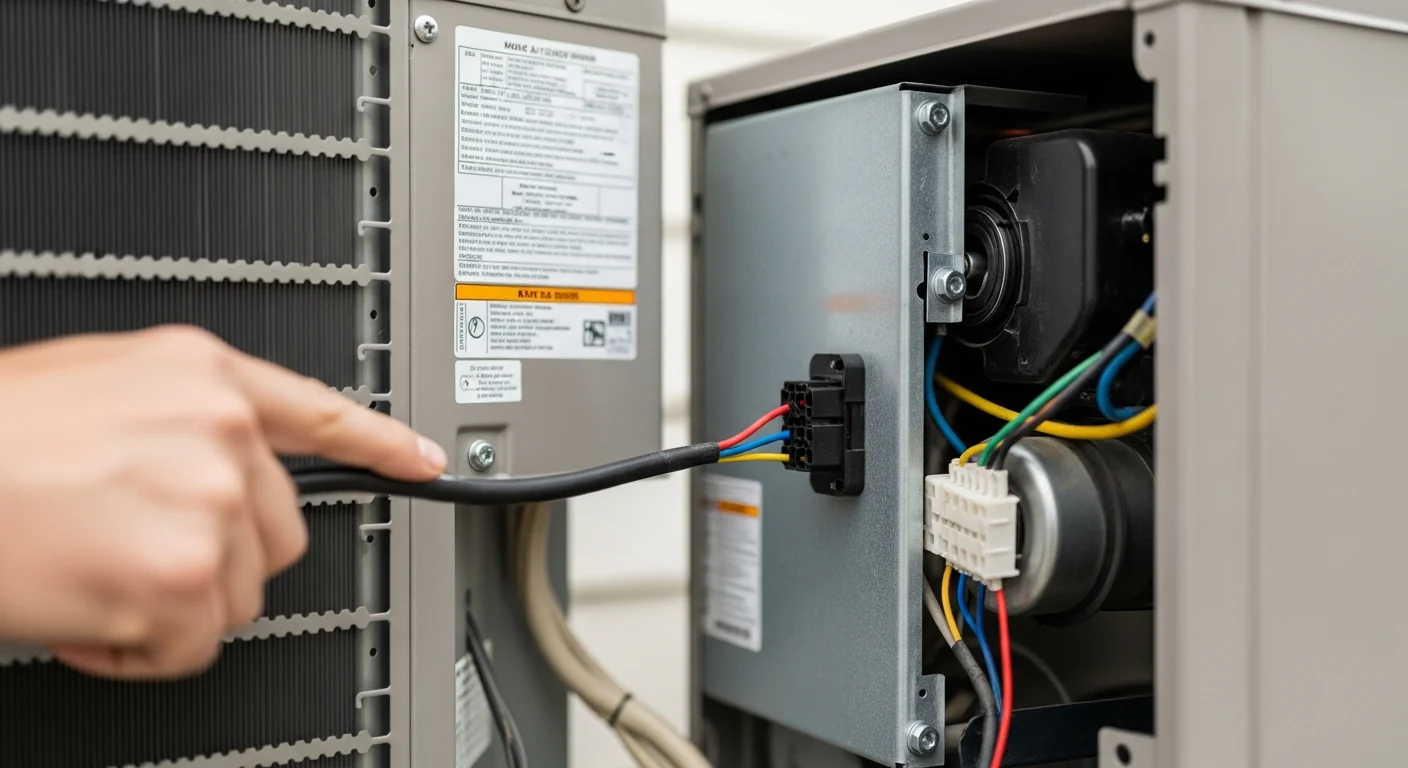
- Check the heat exchanger for cracks or corrosion to prevent carbon monoxide issues.
- Test the thermostat and calibrate it if temperatures seem inaccurate.
- Schedule a professional tune-up annually to clean components and ensure safety.
When to Consider Mobile Home AC Replacement
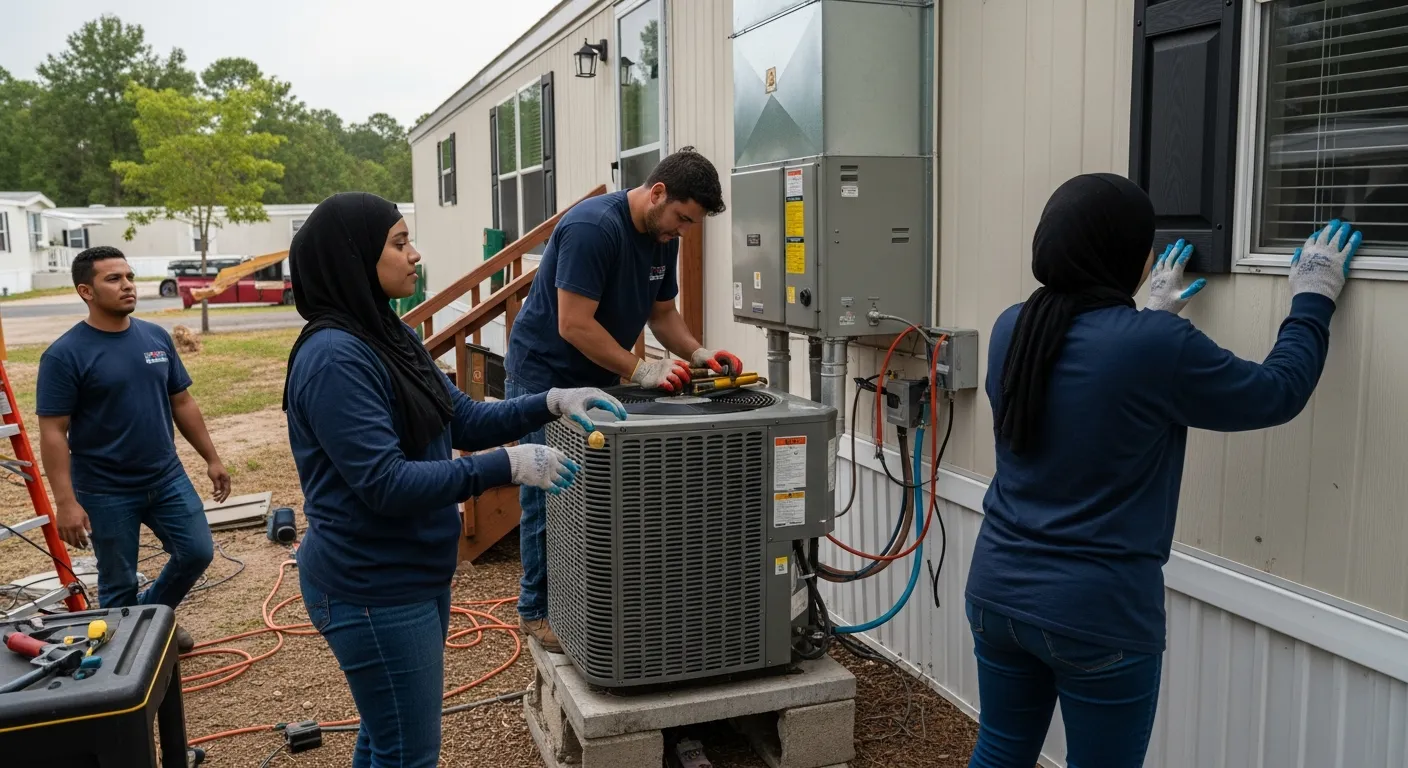
Knowing when to replace your mobile home AC unit can save you money and improve comfort. Signs include frequent repairs, rising energy bills, inconsistent cooling, or an age over 10-15 years. Replacement involves choosing the right unit for your mobile home’s size and layout, as well as ensuring proper installation. For more on troubleshooting AC issues, see our article on home HVAC essentials, which covers Freon, filters, and electric furnaces.
- Age: Units older than 15 years are often less efficient and prone to failure.
- Performance: If cooling is weak or uneven, it may be time for an upgrade.
- Cost: Compare repair costs versus replacement; if repairs exceed 50% of a new unit’s price, replacement is usually better.
- Energy Efficiency: Newer models with higher SEER ratings reduce energy consumption.
Intertherm Mobile Home Furnace: Features and Maintenance
Intertherm is a popular brand for mobile home furnaces, known for their compact design and reliability. These units are specifically engineered for the unique demands of mobile homes, such as limited space and specific venting requirements. To maintain an Intertherm mobile home furnace, follow the manufacturer’s guidelines and prioritize regular inspections. For related heating insights, explore our mobile home heating guide on furnaces and insulation.
| Feature | Benefit |
|---|---|
| Compact Size | Fits easily in mobile home closets or under-floor areas. |
| High Efficiency | Reduces energy costs with AFUE ratings up to 80%. |
| Durable Construction | Built to withstand mobile home vibrations and conditions. |
| Easy Maintenance | Accessible components for cleaning and repairs. |
Inspecting and Repairing Mobile Home Duct
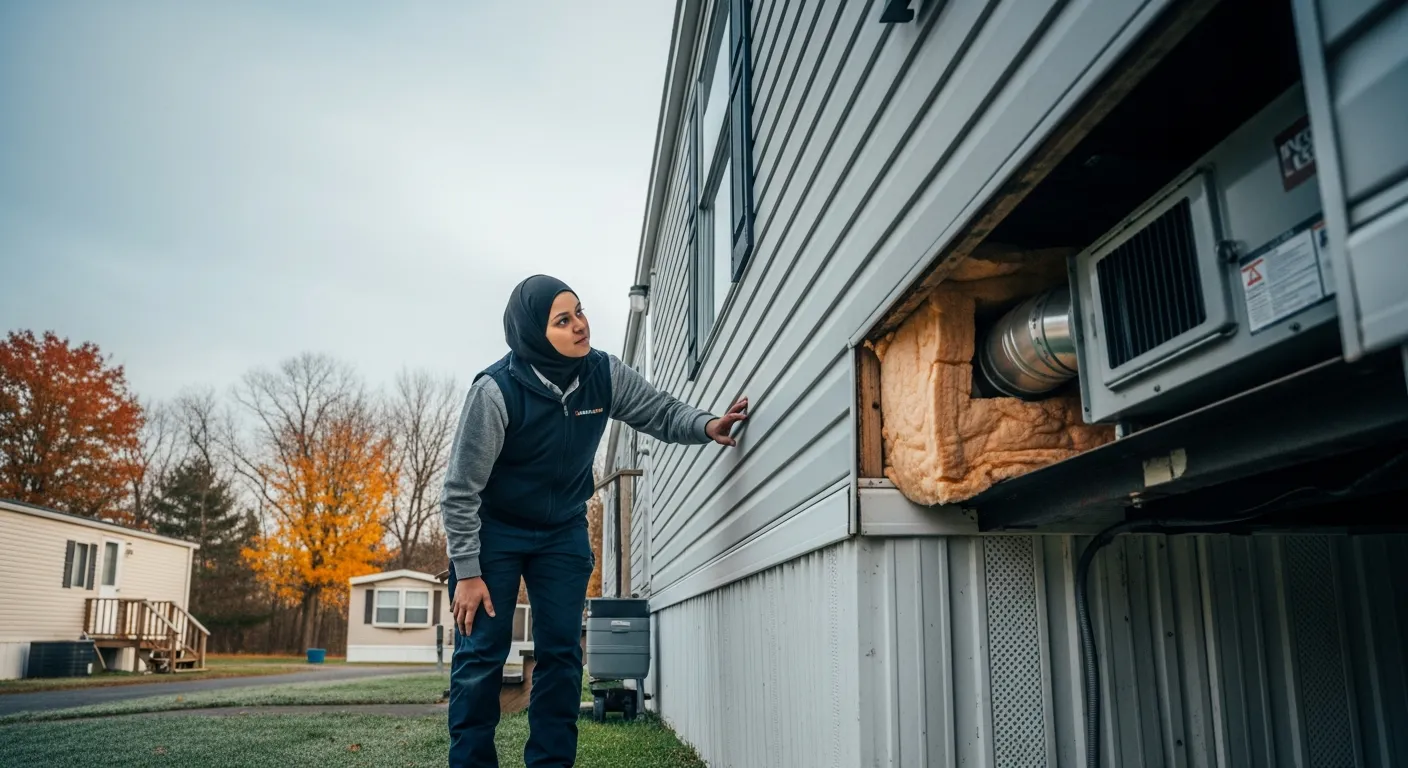
Mobile home duct systems are often more susceptible to leaks and damage due to their flexible design and exposure to under-home elements. Regular inspection can prevent energy loss and improve system efficiency. Look for signs like loose connections, tears, or insulation gaps, and seal them with mastic or foil tape. For a comprehensive look at ductwork, our mobile home HVAC systems guide offers detailed explanations.
- Visual Inspection: Check ducts for visible damage, especially at joints and bends.
- Airflow Test: Use a smoke pencil or anemometer to detect leaks.
- Sealing: Apply mastic sealant or metal-backed tape to fix leaks.
- Insulation: Ensure ducts are properly insulated to prevent heat loss or gain.
- Professional Help: Hire a technician for complex repairs or if you suspect major issues.
Costs and Considerations for HVAC Replacement
Replacing HVAC components in a mobile home involves costs that vary based on the unit type, labor, and any necessary modifications. On average, a new furnace can cost $1,500-$3,500, while AC replacement ranges from $2,000-$5,000. Factors like energy efficiency ratings, brand, and installation complexity affect the price. Always get multiple quotes and choose a contractor experienced with mobile homes. For more on home upgrades, read our whole home upgrades guide covering rewiring and repiping.
- Unit Cost: Higher efficiency models may cost more upfront but save on energy bills.
- Labor: Installation fees depend on the complexity and location of the system.
- Permits: Check local regulations for required permits or inspections.
- Warranty: Look for units with strong warranties to protect your investment.
FAQs About Mobile Home HVAC Systems
How often should I service my furnace in a mobile home?
Service your furnace at least once a year, ideally before the heating season, to ensure it runs efficiently and safely. This includes cleaning, inspecting components, and checking for carbon monoxide leaks.
What are the signs I need a mobile home AC replacement?
Signs include poor cooling performance, frequent breakdowns, unusual noises, high energy bills, and an age over 10-15 years. If repairs are costly, replacement is often more economical.
Can I install a standard furnace in a mobile home?
No, mobile homes require furnaces specifically designed for their space and venting needs. Using a standard furnace can be unsafe and inefficient due to different airflow and clearance requirements.
How do I maintain my Intertherm mobile home furnace?
Regularly clean filters, inspect the heat exchanger and blower, and schedule professional maintenance. Follow the manufacturer’s manual for specific guidelines to extend its lifespan.
Why is my mobile home duct system leaking air?
Leaks can occur due to poor installation, aging materials, or damage from pests or weather. Inspect ducts regularly and seal any gaps with appropriate materials to improve efficiency.
What is the average lifespan of a mobile home HVAC system?
With proper maintenance, furnaces last 15-20 years, and AC units last 10-15 years. Regular upkeep can extend these lifespans and prevent premature failures.
Are there energy-efficient options for mobile home HVAC?
Yes, look for units with high AFUE ratings for furnaces and high SEER ratings for ACs. Energy-efficient models reduce utility costs and are better for the environment.
Should I hire a professional for HVAC replacement?
Yes, always hire a certified technician experienced with mobile homes. DIY installation can lead to safety hazards, void warranties, and inefficient operation.