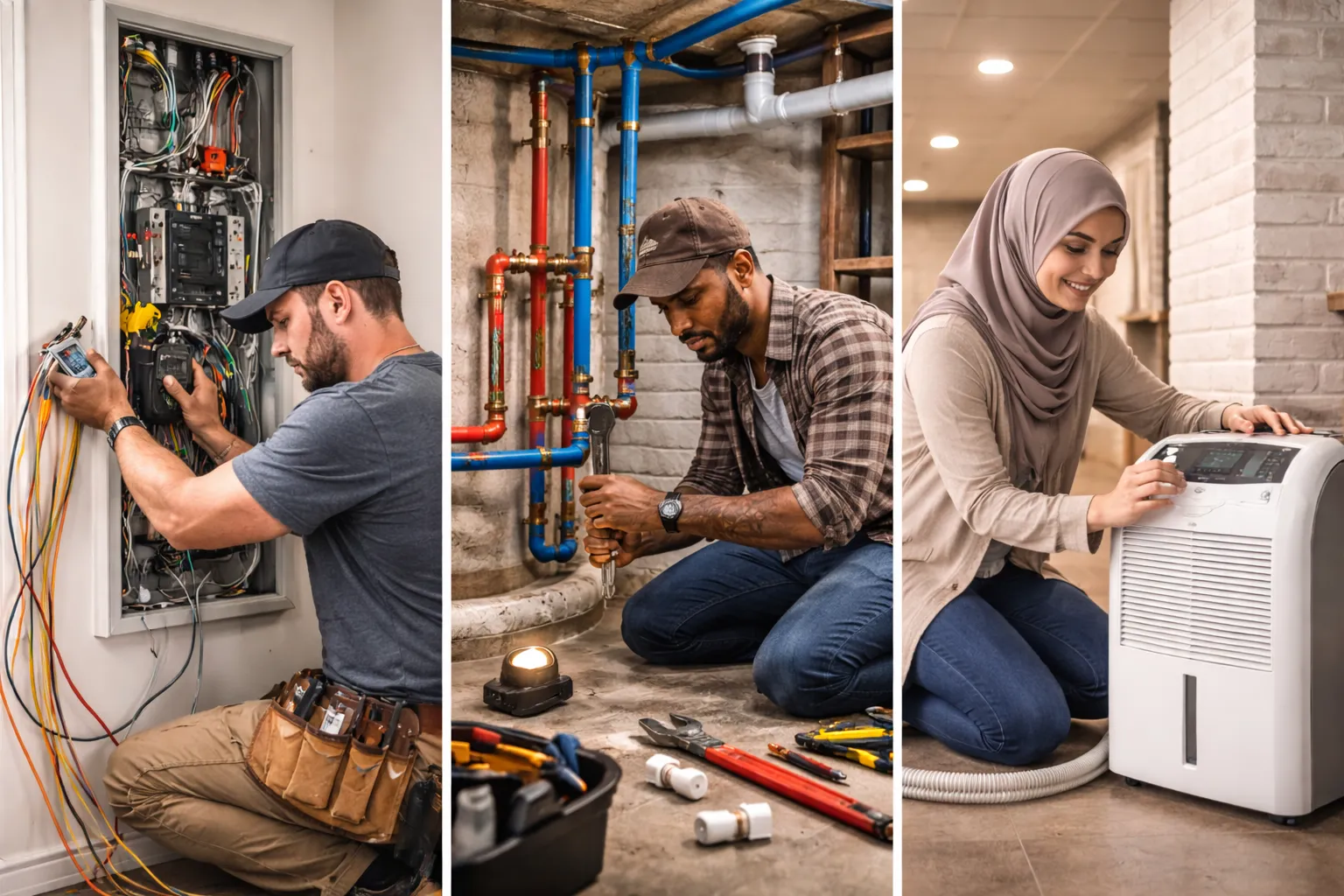
Rewiring your home is a critical upgrade that ensures safety, efficiency, and modern functionality in today’s tech-driven world. Whether you’re dealing with outdated wiring, planning a renovation, or simply want to avoid electrical hazards, understanding the process and costs is essential. This guide covers everything from how much it costs to rewire a home to the steps involved in whole home rewiring, plus tips on maintaining a safe environment, including how to test home air quality for related issues like mold or dust from construction. By the end, you’ll be equipped to make informed decisions for your household’s electrical needs.
Rewiring a home typically costs between $3,000 and $15,000, depending on factors like home size, wiring type, and labor. Whole home rewiring involves replacing old wires, upgrading panels, and ensuring compliance with modern codes to enhance safety and support new appliances.
How Much Does It Cost to Rewire a Home?
The cost to rewire a home varies widely based on several key factors. On average, homeowners spend between $3,000 and $15,000, with larger or more complex projects reaching up to $20,000 or more. Here’s a breakdown of what influences the price:
- Home Size: Larger homes require more materials and labor, increasing costs. For example, a 1,500-square-foot house might cost $4,500 to $9,000, while a 3,000-square-foot home could range from $9,000 to $18,000.
- Wiring Type: Copper wiring is more expensive but durable, whereas aluminum is cheaper but less reliable. Modern options like Romex (NM cable) are common for residential use.
- Labor Rates: Electrician fees vary by region, typically $50 to $100 per hour. Complex jobs, like those in older homes with plaster walls, may require more time and skill.
- Additional Upgrades: Upgrading electrical panels, adding outlets, or installing smart home features can add $500 to $3,000 to the total.
To get an accurate estimate, it’s wise to consult with licensed electricians and consider factors like accessibility and local building codes. For more on home upgrades, check out our guide on whole home rewiring and repiping for comprehensive renovation tips.
Steps for Whole Home Rewiring
Whole home rewiring is a systematic process that ensures your electrical system meets current safety standards. Here are the key steps involved:
- Assessment and Planning: An electrician inspects your home to identify outdated wiring, such as knob-and-tube or aluminum, and plans the new layout, including circuit needs for appliances and electronics.
- Obtaining Permits: Most localities require permits for rewiring to ensure compliance with the National Electrical Code (NEC). This step helps avoid fines and ensures safety.
- Removing Old Wiring: Electricians carefully remove existing wires, often working behind walls and ceilings. In older homes, this may involve minimal demolition to access wiring.
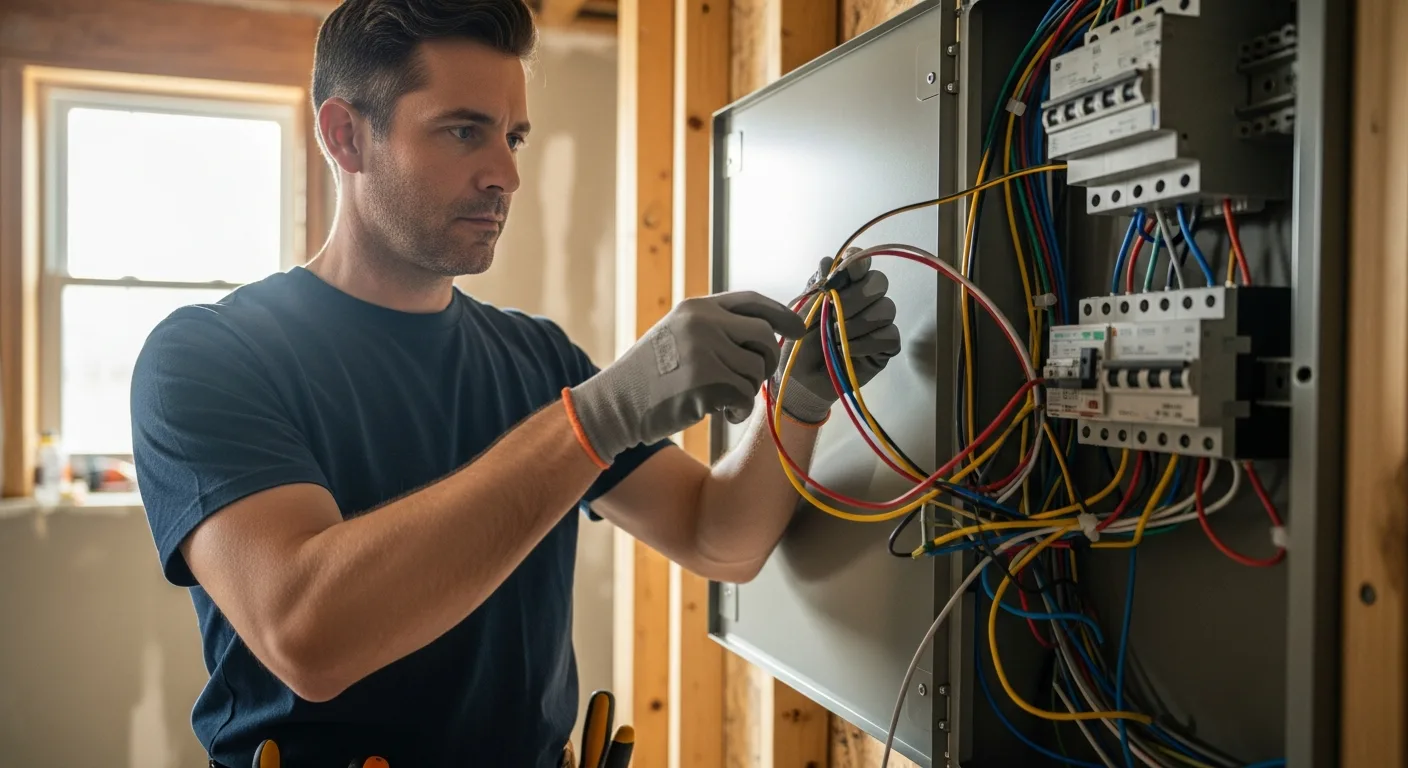
- Installing New Wiring: New copper or approved cables are run through walls, attics, and basements, with proper insulation and grounding to prevent fires.
- Upgrading the Electrical Panel: The panel is replaced or upgraded to handle modern loads, typically to 200 amps for most homes, supporting devices like EV chargers or home theaters.
- Testing and Inspection: After installation, the system is tested for functionality and safety, followed by a final inspection by local authorities.
This process not only enhances safety but also improves energy efficiency. For related home systems, explore our article on home HVAC essentials to ensure your electrical upgrades complement heating and cooling needs.
Key Factors Affecting Rewiring Costs
Understanding what drives costs can help you budget effectively. Here’s a table comparing common factors:
| Factor | Impact on Cost | Notes |
|---|---|---|
| Home Age | High | Older homes (pre-1970s) often have hazardous wiring, requiring more labor for removal and updates. |
| Number of Stories | Medium to High | Multi-story homes need wiring run vertically, increasing complexity and material use. |
| Wall Material | Medium | Plaster walls are harder to work with than drywall, potentially raising labor costs by 10-20%. |
| Local Regulations | Variable | Strict codes may require additional safety features, like AFCI breakers, adding $200-$500. |
| Additional Features | Low to High | Adding outlets, lighting, or smart systems can range from $100 to $2,000 extra. |
By considering these elements, you can avoid surprises and plan for a smoother project. For more on home safety, learn about DSC home alarm systems to protect your upgraded space.
Why Rewiring Your Home Is Essential
Rewiring isn’t just about cost; it’s a crucial investment in safety and functionality. Here are the top reasons to consider it:
- Prevent Electrical Fires: Outdated wiring is a leading cause of home fires. Upgrading reduces risks from overloaded circuits or faulty connections.
- Support Modern Appliances: Newer devices, like air conditioners or electric stoves, require higher amperage that old wiring can’t handle, leading to tripped breakers or damage.
- Improve Energy Efficiency: Modern wiring minimizes energy loss, potentially lowering utility bills by 10-20% through better conductivity and reduced heat generation.
- Increase Home Value: A updated electrical system can boost resale value by 3-5%, as buyers prioritize safety and modern amenities.
- Ensure Compliance: Meeting current codes avoids legal issues and insurance problems, especially if you’re planning renovations or rentals.
For broader home improvement insights, see our guide on how solar panels and renovations increase home value.
How to Test Home Air Quality During Rewiring
During rewiring, dust, mold, or other contaminants can affect indoor air quality. Testing home air quality is important to ensure a healthy environment. Here’s how to do it:
- Use Air Quality Monitors: Devices like particle sensors can detect dust levels from construction. Place them in living areas during the project.
- Check for Mold: In older homes, rewiring may expose damp areas. Use mold test kits or hire professionals if you suspect issues.
- Ventilate Properly: Open windows and use fans to circulate air, reducing buildup of volatile organic compounds (VOCs) from new materials.
- Post-Project Testing: After completion, conduct a thorough test to ensure levels of pollutants like lead or asbestos are safe, especially in homes built before 1980.
This step ties into overall home safety. For more tips, read our article on how to test air quality in your home for comprehensive guidance.
FAQs About Home Rewiring
How long does it take to rewire a home?
Rewiring typically takes 3 to 10 days, depending on home size and complexity. Smaller homes might be done in a few days, while larger or older properties could require up to two weeks due to accessibility challenges.
Can I rewire my home myself?
It’s not recommended for most homeowners. Rewiring requires expertise in electrical codes and safety protocols. DIY attempts can lead to fires, injuries, or failed inspections. Always hire a licensed electrician.
What are signs my home needs rewiring?
Common signs include frequent circuit breaker trips, flickering lights, burning smells, outdated two-prong outlets, or discolored switch plates. If your home is over 40 years old, consider an inspection.
Does rewiring increase home insurance?
It can lower premiums by reducing fire risks. Inform your insurer after upgrades, as modern systems may qualify for discounts, though rates vary by provider and location.
How do I choose an electrician for rewiring?
Look for licensed, insured professionals with experience in residential rewiring. Check reviews, get multiple quotes, and verify they obtain permits and follow local codes for a safe installation.
What’s the difference between rewiring and upgrading a panel?
Rewiring replaces the entire wiring system, while panel upgrading focuses on the main electrical box. Often, both are done together to ensure compatibility and safety with new circuits.
Is rewiring covered by a home warranty?
Typically, no. Home warranties usually cover repairs to existing systems, not full replacements. For details, see our home warranty fundamentals guide.
How can I minimize disruption during rewiring?
Plan by moving furniture, covering belongings, and setting up temporary power sources. Electricians often work room-by-room to reduce inconvenience, so communicate your schedule needs upfront.