In an era where self-sufficiency and food security are increasingly valued, DIY home preserving has surged in popularity. Whether you’re looking to extend the shelf life of seasonal produce, create nutrient-rich meals for emergencies, or explore creative culinary projects, mastering techniques like freeze drying and canning can transform your kitchen into a preservation powerhouse. This guide dives into the essentials, from how to freeze dry breast milk at home to crafting homemade tomato soup and beyond, empowering you to take control of your food supply with confidence and skill.
To freeze dry breast milk at home, you’ll need a home freeze dryer, which preserves nutrients by removing moisture through sublimation. For canning tomato soup, use a pressure canner for safety, following tested recipes to prevent spoilage. Home freeze dryers cost $2,000-$5,000, while making essential oils involves steam distillation with caution due to flammability risks.
Understanding Freeze Drying at Home
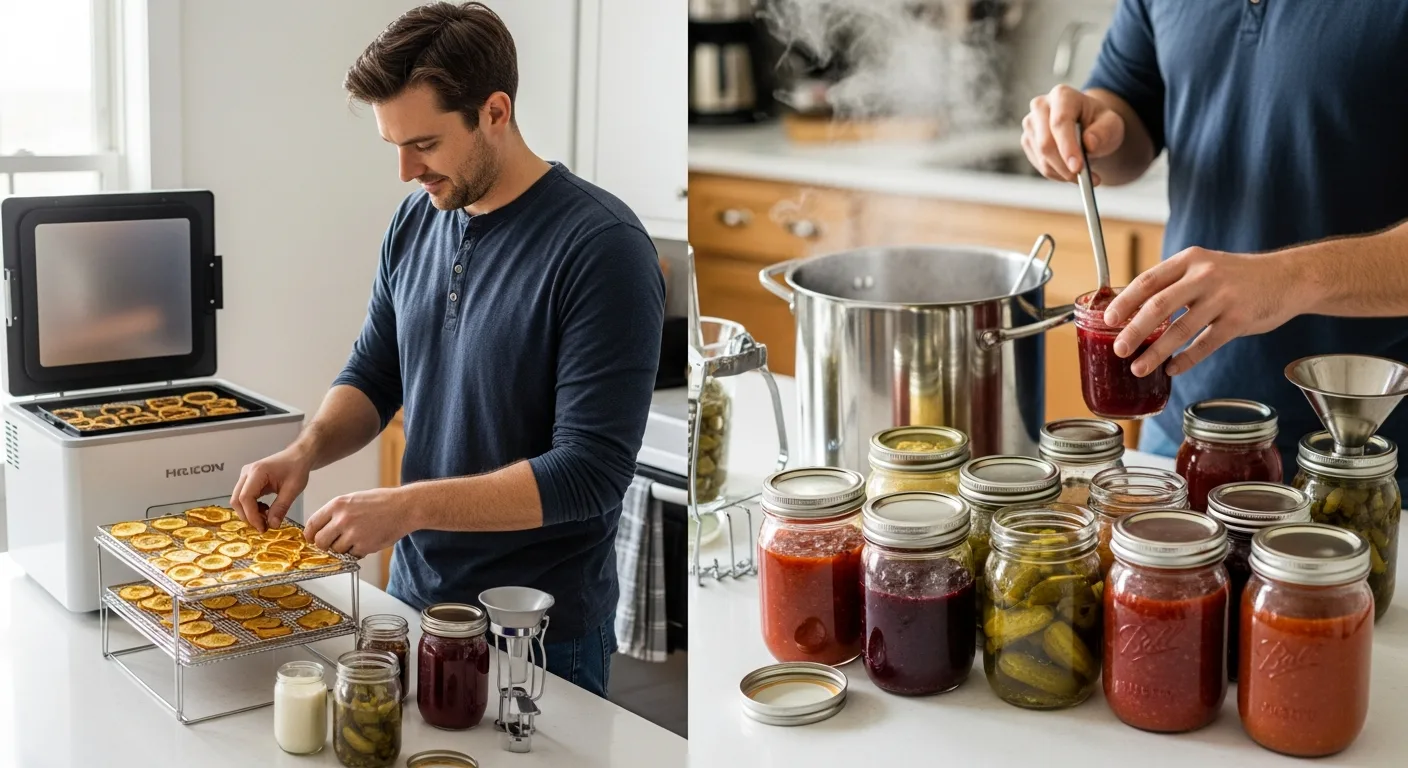
Freeze drying, or lyophilization, is a preservation method that removes moisture from food by freezing it and then applying a vacuum to sublimate the ice directly into vapor. This process retains up to 97% of nutrients, color, and flavor, making it ideal for sensitive items like breast milk, herbs, and fruits. Unlike traditional drying, freeze drying doesn’t shrink or toughen food, resulting in lightweight, shelf-stable products that can last 25+ years when stored properly. Home freeze dryers have become more accessible, though they require a significant investment and space.
- Preserves nutrients, flavor, and texture better than other methods
- Ideal for breast milk, baby food, and emergency supplies
- Requires specialized equipment: home freeze dryers
- Process involves freezing, vacuum application, and sealing
How to Freeze Dry Breast Milk at Home
Freeze drying breast milk at home allows parents to create long-lasting, nutrient-rich reserves for travel or emergencies. Start by expressing fresh milk and pouring it into freeze dryer trays, filling them no more than half-inch deep to ensure even drying. Pre-freeze the trays in a standard freezer for several hours until solid, then transfer to the freeze dryer. Run the machine according to manufacturer instructions, typically taking 24-48 hours. Once complete, package the freeze-dried milk in airtight, moisture-proof containers with oxygen absorbers. To reconstitute, simply add water. Always follow strict hygiene practices to avoid contamination, similar to guidelines for emergency pet care where cleanliness is crucial.
- Express fresh breast milk and pour into freeze dryer trays
- Pre-freeze trays in a standard freezer until solid
- Load trays into the freeze dryer and start the cycle
- Package dried milk in airtight containers with oxygen absorbers
- Store in a cool, dark place; reconstitute with water as needed
Home Canning Tomato Soup Basics
Canning tomato soup at home is a rewarding way to preserve summer’s bounty for winter meals. Use a pressure canner for safety, as tomatoes are low-acid and require high temperatures to prevent botulism. Start with a tested recipe from reliable sources like the USDA or Ball Canning, which ensures proper acidity and processing times. Prepare your soup, leaving adequate headspace in jars, and process in the pressure canner at 10-15 PSI for 35-45 minutes, depending on altitude. After cooling, check seals and store in a pantry. This method not only saves money but also allows customization with herbs and spices, much like designing a home arcade basketball and game room where personal touches enhance the experience.
- Always use a pressure canner for tomato-based products
- Follow tested recipes to ensure safety and prevent spoilage
- Process jars at correct PSI and time based on altitude
- Check seals after cooling and store in a cool, dark place
Home Freeze Dryer Cost and Options
Investing in a home freeze dryer involves upfront costs ranging from $2,000 to $5,000 for units like Harvest Right models, which are popular for residential use. Additional expenses include accessories (e.g., trays, oil pump), electricity (about $1-2 per batch), and storage supplies. When comparing options, consider factors like batch size, pump type (oil-free vs. oil), and warranty. While costly, freeze dryers can pay off over time by reducing food waste and enabling bulk purchases. For those on a budget, starting with smaller projects like DIY hair care and safety can build skills before committing to larger equipment.
| Feature | Basic Model | Premium Model |
|---|---|---|
| Cost | $2,000-$3,000 | $4,000-$5,000 |
| Batch Capacity | 4-7 trays | 7-10 trays |
| Pump Type | Oil pump | Oil-free pump |
| Warranty | 1-2 years | 3-5 years |
How to Make Essential Oils at Home
Making essential oils at home involves extracting aromatic compounds from plants through methods like steam distillation or cold pressing. For steam distillation, you’ll need a still, heat source, and plant material (e.g., lavender, mint). Place the material in the still, add water, and heat to produce steam that carries oil vapors into a condenser, where they cool and separate. Cold pressing is simpler, ideal for citrus peels, using a press to squeeze out oils. Always prioritize safety: use proper ventilation, avoid open flames due to flammability, and store oils in dark glass bottles. This process requires patience and precision, similar to whole home humidifier installation where technical details matter.
- Choose plant material: herbs, flowers, or citrus peels
- For steam distillation, use a still with condenser
- Heat to produce steam and collect condensed oil
- For cold pressing, squeeze peels manually or with a press
- Store in dark glass bottles away from light and heat
Comparing Freeze Drying vs. Canning
When deciding between freeze drying and canning, consider your goals, budget, and types of food. Freeze drying excels at preserving nutrients, texture, and a wide variety of items (including dairy and full meals), but it’s expensive and energy-intensive. Canning is more affordable and better for high-moisture foods like soups and fruits, though it can degrade some vitamins and requires careful safety protocols. For homesteaders, combining both methods offers versatility, much like integrating smart home electrical installation for enhanced functionality.
- Freeze drying: best for nutrients, long shelf life, and diverse foods
- Canning: cost-effective, ideal for liquids and high-acid foods
- Freeze drying requires higher upfront investment
- Canning has more safety considerations (e.g., botulism risk)
FAQs About DIY Home Preserving
Can I freeze dry breast milk without a machine?
No, freeze drying breast milk requires a specialized home freeze dryer to achieve the vacuum and low temperatures needed for safe preservation. Attempting DIY methods without proper equipment can lead to spoilage or nutrient loss.
Is home canning tomato soup safe?
Yes, if you use a pressure canner and follow tested recipes from authoritative sources like the USDA. Tomatoes are low-acid, so water bath canning isn’t safe; pressure canning reaches temperatures high enough to kill botulism spores.
How much does a home freeze dryer cost to run?
Operating costs vary by model and electricity rates, but typically range from $1 to $2 per batch. Oil-free pumps may reduce maintenance costs over time, similar to considerations in home wheelchair lift maintenance.
What plants are best for making essential oils at home?
Lavender, mint, rosemary, and citrus peels are excellent starters due to their high oil content and ease of cultivation. Always use organic, pesticide-free plants to ensure purity.
How long does freeze-dried food last?
When stored in airtight containers with oxygen absorbers in a cool, dark place, freeze-dried food can last 25 years or more. Regularly check seals to maintain quality.
Can I can soup in a water bath canner?
No, soups and other low-acid foods must be processed in a pressure canner to prevent botulism. Water bath canning is only safe for high-acid foods like pickles or jams.
What’s the easiest way to start home preserving?
Begin with water bath canning of high-acid items like jams or pickles, which requires minimal equipment. As skills grow, explore pressure canning or freeze drying for more complex projects.