Turning your basement into a home theater is a dream project for many, offering a dedicated space for immersive entertainment away from the main living areas. With proper planning, you can create a cinematic experience that rivals commercial theaters. This guide covers essential aspects like acoustics, wiring, and subwoofer placement to help you build a basement home theater that delivers stunning visuals and powerful sound. Whether you’re starting from scratch or upgrading an existing setup, these ideas will ensure your theater is both functional and impressive.
For a basement home theater, focus on acoustic treatment with wall panels to reduce echoes, plan wiring with a diagram for clean cable management, and place the subwoofer in a corner or along a wall for optimal bass response. Use soundproofing materials and strategic seating to enhance the experience.
Acoustic Treatment for Your Basement Home Theater
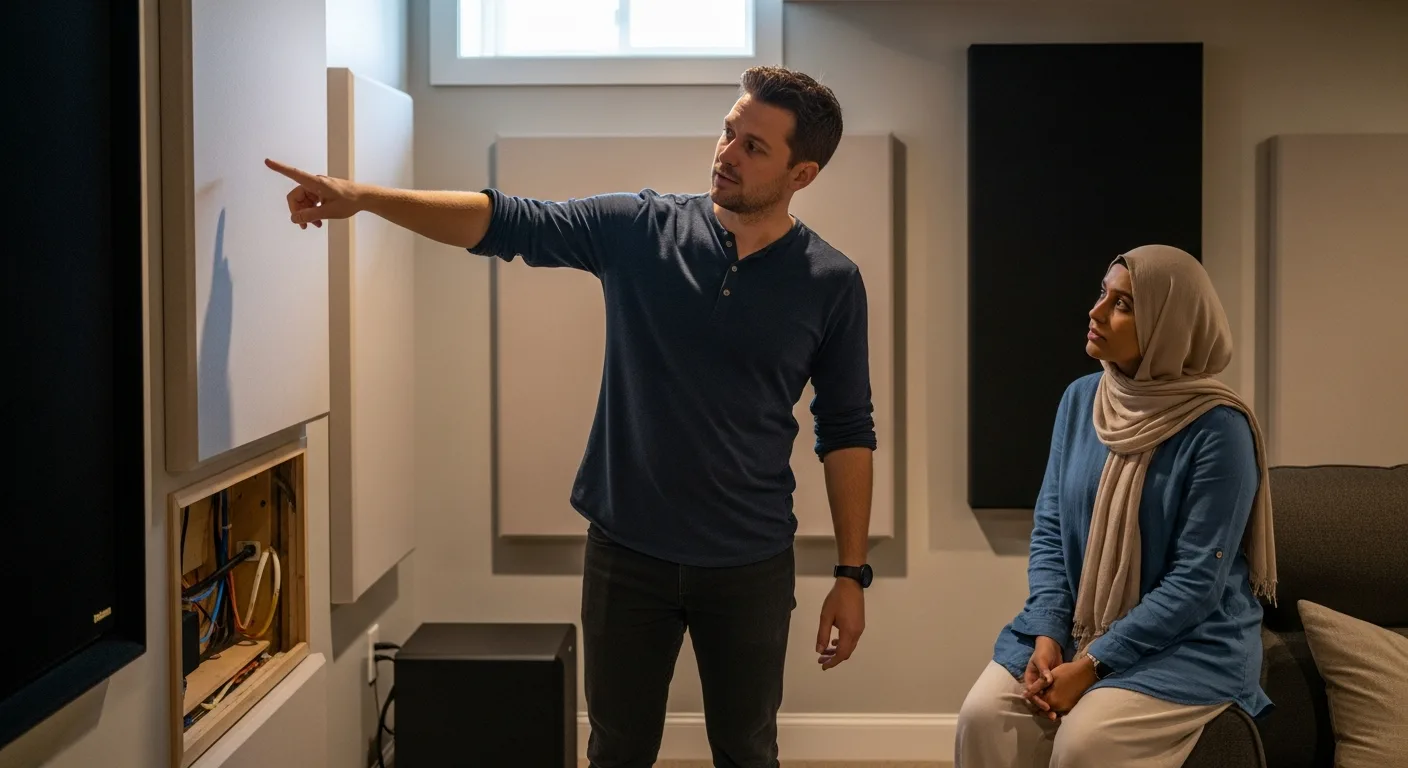
Acoustics are crucial in a basement home theater because concrete walls and floors can create echoes and sound reflections that degrade audio quality. Proper acoustic treatment involves absorbing, diffusing, and blocking sound to create a balanced listening environment. Start by assessing your basement’s natural acoustics—clap your hands and listen for reverberation. This will help you identify problem areas that need attention.
- Install acoustic wall panels on the front and side walls to absorb mid and high-frequency sounds.
- Use bass traps in corners to control low-frequency buildup, which is common in small spaces.
- Add a thick carpet or area rug to reduce floor reflections and improve sound clarity.
- Consider soundproofing the ceiling to prevent noise from traveling to upper floors, especially if your basement is part of a multi-level home.
For more on managing sound in home spaces, check out our guide on understanding home HVAC components, which includes tips on reducing noise from systems that might affect your theater.
Wiring Your Basement Home Theater: A Step-by-Step Diagram
Proper wiring is the backbone of any home theater, ensuring seamless connectivity between components like speakers, projectors, and receivers. A well-planned wiring diagram prevents clutter and makes future upgrades easier. Begin by mapping out where your equipment will be placed—typically, the screen or projector at the front, with speakers around the room and a central rack for electronics.
- Create a wiring diagram that includes all connections: HDMI for video, speaker wires for audio, and power cables.
- Run wires through walls or conduits to keep them hidden and protected from damage.
- Use labeled cables and color-coding to simplify troubleshooting and maintenance.
- Install conduit pipes for future-proofing, allowing easy cable replacements without reopening walls.
- Ensure proper grounding and surge protection to safeguard your equipment from electrical issues.
If you’re integrating smart features, our article on smart home electrical installation offers insights on wiring for automation systems that can enhance your theater experience.
Optimal Subwoofer Placement for Powerful Bass
Subwoofer placement significantly impacts bass performance in a home theater. In a basement, where space constraints and wall materials affect sound waves, strategic placement is key. The goal is to achieve even bass distribution without boomy or weak spots. Experiment with different locations to find the sweet spot that complements your seating arrangement.
- Place the subwoofer in a corner to maximize bass output, but beware of excessive boominess.
- Try the “subwoofer crawl” method: put the sub in your main listening position, play bass-heavy content, and crawl around the room to find where it sounds best.
- Avoid placing the sub directly on the floor if possible; use isolation pads to reduce vibrations transmitted to the structure.
- Consider using multiple subwoofers for larger basements to balance bass across all seating areas.
For related home improvement projects, see our tips on mobile home leveling, which includes advice on stabilizing floors that might affect subwoofer performance.
Comparing Acoustic Materials for Your Theater
Choosing the right acoustic materials can make or break your home theater’s sound quality. Different materials serve various purposes, from absorption to diffusion. Below is a comparison table to help you select based on your needs and budget.
| Material Type | Best Use | Cost Range | Pros | Cons |
|---|---|---|---|---|
| Fiberglass Panels | Absorbing mid/high frequencies | Low to Medium | Effective, widely available | Can be bulky, requires covering |
| Foam Panels | Reducing echoes in small spaces | Low | Easy to install, lightweight | Less effective for low frequencies |
| Bass Traps | Controlling low-frequency buildup | Medium to High | Improves bass clarity | Expensive, takes up corner space |
| Diffusers | Scattering sound for natural acoustics | High | Enhances soundstage, aesthetic | Complex installation, costly |
Lighting and Seating Considerations
Lighting and seating are often overlooked but vital for comfort and immersion in a basement home theater. Dimmable LED lights or sconces can set the mood without causing glare on the screen. Opt for blackout curtains or shades to block any natural light from windows. For seating, tiered rows can improve sightlines, especially in larger basements.
- Install recessed lighting with dimmer controls to adjust brightness during movies.
- Use LED strip lights behind the screen or along steps for safety and ambiance.
- Choose comfortable, reclining seats with cup holders for a true theater feel.
- Arrange seating at a distance of 1.5 to 2.5 times the screen width for optimal viewing.
- Ensure adequate legroom and aisle space for easy movement.
For more entertainment space ideas, explore our article on home entertainment concepts, which covers theater and game room setups.
FAQs About Basement Home Theaters
What is the best subwoofer placement for a home theater basement?
The best placement is often in a corner or along a wall, but it depends on your room’s acoustics. Use the subwoofer crawl method to find the spot with the most balanced bass response, avoiding areas that cause boomy or weak sounds.
How do I create a wiring diagram for my home theater?
Start by sketching your basement layout and marking component locations. Include all connections like HDMI, speaker wires, and power cables. Use online tools or consult an electrician for complex setups to ensure safety and efficiency.
Are acoustic wall panels necessary for a basement home theater?
Yes, they are highly recommended. Basements tend to have hard surfaces that cause echoes, and acoustic panels absorb sound reflections, improving clarity and reducing listening fatigue for a more immersive experience.
Can I install a home theater in a small basement?
Absolutely. Focus on compact equipment, strategic speaker placement, and acoustic treatment to maximize space. Use in-wall or in-ceiling speakers to save room, and opt for a projector with short-throw capability if wall space is limited.
What type of flooring is best for a basement home theater?
Carpet or thick area rugs are ideal because they absorb sound and reduce reflections. Avoid hard surfaces like tile or concrete without covering, as they can create echo issues. Ensure moisture protection if your basement is prone to dampness.
How much does it cost to build a basement home theater?
Costs vary widely based on equipment and finishes. A basic setup might start around $2,000, while high-end systems can exceed $20,000. Budget for acoustics, wiring, seating, and lighting in addition to audio-visual components.
Do I need professional help for wiring and acoustics?
For simple setups, DIY is possible with careful planning. However, for complex wiring or advanced acoustic treatment, hiring a professional ensures optimal performance and compliance with safety codes, especially in basements with moisture concerns.