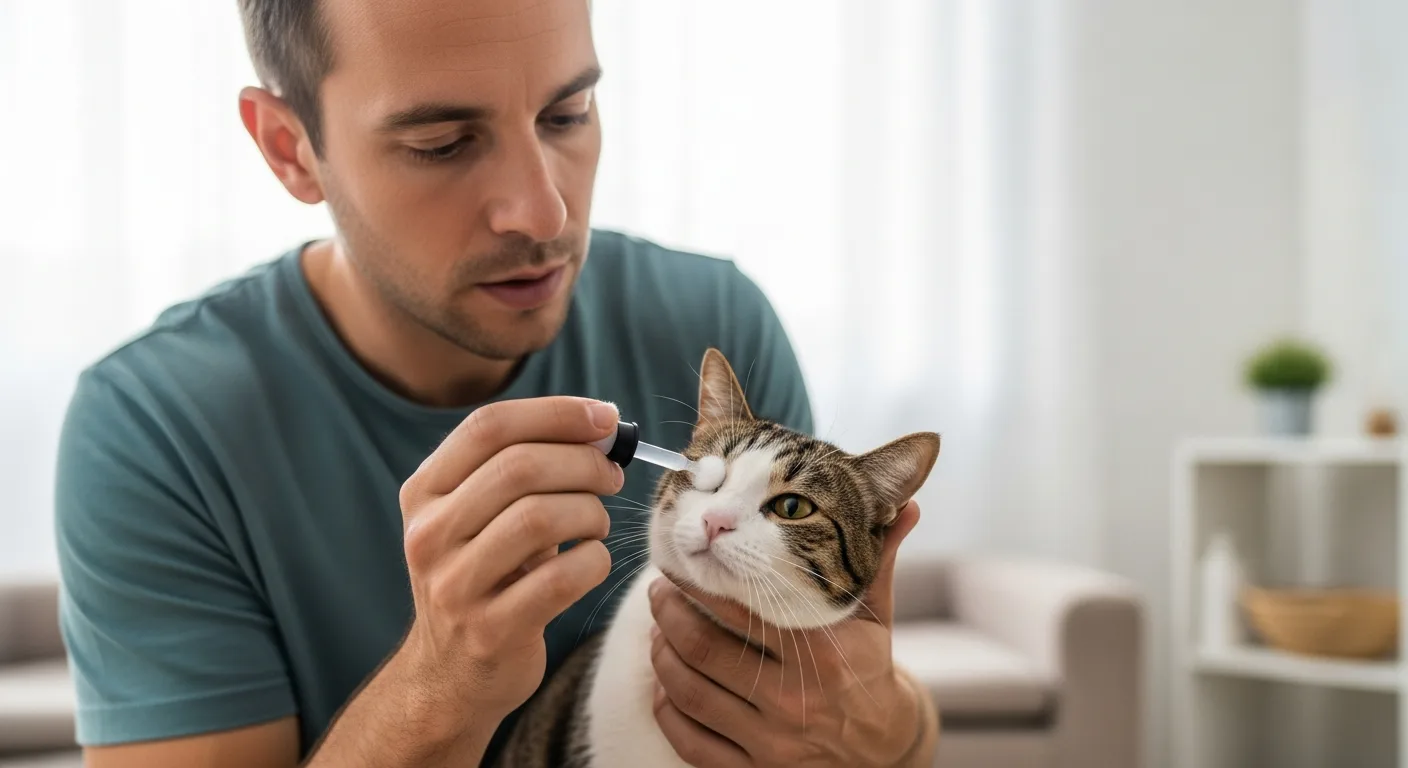
When your cat starts squinting, pawing at their face, or shaking their head, it’s a clear sign something’s wrong. Feline eye and ear infections are common but can quickly escalate if left untreated. As a pet owner, knowing how to provide immediate cat eye infection home treatment and manage ear issues can prevent discomfort and avoid costly vet visits. This comprehensive guide covers everything from recognizing symptoms to applying safe home remedies for URI in cats, giving you the confidence to care for your furry friend’s health at home.
For mild cat eye infections, gently clean with saline solution and apply warm compresses. For ear issues, use vet-approved cleaners and monitor for yeast. Always consult a vet if symptoms worsen or persist beyond 2-3 days.
Recognizing Feline Eye & Ear Infection Symptoms
Early detection is key to effective cat eye infection home treatment. Watch for these common signs that indicate your cat needs attention:
- Eye Symptoms: Redness, swelling, discharge (clear, yellow, or green), squinting, excessive blinking, or cloudiness in the cornea.
- Ear Symptoms: Head shaking, scratching at ears, foul odor, dark wax buildup, redness inside the ear flap, or sensitivity when touched.
- General Signs: Lethargy, loss of appetite, fever, or behavioral changes like hiding more often.
If your cat shows severe symptoms like difficulty breathing or extreme pain, seek immediate veterinary care. For milder cases, home care can be effective, especially when combined with proper monitoring. Understanding these symptoms helps you decide when to try home remedy for cat ear infection approaches versus when to call the vet.
Step-by-Step Cat Eye Infection Home Treatment
Treating eye infections at home requires gentle handling and the right supplies. Follow these steps for safe cat eye infection home treatment:
- Gather Supplies: Sterile saline solution, clean cotton balls or gauze, warm water, and a towel.
- Clean the Eye: Soak a cotton ball in saline and gently wipe from the inner corner outward. Use a fresh ball for each eye to avoid cross-contamination.
- Apply Warm Compress: Hold a warm, damp cloth against the eye for 1-2 minutes to reduce swelling and loosen discharge.
- Monitor and Repeat: Clean 2-3 times daily, watching for improvement or worsening symptoms.
Avoid using human eye drops or medications unless prescribed by a vet, as they can be toxic to cats. If symptoms don’t improve within 2-3 days, consult a veterinarian. For related pet health issues, our guide on feline herpes treatment at home offers additional insights into managing chronic conditions.
Home Remedy for Cat Ear Infection & Yeast Issues
Ear infections, including yeast problems, are common in cats due to moisture buildup or allergies. Here’s how to implement a home remedy for cat ear infection safely:
- Cleaning Solution: Use a vet-approved ear cleaner or a homemade mix of equal parts apple cider vinegar and water (for non-inflamed ears only).
- Application Method: Soak a cotton ball with the solution and gently wipe the outer ear canal. Avoid inserting anything deep into the ear.
- Frequency: Clean once daily for up to 7 days, stopping if irritation occurs.
For cat ear yeast infection home remedy approaches, consider adding a drop of coconut oil, which has antifungal properties. However, if you notice a strong odor or dark discharge, it might indicate a bacterial infection requiring veterinary antibiotics. Always dry ears thoroughly after cleaning to prevent moisture-related issues.
Home Remedies for URI in Cats (Upper Respiratory Infections)
Upper respiratory infections (URIs) often accompany eye and ear issues in cats. Use these home remedies for URI in cats to support recovery:
- Humidify the Air: Run a humidifier or bring your cat into a steamy bathroom to ease congestion.
- Encourage Hydration: Offer wet food or broth to keep your cat hydrated and maintain electrolyte balance.
- Keep Them Comfortable: Provide a warm, quiet space to rest and reduce stress.
- Clean Discharge: Gently wipe nasal and eye discharge with a damp cloth to prevent crusting.
If your cat stops eating or shows severe symptoms like open-mouth breathing, seek veterinary care immediately. For more on managing respiratory issues, check out our article on cat cold symptoms home remedies.
Comparing Home Treatments vs. Veterinary Care
| Treatment Type | Best For | Limitations | When to See a Vet |
|---|---|---|---|
| Home Eye Cleaning | Mild discharge, minor redness | Not for infections, ulcers, or trauma | No improvement in 2-3 days, swelling, or pain |
| Home Ear Cleaning | Preventive care, mild wax buildup | Risk of pushing debris deeper if done incorrectly | Foul odor, head tilting, or balance issues |
| URI Home Support | Mild congestion, appetite loss | Cannot treat bacterial infections alone | Difficulty breathing, fever over 103°F, lethargy |
This table helps you decide when cat eye infection home treatment is sufficient versus when professional help is needed. Always err on the side of caution with persistent or severe symptoms.
Preventive Care for Feline Eye & Ear Health
Prevention is the best medicine. Incorporate these habits to reduce the risk of infections:
- Regular Cleaning: Wipe eyes and ears weekly with a damp cloth to remove dirt and debris.
- Diet and Hydration: Feed a balanced diet and ensure fresh water is always available to boost immunity.
- Reduce Allergens: Keep your home clean and use air purifiers to minimize irritants.
- Routine Check-ups: Schedule annual vet visits for early detection of issues.
For cats with recurring problems, consider discussing supplements like omega-3 fatty acids with your vet. Additionally, our guide on dog eye infection treatment home remedy includes tips that can often apply to feline care as well.
FAQs: Feline Eye & Ear Home Care
Can I use human eye drops for my cat’s eye infection?
No, human eye drops can contain ingredients toxic to cats. Always use vet-recommended products or sterile saline solution for cat eye infection home treatment.
How often should I clean my cat’s ears at home?
For maintenance, clean ears every 1-2 weeks. If treating an infection, follow your vet’s advice, typically once daily for up to a week.
What are signs that a home remedy isn’t working?
Watch for worsening symptoms like increased discharge, swelling, pain, or behavioral changes. If these occur, stop home treatment and consult a vet.
Can diet affect my cat’s ear yeast infections?
Yes, allergies to food ingredients can contribute to yeast overgrowth. Consider hypoallergenic diets if infections recur frequently.
Are there risks to using apple cider vinegar for ear cleaning?
Apple cider vinegar can irritate inflamed ears. Use only on healthy ears or dilute properly, and discontinue if redness occurs.
How can I tell if my cat has a URI or just a cold?
URIs often involve multiple symptoms like sneezing, eye discharge, and fever. Mild colds may resolve on their own, but persistent issues require vet evaluation.
What should I do if my cat won’t let me clean their eyes or ears?
Wrap them gently in a towel to restrain them, or ask someone to help. If stress is high, consult a vet for sedation options or professional cleaning.
Can stress cause eye or ear infections in cats?
Yes, stress weakens the immune system, making cats more susceptible to infections. Provide a calm environment and enrichment activities to reduce anxiety.