Is your shower a trickle instead of a torrent? Do your faucets take forever to fill a pot? Low water pressure can turn daily tasks into frustrating chores, but before you call a plumber, there are many simple checks and fixes you can do yourself. Understanding your home’s water system is the first step to restoring strong, consistent flow. This guide will walk you through diagnosing the cause of low pressure and implementing effective DIY solutions to boost your home’s water pressure safely and efficiently.
To increase water pressure at home, start by checking if the issue is isolated to one fixture or whole-house. Clean aerators and showerheads, inspect the main shut-off valve and pressure regulator, and flush your water heater. If problems persist, consider installing a water pressure booster pump or consulting a professional for pipe issues.
Understanding Your Home’s Water Pressure System
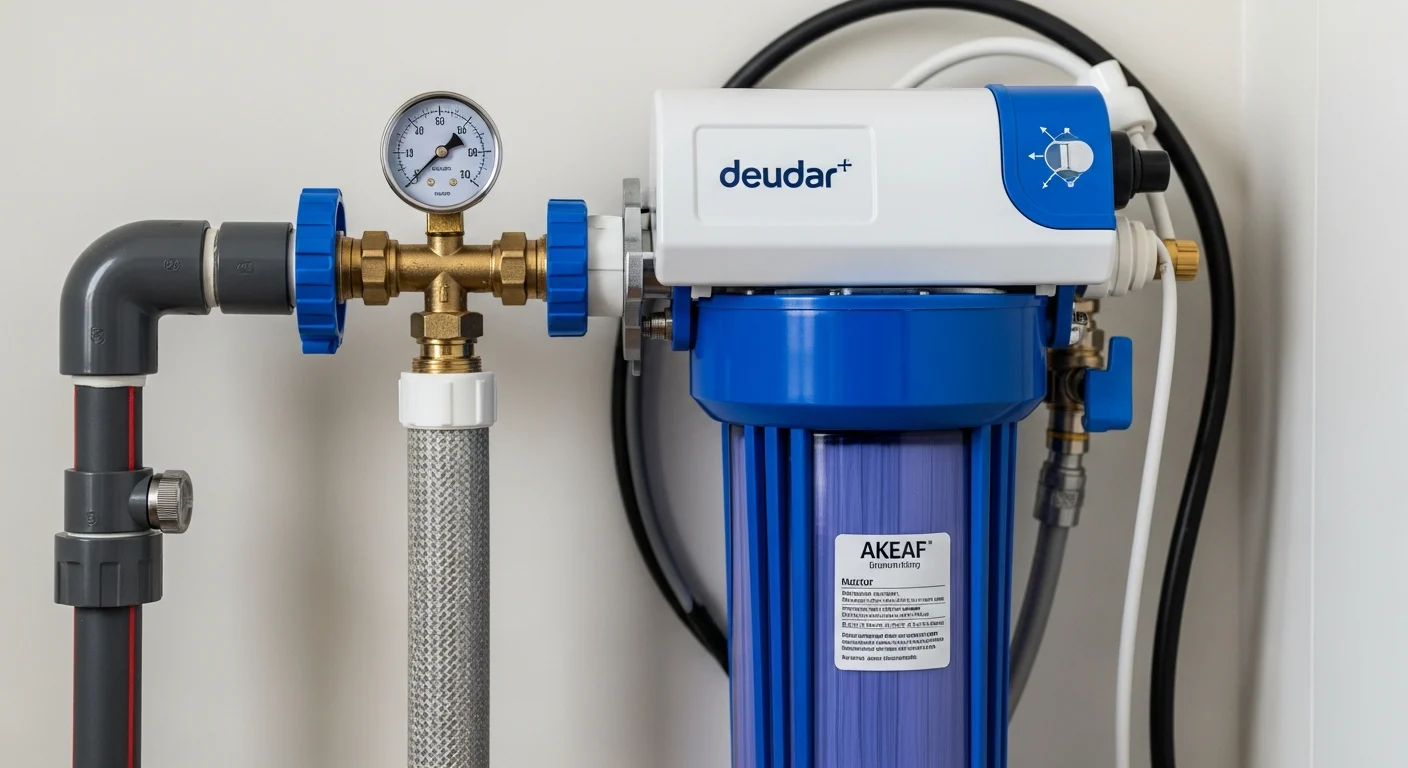
Water pressure in your home is the force that pushes water through your pipes and out of your fixtures. It’s typically measured in pounds per square inch (PSI), with most homes operating between 40-80 PSI. Pressure that’s too low causes weak flow, while pressure that’s too high can damage appliances and pipes. Your system starts at the municipal water main or well pump, travels through a main shut-off valve, may pass through a pressure regulator, and then branches out to various fixtures. Common components affecting pressure include:
- Main Shut-Off Valve: Controls water entry to your home; if partially closed, it reduces pressure.
- Pressure Regulator: A device that maintains consistent pressure; it can fail or be misadjusted.
- Water Meter Valve: Located near the street; utility companies may adjust this.
- Pipes: Aging, corroded, or clogged pipes restrict flow.
- Fixtures: Aerators and showerheads can accumulate mineral deposits.
For a deeper dive into home water systems, explore our guide on understanding home HVAC components, which includes related plumbing insights.
Step-by-Step Diagnosis of Low Water Pressure
Before attempting any fixes, pinpoint the source of the problem. Follow this systematic approach to diagnose low water pressure:
- Test Multiple Fixtures: Check if low pressure affects only one faucet, a specific room (like the bathroom), or the entire house. Isolated issues often point to fixture problems, while whole-house issues suggest system-wide causes.
- Check the Main Shut-Off Valve: Locate this valve (usually in the basement, crawlspace, or near the water meter) and ensure it’s fully open. Turn it clockwise to open completely.
- Inspect the Pressure Regulator: If your home has one (common in newer homes), test it with a pressure gauge. Attach the gauge to an outdoor spigot; normal range is 40-80 PSI. Readings outside this range may indicate regulator failure.
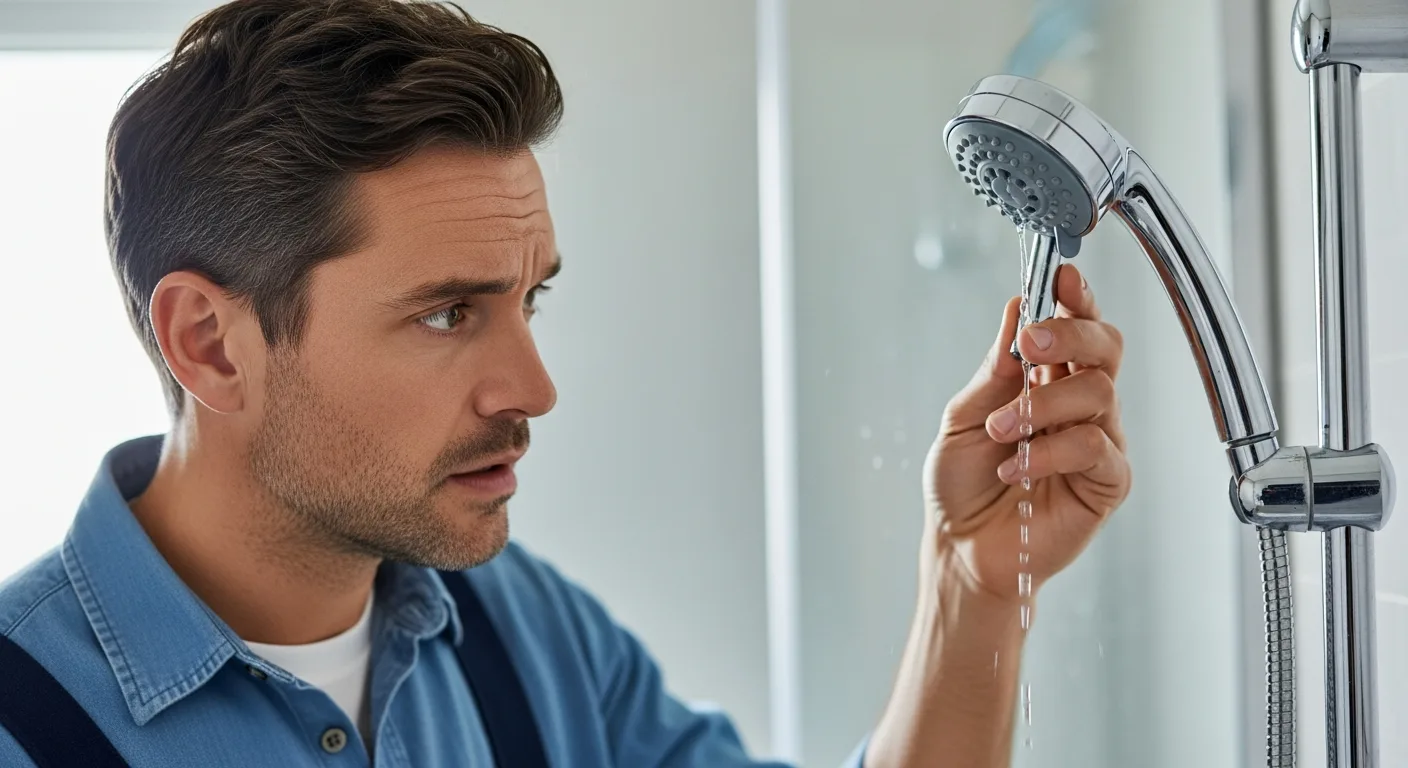
- Examine Aerators and Showerheads: Remove aerators from faucets and showerheads to see if flow improves. Mineral buildup is a frequent culprit.
- Look for Leaks: Check under sinks, around toilets, and in basements for signs of water leakage, which can divert pressure.
- Consider Water Heater Issues: Sediment buildup in the water heater can reduce hot water pressure. Flushing it may help.
If you suspect issues with your water heater or other home systems, our article on home AC troubleshooting for leaks and frozen coils offers parallel diagnostic strategies.
DIY Fixes to Increase Water Pressure
Once you’ve diagnosed the issue, try these DIY fixes to boost water pressure. Always turn off the water supply before working on fixtures.
Cleaning Aerators and Showerheads
Mineral deposits from hard water can clog aerators and showerheads, reducing flow. To clean them:
- Unscrew the aerator from the faucet or the showerhead from the arm.
- Soak the parts in a vinegar solution (equal parts white vinegar and water) for several hours.
- Use a small brush to scrub away debris.
- Rinse thoroughly and reinstall.
This simple fix often restores pressure immediately and is a great first step for master home maintenance routines.
Adjusting the Pressure Regulator
If your home has a pressure regulator, you can adjust it to increase pressure:
- Locate the regulator (usually near the main shut-off valve, shaped like a bell).
- Find the adjustment screw on top; turning it clockwise typically increases pressure.
- Use a pressure gauge to monitor changes, aiming for 50-60 PSI.
- Make small adjustments and test fixtures to avoid over-pressurizing the system.
Note: If the regulator is faulty, replacement may be necessary.
Flushing the Water Heater
Sediment in the water heater can lower hot water pressure. To flush it:
- Turn off the power or gas to the heater.
- Connect a hose to the drain valve and run it to a safe drainage area.
- Open the drain valve and let water flow until it runs clear.
- Close the valve, refill the tank, and restore power.
This not only improves pressure but also extends the heater’s lifespan.
Installing a Water Pressure Booster Pump
For persistent low pressure, especially in homes with well systems or high elevation, a booster pump can be effective. These pumps are installed on the main water line and increase pressure mechanically. Consider this option if:
- Pressure is consistently below 40 PSI.
- You have multiple stories in your home.
- Other fixes haven’t worked.
Installation may require professional help, but it’s a reliable solution for boosting pressure.
When to Call a Professional
Some issues require expert intervention. Contact a licensed plumber if:
- You suspect corroded or leaking pipes that need replacement.
- The main water line from the street is damaged.
- Pressure regulator replacement is needed.
- Booster pump installation is beyond your skill level.
- Low pressure is accompanied by discolored water or strange noises.
For related professional services, check out our guide on home warranty fundamentals to understand coverage options.
Preventing Future Water Pressure Problems
Regular maintenance can keep your water pressure optimal. Follow these tips:
- Clean Aerators Quarterly: Prevent buildup by soaking them in vinegar regularly.
- Monitor Pressure: Use a gauge to check pressure annually; ideal range is 50-60 PSI.
- Insulate Pipes: In cold climates, prevent freezing that can lead to bursts and pressure loss.
- Address Leaks Promptly: Even small leaks can reduce pressure over time.
- Consider Water Softeners: If you have hard water, a softener can reduce mineral deposits.
Integrating these steps into your home maintenance checklist ensures long-term system health.
Comparing Water Pressure Solutions
| Solution | Cost Estimate | Difficulty Level | Best For |
|---|---|---|---|
| Cleaning Aerators | $0-$10 (for vinegar/brush) | Easy | Minor clogs in fixtures |
| Adjusting Pressure Regulator | $0-$20 (for gauge) | Moderate | Homes with adjustable regulators |
| Flushing Water Heater | $0-$30 (for hose) | Moderate | Sediment buildup in heater |
| Installing Booster Pump | $200-$500+ | Difficult | Persistent low pressure systems |
| Professional Pipe Repair | $500-$5000+ | Professional | Corroded or leaking pipes |
Frequently Asked Questions (FAQs)
What causes sudden high water pressure in a home?
Sudden high pressure can result from a failing pressure regulator, thermal expansion in water heaters, or municipal supply changes. Use a pressure gauge to monitor and adjust the regulator if needed, or install an expansion tank on your water heater.
How can I test my home’s water pressure?
Attach a pressure gauge to an outdoor spigot or laundry faucet. Turn on the water fully and read the PSI. Ideal residential pressure is 40-80 PSI, with 50-60 PSI being optimal for most homes.
Can adjusting water pressure at home damage pipes?
Yes, excessively high pressure (above 80 PSI) can stress pipes, cause leaks, and damage appliances. Always use a gauge when adjusting and aim for moderate levels. If unsure, consult a professional to avoid risks.
Why is my water pressure low only in the shower?
This usually indicates a clogged showerhead or valve. Remove and clean the showerhead with vinegar. If that doesn’t help, the shower valve cartridge might need replacement due to mineral buildup.
Do water filters affect home water pressure?
Yes, clogged or high-restriction filters can reduce pressure. Replace filters regularly according to manufacturer instructions. For whole-house systems, consider home water treatment options designed to maintain flow.
How often should I check my water pressure?
Test pressure annually or if you notice changes in flow. Regular checks help catch issues early, preventing damage and ensuring consistent performance.
Can low water pressure be fixed without a plumber?
Many causes, like clogged aerators or a partially closed shut-off valve, are DIY-friendly. Follow the diagnosis steps in this guide; if simple fixes don’t work, then call a professional for complex issues like pipe corrosion.
What is the average water pressure for a home?
Most homes have pressure between 40-80 PSI, with 50-60 PSI considered ideal. Pressure below 40 PSI may require boosting, while above 80 PSI risks pipe damage.