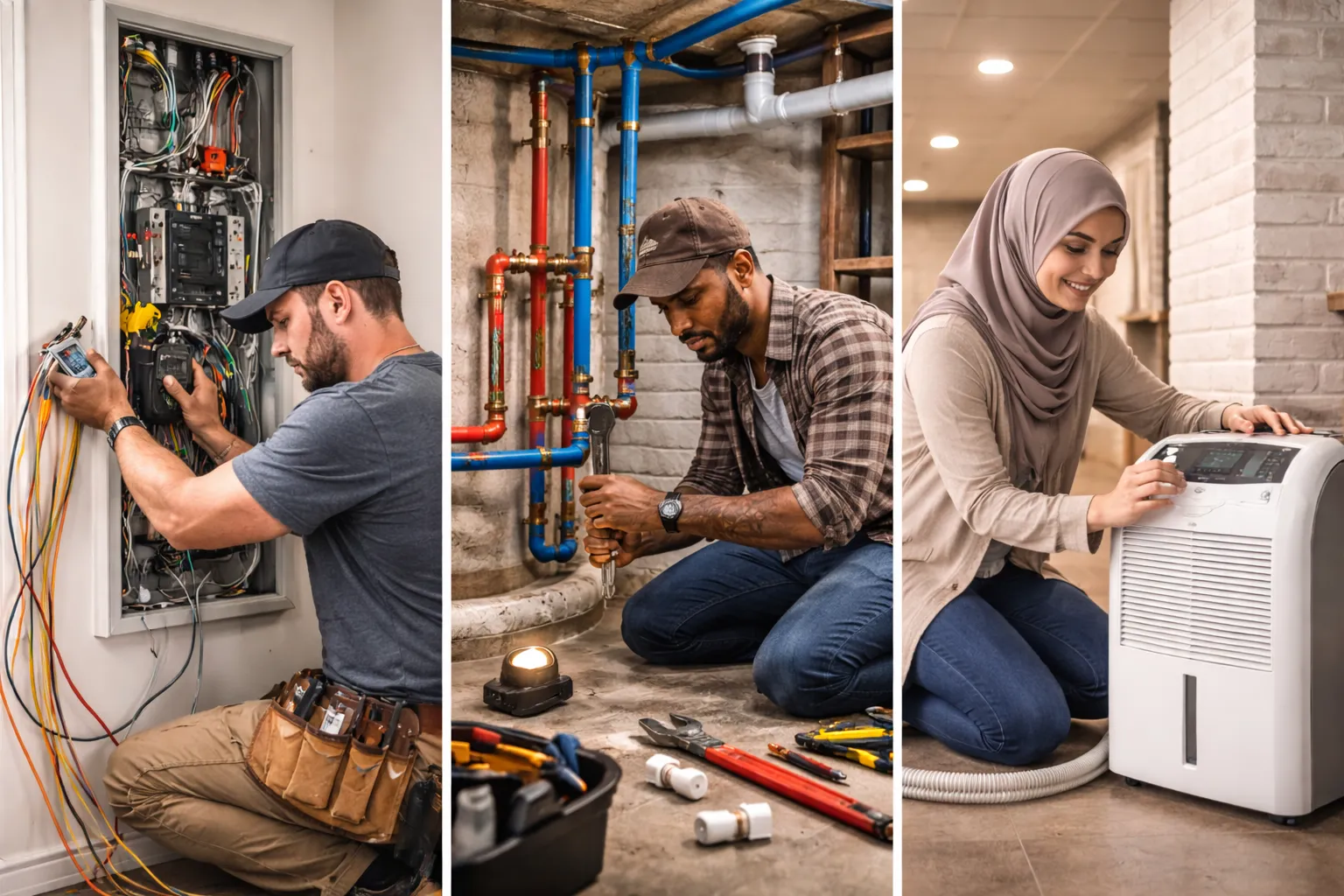
When it comes to homeownership, proactive maintenance and strategic upgrades are key to ensuring safety, comfort, and long-term value. Whole home upgrades like rewiring, repiping, and dehumidifier installation address critical systems that impact daily living and structural integrity. These projects might seem daunting, but they offer significant benefits, from preventing electrical fires and water damage to improving indoor air quality. Whether you’re in an older house or a modern dwelling, understanding these upgrades can help you make informed decisions that enhance your home’s functionality and resale potential. In this guide, we’ll dive into the essentials of each upgrade, covering costs, processes, and why they’re worth the investment.
Whole home rewiring involves replacing outdated electrical systems for safety and efficiency, repiping upgrades plumbing to prevent leaks and improve water quality, and dehumidifier installation controls moisture to protect against mold and structural damage. Costs vary based on home size and materials, but these upgrades enhance safety, comfort, and property value.
Understanding Whole Home Rewiring
Whole home rewiring is the process of replacing old or inadequate electrical wiring throughout your house. This upgrade is crucial for homes built before the 1980s, as outdated systems like knob-and-tube or aluminum wiring can pose serious fire hazards. Modern electrical demands, with increased use of appliances and electronics, often exceed the capacity of older wiring, leading to overloaded circuits and potential safety risks. Rewiring ensures your home meets current safety codes, supports modern technology, and reduces the risk of electrical fires. It’s a foundational upgrade that can also improve energy efficiency and prepare your home for future additions like smart home devices.
- Signs you need rewiring: frequent circuit breaker trips, flickering lights, burning smells, or outdated two-prong outlets.
- Benefits: enhanced safety, increased electrical capacity, compliance with codes, and support for high-demand appliances.
- Process: involves removing old wires, installing new copper wiring, updating the electrical panel, and adding GFCI outlets in wet areas.
- Cost factors: home size, accessibility, and local labor rates, typically ranging from $3,000 to $20,000.
The Essentials of Whole Home Repiping
Whole home repiping replaces aging or corroded plumbing pipes, addressing issues like leaks, low water pressure, and water contamination. Common materials in older homes, such as galvanized steel or polybutylene, are prone to rust and failure over time. Repiping with modern materials like PEX or copper ensures reliable water flow, improves water quality, and prevents costly water damage. This upgrade is especially important in regions with hard water or for homeowners experiencing frequent plumbing repairs. By investing in repiping, you can avoid emergencies like burst pipes and enhance your home’s overall value, similar to how fixing foundation cracks protects structural integrity.
- Identify pipe materials: check for galvanized steel, lead, or polybutylene, which often need replacement.
- Choose new materials: PEX is flexible and cost-effective, while copper offers durability and longevity.
- Hire a professional: repiping requires expertise to minimize disruption and ensure proper installation.
- Consider timing: plan for temporary water shutoffs and possible wall repairs during the process.
Installing a Whole Home Dehumidifier
A whole home dehumidifier is integrated into your HVAC system to control moisture levels throughout your house, preventing mold growth, musty odors, and structural damage. High humidity can lead to health issues like allergies and respiratory problems, as well as damage to wood floors and walls. Unlike portable units, whole home systems offer consistent dehumidification, improving indoor air quality and comfort. Installation involves connecting the dehumidifier to your ductwork, requiring professional help for optimal performance. This upgrade is particularly beneficial in humid climates or for homes with basements, complementing other home emergency preparedness measures.
- Benefits: reduces mold risk, protects furniture and structures, improves air quality, and enhances energy efficiency.
- Installation steps: assess humidity levels, select a unit size, integrate with HVAC, and set up drainage.
- Maintenance: regular filter cleaning and system checks to ensure long-term effectiveness.
- Cost range: $1,200 to $2,800 for equipment and installation, depending on home size and complexity.
Cost Comparison of Whole Home Upgrades
| Upgrade Type | Average Cost Range | Key Factors Affecting Cost | Typical Duration |
|---|---|---|---|
| Whole Home Rewiring | $3,000 – $20,000 | Home size, wiring accessibility, local codes | 3-10 days |
| Whole Home Repiping | $1,500 – $15,000 | Pipe material, number of fixtures, wall access | 2-7 days |
| Whole Home Dehumidifier Installation | $1,200 – $2,800 | Unit size, HVAC integration, drainage setup | 1-3 days |
| Mobile Home Roof Replacement | $3,000 – $10,000 | Roof size, material type, labor costs |
Note: Costs are estimates and can vary based on location and specific project details. For mobile homes, roof replacement is a related upgrade that impacts overall home protection; learn more in our guide on mobile home exteriors.
Planning and Executing Upgrades
Successfully completing whole home upgrades requires careful planning and professional assistance. Start by conducting a home assessment to identify priority areas, such as outdated electrical systems or plumbing leaks. Obtain multiple quotes from licensed contractors to compare costs and timelines, and check references to ensure quality work. Schedule upgrades during mild weather or off-peak seasons to minimize disruption, and consider temporary living arrangements if necessary. Budget for unexpected expenses, as hidden issues like damaged walls or additional wiring may arise during the process. These upgrades not only improve daily living but also boost your home’s marketability, much like solar panels increase home value.
- Assess your home: inspect electrical, plumbing, and humidity levels to determine needs.
- Hire professionals: choose licensed and insured contractors for safety and compliance.
- Plan logistics: coordinate timelines, secure permits, and prepare for temporary inconveniences.
- Monitor progress: stay involved to address any issues and ensure work meets standards.
FAQs About Whole Home Upgrades
What are the signs that my home needs rewiring?
Common signs include frequent circuit breaker trips, flickering or dimming lights, outlets that feel warm or spark, burning smells, and reliance on extension cords due to insufficient outlets. If your home has two-prong outlets or was built before 1980, it’s wise to have an electrician inspect the wiring.
How long does whole home repiping take?
Repiping typically takes 2 to 7 days, depending on the home’s size, pipe accessibility, and the number of fixtures. Factors like wall repairs and material choices can extend the timeline, so discuss scheduling with your plumber beforehand.
Can I install a whole home dehumidifier myself?
It’s not recommended for DIY installation, as it involves integrating with your HVAC system, electrical work, and proper drainage setup. Hiring a professional ensures safety, efficiency, and compliance with local codes, similar to troubleshooting HVAC issues.
What is the cost of replacing a roof on a mobile home?
The cost ranges from $3,000 to $10,000, influenced by roof size, material (e.g., metal or shingles), and labor. Regular maintenance can extend roof life, but replacement may be needed for leaks or damage, as detailed in our mobile home roofing guide.
Do these upgrades increase home value?
Yes, whole home rewiring, repiping, and dehumidifier installation can significantly increase home value by improving safety, functionality, and energy efficiency. They appeal to buyers looking for move-in-ready homes with modern systems.
How do I choose between PEX and copper for repiping?
PEX is flexible, easier to install, and resistant to freezing, making it cost-effective for most homes. Copper is durable, long-lasting, and better for hot water lines, but it’s more expensive. Consult a plumber to decide based on your budget and needs.
What maintenance is required after these upgrades?
After rewiring, test outlets periodically and avoid overloading circuits. For repiping, check for leaks and monitor water pressure. With dehumidifiers, clean filters regularly and schedule annual HVAC inspections to ensure optimal performance.