When it comes to mobile homes, the exterior isn’t just about curb appeal—it’s your first line of defense against the elements. From the roof overhead to the skirting below, each component plays a vital role in protecting your investment and ensuring comfort. Whether you’re dealing with leaks, drafts, or just looking to upgrade, understanding these elements can save you time and money. In this guide, we’ll dive into the essentials of mobile home roofs, skirting, and siding, with a special focus on practical solutions like mobile home roof coating and insulated skirting to boost energy efficiency.
Mobile home exteriors include roofs, skirting, and siding, each crucial for protection and energy efficiency. Use roof coatings to extend roof life, insulated skirting to reduce drafts, and durable siding for weather resistance. Regular maintenance and upgrades can prevent costly repairs and improve home value.
Understanding Mobile Home Roofs
Mobile home roofs are typically flat or low-slope, making them prone to water pooling and leaks. Unlike traditional houses, they often use materials like EPDM rubber or metal, which require specific care. A key maintenance strategy is applying a mobile home roof coating, which can seal cracks, reflect UV rays, and extend the roof’s lifespan by up to 10 years. This is especially important in areas with harsh weather, as it prevents moisture damage that can lead to structural issues. For more on protecting your home from the top down, check out our guide on mobile home roof coating to learn about application tips and benefits.
- Common roof types: EPDM rubber, metal, and modified bitumen.
- Benefits of roof coatings: waterproofing, UV protection, and energy savings.
- Signs you need a coating: cracks, leaks, or faded surfaces.
Mobile Home Skirting Essentials
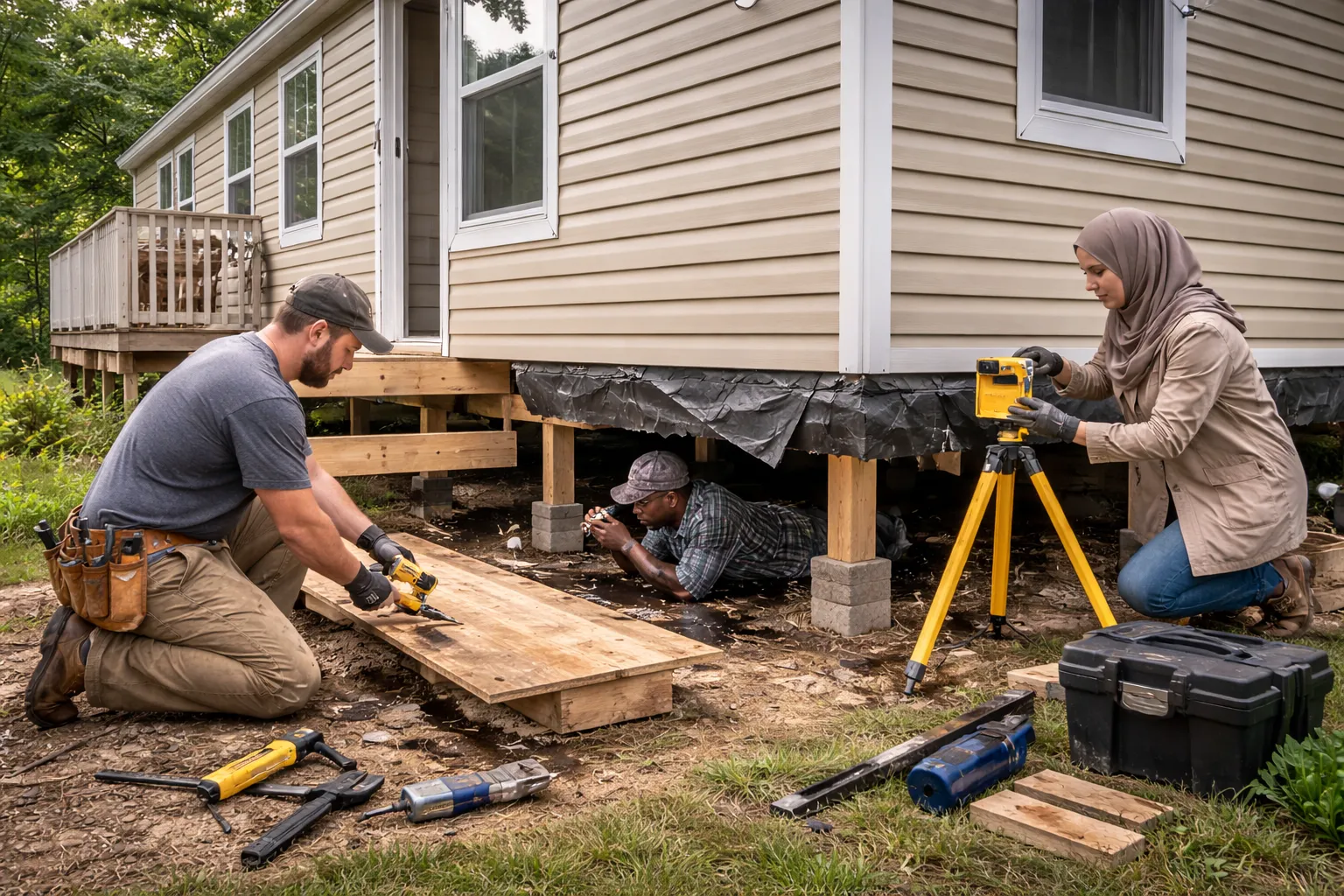
Skirting is the material that covers the space between the ground and the bottom of your mobile home, serving both aesthetic and functional purposes. It helps insulate the home, prevents pests from entering, and reduces wind drafts. Insulated mobile home skirting is a popular upgrade, as it can significantly improve energy efficiency by keeping the under-home area warmer in winter and cooler in summer. When choosing skirting, consider materials like vinyl, metal, or concrete, each with its own pros and cons. For a deeper dive into options, explore our article on mobile home skirting, which covers installation and maintenance.
- Choose material based on climate: vinyl for mild areas, insulated panels for extreme temps.
- Install vents to prevent moisture buildup and mold growth.
- Regularly inspect for damage, especially after storms or heavy rains.
Siding for Mobile Homes
Siding protects the walls of your mobile home from weather, insects, and wear. Common options include vinyl, aluminum, and wood, each offering different levels of durability and maintenance. Vinyl siding is low-maintenance and cost-effective, while aluminum provides better fire resistance. When selecting siding, factor in your local climate—for example, in humid areas, moisture-resistant materials are key. Upgrading your siding can also enhance insulation, reducing heating and cooling costs. To compare materials and find the best fit, read our detailed breakdown on siding for mobile homes.
| Material | Pros | Cons | Best For |
|---|---|---|---|
| Vinyl | Low cost, easy maintenance | Can crack in cold | Budget-friendly upgrades |
| Aluminum | Fire-resistant, durable | Prone to dents | Fire-prone areas |
| Wood | Natural look, customizable | High maintenance | Aesthetic-focused homes |
Maintenance Tips for Longevity
Regular upkeep of your mobile home exterior can prevent major issues and extend its life. Start with seasonal inspections: check the roof for debris and cracks, ensure skirting is secure and undamaged, and clean siding to avoid mold. For roofs, reapply coatings every 5-10 years as needed, and clear gutters to prevent water damage. With skirting, look for gaps or pest entry points, and consider adding insulation if you notice drafts. Siding may need occasional washing or repainting, depending on the material. By staying proactive, you can avoid costly repairs and keep your home looking great. For more maintenance strategies, see our tips on mobile home maintenance.
- Inspect exteriors twice a year: spring and fall.
- Clean gutters and downspouts to direct water away.
- Trim nearby trees to reduce debris and pest access.
Energy Efficiency Upgrades
Improving your mobile home’s exterior can boost energy efficiency, lowering utility bills and increasing comfort. Start with insulated skirting, which reduces heat loss through the floor. Next, apply a reflective roof coating to minimize solar heat gain in summer. For siding, consider adding foam board insulation underneath for better thermal performance. These upgrades not only save money but also make your home more environmentally friendly. Remember, even small changes, like sealing gaps around windows and doors, can have a big impact. To maximize savings, combine these with other efficiency measures, as discussed in our guide on energy-efficient mobile homes.
- Use insulated skirting to cut heating costs by up to 15%.
- Apply white or reflective roof coatings to reduce cooling needs.
- Seal all exterior gaps with caulk or weatherstripping.
Frequently Asked Questions
What is the best mobile home roof coating?
The best coating depends on your roof material and climate. Acrylic coatings are versatile and UV-resistant, while silicone works well for flat roofs with ponding water. Always clean and repair the roof before application for optimal results.
How do I install insulated mobile home skirting?
Installation involves measuring the perimeter, attaching a base rail, and securing insulated panels with screws. Ensure proper ventilation by including vents to prevent moisture buildup, and consider hiring a professional if you’re unsure.
Can I replace siding on a mobile home myself?
Yes, if you have basic DIY skills. Start by removing old siding, inspecting the sheathing for damage, and installing new panels according to manufacturer instructions. Use safety gear and check local codes for requirements.
How often should I inspect my mobile home exterior?
Inspect at least twice a year, in spring and fall. Look for roof leaks, skirting damage, and siding cracks. After severe weather, do an additional check to catch issues early.
What are the benefits of insulated skirting?
Insulated skirting reduces drafts, lowers energy bills, and protects pipes from freezing. It also minimizes pest entry and improves overall home comfort, especially in colder climates.
Is vinyl siding good for mobile homes?
Yes, vinyl siding is a popular choice due to its affordability, low maintenance, and durability. It resists moisture and insects, making it suitable for most climates, though it may crack in extreme cold.
How can I improve my mobile home’s curb appeal?
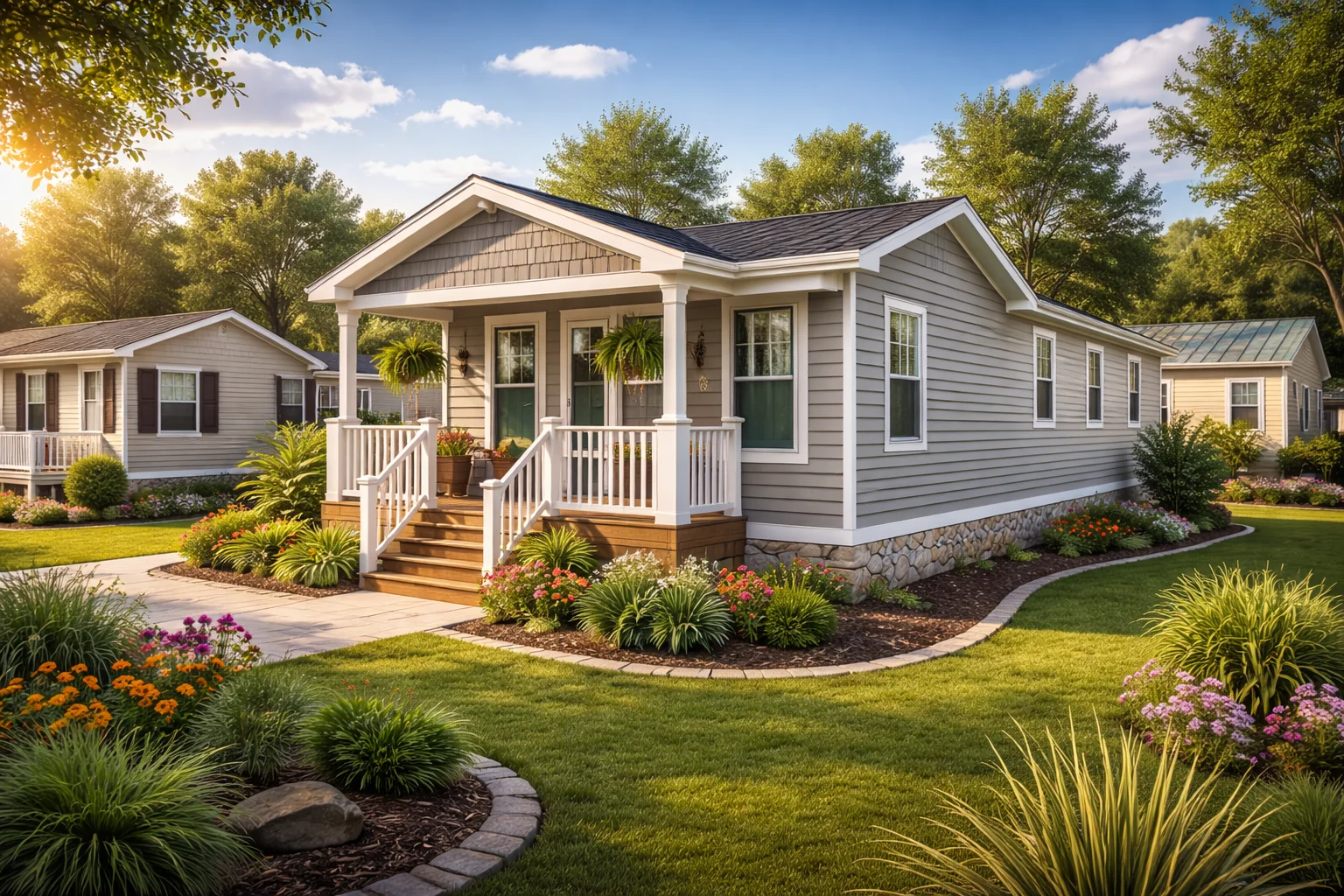
Upgrade siding with modern colors, add decorative skirting, and maintain a clean roof. Landscaping, like planting shrubs or adding a porch, can also enhance appearance without major renovations.