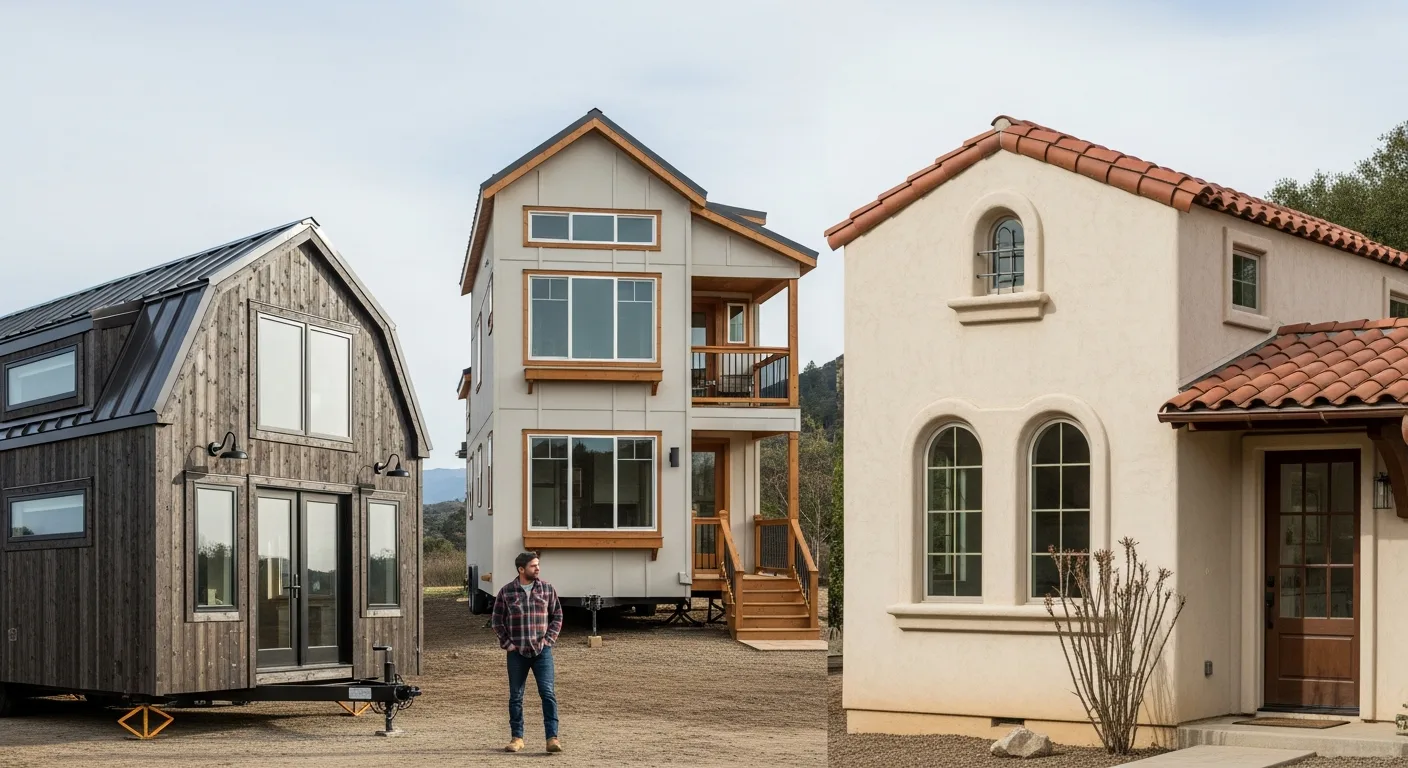
In the world of compact living, tiny homes have evolved far beyond basic boxes, offering diverse styles that blend aesthetics with functionality. Whether you’re drawn to the rustic charm of tiny barn homes, the warm elegance of a small Mediterranean home, or the innovative vertical space of shipping container homes 2 story designs, there’s a style to match every dream. This guide dives into these popular tiny home styles, providing inspiration, practical considerations, and loft ideas to maximize your living space. From cozy barn-inspired retreats to sun-drenched Mediterranean villas and multi-level container builds, discover how to create a tiny home that reflects your personality while embracing efficient, sustainable living.
Tiny barn homes feature gambrel roofs and rustic finishes, small Mediterranean homes use stucco and tile for warmth, and 2-story shipping container homes stack units for vertical living. Lofts are key in all styles, adding bedrooms or storage to maximize space in compact footprints.
Tiny Barn Homes: Rustic Charm Meets Compact Living
Tiny barn homes, often inspired by traditional barn structures, combine rustic aesthetics with modern tiny house principles. These designs typically feature gambrel roofs, which provide extra headroom for lofts, and use materials like wood siding, metal roofing, and large doors to evoke a countryside feel. Popular for their efficient use of vertical space, tiny barn homes often incorporate lofts for sleeping or storage, making them ideal for those seeking a cozy, farmhouse-inspired retreat. When planning your tiny barn home, consider factors like insulation and ventilation to ensure comfort year-round, similar to considerations for mobile home exteriors where proper roof coating and venting are crucial.
- Gambrel roofs for added loft space
- Wood or metal siding for rustic appeal
- Large sliding barn doors for functionality
- Loft areas for bedrooms or storage
- Energy-efficient windows and insulation
Small Mediterranean Home Designs: Warm and Inviting
Small Mediterranean homes bring the relaxed, sun-drenched vibe of coastal regions into a tiny footprint. Characterized by stucco exteriors, terracotta tile roofs, and arched doorways, these designs emphasize warmth and indoor-outdoor living. To adapt this style for tiny living, focus on open floor plans that flow into patios or decks, using natural materials like stone and tile. Color palettes often include earthy tones, while features like courtyards or balconies enhance the Mediterranean feel. For those interested in unique architectural styles, exploring gambrel and Gothic designs can offer additional inspiration for blending traditional elements with compact layouts.
- Use stucco or plaster for exterior walls
- Install terracotta or clay tile roofing
- Incorporate arched windows and doorways
- Design open layouts with outdoor connections
- Add wrought iron accents for authenticity
Shipping Container Homes 2 Story: Innovative Vertical Living
Shipping container homes 2 story designs stack standard containers to create multi-level living spaces, offering a modern, industrial aesthetic with robust structure. By stacking containers vertically, you can maximize square footage on a small lot, often including features like mezzanines or full second floors. These homes are praised for their durability, sustainability (using recycled materials), and modular flexibility. Key considerations include insulation, cutting openings for windows and doors, and ensuring structural integrity when stacking. For more on modular construction, check out our guide on modular home foundations and additions, which covers essential aspects like basements and costs.
| Feature | Benefits | Considerations |
|---|---|---|
| Stacked Containers | Maximizes vertical space, durable | Requires engineering for stability |
| Industrial Aesthetic | Modern look, low maintenance | May need insulation for comfort |
| Sustainable Materials | Recycled, eco-friendly | Potential for rust or wear |
| Modular Design | Flexible layouts, easy expansion | Permitting and zoning challenges |
Tiny Home Loft Ideas: Maximizing Space in All Styles
Lofts are a hallmark of tiny home design, providing extra sleeping, storage, or living areas without expanding the footprint. In tiny barn homes, lofts often nestle under gambrel roofs, while in small Mediterranean homes, they might feature cozy nooks with arched windows. For shipping container homes 2 story builds, lofts can serve as mezzanines or full second floors. Creative loft ideas include built-in beds, hidden storage compartments, and skylights for natural light. To ensure your loft is safe and functional, consider aspects like ladder or stair access and ventilation, similar to tips in our mobile home structural repair guide for maintaining subfloors and underbellies.
- Built-in beds with under-bed storage
- Lofts with skylights or large windows
- Multi-purpose lofts for sleeping and lounging
- Spiral staircases or space-saving ladders
- Integrated shelving and desk areas
Planning Your Tiny Home: Key Considerations
Regardless of style, successful tiny home living requires careful planning. Start by assessing your needs: how much space do you require for sleeping, cooking, and storage? Consider local zoning laws and building codes, which can vary widely—for insights, refer to our article on tiny home logistics including plumbing and zoning. Budget is another critical factor; tiny barn homes might cost less with DIY finishes, while shipping container homes 2 story designs could involve higher engineering costs. Don’t forget utilities like plumbing and electrical, and think about long-term maintenance to keep your tiny home in top shape.
- Determine your space requirements and lifestyle needs
- Research local zoning and building regulations
- Set a realistic budget including materials and labor
- Plan for utilities like water, electricity, and waste
- Consider climate-specific features like insulation
FAQs: Tiny Home Styles Explained
What are the benefits of tiny barn homes?
Tiny barn homes offer rustic charm, efficient use of vertical space with lofts, and often lower costs due to simple materials. They’re ideal for those wanting a cozy, countryside-inspired retreat with modern amenities.
How can I make a small Mediterranean home feel spacious?
Use open floor plans, large windows, and light color palettes to create an airy feel. Incorporate outdoor living spaces like patios to extend your usable area and enhance the Mediterranean vibe.
Are 2-story shipping container homes structurally sound?
Yes, when properly engineered and stacked with reinforcements. It’s essential to consult a professional to ensure stability, especially in areas with high winds or seismic activity.
What are some creative tiny home loft ideas?
Consider lofts with built-in storage, fold-down desks, or convertible furniture. Adding skylights or large windows can make lofts feel more open and connected to the outdoors.
How do I choose the right tiny home style for me?
Assess your aesthetic preferences, lifestyle needs, and budget. Visit model homes or browse online galleries for inspiration, and consider consulting a designer for personalized advice.
What are common challenges with tiny home living?
Space limitations, zoning restrictions, and utility hookups can be hurdles. Proper planning and research, as outlined in resources like our master home maintenance checklists, can help overcome these issues.
Can I build a tiny home on my own?
Yes, many people DIY their tiny homes, especially simpler styles like tiny barn homes. However, complex designs like shipping container homes 2 story may require professional help for safety and compliance.
How much do tiny homes typically cost?
Costs vary widely: tiny barn homes might range from $20,000 to $60,000, small Mediterranean homes from $30,000 to $80,000, and shipping container homes 2 story from $40,000 to $100,000+, depending on materials and finishes.