Embarking on the tiny home journey is an exciting venture into minimalist living, but it comes with a unique set of logistical challenges that can make or break your dream. From ensuring your plumbing system functions efficiently to navigating complex zoning regulations and securing financing without a perfect credit score, every detail matters. This guide dives deep into the critical aspects of tiny home logistics, offering practical advice to help you build or buy a home that’s both comfortable and compliant. Whether you’re eyeing an RVIA-certified model for mobility or a permanent foundation setup, understanding these elements upfront saves time, money, and headaches down the road. Let’s explore how to tackle plumbing, zoning, and financing with confidence.
Tiny home logistics involve setting up efficient plumbing systems, complying with local zoning laws, and exploring financing options like no-credit-check loans or RVIA-certified home loans. Key steps include planning for water and waste management, researching municipal codes, and comparing loan types to fit your budget and credit situation.
Understanding Tiny Home Plumbing Systems
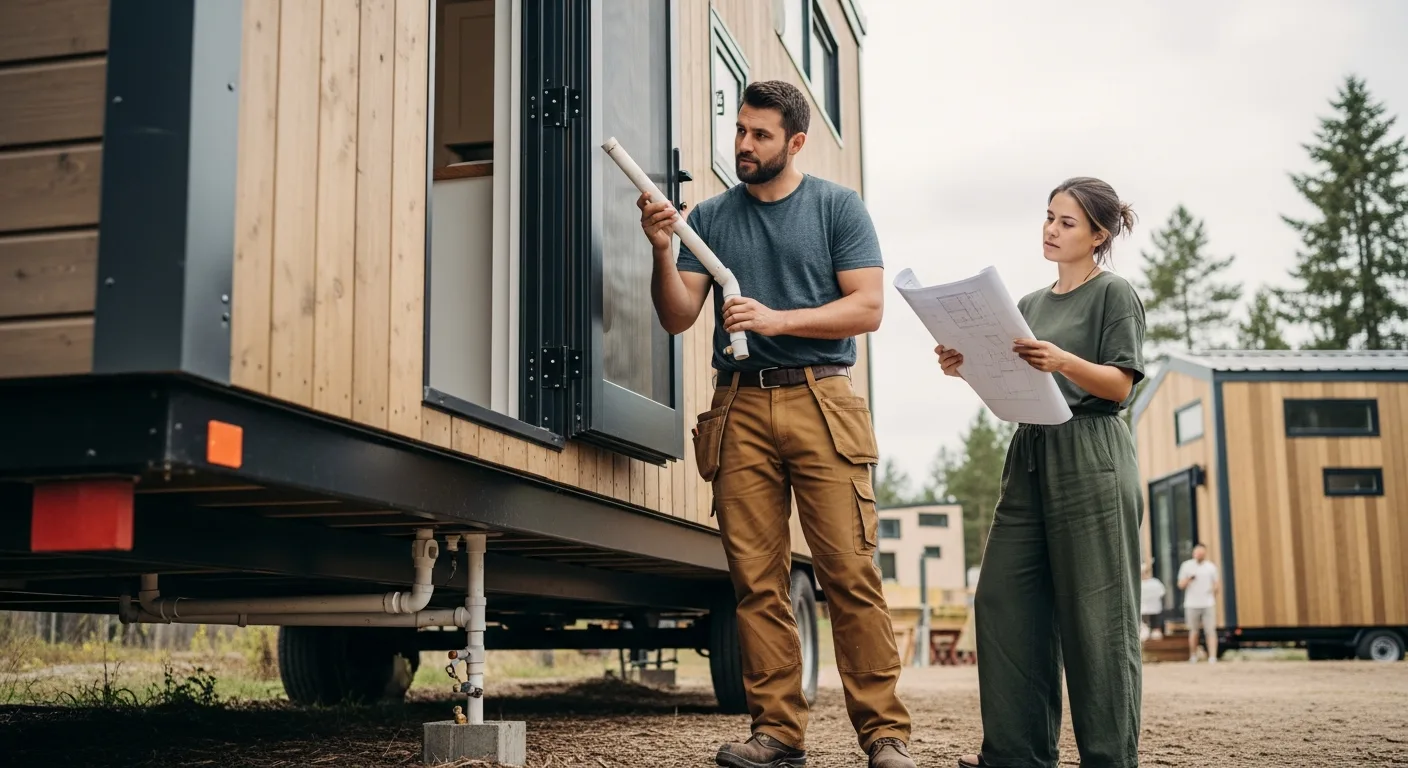
Plumbing is a cornerstone of tiny home functionality, requiring careful planning to maximize space and ensure reliability. Unlike traditional homes, tiny homes often use compact, off-grid, or mobile-friendly systems that must handle water supply, drainage, and waste efficiently. Start by deciding between a connected system (tying into municipal water and sewer) or an off-grid setup with tanks and pumps. For example, many tiny homeowners opt for RV-style plumbing with freshwater tanks, gray water tanks for sink and shower runoff, and black water tanks for toilet waste. This approach offers flexibility, especially if you plan to move your home frequently. However, it requires regular maintenance, such as emptying tanks and preventing freezing in cold climates. To avoid common pitfalls, consider consulting resources on mobile home plumbing systems for diagrams and insights that can apply to tiny homes, as both share space-saving designs.
- Choose between on-grid and off-grid plumbing based on your location and mobility needs.
- Install water-efficient fixtures like low-flow faucets and composting toilets to conserve resources.
- Use PEX piping for durability and ease of installation in tight spaces.
- Plan for insulation to prevent pipes from freezing in winter months.
- Regularly inspect for leaks and maintain tanks to avoid odors and blockages.
Navigating Tiny Home Zoning Laws
Zoning laws are one of the biggest hurdles for tiny home enthusiasts, as regulations vary widely by city, county, and state. These laws dictate where you can place your home, whether it’s on wheels or a foundation, and what size and features are allowed. In general, tiny homes on wheels (THOWs) are often classified as RVs or accessory dwelling units (ADUs), while permanent tiny homes might fall under single-family residential codes. To avoid legal issues, research local ordinances early in your planning process. Some areas have embraced tiny homes with specific zoning amendments, while others restrict them due to minimum square footage requirements or concerns about property values. For instance, if you’re considering a mobile setup, check if your area allows RVIA-certified homes in certain zones, as these certifications can ease compliance. Additionally, understanding broader state-specific rules can provide context, as zoning often intersects with other property regulations.
- Contact your local planning department to review zoning codes and permit requirements.
- Look for tiny home-friendly communities or zones with ADU allowances.
- Ensure your home meets building codes for safety, such as egress windows and structural integrity.
- Consider joining advocacy groups to stay updated on changing zoning laws.
- Document your compliance with certifications like RVIA for easier approval.
Financing Options for Tiny Homes
Financing a tiny home can be tricky, especially if you have less-than-perfect credit or need a no-credit-check option. Unlike traditional mortgages, tiny homes often require alternative financing methods due to their unique nature and lower cost. Common options include personal loans, RV loans for wheeled models, and specialized tiny home loans from lenders familiar with the market. For those seeking no-credit-check financing, explore rent-to-own agreements, seller financing, or crowdfunding platforms. RVIA-certified tiny homes are particularly advantageous here, as they qualify for RV loans with competitive rates and terms. To make an informed decision, compare different financing types based on interest rates, down payments, and repayment periods. For example, if you’re in North Carolina, researching lease-to-own processes can offer insights into flexible payment plans that might suit your situation.
| Financing Type | Best For | Pros | Cons |
|---|---|---|---|
| Personal Loan | Buyers with good credit | Fast approval, no collateral needed | Higher interest rates, shorter terms |
| RV Loan | RVIA-certified tiny homes | Lower rates, longer terms | Requires certification, may have usage restrictions |
| Seller Financing | No-credit-check options | Flexible terms, easier qualification | Higher risk, limited availability |
| Crowdfunding | Community-supported projects | No debt, creative funding | Unpredictable, time-consuming |
Benefits of RVIA-Certified Tiny Homes
RVIA (Recreation Vehicle Industry Association) certification is a gold standard for tiny homes on wheels, offering numerous advantages in logistics and compliance. These homes are built to rigorous safety and quality standards, making them more acceptable under zoning laws and easier to finance. RVIA-certified models typically include features like proper plumbing and electrical systems, which streamline the setup process. They also qualify for RV insurance and loans, providing peace of mind and financial flexibility. When shopping for a tiny home, look for the RVIA seal to ensure it meets these benchmarks. This certification can simplify your journey, especially if you plan to travel or park in RV-friendly areas. For more on innovative home designs that prioritize functionality, check out modern log home designs, which share a focus on efficient layouts and durable construction.
- RVIA certification ensures compliance with national safety standards for mobility.
- Easier to finance through RV loans with favorable terms and rates.
- Often accepted in more zoning areas due to recognized construction codes.
- Includes warranties and quality assurances for plumbing and other systems.
- Ideal for those seeking a portable lifestyle without sacrificing reliability.
Practical Tips for Tiny Home Logistics
Successfully managing tiny home logistics requires a proactive approach to planning and maintenance. Start by creating a detailed checklist that covers plumbing installation, zoning research, and budget planning. For plumbing, consider using modular systems that can be easily repaired or upgraded. In terms of zoning, always verify requirements before purchasing land or a home to avoid costly mistakes. When it comes to financing, shop around and pre-qualify for loans to understand your options. Additionally, invest in regular upkeep—such as inspecting plumbing for leaks or updating certifications—to ensure long-term viability. For broader home maintenance insights, refer to a master maintenance checklist to keep your tiny home in top shape. By staying organized and informed, you can navigate the complexities of tiny living with ease.
- Develop a comprehensive budget that includes plumbing, zoning permits, and financing costs.
- Use digital tools or apps to track maintenance schedules and legal deadlines.
- Network with other tiny homeowners for advice and support on local regulations.
- Prioritize energy-efficient and water-saving features to reduce ongoing expenses.
- Stay flexible and adapt your plans as zoning laws or financial situations change.
Frequently Asked Questions (FAQs)
What are the most common tiny home plumbing issues?
Common issues include frozen pipes in cold weather, tank overflows due to improper sizing, and leaks from poorly installed fittings. Regular maintenance and using insulated materials can prevent many of these problems.
How do I find out if my area allows tiny homes?
Contact your local zoning office or planning department to review ordinances. You can also search online for tiny home-friendly communities or consult with real estate agents familiar with alternative housing.
Can I get a tiny home loan with bad credit?
Yes, options like seller financing, rent-to-own agreements, or specialized lenders offering no-credit-check loans are available. However, expect higher interest rates or stricter terms compared to traditional loans.
What does RVIA certification mean for a tiny home?
RVIA certification indicates the home meets industry standards for safety, construction, and systems like plumbing and electrical. It often makes financing and zoning easier, especially for mobile models.
How much does tiny home plumbing typically cost?
Costs vary widely, from $1,000 to $5,000 or more, depending on whether you choose an off-grid system with tanks or connect to municipal utilities. DIY installations can save money but may require professional help for complex setups.
Are there insurance options for tiny homes?
Yes, RVIA-certified homes can often be insured under RV policies, while permanent tiny homes might qualify for homeowners insurance. Shop around for providers that specialize in alternative housing.
What zoning challenges do tiny homes on wheels face?
They may be restricted to RV parks or specific zones, face size limitations, or require special permits. Research local laws thoroughly to avoid placement issues.
How can I save money on tiny home financing?
Compare loan offers, consider a larger down payment to reduce interest, or explore grants and crowdfunding. RVIA-certified homes may offer lower rates through RV loans.