Welcome to the ultimate smart home setup guide! Whether you’re a tech enthusiast or a beginner looking to automate your living space, this article will walk you through everything you need to know about smart devices and their seamless integration. From controlling your lights with a voice command to setting up a home assistant music assistant compatible Bluetooth speakers for whole-home audio, we’ve got you covered. With the right tools and knowledge, you can transform your house into a connected, efficient, and secure smart home. Let’s dive in and explore the key components and steps to get started.
To set up a smart home, start by choosing a central hub like Home Assistant, then add compatible devices such as Bluetooth speakers for music, touch screen controllers for easy management, and smoke/CO detectors for safety. Integrate everything through your hub using Wi-Fi or Zigbee protocols, and automate routines for convenience and security.
Essential Smart Home Devices
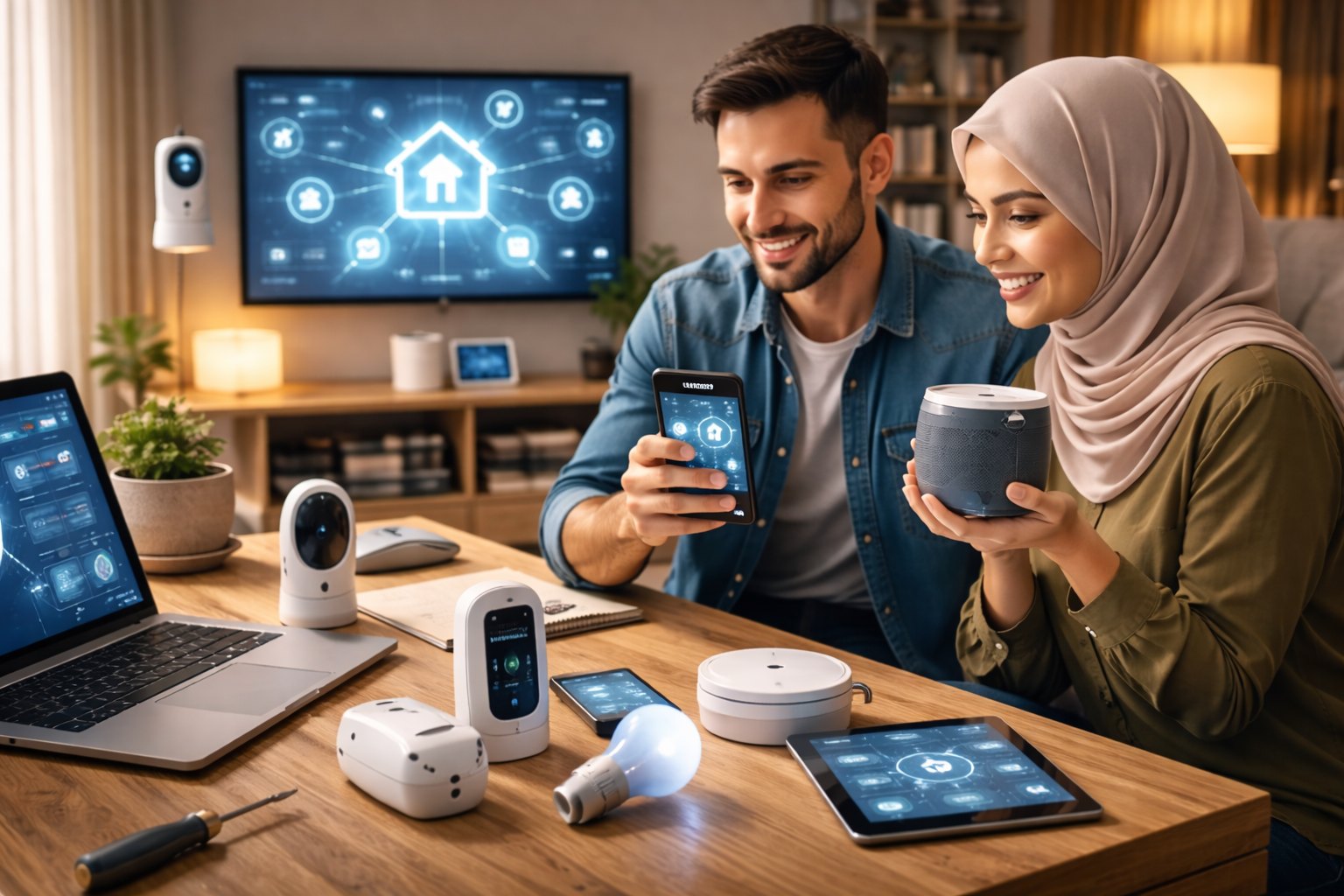
Building a smart home begins with selecting the right devices. These gadgets form the backbone of your automated ecosystem, allowing you to control various aspects of your home remotely or through voice commands. Key devices include smart speakers, controllers, and safety sensors. For instance, a home assistant music assistant compatible Bluetooth speakers can sync with your smart hub to play music throughout your house, while a home assistant table top touch screen controller provides a user-friendly interface for managing all connected devices. Don’t forget safety essentials like a smoke co detector home assistant to keep your home protected. Start with these basics and expand as needed.
- Smart Speakers: Devices like Amazon Echo or Google Home that act as voice assistants.
- Controllers: Touch screens or remotes for manual control, such as a home assistant table top touch screen controller.
- Safety Sensors: Smoke and CO detectors that integrate with your smart hub for alerts.
- Lighting: Smart bulbs and switches that can be automated or controlled remotely.
- Climate Control: Smart thermostats to manage heating and cooling efficiently.
Choosing a Central Hub: Home Assistant and Alternatives
A central hub is crucial for integrating all your smart devices into one cohesive system. Home Assistant is a popular open-source platform that offers extensive compatibility with various devices, making it a top choice for DIY enthusiasts. It allows you to connect everything from home assistant music assistant compatible Bluetooth speakers to complex automation routines. Other options include Samsung SmartThings and Apple HomeKit, each with their own strengths. When selecting a hub, consider factors like device support, ease of use, and customization options. A good hub will serve as the brain of your smart home, enabling seamless communication between devices.
- Evaluate Compatibility: Check if the hub supports your existing or planned devices.
- Consider Ease of Setup: Some hubs, like Home Assistant, may require more technical knowledge.
- Look at Automation Features: Ensure the hub allows for custom routines and triggers.
- Assess Security: Choose a hub with regular updates and strong encryption.
- Plan for Scalability: Pick a hub that can grow with your smart home needs.
Integrating Music and Audio Systems
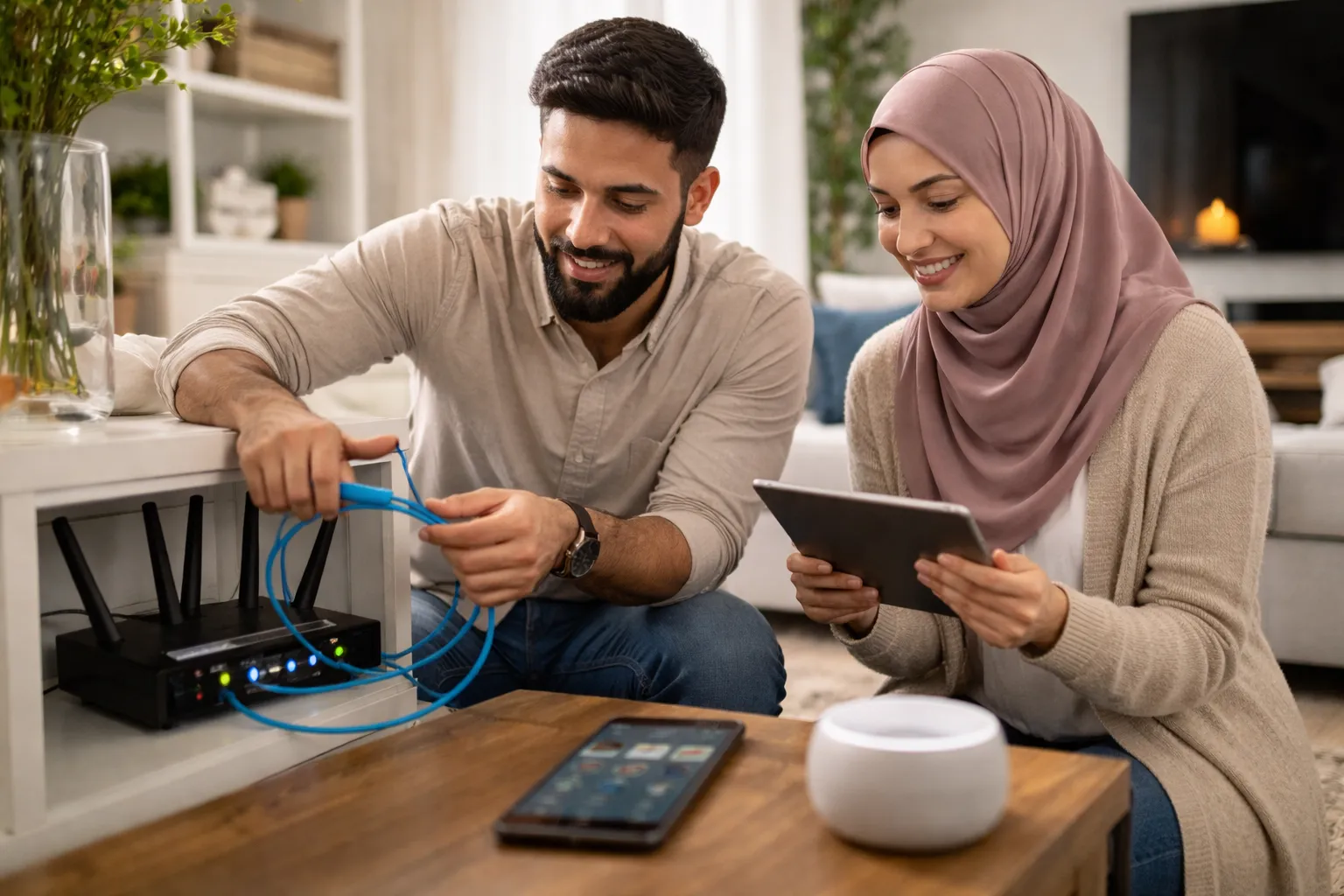
One of the most enjoyable aspects of a smart home is whole-home audio. By integrating home assistant music assistant compatible Bluetooth speakers, you can stream music from services like Spotify or Apple Music to multiple rooms simultaneously. Start by connecting your speakers to your smart hub via Bluetooth or Wi-Fi. Then, use voice commands or a controller to play, pause, or adjust volume. For a more advanced setup, consider multi-room audio systems that sync speakers perfectly. This integration not only enhances entertainment but also allows for audio alerts from other smart devices, such as your smoke co detector home assistant.
| Speaker Type | Compatibility | Best For |
|---|---|---|
| Bluetooth Speakers | Works with most smart hubs via Bluetooth | Small to medium rooms |
| Wi-Fi Speakers | Integrates directly with hubs like Home Assistant | Whole-home audio systems |
| Smart Displays | Includes screen for visual control | Kitchens or living areas |
Setting Up Controllers and Interfaces
Controllers are essential for managing your smart home without relying solely on voice commands. A home assistant table top touch screen controller offers a tactile and visual way to control devices, view statuses, and trigger automations. To set it up, connect the controller to your smart hub through Wi-Fi or a wired connection, then configure the interface to display your favorite devices and scenes. This is particularly useful for family members who prefer buttons over voice. Additionally, mobile apps provided by hubs like Home Assistant allow remote control from anywhere. By combining different control methods, you ensure your smart home is accessible to everyone.
- Touch Screen Controllers: Provide an intuitive interface for device management.
- Voice Assistants: Use Alexa or Google Assistant for hands-free control.
- Mobile Apps: Access your smart home remotely via smartphone.
- Physical Switches: Install smart switches for traditional control.
- Automation Routines: Set schedules or triggers for automatic actions.
Safety and Security Integration
Safety should be a top priority in any smart home setup. Integrating devices like a smoke co detector home assistant ensures you receive instant alerts on your phone or through speakers if danger is detected. These detectors connect to your smart hub via Wi-Fi or Zigbee, allowing for real-time monitoring and automation. For example, you can set up routines that turn on lights and unlock doors in case of an emergency. Pair this with security cameras and smart locks for a comprehensive safety system. Regular testing and updates are crucial to maintain reliability. By prioritizing safety, you protect both your home and loved ones.
- Install Smoke/CO Detectors: Place them in key areas like bedrooms and kitchens.
- Connect to Hub: Ensure they are paired with your central hub for alerts.
- Set Up Automation: Create routines for emergencies, such as flashing lights.
- Test Regularly: Check batteries and connectivity monthly.
- Integrate with Other Devices: Link detectors to speakers for audio alerts.
Automation and Routine Creation
Automation is the heart of a smart home, allowing devices to work together based on triggers or schedules. Using a hub like Home Assistant, you can create routines that activate multiple devices at once. For instance, a “Good Morning” routine might turn on lights, start coffee, and play music through your home assistant music assistant compatible Bluetooth speakers. To get started, identify common tasks in your daily life and map them to device actions. Use conditional logic for more complex automations, such as turning off lights when no motion is detected. Experiment with different routines to find what works best for your lifestyle, enhancing convenience and efficiency.
Frequently Asked Questions
What is the best smart hub for beginners?
For beginners, Samsung SmartThings or Amazon Echo Hub are great choices due to their user-friendly interfaces and wide device compatibility. They offer easy setup through mobile apps and support popular devices like home assistant music assistant compatible Bluetooth speakers.
How do I connect Bluetooth speakers to Home Assistant?
To connect Bluetooth speakers to Home Assistant, enable Bluetooth on your hub device, then pair the speakers through the Home Assistant interface. Ensure the speakers are in pairing mode and follow the on-screen instructions for integration.
Can I use a tablet as a touch screen controller?
Yes, you can use a tablet as a home assistant table top touch screen controller by installing the Home Assistant app or a compatible dashboard app. Mount it on a stand or wall for easy access and control.
Are smart smoke detectors reliable?
Smart smoke detectors, like a smoke co detector home assistant, are highly reliable when properly installed and maintained. They offer additional features such as remote alerts and integration with other smart devices for enhanced safety.
What protocols are best for smart home devices?
Wi-Fi and Zigbee are popular protocols for smart home devices. Wi-Fi is common for easy setup, while Zigbee offers low power consumption and mesh networking, ideal for larger homes or battery-powered devices.
How can I automate my lighting?
Automate your lighting by using smart bulbs or switches connected to your hub. Create routines based on time, motion, or voice commands to turn lights on/off automatically, saving energy and adding convenience.
Is a smart home secure from hackers?
A smart home can be secure if you use strong passwords, regular updates, and encrypted connections. Choose reputable devices and hubs, and avoid public Wi-Fi for remote access to minimize risks.
Can I integrate non-smart devices into my setup?
Yes, you can integrate non-smart devices using smart plugs or relays connected to your hub. This allows you to control traditional appliances through automation or voice commands, expanding your smart home capabilities.