Living in a small home between 600 and 900 square feet offers a unique blend of affordability, sustainability, and cozy charm. As housing costs rise and minimalist lifestyles gain popularity, these compact spaces provide a practical solution without sacrificing comfort. Whether you’re dreaming of a 600 sq ft tiny house or a slightly larger 900 sq ft home design, smart planning can transform limited square footage into a functional and stylish living environment. This guide explores innovative design concepts, layout strategies, and practical tips to help you maximize every inch of your small home.
600-900 sq ft homes can be highly functional with smart design concepts like open floor plans, multi-purpose furniture, and vertical storage. Key strategies include prioritizing natural light, using light colors, and incorporating flexible spaces that serve multiple purposes. Even 3-bedroom layouts are possible in 800-900 sq ft homes through clever space optimization.
Why Choose a 600-900 Square Foot Home?
Small homes in the 600-900 square foot range offer numerous advantages beyond just lower construction costs. These compact dwellings typically require less energy for heating and cooling, resulting in reduced utility bills and a smaller environmental footprint. Maintenance is significantly easier and less time-consuming compared to larger properties. Many homeowners find that living in a smaller space encourages a more intentional lifestyle with fewer possessions and less clutter. For those interested in modern housing options, these sizes work particularly well with modular and prefab construction methods that streamline the building process.
- Lower construction and maintenance costs
- Reduced energy consumption and utility bills
- Simplified cleaning and upkeep
- Encourages minimalist, intentional living
- Faster build times with prefabricated options
Key Design Principles for Small Spaces
Successful small home design relies on several fundamental principles that maximize both function and aesthetics. Open floor plans create a sense of spaciousness by eliminating unnecessary walls and allowing light to flow freely throughout the space. Strategic storage solutions, including built-ins and vertical storage, keep clutter out of sight while maintaining accessibility. Multi-functional furniture pieces that serve dual purposes—like sofa beds, expandable tables, and storage ottomans—help rooms adapt to different needs throughout the day. Proper lighting, both natural and artificial, can dramatically affect how large a space feels, while light color palettes and reflective surfaces enhance this effect.
- Embrace open concept layouts to create visual flow
- Incorporate multi-purpose furniture for flexibility
- Utilize vertical space with floor-to-ceiling storage
- Maximize natural light with strategic window placement
- Choose light colors and reflective surfaces to expand visual space
Floor Plan Concepts for Different Square Footages
The optimal floor plan for your small home depends significantly on your specific square footage and lifestyle needs. For 600 sq ft homes, efficient layouts typically feature an open living area that combines kitchen, dining, and living spaces, with one or two compact bedrooms and a bathroom. At 800 sq ft, you gain enough space for more defined zones, potentially including a small home office or additional storage area. The 900 sq ft range offers even more flexibility, potentially accommodating three bedrooms through careful space planning. When considering efficient home plans, remember that smart design often matters more than raw square footage.
| Square Footage | Typical Bedrooms | Recommended Layout Style | Key Features |
|---|---|---|---|
| 600 sq ft | 1-2 bedrooms | Open concept with minimal partitions | Multi-purpose main area, compact bathroom |
| 800 sq ft | 2-3 bedrooms | Partially open with defined zones | Separate dining area, additional storage |
| 900 sq ft | 2-3 bedrooms | Flexible layout with room for customization | Possible home office, larger kitchen |
Creating 3-Bedroom Layouts in 800-900 Sq Ft Homes
Designing a functional three-bedroom layout in an 800-900 square foot home requires careful space optimization and creative thinking. The key is to prioritize the most essential functions while minimizing wasted circulation space. Consider using pocket doors instead of swinging doors to save floor space, and opt for built-in storage in bedrooms to eliminate the need for bulky furniture. Smaller secondary bedrooms can be designed as multi-purpose spaces that serve as guest rooms, home offices, or hobby areas when not occupied. For families considering 2 bedroom tiny home concepts, adding a third bedroom in this size range represents a significant but achievable expansion.
- Use compact, space-saving furniture in all bedrooms
- Incorporate built-in storage to maximize floor space
- Design flexible rooms that serve multiple purposes
- Consider lofted beds in children’s rooms to free up floor space
- Utilize hallway space for additional storage solutions
Kitchen and Bathroom Design Strategies
Kitchens and bathrooms present unique challenges in small homes, but with smart design, they can be both functional and attractive. In kitchens, galley layouts or L-shaped configurations work well in limited spaces, with upper cabinets extending to the ceiling for maximum storage. Consider compact appliances designed specifically for small homes, and incorporate multi-functional elements like kitchen islands that provide both prep space and dining. Bathrooms benefit from space-saving fixtures like corner sinks, wall-mounted toilets, and sliding shower doors. Proper ventilation is crucial in these compact wet areas to prevent moisture issues. For those interested in smart home setup, integrating space-saving smart appliances can further enhance functionality.
- Choose compact, apartment-sized appliances for kitchens
- Install vertical storage solutions in both kitchens and bathrooms
- Use light colors and reflective surfaces to create airy feelings
- Incorporate multi-functional fixtures and furniture
- Ensure adequate ventilation to prevent moisture problems
Storage Solutions for Small Home Living
Effective storage is the cornerstone of comfortable small home living. Beyond traditional closets and cabinets, consider innovative solutions like under-stair storage, built-in window seats with hidden compartments, and overhead racks in garages or utility areas. Vertical space is often underutilized—install shelves that reach toward the ceiling, and use the space above doors for additional storage. Furniture with built-in storage, such as beds with drawers underneath or ottomans that open up, can significantly reduce clutter. For seasonal items or less frequently used possessions, consider home emergency preparedness storage that doubles as safety supply organization.
Outdoor Living and Expansion Possibilities
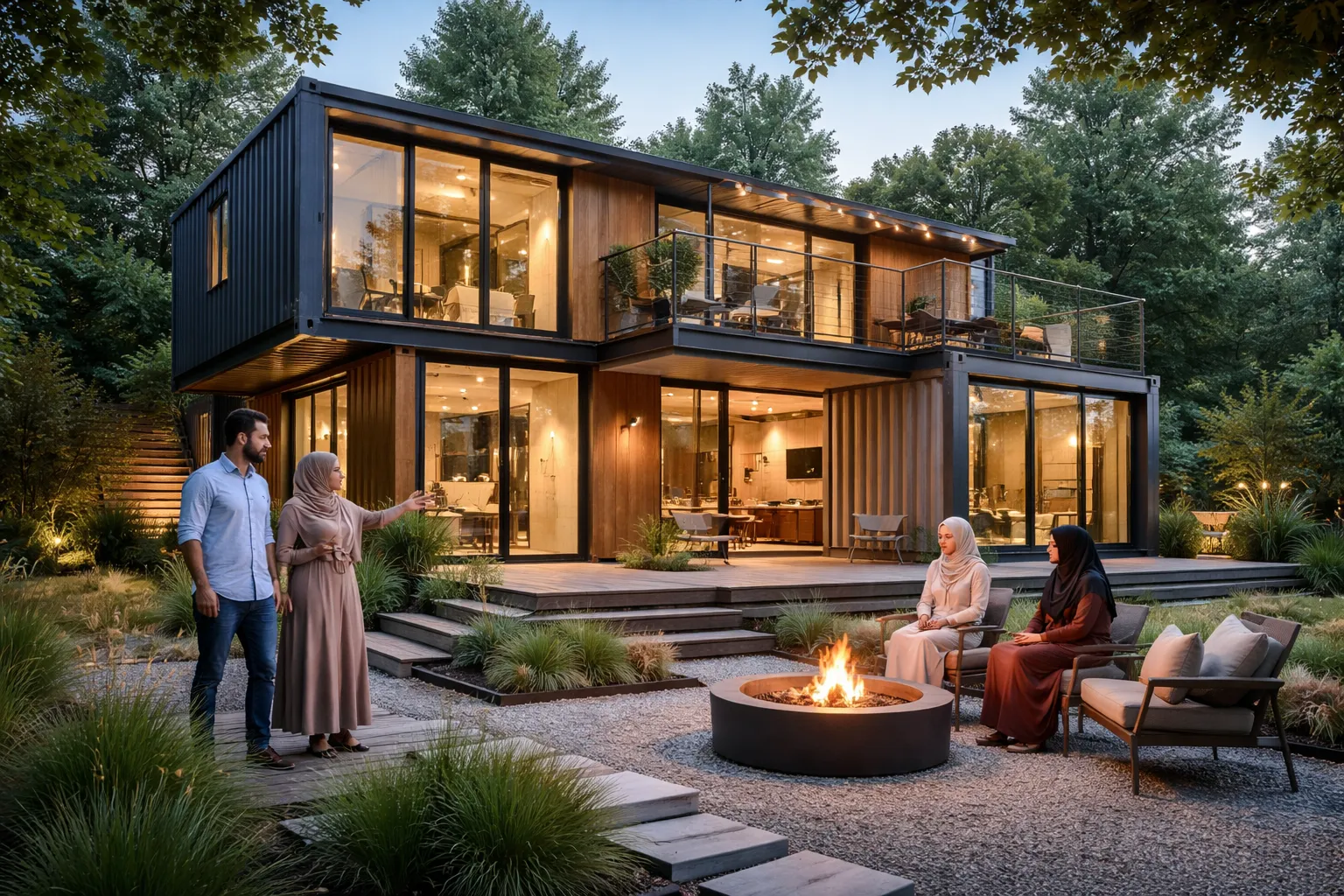
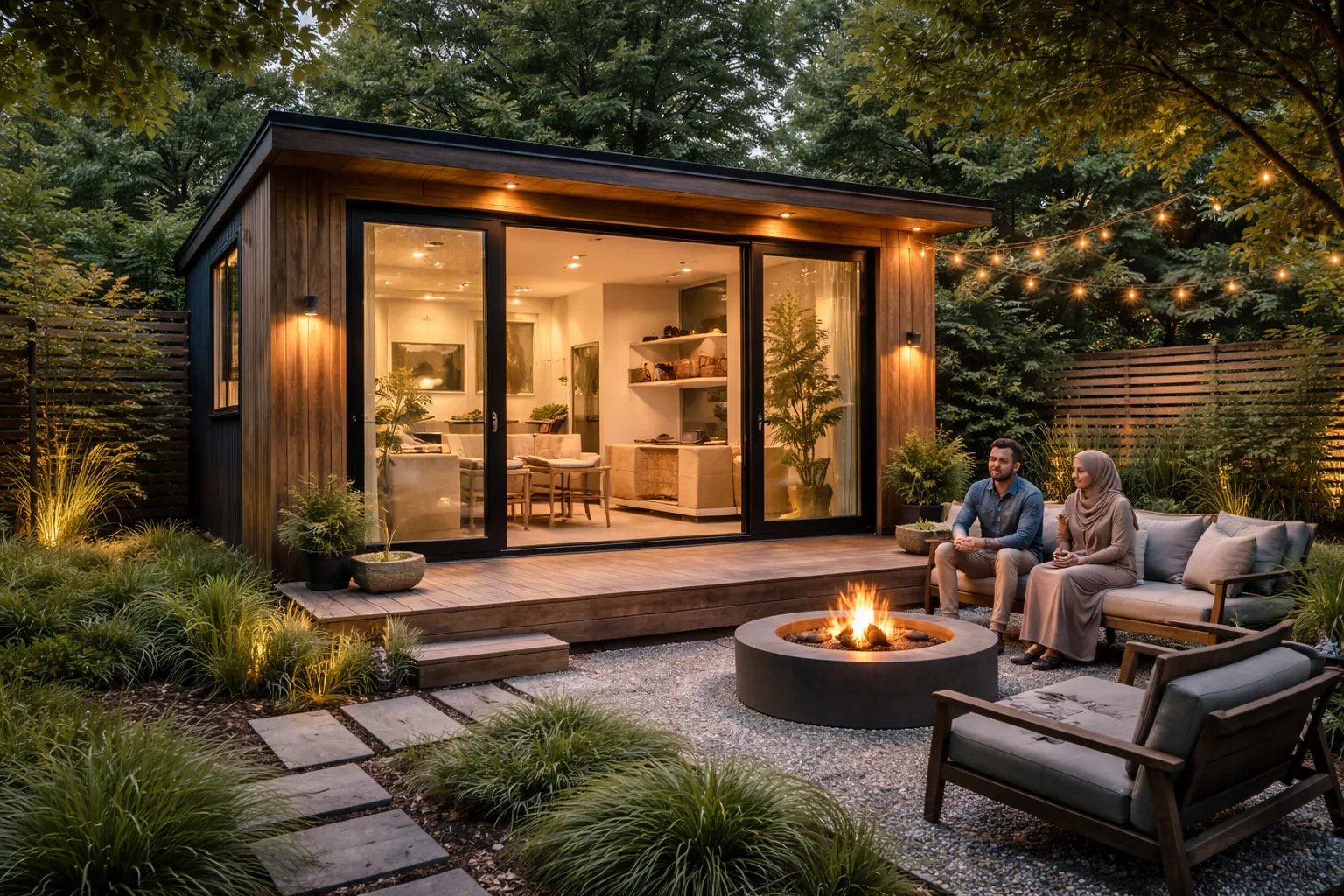
Even the smallest home can feel more spacious with well-designed outdoor living areas. Decks, patios, and porches effectively extend your living space during favorable weather, creating additional areas for dining, relaxation, and entertainment. French doors or sliding glass doors can create a seamless transition between indoor and outdoor spaces, enhancing the feeling of openness. For those with limited yard space, vertical gardens or container gardening provide greenery without consuming valuable square footage. If you need additional space in the future, consider designs that allow for expansion, such as adding a sunroom or finishing an attic space.
Cost Considerations and Building Tips
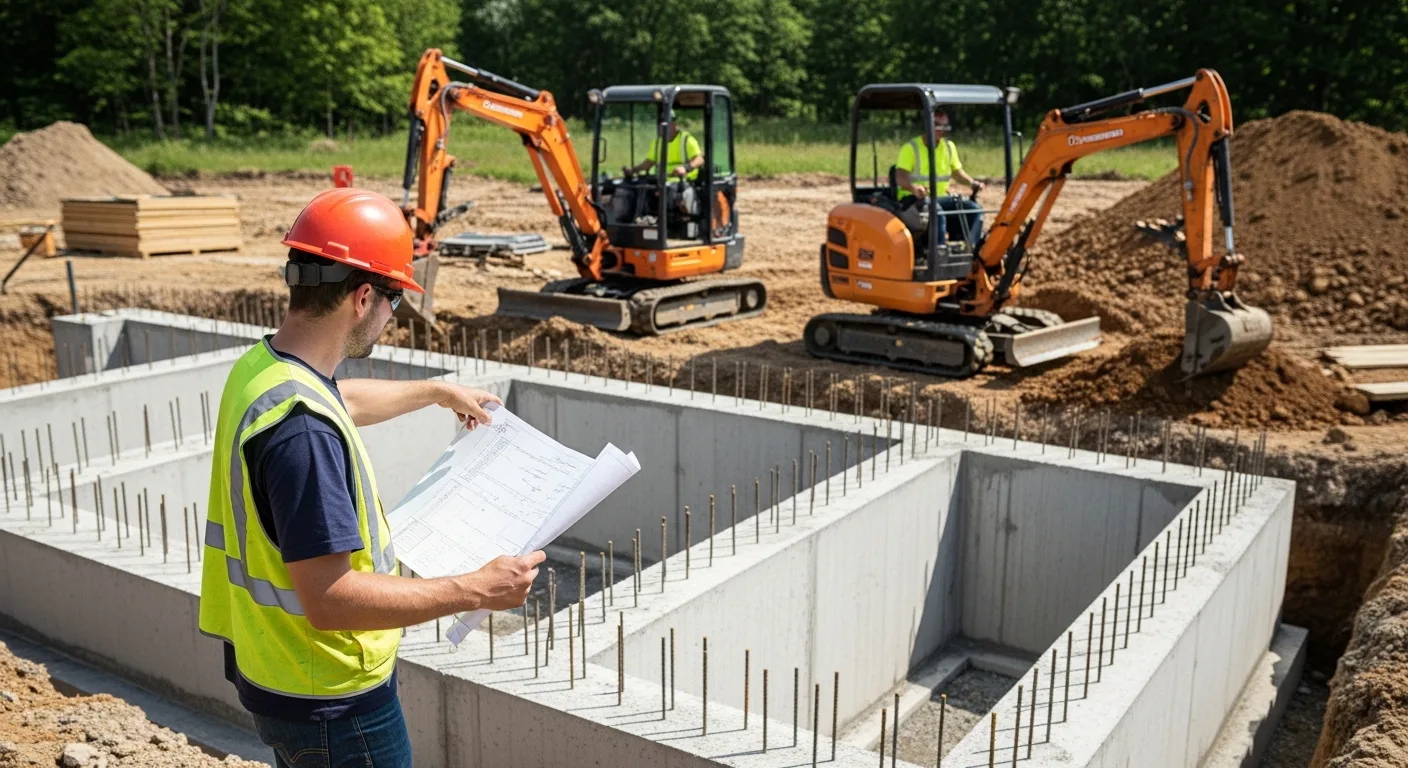
Building a 600-900 square foot home typically costs significantly less than larger properties, but careful planning can further optimize your budget. Prefabricated or modular construction often offers cost savings compared to traditional stick-built homes. Energy-efficient features like proper insulation, high-performance windows, and efficient HVAC systems may have higher upfront costs but provide long-term savings. When working with builders, clearly communicate your priorities and be willing to make trade-offs between wants and needs. Remember that home value considerations should include both construction costs and potential resale value.
What are the main benefits of living in a 600-900 sq ft home?
The primary benefits include lower construction and maintenance costs, reduced energy consumption, simplified cleaning and upkeep, and encouragement of a more intentional, minimalist lifestyle. These homes also typically have smaller environmental footprints and can be built more quickly than larger properties.
Can you really fit 3 bedrooms in an 800-900 sq ft home?
Yes, with careful space planning, 3 bedrooms can be accommodated in 800-900 square feet. The key is using compact furniture, built-in storage, and multi-purpose rooms. Secondary bedrooms may be smaller than standard sizes but can still be functional with smart design choices.
What are the best layout styles for small homes?
Open concept layouts work particularly well for small homes as they create a sense of spaciousness and allow light to flow freely. For slightly larger spaces in the 800-900 sq ft range, partially open layouts with defined zones can provide better separation of functions while maintaining visual openness.
How do you maximize storage in a small home?
Maximize storage by utilizing vertical space with floor-to-ceiling shelves, incorporating built-in storage solutions, choosing furniture with hidden storage compartments, and using multi-functional pieces. Don’t overlook unconventional spaces like under stairs, above doors, and in hallway niches.
What kitchen layouts work best in 600-900 sq ft homes?
Galley kitchens and L-shaped layouts are most efficient for small homes as they maximize counter and storage space while minimizing floor area. Incorporating a kitchen island that doubles as dining space can also enhance functionality in slightly larger kitchens.
Are small homes more energy efficient?
Generally yes, because there’s less space to heat and cool, and smaller homes typically have fewer exterior walls relative to their interior volume. However, proper insulation, window quality, and efficient HVAC systems are still crucial for maximizing energy efficiency.
How can I make my small home feel larger?
Use light colors on walls and ceilings, maximize natural light with strategically placed windows, incorporate mirrors to reflect light, choose furniture with exposed legs to create visual space, and maintain a clutter-free environment through smart storage solutions.
What should I prioritize when designing a small home?
Prioritize functionality and flexibility above all else. Focus on creating multi-purpose spaces, efficient circulation patterns, and adequate storage. Consider your specific lifestyle needs and be willing to make trade-offs between different features based on what matters most to you.