Shipping container homes have revolutionized sustainable living, offering an affordable, durable, and eco-friendly alternative to traditional housing. With their modular design, these structures can be customized into stunning 3-bedroom layouts or even innovative underground builds, blending modern aesthetics with practicality. Whether you’re dreaming of a spacious family home or a unique subterranean retreat, understanding floor plans and construction techniques is key to turning your vision into reality. This guide dives deep into the world of container homes, covering everything from design inspirations to building tips, helping you navigate the process with confidence.
Shipping container homes with 3-bedroom floor plans typically use 3-5 containers arranged in L-shapes, U-shapes, or stacked designs, offering 1,200-2,000 sq ft of living space. Underground builds involve burying containers partially or fully, requiring careful waterproofing and structural reinforcement for stability and insulation.
Why Choose a 3-Bedroom Shipping Container Home?
Opting for a 3-bedroom shipping container home provides ample space for families or those needing extra rooms for guests, offices, or hobbies. These homes are not only cost-effective but also highly customizable, allowing you to create a layout that suits your lifestyle. Compared to traditional construction, container homes often have shorter build times and lower material waste, making them a sustainable choice. For more on modular and prefab options, check out our guide on modern container homes.
Popular 3-Bedroom Floor Plan Layouts
Designing a 3-bedroom container home involves strategic placement of containers to maximize space and flow. Common layouts include:
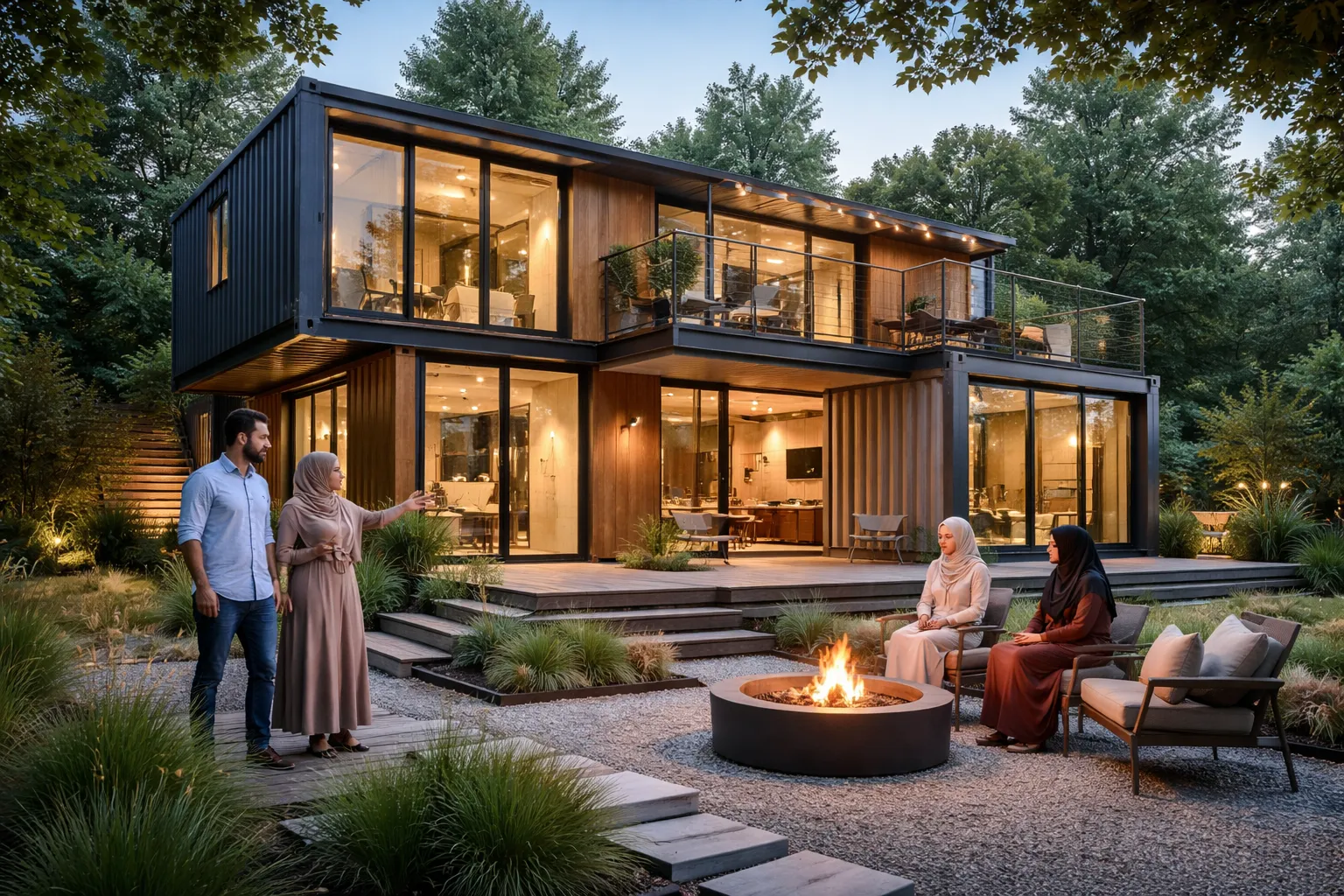
- L-Shape Design: Uses 3-4 containers arranged in an L, creating a private courtyard and separate living zones.
- U-Shape Layout: Involves 4-5 containers forming a U, ideal for open-plan living with bedrooms on opposite ends.
- Stacked Configuration: Containers are stacked vertically, often with 2-3 levels, perfect for sloped lots or urban settings.
Each layout offers unique benefits, such as enhanced natural light or better privacy. For smaller options, explore 2-bedroom container home designs.
Key Considerations for Underground Shipping Container Homes
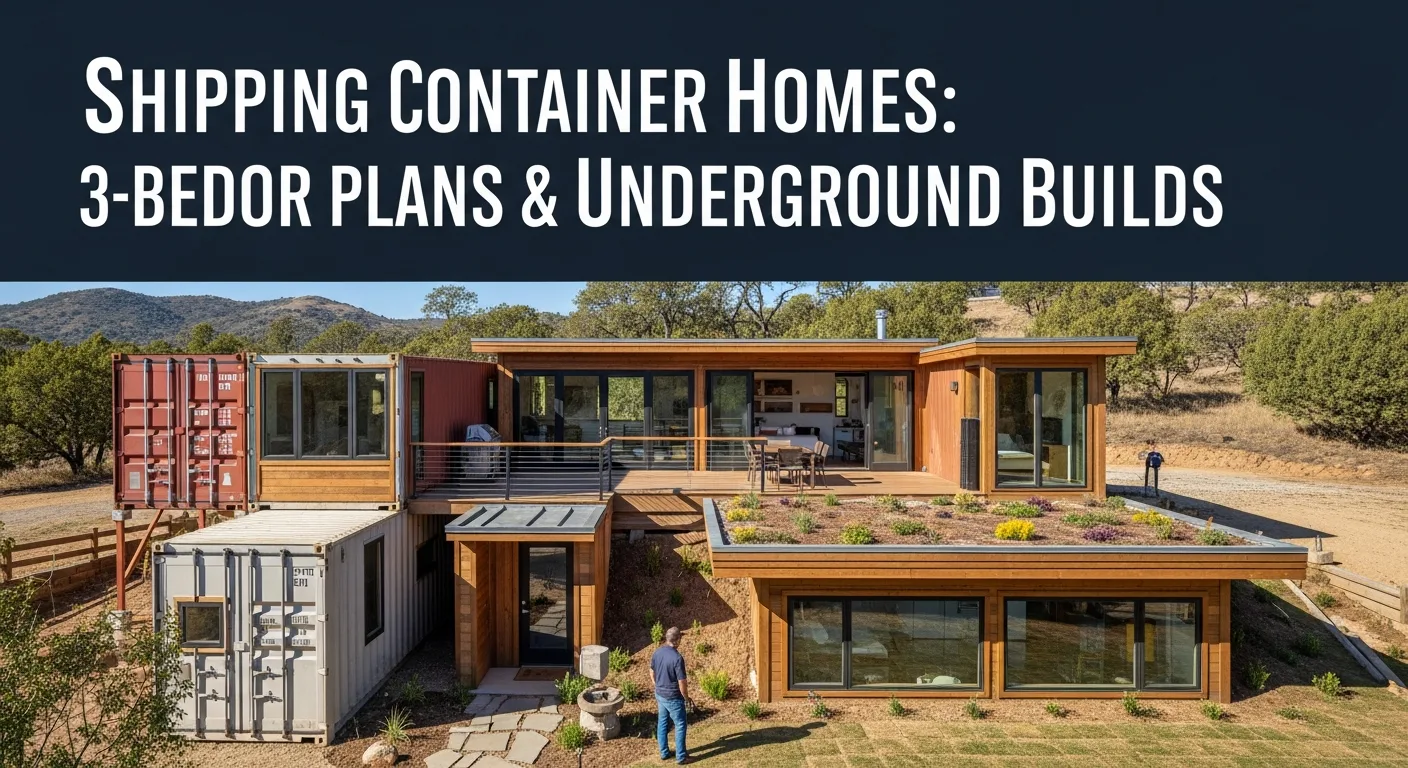
Underground shipping container homes, also known as earth-sheltered builds, provide excellent insulation, energy efficiency, and a minimalist aesthetic. However, they require careful planning:
- Site Selection: Choose a well-drained area with stable soil to prevent water infiltration and structural issues.
- Waterproofing: Apply robust membranes and coatings to protect against moisture, a critical step for longevity.
- Ventilation and Lighting: Incorporate skylights, windows, and mechanical systems to ensure air quality and natural light.
These builds can reduce heating and cooling costs by up to 50%, making them a smart investment for eco-conscious homeowners.
Building a Container Home: Step-by-Step Process
Constructing a container home involves several stages, from planning to finishing touches. Follow this numbered list to stay on track:
- Design and Permits: Create detailed floor plans and secure local building permits, considering zoning laws.
- Container Procurement: Source high-quality, used or new containers, inspecting for damage and structural integrity.
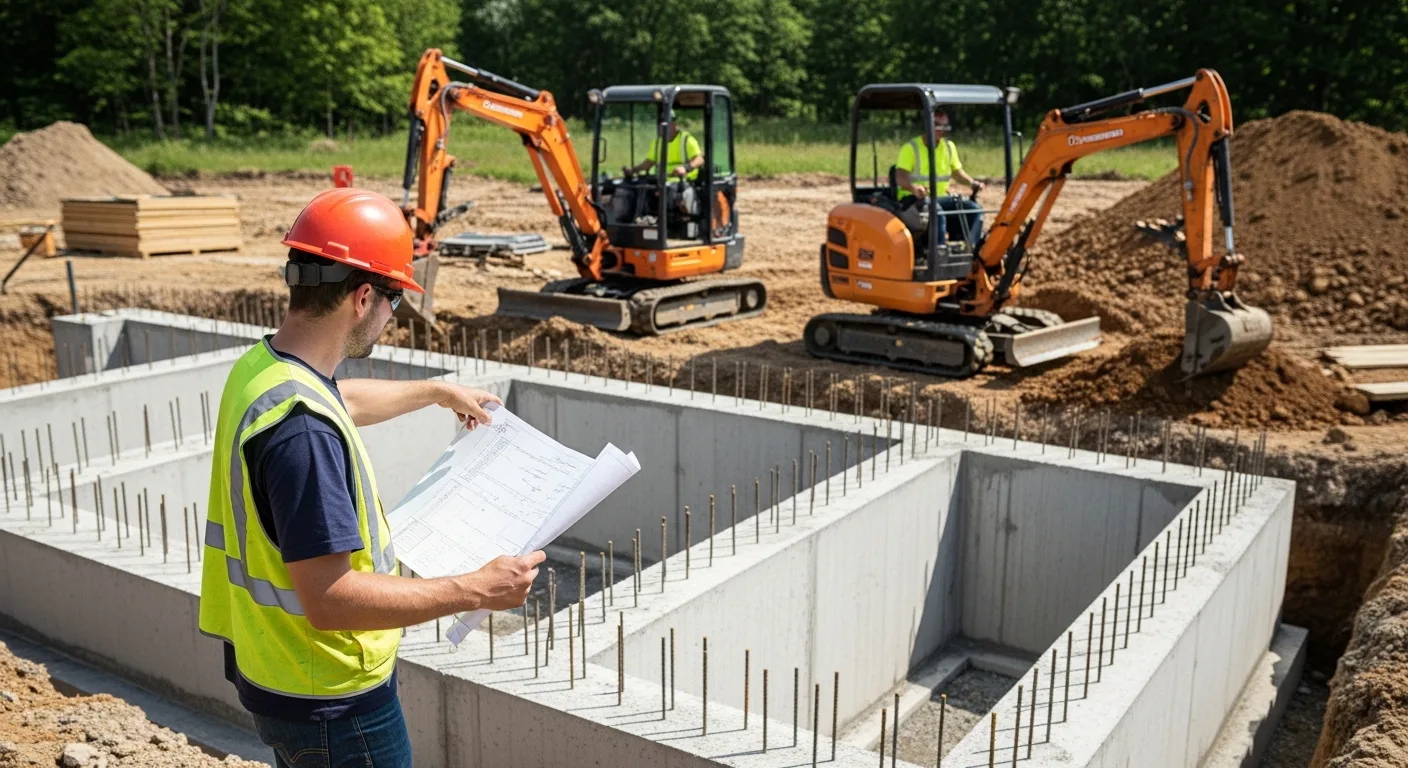
- Site Preparation: Level the ground, pour foundations, and set up utilities like water and electricity.
- Modification and Assembly: Cut openings for doors/windows, weld containers together, and reinforce as needed.
- Insulation and Interior Work: Install insulation, drywall, flooring, and fixtures to complete the living space.
For insights on similar DIY projects, refer to our DIY mobile home leveling guide.
Cost Comparison: 3-Bedroom vs. Underground Container Homes
Understanding costs is crucial for budgeting. Below is a table comparing average expenses for different container home types:
| Home Type | Average Cost Range | Key Factors Affecting Cost |
|---|---|---|
| 3-Bedroom Container Home | $50,000 – $150,000 | Number of containers, interior finishes, location |
| Underground Container Home | $80,000 – $200,000 | Excavation, waterproofing, specialized engineering |
| Hybrid Design (Combined) | $100,000 – $250,000 | Complexity of build, custom features, permits |
Costs vary based on materials, labor, and site conditions, so it’s wise to get multiple quotes.
Benefits and Challenges of Container Home Layouts
Container home layouts offer unique advantages but come with some drawbacks. Here’s a quick list:
- Benefits: Sustainability (recycled materials), durability (weather-resistant steel), flexibility (modular designs), and affordability (lower construction costs).
- Challenges: Limited width (standard containers are 8 ft wide), insulation needs (steel conducts heat/cold), and permit hurdles (varies by region).
To overcome insulation issues, consider advanced materials like spray foam or panel systems. For more on home efficiency, see our article on mobile home heat pumps vs. furnaces.
FAQs About Shipping Container Homes
What are the best floor plans for a 3-bedroom shipping container home?
The best floor plans depend on your needs: L-shapes offer privacy, U-shapes provide open living areas, and stacked designs maximize vertical space. Aim for 1,200-2,000 sq ft using 3-5 containers.
Are underground shipping container homes safe and legal?
Yes, with proper engineering and permits. They must meet local building codes for structural integrity, waterproofing, and ventilation. Consult a professional to ensure safety.
How long does it take to build a container home?
Typically 3-6 months for a 3-bedroom home, but underground builds may take 6-12 months due to excavation and specialized work. Delays can occur from weather or permit issues.
Can I customize the interior of a shipping container home?
Absolutely! Interiors can be fully customized with modern kitchens, bathrooms, and open-concept layouts. Use lightweight materials to avoid overloading the structure.
What are the maintenance requirements for container homes?
Regular maintenance includes inspecting for rust (touch up paint as needed), checking seals around openings, and monitoring insulation. Underground homes require extra attention to drainage systems.
Do container homes hold their value over time?
Yes, if well-maintained and built to code. They often appreciate due to their unique design and sustainability features, similar to other unique home styles.
How do I get started with building a container home?
Start by researching designs, setting a budget, and consulting with architects or builders experienced in container construction. Secure land and permits before purchasing containers.
Are container homes energy-efficient?
With proper insulation and design, they can be highly energy-efficient. Underground builds excel in this area due to natural earth insulation, reducing heating and cooling costs.